Best Japanese Knife Sharpener: Complete Buying Guide
Disclosure: We may earn a commission when you buy through links on this page, at no extra cost to you. As an Amazon Associate I earn from qualifying purchases. Learn more

Choosing the best japanese knife sharpener means matching the tool to your blade's angle and steel hardness. See what to look for, sharpener types, and mistakes to avoid.
Sharpening a Japanese knife is not the same job as touching up a Western chef's knife, and picking the best japanese knife sharpener for your kitchen starts with understanding why. Japanese blades are ground from harder, more brittle steel and finished at a much steeper, narrower angle, so a tool built for thicker European blades can chip or roll that edge in a few passes. Whetstones remain the standard because they let you control pressure, angle, and grit one stroke at a time. This guide walks through the sharpening options worth considering, how grit progression works, what keeps a stone accurate over years of use, and which setup fits a home cook versus a busy professional kitchen.



Why Japanese Steel Changes the Sharpening Equation
Most Japanese kitchen knives are forged from harder carbon or high-carbon stainless steel than typical Western blades, often in the higher end of the hardness scale. That hardness is what lets the edge hold a fine, thin bevel and stay sharp longer between touch-ups. It also makes the steel less forgiving. A hard edge that gets pushed sideways instead of drawn cleanly across an abrasive tends to chip rather than fold, which is exactly what happens when a tool designed for softer steel is used on it.
The angle matters just as much as the steel. Japanese blades are typically sharpened to somewhere around ten to fifteen degrees per side, compared with eighteen to twenty-two degrees on most Western knives. That narrower angle is part of why the knife feels so much sharper straight out of the box.
Single Bevel Versus Double Bevel
Traditional single-bevel knives, such as those used for slicing fish or vegetables with precision, are ground on one face only and left flat on the other. Double-bevel knives, including the gyuto and santoku styles most home cooks own, are sharpened on both sides like a Western knife but at that steeper angle. Knowing which type you own changes how you approach every stroke on the stone.
Whetstones, Pull-Through Tools, and Guided Systems: Sorting the Options
When people search for the best japanese knife sharpener, they are usually deciding among three broad approaches. Each one treats the edge very differently, and the wrong choice can undo years of good knife care in a single session.
Whetstones
A whetstone, sometimes called a water stone, is a flat abrasive block you draw the blade across by hand. It gives you full control over angle and pressure, which is exactly what a narrow, hard edge needs. It takes practice to get consistent results, but the payoff is an edge that matches the knife's original geometry instead of fighting it.
Pull-Through and Electric Sharpeners
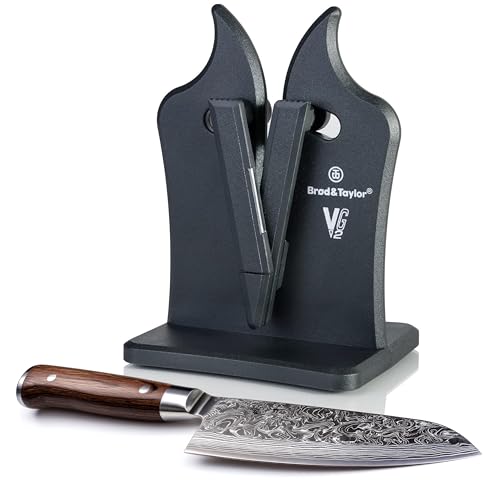
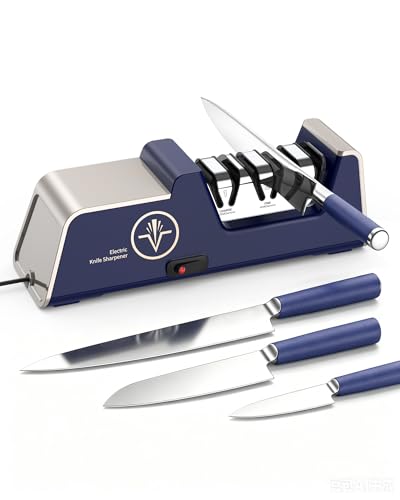
Pull-through and electric sharpeners are built around a fixed slot, usually set closer to a twenty-degree Western angle. Dragging a Japanese blade through one grinds away far more steel than necessary and often leaves a rounded, less precise edge. Repeated use on a hard, thin blade can chip the very edge it is meant to restore.
Guided Sharpening Systems
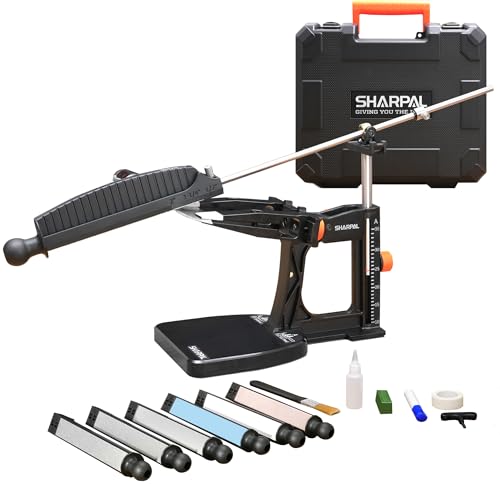
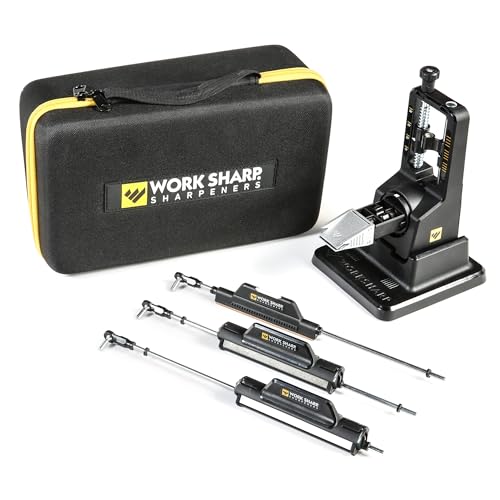
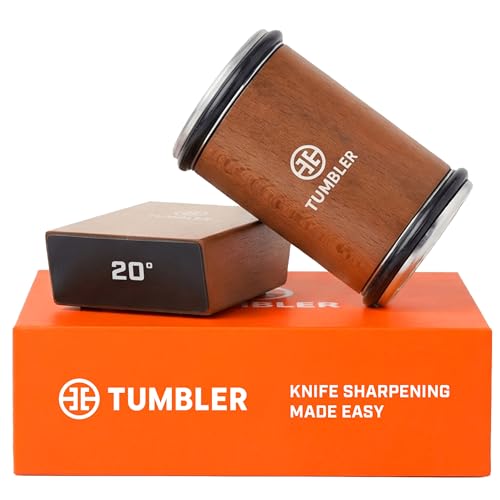
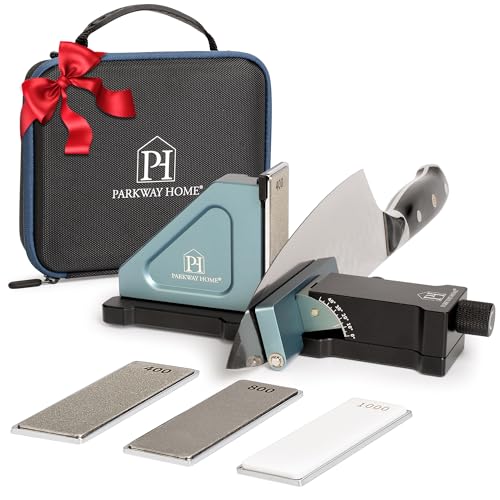
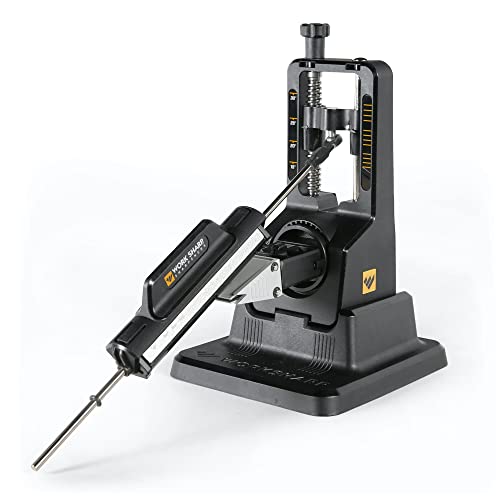
Guided systems clamp the blade and hold the stone at a fixed angle for you. They remove a lot of the guesswork and are a reasonable bridge for someone still building hand-sharpening skills, though they tend to be slower than free-hand whetstone work once you know what you are doing.
Making Sense of Grit Numbers and Stone Sets
Grit is just a measure of how coarse or fine a stone's abrasive particles are. Lower numbers cut fast and remove more steel; higher numbers polish and refine. Building a small set with the right spread matters more than owning a single stone.
A Practical Grit Progression
- Coarse, roughly 220 to 400 grit, reserved for repairing chips or fixing a badly rolled edge, used sparingly since it removes steel quickly.
- Medium, around 1000 grit, the workhorse stone for routine sharpening and rebuilding the edge bevel.
- Fine, in the 3000 to 6000 range, for refining that edge into something genuinely sharp for daily kitchen use.
- Polishing, 8000 grit and above, optional for anyone chasing a mirror finish rather than pure cutting performance.
Most home cooks do fine with just a combination stone that pairs a medium and fine grit on either side. If you want a broader comparison of sharpening tools before settling on stones specifically, a general overview of sharpener types is worth reading alongside this guide.
Natural Versus Synthetic Stones
Natural stones, quarried rather than manufactured, wear unevenly and develop a feel that some sharpeners prize, but they are inconsistent from piece to piece and often expensive. Synthetic stones are manufactured to a uniform grit and hardness, which makes them far more predictable for anyone still learning, and they are the practical starting point for most kitchens.
Keeping a Stone Flat, Soaked, and Ready
A whetstone is only as accurate as its surface, and that surface changes every time you use it. Steel wears the middle of the stone down faster than the edges, leaving a slight dish that throws off your angle without you noticing.
Soaking Before You Sharpen
Traditional water stones need to sit submerged for ten to fifteen minutes before use, until they stop releasing air bubbles, so the surface stays lubricated and cuts evenly. Splash-and-go stones, a newer style, only need a quick rinse. Check which type you have before your first session, since sharpening on a dry stone that needed soaking will feel rough and uneven.
Flattening on a Regular Schedule
After roughly ten to fifteen sharpening sessions, most stones develop enough of a dish to affect results. A flattening plate, used in a few passes before each sharpening session or after every few uses, restores a true, flat surface. Skipping this step is one of the most common reasons a whetstone starts to feel like it stopped working.
Matching Your Setup to How You Actually Cook
A home cook with one or two good knives does not need the same setup as a restaurant kitchen running blades through hundreds of cuts a day. If you cook a few times a week, a single combination stone and an occasional flattening plate will keep a well-made blade performing for years. Anyone building out a full Japanese chef's knife collection should plan for a slightly wider grit range from the start.
Professional kitchens generally keep a fuller progression on hand, from coarse repair stones to fine polishing grits, because blades see heavier use and get touched up far more often. Frequency of use, not budget, should drive how many stones you actually need.
Frequently Asked Questions
Can I use a regular pull-through sharpener on a Japanese knife?
It is not recommended. Pull-through sharpeners use a fixed angle built for softer Western steel, and running a hard Japanese blade through one can chip the edge or grind away more steel than needed.
What grit stone should a beginner start with?
A combination stone around 1000 grit on one side and 3000 to 6000 on the other covers most routine sharpening needs and gives you room to learn without buying multiple stones right away.
How often should I flatten my whetstone?
Check the surface every ten to fifteen sessions with a straightedge. If you see or feel a dip in the middle, flatten it before your next sharpening session to keep your angle consistent.
Do I need to soak every whetstone before use?
Only traditional water stones require soaking, typically ten to fifteen minutes. Newer splash-and-go stones just need a quick rinse, so check the manufacturer's guidance for your specific stone.
What angle should I hold for a double-bevel Japanese knife?
Aim for roughly ten to fifteen degrees per side, split evenly if the knife is double-bevel. A steeper angle than that will round off the edge faster and dull it sooner.
Is a single sharpening stone enough, or do I need several?
A combination stone is enough for most home kitchens. Add a coarse stone only if you need to repair chips, and a polishing stone only if you want an especially refined edge beyond normal kitchen sharpness.
Can electric sharpeners ever work for Japanese knives?
Some models are built specifically with adjustable, narrower angle guides for Japanese blades, but a standard electric sharpener designed for Western knives should be avoided since it will likely damage the edge.
Getting Comfortable With the Process
Choosing the best japanese knife sharpener really comes down to matching your tools to the steel and angle of your blades rather than reaching for whatever sharpener is fastest. A modest whetstone set, kept flat and used with a bit of patience, will outperform any fixed-angle gadget on a Japanese edge. Give yourself a few sessions to build the feel for angle and pressure, and the results will show up in every cut you make afterward.