Best Jetts Heel Wheels: A Complete Buying Guide for Riders
Disclosure: We may earn a commission when you buy through links on this page, at no extra cost to you. As an Amazon Associate I earn from qualifying purchases. Learn more

Jett wheels, sometimes sold as heel wheelies or heel-wheel skate shoes, turn an ordinary pair of sneakers into something a kid can roll around on with a flick of the ankle. They look simple in a store display, but the shoes that hold up and the ones that end up in a closet after two weeks come down to a handful of details most parents never think to check. This guide walks through what these shoes actually are, why the first few rides tend to go sideways, where kids are even allowed to use them, and what keeps a pair rolling smoothly instead of squeaking to a stop.


What Heel-Wheel Skate Shoes Actually Are
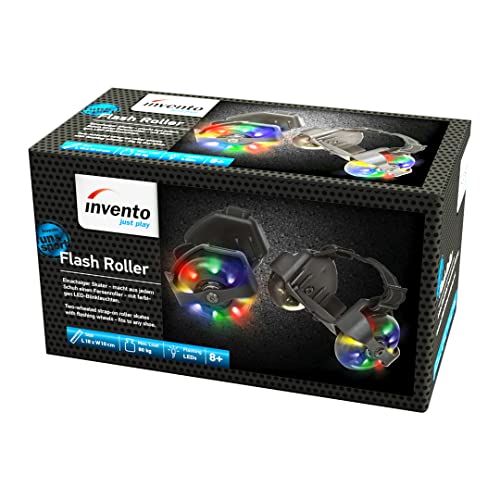
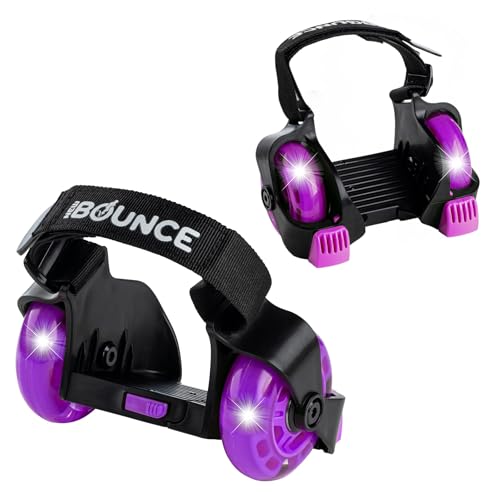
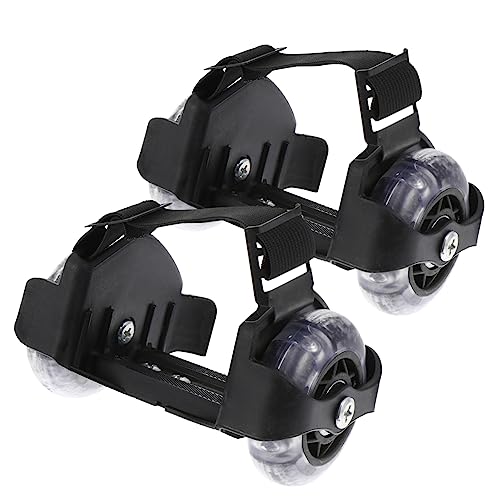
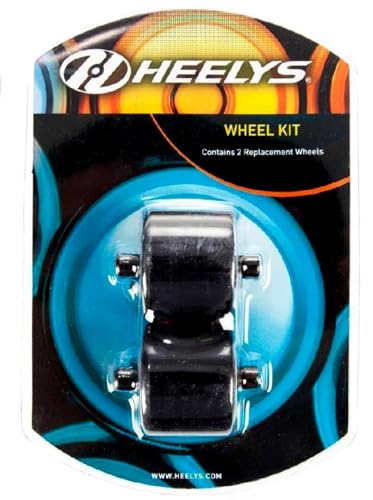
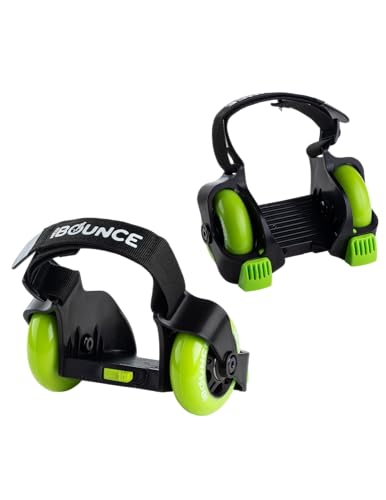
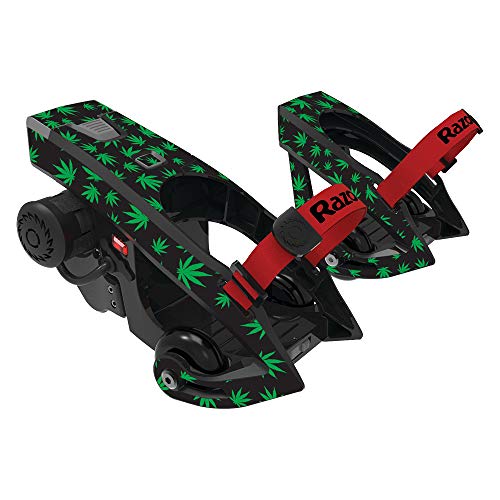
There are two main formats on the market. The first is a strap-on frame that clips or buckles onto the heel of a shoe a child already owns, holding a small urethane wheel in place against the sole. The second is a built-in wheeled skate shoe, where the wheel sits inside a socket molded into the heel and can be popped in or out with a small tool, letting the same pair work as a regular shoe or a rolling one.
Both styles use a single wheel rather than the four-wheel setup on roller skates built for kids, which changes how the ride feels. A rider balances on one point of contact instead of a wide, stable base, so the learning process looks nothing like learning to skate. Many models add a spark pad near the wheel that throws off a shower of sparks when the heel scrapes pavement, which is a big part of the appeal but also a wear part that eventually needs replacing.
The Balance Learning Curve: Why Kids Fall at First
Across a wide range of owner reviews, the same complaint shows up more than any other: kids fall backward, repeatedly, before they get the hang of it. Rolling requires shifting weight onto the heel to lift the toe off the ground, which feels backward for anyone used to walking or running, where weight naturally lands forward. Riders who lean too far back to force the wheel down often lose their balance entirely instead of gaining control.
The fix is almost always the same one instructors and experienced parents recommend: practice the weight shift while standing still before trying to roll anywhere. Rock from flat feet onto the wheeled heel, hold for a second, then rock back, ideally near a wall, railing, or a helper's hand. Kids who skip this step and go straight to rolling tend to end up sitting down hard within the first few tries, which is also when most minor injuries happen. A few short sessions of practicing the shift alone, with no forward motion involved, makes the actual rolling part click much faster.
Where Rolling Is Allowed and Where It Isn't
This is the part most buying guides skip, and it matters more than it seems. Plenty of malls ban rolling shoes outright, grouping them with skateboards and inline skates because polished tile floors turn a single small wheel into a slip risk. Many schools have gone the same direction, and they generally take one of three approaches: banning the shoes entirely, allowing them only with the wheels popped out or retracted, or letting kids wear them as long as they walk normally and never roll on school property.
Before buying, it is worth checking whether your child's school or any place they visit regularly has a policy on wheeled shoes, since a pair that can only be used in the driveway or at a skate park is a very different purchase than one meant for everyday wear. Built-in wheeled shoes that let the wheel pop out for walking mode tend to handle these mixed-use situations better than strap-on versions, which either have the frame attached or they don't.
Removing, Swapping, and Maintaining the Wheels
Strap-on frames come off entirely when it's time to walk normally, no tool required beyond unbuckling the strap. Built-in wheeled shoes work differently. A small hook tool, usually included with the shoes, catches the axle and pulls the wheel free from its socket, and a plastic hub cover snaps into the empty space so the shoe sits flat and looks normal without the wheel installed.
Spark pads wear down with regular use and are a separate part from the wheel itself, so it is worth checking how easily a given pair lets you swap them rather than assuming the whole unit needs replacing once the sparks fade. The wheel and bearing benefit from occasional attention too. Grit and dirt collect around the bearing after riding on dusty pavement, which slows the roll and can eventually cause squeaking, so wiping the wheel down after outdoor sessions keeps it spinning freely for longer.
Safety Gear and Surface Rules That Actually Matter
Because most falls happen in the first handful of sessions while balance is still developing, gear matters most right at the start, not once a kid is already confident. A properly fitted bike helmet along with wrist guards and knee pads covers the impacts that show up most often: a hard landing on an outstretched hand or a fall straight backward onto the tailbone.
Surface choice matters just as much as gear. A single small wheel needs smooth, even pavement to roll properly, so cracked sidewalks, gravel, and grass tend to stop the wheel dead and pitch the rider forward without warning. Kids under about six generally do not yet have the balance and leg strength these shoes call for, so most manufacturers set a minimum age around six, and even then close supervision during the first sessions makes a real difference. For younger kids who want the rolling feeling without the single-wheel balance challenge, a kick scooter is usually the easier starting point.
Frequently Asked Questions
What are jett wheels or heel wheelies?
They are shoes, or shoe attachments, with a single small wheel built into or strapped onto the heel, letting a rider switch between walking and rolling by shifting their weight. Many versions include a spark pad that creates a shower of sparks when the wheel scrapes pavement.
At what age can a kid start using heel-wheel shoes?
Most models set a minimum age around six, since younger children typically do not have the balance and leg strength the single-wheel design requires. Always check the specific product's age and weight limits before buying.
Why do kids keep falling backward when they first try them?
Rolling requires shifting weight onto the heel to lift the toe, which is the opposite of the forward weight shift used in walking or running. Riders who lean too far back trying to force the wheel down often lose balance instead. Practicing the weight shift while standing still, before attempting to roll, is the most effective fix.
Are heel-wheel shoes allowed at school?
It depends entirely on the school. Some ban them outright, some allow them only with the wheels removed or retracted, and some allow the shoes as long as the child walks normally and doesn't roll on campus. Check with the school directly before assuming they're fine for everyday wear.
How do you remove the wheel from a built-in wheeled shoe?
A small hook tool, usually included with the shoes, catches the axle and pulls the wheel out of its socket. A hub cover then snaps into the empty space so the shoe sits flat and wears like a normal sneaker.
What safety gear should a kid wear while learning?
A helmet, wrist guards, and knee pads cover the most common impact points, since falls during the learning phase tend to land either on an outstretched hand or straight back onto the tailbone. Practicing on smooth, flat pavement away from traffic also cuts down on injuries significantly.