
Best Ice Melts: Which One Fits the Way You Use It in 2026?
Disclosure: We may earn a commission when you buy through links on this page, at no extra cost to you. As an Amazon Associate I earn from qualifying purchases. Learn more

How to choose the best ice melts for pets, extreme cold, big driveways and delicate surfaces, with mistakes to avoid.
The bag of ice melt in your garage can be the difference between a safe front step and a trip to urgent care, but the wrong product can also burn your dog's paws, kill the grass along the walk or pit a new concrete driveway. Ice melts differ in chemistry, how cold they keep working, how fast they act and what they do to pets, plants and surfaces. This guide to the best ice melts helps you match the right type to your home and climate.
We cover who should buy which type, the features to compare, common mistakes, tips and frequent questions. Store ice melt sealed and out of reach of children and pets, wear gloves when handling calcium chloride, which can irritate skin, wipe pets' paws after walks and call your veterinarian or the ASPCA Animal Poison Control Center if a pet eats ice melt.



Who Should Buy Which Ice Melts?
Start with what you need to protect: pets, extreme cold performance, large areas or delicate surfaces.
For Pet Owners and Families
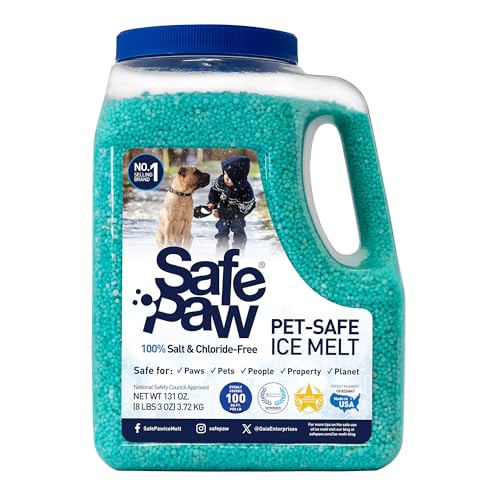
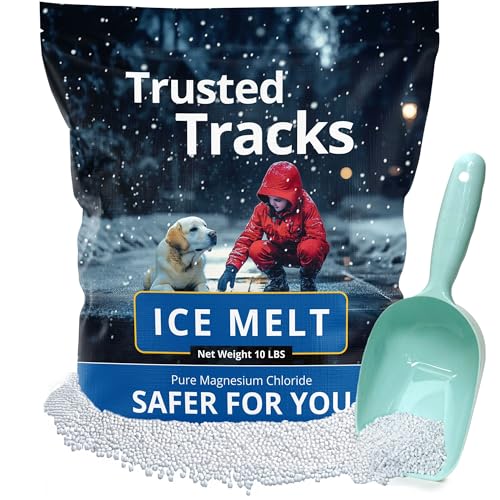
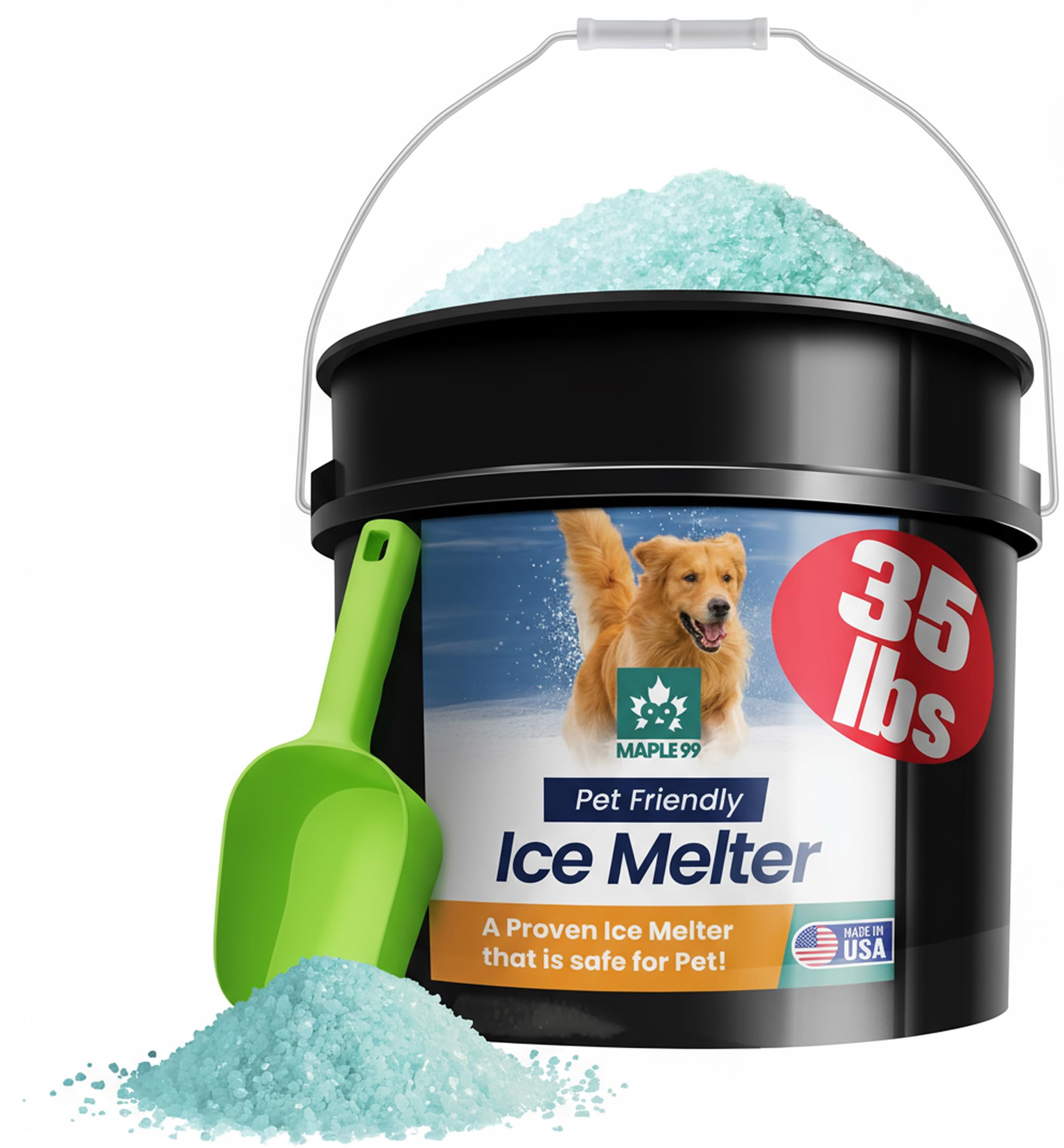
Homes with dogs, cats and small children need gentler formulas. Safe Paw, around $30 for an 8 pound jug, is salt free and chloride free, works down to minus 2°F and helps prevent refreeze for up to 72 hours. FIREKI, around $40 for 10 pounds, is pure magnesium chloride with no additives or coloring and is listed as safe for paws to minus 35°F. National Blue and Maple99 also market pet friendly blends.
Prioritize salt free or magnesium chloride formulas, and still wipe paws after every walk.
For Extreme Cold
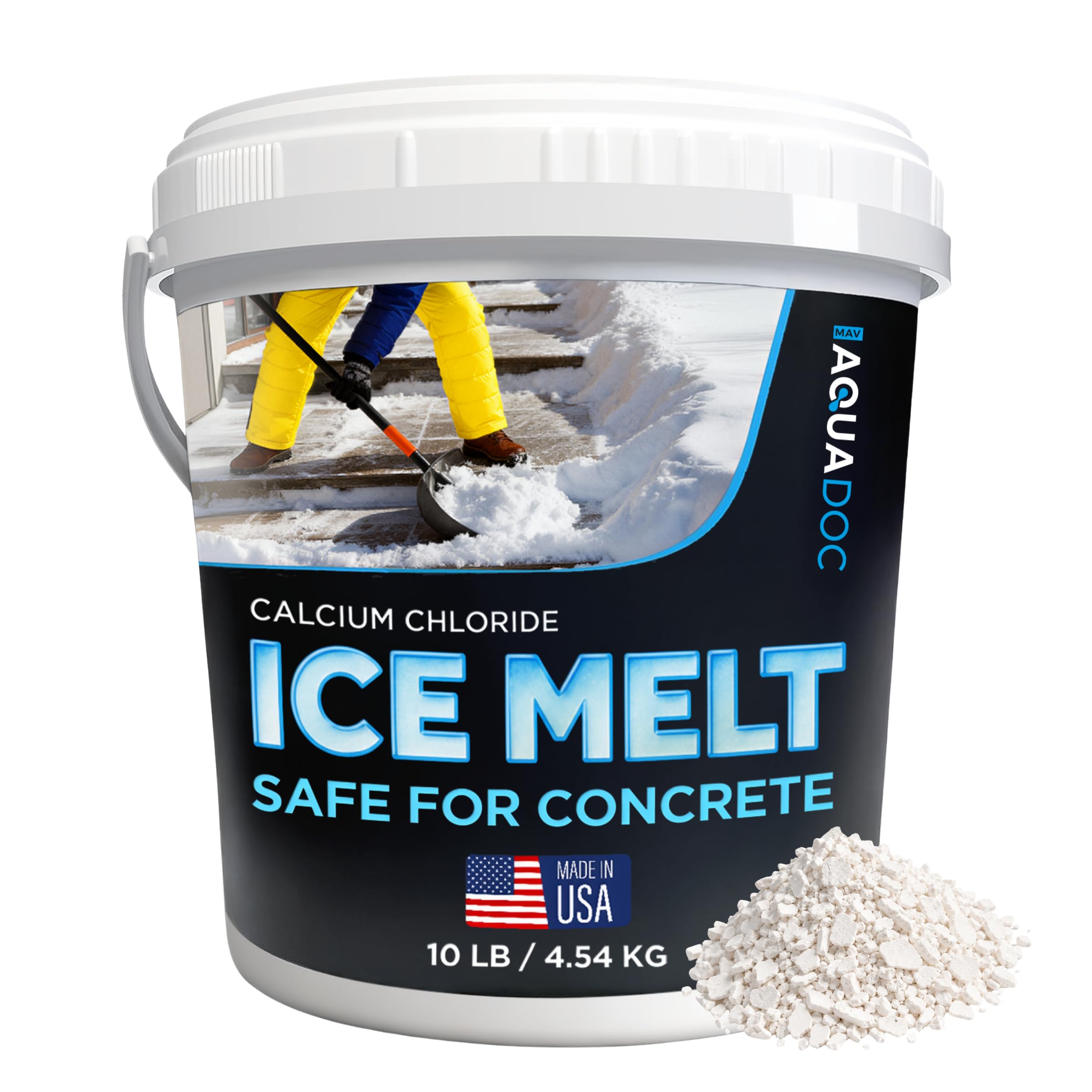
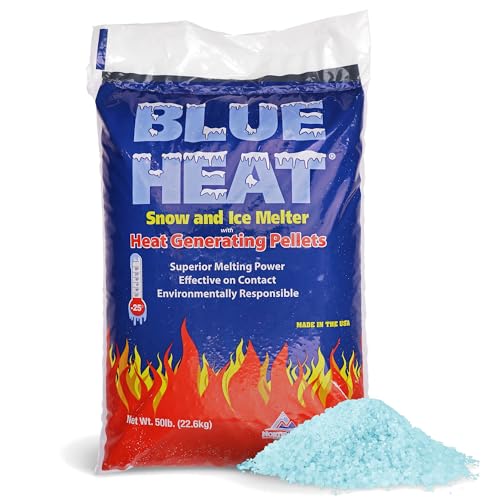
In very cold climates, ordinary rock salt stops working well below about 15°F. Calcium chloride works much colder: AquaDoc's 10 pound bag is effective to minus 25°F, and Home and Country USA and Heat Negative sell calcium chloride pellets and blends. Snow Joe's Blue Heat pellets, a calcium, magnesium and sodium blend, work to minus 25°F and generate heat as they dissolve.
Prioritize calcium chloride or magnesium chloride, which both release heat and keep melting in deep cold.
For Large Driveways and Value Seekers
Long driveways and big walkways go through ice melt fast, so price per pound matters. Snow Joe's Blue Heat costs around $35 for 50 pounds and Snow Joe's Dead Sea magnesium chloride flakes around $48 for 50 pounds. Safe Paw also sells a 35 pound pail at around $85 for pet households with large areas.
Prioritize bulk bags or pails and a spreader for even coverage.
For New Concrete, Pavers and Decks
Surfaces like newer concrete, brick, pavers and wood decks are easily damaged by harsh salts. Safe Paw is non corrosive and non conductive and formulated for properly cured concrete, asphalt, brick, pavers, metal and wood decks. FIREKI lists non corrosive pure magnesium chloride. Avoid any deicer on concrete less than a year old unless the maker approves it.
Prioritize non corrosive formulas and sweep away excess once ice breaks up.
Key Features to Compare in the Best Ice Melts
Chemistry, temperature rating, safety and coverage matter most.
Melting Chemistry and Temperature Rating
Each ingredient has a practical low temperature limit. Sodium chloride (rock salt) is cheap but slows sharply below about 15°F. Calcium chloride works to about minus 25°F, as AquaDoc lists.
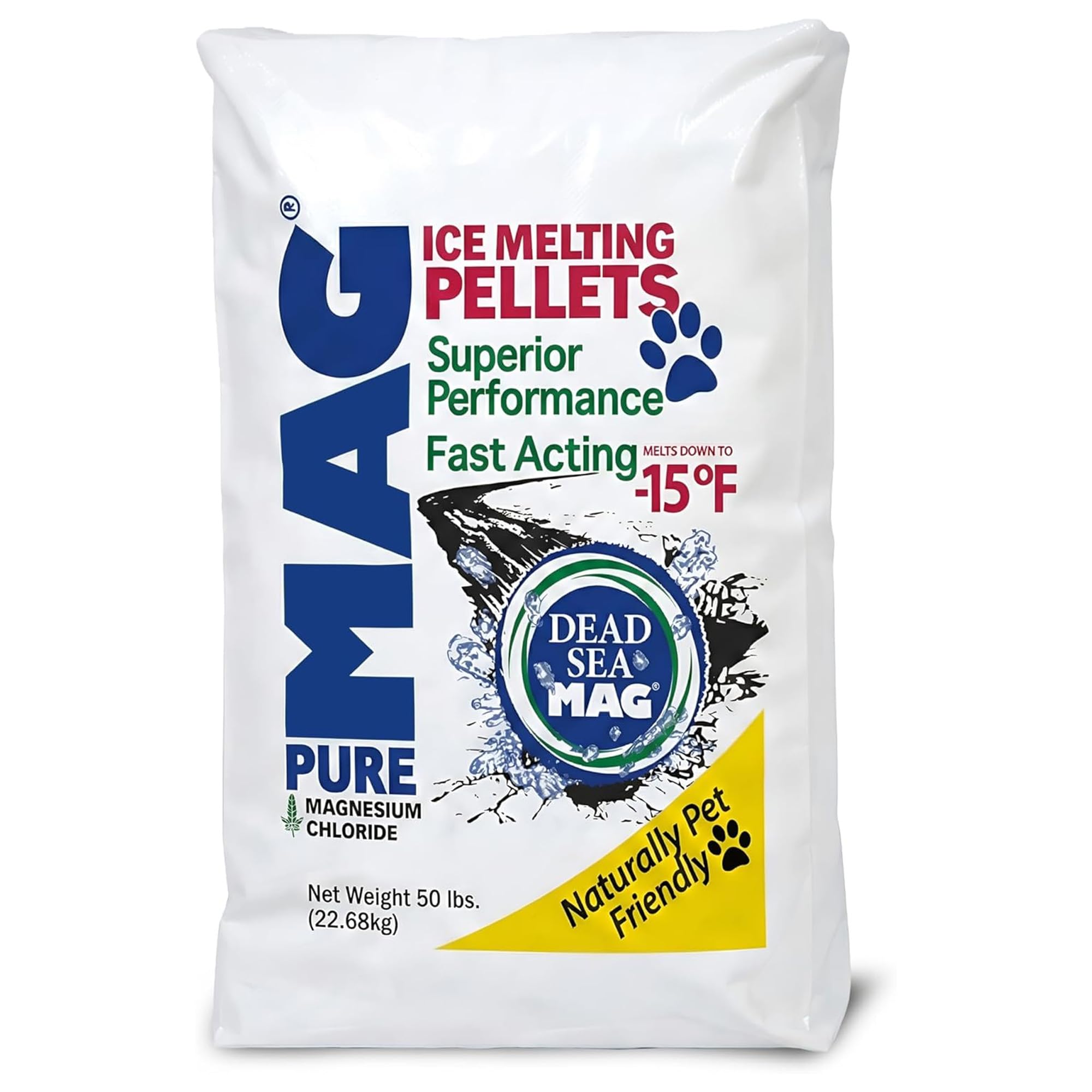
Magnesium chloride claims vary: FIREKI lists minus 35°F. Blends mix speed and cost, like Snow Joe's Blue Heat at minus 25°F and National Blue at minus 15°F. Safe Paw's salt free formula works to minus 2°F.
Pet and Plant Safety
No ice melt is completely harmless if eaten in large amounts, but some are gentler on paws and plants. Safe Paw is salt and chloride free and designed for lawns and plants. FIREKI and Snow Joe's Blue Heat are marketed as safer for paws, and National Blue lists pet, plant and concrete friendly. Rock salt can dry and crack paw pads and harm lawns along walkways.
Surface Safety and Corrosion
Chlorides can corrode metal and damage concrete over time. Safe Paw says it is non corrosive and non conductive, and FIREKI lists no corrosive ingredients. Snow Joe's Blue Heat says it is non staining and safe for concrete. Tinted products, like Snow Joe's blue pellets, show where you have spread, which prevents over application.
Coverage and Application Rate
Concentrated products cover more per pound. Safe Paw says it needs about half the amount of traditional rock salt. Visible tints help you spread evenly. A handheld or walk behind spreader gives consistent coverage on large driveways and prevents piles that waste product.
Speed and Residual Action
Calcium chloride acts fastest because it releases heat as it dissolves; Home and Country USA and AquaDoc both call their calcium chloride fast acting. FIREKI recommends applying at the beginning of snowfall. Safe Paw lists residual action that helps prevent new ice for up to 72 hours when used as directed.
Packaging and Storage
Resealable bags and pails keep moisture out so pellets do not clump. Heat Negative uses a 25 pound resealable bag, and Safe Paw's 8 pound jug stores neatly in a garage. FIREKI includes a scoop. Calcium and magnesium chloride absorb moisture from the air, so always reseal them.
Rock Salt vs Ice Melt Blends
Rock salt is the cheapest option and works fine for mild winters, but it acts slowly, stops working well in deep cold, leaves white residue and is hard on concrete, metal, lawns and paws. Engineered ice melts cost more per pound but work colder and faster, and many need less product per square foot. Blends like Snow Joe's Blue Heat mix sodium with calcium and magnesium to balance price and performance, which suits many homes.
Traction Aids and Alternatives
Ice melt is not the only tool. Sand or non clumping grit adds traction on ice without melting it, which helps on steep driveways and in extreme cold. Heated snow melting mats, like RVSNAIL's electric rubber mats, keep steps and entryways clear without chemicals, though they cost more upfront. Combining shoveling, a thin layer of melt and traction where you walk most gives the safest result.
Common Mistakes to Avoid When Buying Ice Melts
Buying rock salt for extreme cold. It stops working well below about 15°F.
Assuming pet safe means harmless. Wipe paws and keep pets from eating it.
Over applying. More product does not melt faster and damages surfaces and plants.
Using deicers on new concrete. Concrete under a year old is vulnerable.
Leaving bags open. Moisture turns pellets into solid clumps.
Tips to Get the Most From Your Ice Melt
Apply before or early in the storm. Pre treating prevents ice from bonding.
Shovel first, then melt. Ice melt works best on thin layers.
Spread thinly and evenly. Use a spreader or scoop for consistent coverage.
Sweep up leftover pellets. Excess tracks indoors and harms plants.
Use mats at entries. Boot trays and mats keep residue off floors.
Store sealed in a dry place. Keep away from children and pets.
Ice Melts: Your Questions Answered
Are expensive ice melts worth it?
Expensive ice melts are worth it if you have pets, delicate surfaces or extreme cold. Salt free formulas like Safe Paw and pure magnesium chloride like FIREKI cost more but are gentler. For large driveways in moderate cold, affordable blends like Snow Joe's Blue Heat work well.
How long does an ice melt last after application?
Most ice melts work for several hours, and some keep preventing refreeze longer. Safe Paw lists up to 72 hours of residual protection when used as directed. Heavy snow, rain or traffic dilutes ice melt, so reapply as needed.
How long does ice melt last in storage?
Sealed ice melt keeps for years. Calcium and magnesium chloride absorb moisture and clump if left open, so reseal bags or pails after each use and store them off the floor in a dry garage or shed.
How much should I spend on ice melt?
Most homes spend around $30 to $55 per season for walks and steps. Around $30 buys an 8 to 10 pound jug of pet safe or calcium chloride melt, and around $35 to $48 buys 50 pound bags for large driveways.
What features matter most when buying ice melts?
Temperature rating, pet and plant safety and surface safety matter most. Choose calcium or magnesium chloride for extreme cold, salt free formulas for pets and non corrosive products for pavers and decks. Resealable packaging and visible tints add convenience.
Is ice melt safe for dogs?
Some ice melts are gentler than others, but none should be eaten. Salt free options like Safe Paw and magnesium chloride like FIREKI are marketed as safer for paws than rock salt or calcium chloride. Wipe your dog's paws after walks, use booties in heavy salt areas and call your vet if your dog eats ice melt or shows vomiting or drooling.
Can I use ice melt on a wood deck or pavers?
Yes, but choose a non corrosive formula and use it sparingly. Safe Paw lists wood decks, brick and pavers among its approved surfaces. Avoid rock salt and heavy calcium chloride on decks and pavers, and sweep away leftover pellets once the ice breaks up.
Wrapping Up
The best ice melts match your climate, protect your pets and plants and spare your surfaces. Choose Safe Paw or FIREKI for pet households, calcium chloride like AquaDoc or Home and Country USA for extreme cold, Snow Joe's bulk bags for large driveways and non corrosive formulas for pavers and decks.
For more winter guides, see the best battery powered snow blowers, the best men's winter boot, the best women's snow boots and the best women's winter boots. Then compare current prices in the product table above.


