
Best Women's Winter Boots: Which One Fits the Way You Use It?
Disclosure: We may earn a commission when you buy through links on this page, at no extra cost to you. As an Amazon Associate I earn from qualifying purchases. Learn more

The best women's winter boots for your routine: snow boots, short city boots and daily workhorses matched to real winters.
A winter boot has to do several jobs at once: keep your feet warm at the bus stop, dry through slush and puddles, steady on icy sidewalks and comfortable enough to wear all day. The best women's winter boots for a city commute look and feel very different from the right pair for snowshoeing, shoveling the driveway or walking the dog through deep snow. Choosing well starts with how and where you will wear them.
This guide matches winter boot styles to real routines instead of naming one perfect pair. You will see which boots suit harsh weather, small closets and heavy daily use, which features to compare, the mistakes that lead to cold toes and sore feet, and how to care for boots so they last several winters. Every boot mentioned is sold new on Amazon US.

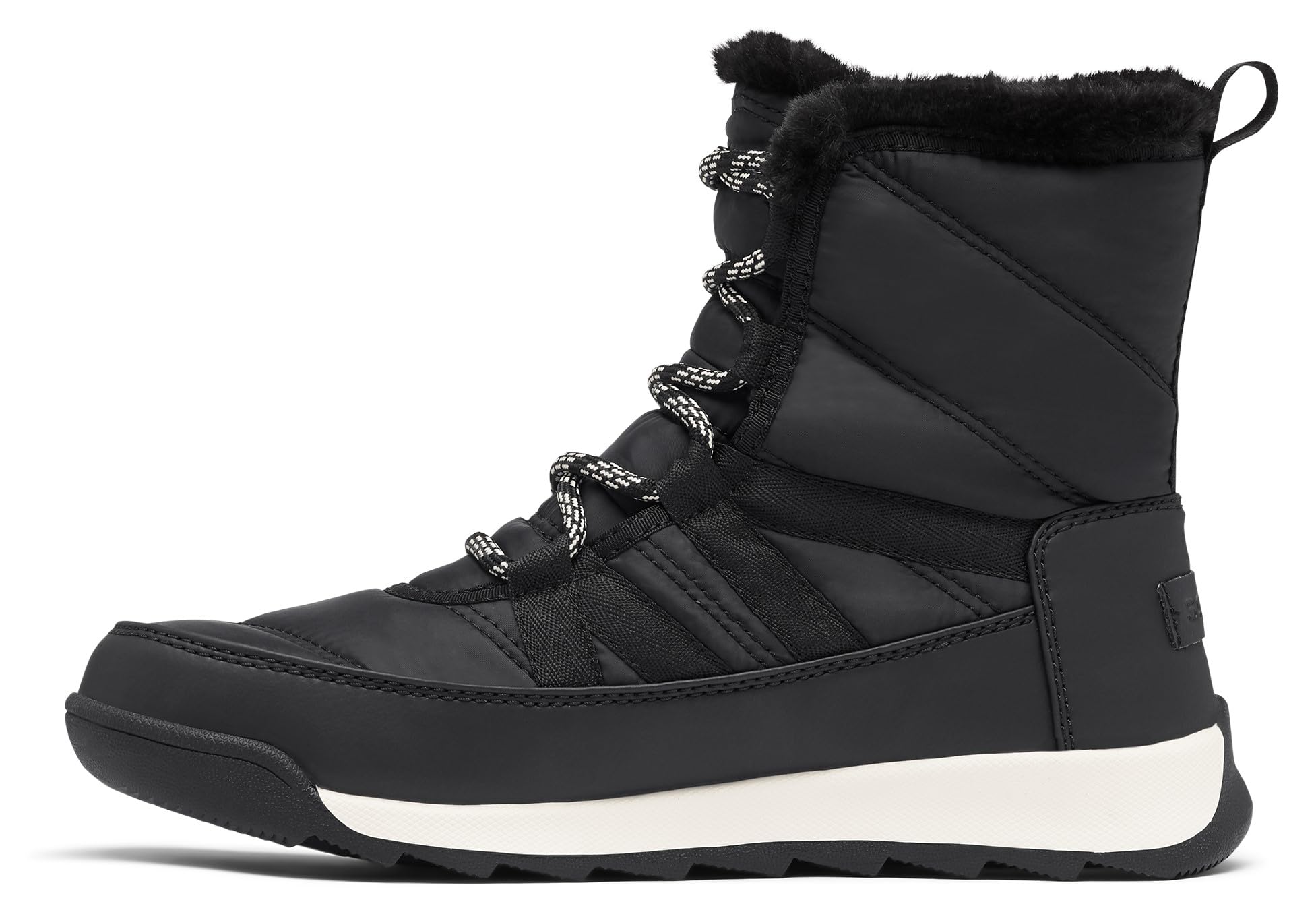

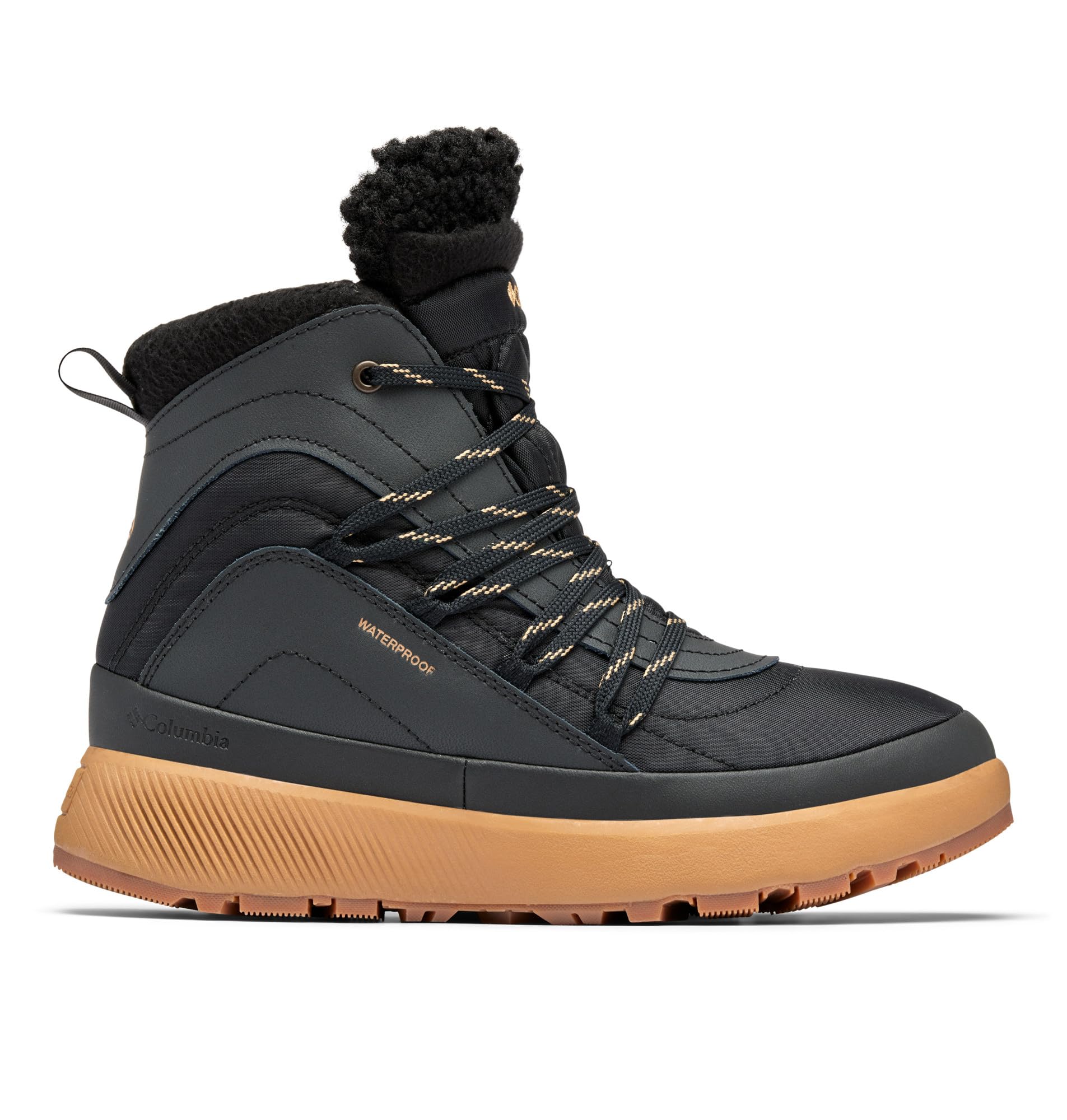
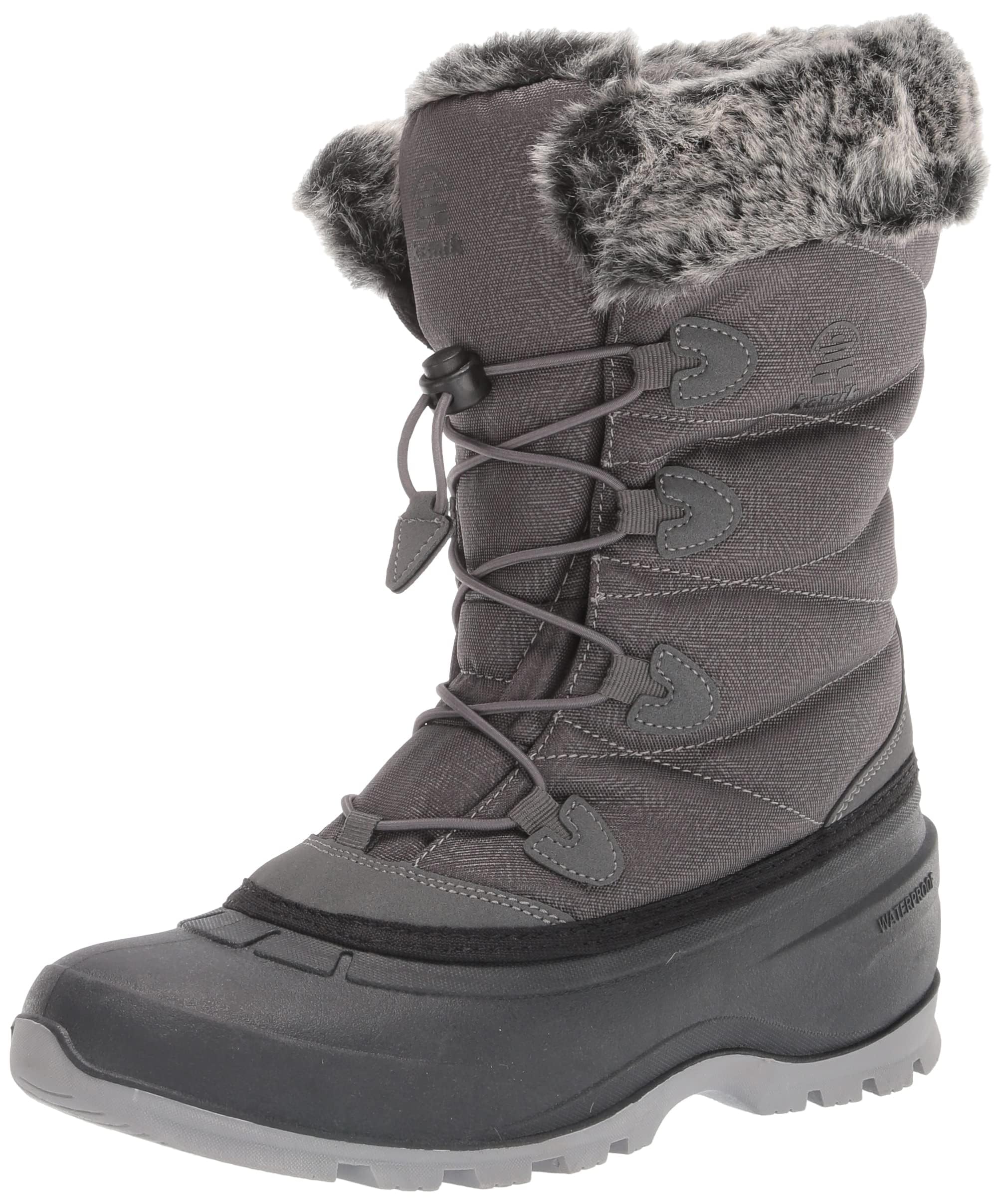




Who Should Buy Which Winter Boots?
Buy tall, insulated waterproof boots for deep snow, short lace up boots for city sidewalks and durable boots with removable liners for daily heavy use. Winter boots range from lightweight insulated booties around $40 to technical snow boots and heritage designs around $180. The difference shows up in insulation, waterproofing, traction, height and durability. Before you shop, think about the coldest temperatures you face, how much snow and slush you walk through and how many hours a day you will wear the boots.
The product table above includes well known brands such as Sorel, Columbia and Kamik, along with budget friendly options from HOBIBEAR, ANJOUFEMME, COOJOY, ziitop and others. Use the groups below to match the style to your routine.
For Bad Weather and Tough Conditions
If you face deep snow, freezing rain or long periods below freezing, choose tall, fully waterproof boots with substantial insulation and aggressive traction. Classic designs like the Sorel Winter Carnival, Columbia Ice Maiden II and Kamik Momentum 3 cover the ankle and lower calf, keep snow out and use rugged rubber outsoles.
Look for a waterproof lower shell or seam sealed construction, a gusseted tongue that blocks snow and a cuff or collar that closes snugly. Insulation is often rated by temperature or measured in grams; heavier insulation suits standing still in very cold weather, while lighter insulation works better if you walk briskly. Boots for tough conditions are warmer and heavier, so they may feel bulky for driving or indoor wear.
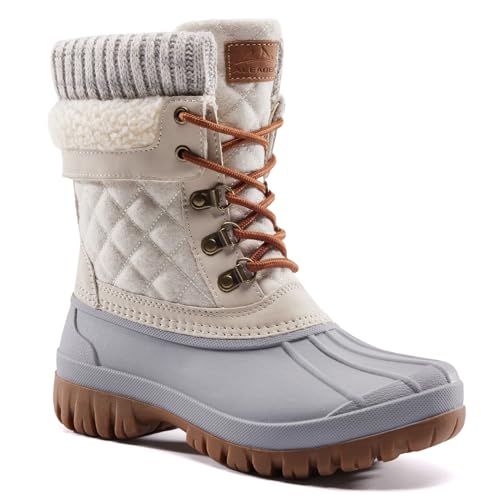
Duck boots, like the ALEADER women's duck boot, combine a rubber lower with a leather or textile upper. They handle slush and wet snow very well and are easy to clean, making them a popular choice for mixed winter weather.
Think about your typical outdoor time as well. Waiting at a bus stop or watching a child's outdoor game means standing still in the cold, which calls for more insulation than a brisk walk to the car. Removable felt or fleece liners, found on many classic pac boots, add warmth and can be pulled out to dry overnight, which matters when you wear the same boots every day. A snug ankle fit keeps the boot from slipping, so you do not waste energy on every step through deep snow.
For Small Spaces and Easy Storage
If closet space is tight or you mostly walk on cleared city sidewalks, a shorter winter boot makes more sense. Ankle height and short lace up boots, such as the Sorel Whitney II Short Lace, Columbia Red Hills and budget options like the ANJOUFEMME and COTTIMO hiking style snow boots, store easily and look at home with jeans or leggings.
Shorter boots are lighter and easier to wear indoors, on public transportation and while driving. The trade off is less protection in deep snow, since snow can spill over the top. Pair them with waterproof gaiters if you occasionally face deeper snow.
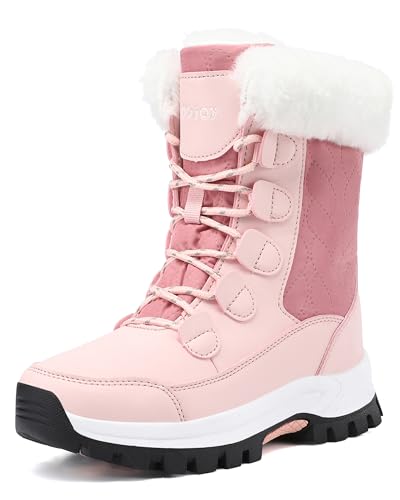
Lightweight faux fur lined booties, such as HOBIBEAR and COOJOY mid calf boots, pack easily for travel and slip on quickly, which suits quick errands and casual winter days.
For Frequent or Serious Users
If you wear winter boots every day for months, durability and comfort over long hours matter most. Look for quality waterproof materials, strong stitching or vulcanized rubber construction, cushioned footbeds you can replace and outsoles that resist wear. Heritage brands with long track records in cold climates often hold up best.
Frequent users also benefit from removable liners or insoles, which can be dried overnight. Some people keep two pairs and rotate them, so each pair dries completely between wears. For active outdoor use, such as snow hiking, consider insulated hiking boots with stiffer soles and better ankle support.
Comfort over long hours also depends on cushioning and weight. A heavy boot can feel fine for a short errand but tiring after a full day of walking, so frequent users often prefer midweight boots with good insulation instead of the heaviest options. Look at whether the footbed is removable; swapping in a supportive insole can make a big difference if you have high arches or flat feet. If you spend long days outdoors for work, consider a boot with a protective toe cap and a slip resistant outsole designed for wet, icy surfaces.
Key Features to Compare in the Best Women's Winter Boots
Once you know which style fits your routine, compare these features. They decide whether your feet stay warm, dry and steady all winter.
Traction and Outsole Design
Traction is the feature that keeps you upright. Look for deep, multidirectional lugs that bite into snow and shed it as you walk, rather than shallow patterns that pack with snow and turn slick. Softer rubber compounds stay flexible in freezing temperatures, which improves grip on cold pavement, while harder rubber can stiffen and slide. A wider sole and a lower heel add stability, so stylish boots with narrow heels are better saved for cleared sidewalks.
Insulation and Temperature Ratings
Insulation comes in synthetic fills, wool or felt liners, faux fur linings and reflective layers that bounce body heat back toward your feet. Some makers list a temperature rating, but treat it as a rough guide rather than a guarantee, since comfort depends on your activity level, socks and how warm your feet usually run. If you mostly walk briskly, moderate insulation is often enough. If you stand still outdoors for long periods or live where temperatures fall well below freezing, choose heavier insulation and a thicker sole that blocks cold from the ground.
What Women Should Look For
Women's winter boots are built on women's lasts, with a narrower heel and lower volume than men's boots, and sized in women's sizes. Many styles also come in wide widths. Check the shaft height and circumference if you have athletic calves, since tall boots can feel tight around the calf.
Think about how you will wear them: commuting and errands, outdoor chores, winter hiking or dressier occasions. Weight matters for long walks, and a lighter boot reduces fatigue. Finally, consider how easy the boots are to put on; side zippers and pull loops save time on busy mornings.
Upper Materials and Breathability
Winter boot uppers use waterproof leather, nubuck or suede, nylon and synthetic textiles, often combined with rubber lowers. Waterproof leather offers durability and a classic look, while synthetics are lighter and dry faster. Faux fur cuffs and linings add warmth and style.
Breathability matters because sweaty feet get cold quickly. Breathable waterproof membranes help moisture escape, but fully rubber lowers trap more sweat. Wear moisture wicking wool or synthetic socks, never cotton, to keep feet dry inside the boot.
Each material asks for a slightly different routine. Leather benefits from conditioner and waterproofing treatments so it stays supple and keeps shedding water. Suede and nubuck look great but stain more easily from salt and slush, so a protective spray helps. Nylon and synthetic uppers need little care beyond rinsing, which makes them a practical choice for busy households and anyone who walks on heavily salted sidewalks.
Fit, Sizing, and Toe Box
Winter boots should leave room for thicker socks and let your toes wiggle freely, since cramped toes restrict circulation and feel colder. Many people size up half a size for winter boots, but check the brand's size guidance first, as some styles already run large.
Your heel should stay put when you walk, without slipping up and down. Try boots on in the afternoon, when feet are slightly larger, and wear the socks you plan to use. A removable insole lets you add an aftermarket footbed if you need more support.
If you have wide feet or bunions, look for brands that offer wide widths, or boots with a roomy toe box and adjustable laces. Lace up boots let you fine tune the fit around the instep, which helps keep your heel in place on icy slopes. Pull on boots are faster, but they rely on the shaft and collar to hold your foot, so fit matters even more. For tall boots, measure your calf at its widest point and compare it with the brand's shaft circumference listing.
Waterproofing (Gore Tex and Membranes)
Waterproof boots use rubber shells, waterproof leathers, seam sealed construction or membranes such as Gore Tex and brand specific technologies. Rubber lowers are completely waterproof in slush, while membranes keep water out and let some sweat escape.
Water resistant boots can handle light snow and short exposure but may soak through in slush or long walks. If you face wet winters, choose fully waterproof boots and treat leather uppers with a waterproofing product each season. Check that the waterproof section extends high enough for the snow depths you encounter.
Durability and Expected Lifespan
Well made winter boots often last several winters with good care, while budget boots may last one or two seasons with daily use. Look for strong stitching, sturdy zippers, rubber that resists cracking and outsoles with deep, durable lugs.
Warranty terms and replacement parts help too. Some brands sell replacement liners and laces. Reading owner comments about leaks, sole separation or zipper failures after the first winter gives useful clues about long term durability.
Common Mistakes to Avoid When Buying Winter Boots
- Buying too tight. Snug boots restrict circulation and leave no room for warm socks, which makes feet colder.
- Choosing water resistant for wet climates. Slush soaks through water resistant boots; choose fully waterproof designs for wet winters.
- Ignoring traction. Smooth soles slip on ice; look for deep lugs and winter rubber compounds.
- Overbuying insulation. Heavily insulated boots can make feet sweat during brisk walks, which leads to cold feet later.
- Wearing cotton socks. Cotton holds moisture; wool or synthetic socks keep feet warmer and drier.
How to Make Your Winter Boot Last Longer
Knock off snow and rinse away road salt after wearing, since salt dries out leather and weakens stitching. Let boots dry at room temperature with liners removed and insoles out; avoid placing them directly on radiators or heaters, which can crack leather and warp soles. Stuffing boots with newspaper helps them dry faster and keep their shape.
Treat leather and suede with a waterproofing spray or wax at the start of each season, and clean rubber with mild soap and water. Store boots clean and dry in a cool place during summer, with boot shapers or stuffing to prevent creases. Replace worn insoles to restore comfort before the boots themselves wear out.
For icy conditions, consider slip on traction cleats that stretch over your boots, which add grip on ice without wearing down the outsoles.
Getting Ready for the First Snow
Before winter starts, pull your boots out and check them in good light. Look for cracks in the rubber, worn lugs, frayed laces and zippers that stick, and replace laces or insoles that look tired. Treat leather and suede with waterproofing a day or two before you need them, so the product has time to cure. If you buy new boots, wear them around the house and on short walks in the fall, which helps the materials soften and lets you spot fit problems while returns are still possible.
FAQs
What makes winter boots for women different?
Women's winter boots are built on narrower lasts with lower volume heels and come in women's sizes, often with wide options. Shaft heights and calf circumferences are designed for women's legs. Many styles combine warmth and waterproofing with designs that work for both outdoor chores and everyday outfits.
Do I need waterproof boots?
You need waterproof boots if you walk through slush, wet snow, puddles or freezing rain, since wet feet get cold quickly. In dry, cold climates with light snow, water resistant boots may be enough. Most people in snowy regions are happier with fully waterproof winter boots for daily wear.
Are expensive winter boots worth it?
Expensive winter boots are worth it if you wear them daily for months, face harsh conditions or want boots that last several winters. They often use better waterproofing, insulation and durable construction. For occasional use or mild winters, budget boots from brands like HOBIBEAR or ANJOUFEMME offer good value.
How often should I replace my winter boots?
Replace winter boots when they start leaking, the soles wear smooth, insulation compresses so feet feel cold, or zippers and seams fail. Quality boots often last three to five winters with care, while budget boots may need replacing every one to two seasons with heavy use.
How long is the break in period?
Most synthetic and lined winter boots feel comfortable right away. Leather boots may need a week or two of regular wear to soften. Wear new boots around the house and on short walks before long outings. If they still pinch or rub after two weeks, try a different size or style.
Can I wear them all day?
Many winter boots are comfortable for all day wear outdoors, especially lighter insulated styles with cushioned footbeds. Heavily insulated boots can feel too warm indoors, so consider changing into indoor shoes at work. Moisture wicking socks and removable insoles help keep feet comfortable through long days.
Wrapping Up
The best women's winter boots match your weather and routine. Choose tall, fully waterproof, well insulated boots like the Sorel Winter Carnival, Columbia Ice Maiden II or Kamik Momentum 3 for deep snow, shorter lace up or ankle boots like the Sorel Whitney II Short for city wear and easy storage, and durable, comfortable pairs with removable liners for daily heavy use. Focus on fit, waterproofing and traction, and care for your boots so they last.
For more winter footwear, see our guides to the best walking winter boots womens, the best winter hiking boots women's, the best women's winter boots with traction, the best womens tall winter boots and the best stylish winter boots women's. Then compare current prices in the product table above.


