Best Women's Snow Boots: Which One Fits the Way You Use It?
Disclosure: We may earn a commission when you buy through links on this page, at no extra cost to you. As an Amazon Associate I earn from qualifying purchases. Learn more

The best womens snow boots by use: everyday, deep snow and frequent outdoor picks, plus fit and traction tips.
A good pair of snow boots makes winter easier, whether you are shoveling the driveway, walking the dog on icy sidewalks, commuting through slush or spending a weekend at a ski cabin. The wrong pair leaves you with cold toes, wet socks or sore feet after an hour. Snow boots vary widely in warmth, waterproofing, traction, height and fit, and the right choice depends on how you will actually wear them. This guide to the best womens snow boots starts with your routine, then explains which features matter most and which you can skip.
We cover who should buy which boots, the key features to compare, common mistakes, care tips and answers to common questions. Every boot in the table above is sold new on Amazon US. In extreme cold, limit time outdoors, keep feet dry and talk to a doctor about footwear if you have diabetes, poor circulation or numbness in your feet.





Who Should Buy Which Women's Snow Boots?
Frequent users and outdoor enthusiasts should buy insulated, waterproof boots from established outdoor brands, people facing harsh conditions should buy tall, heavily insulated boots and people short on storage or wanting everyday versatility should buy lighter ankle or mid height boots. Here is how to match boots to your needs.
Choosing among the best womens snow boots is easier once you picture a typical winter day. A commuter walking a few blocks to the train needs something different from a hiker on snowy trails or a parent standing at a sledding hill for hours.
For Frequent or Serious Users
Women who spend a lot of time outdoors in winter, such as dog walkers, hikers and people who live in snowy regions, should invest in durable, insulated, waterproof boots. The KEEN Women's Greta 2, at around $144, uses a KEEN.DRY waterproof breathable membrane, 200 gram KEEN.WARM insulation made from recycled PET plastic that keeps feet warm down to about minus 25°F, a KEEN.RUGGED outsole for grip on snow and ice, a heat reflecting board and waterproof oiled full grain leather, according to KEEN.
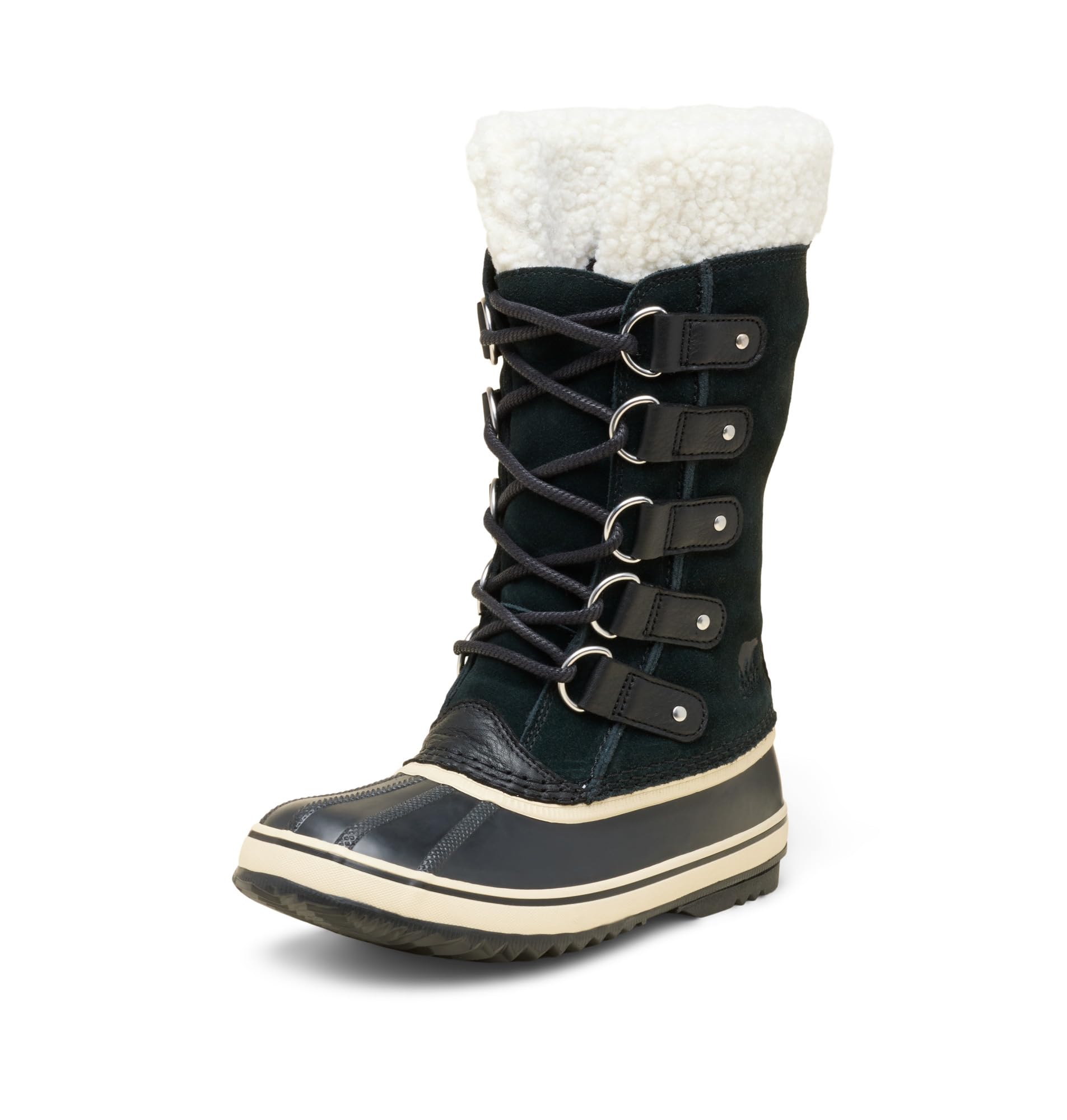
The KEEN Women's Revel 4 Mid Polar, at around $200, the Sorel Women's Joan of Arctic, at around $200, and Columbia Women's Ice Maiden II, at around $110, are other options from established outdoor brands. Durable construction, like KEEN's direct attach design that reduces separation, pays off over many winters.
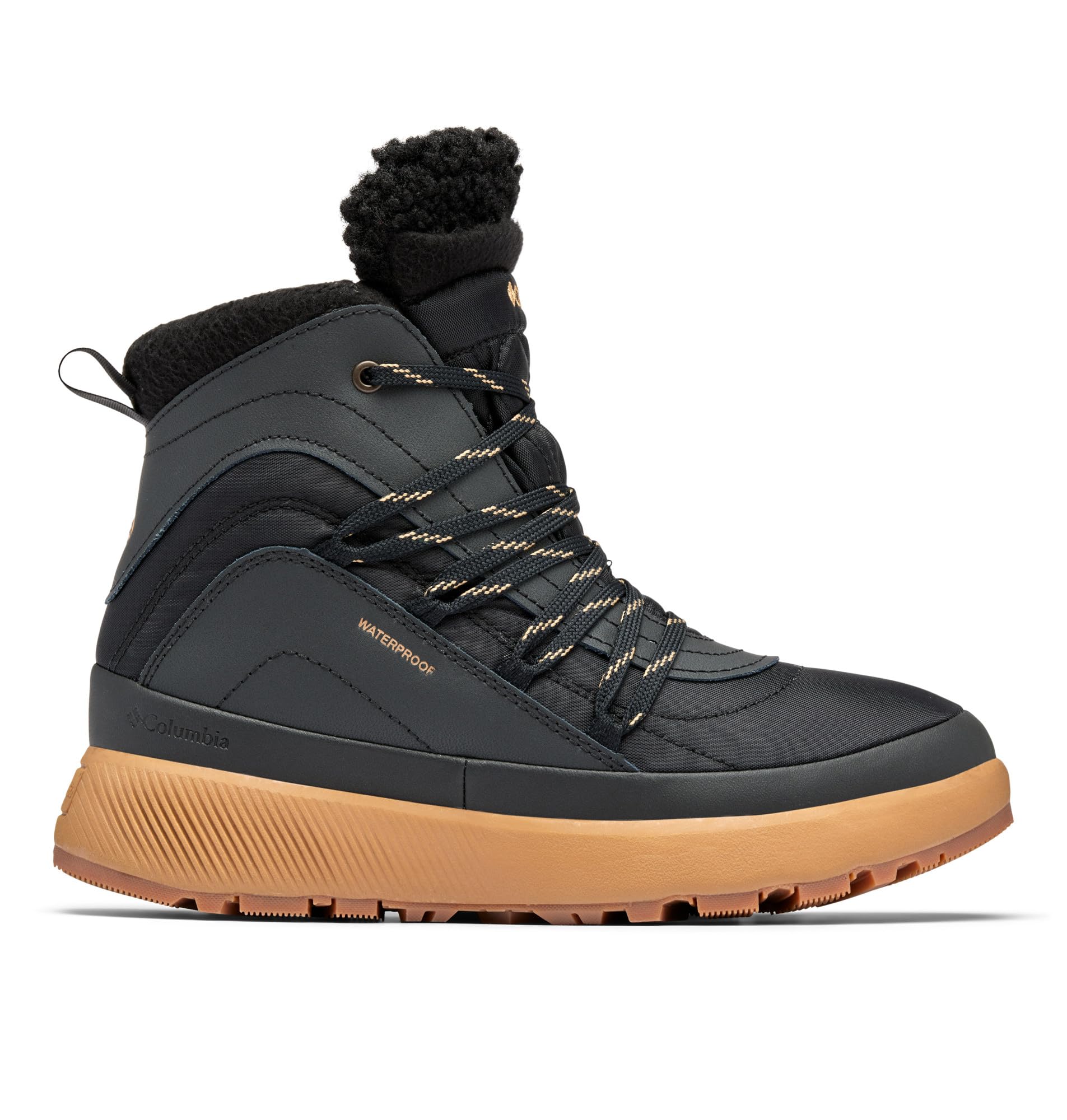
Columbia lists Omni-Heat on its Women's Red Hills snow boot at around $110, a reflective lining designed to hold in body heat. For frequent users, a second pair of liners or insoles lets one set dry while you wear the other.
For Bad Weather and Tough Conditions
Women facing deep snow, extreme cold and long periods outside should choose tall, heavily insulated boots. Baffin Women's ICEFIELD Tall, at around $268, is marketed as a lightweight, waterproof, polar rated snow boot for very cold conditions. POLAR Women's Tall Snow Boot, at around $45, offers a budget tall nylon boot with fur lining and waterproofing.
Tall boots keep snow out when walking through drifts. Look for snow collars, gaiters or drawstrings at the top, and choose boots with deep lugs for traction on ice and packed snow.
In deep snow and extreme cold, warmth depends on more than the boot. Wool or synthetic socks wick moisture better than cotton, which holds sweat and chills feet. Pair tall boots with snow pants that fit over the top to keep snow from falling in.
For Small Spaces and Easy Storage
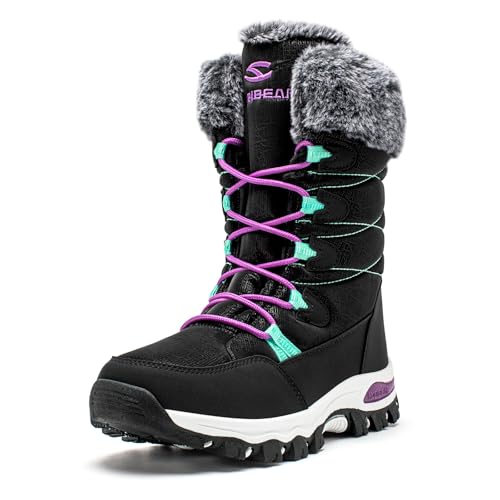
Women with limited closet space or who want boots for everyday errands and commutes should choose lighter mid calf or ankle height boots. HOBIBEAR Women's Waterproof Snow Boots, at around $56, offer seam sealed waterproof bootie construction, a faux fur collar, moisture wicking fleece lining, a cushioned footbed, leather reinforced toe and heel and a pull on design with adjustable laces, according to HOBIBEAR.
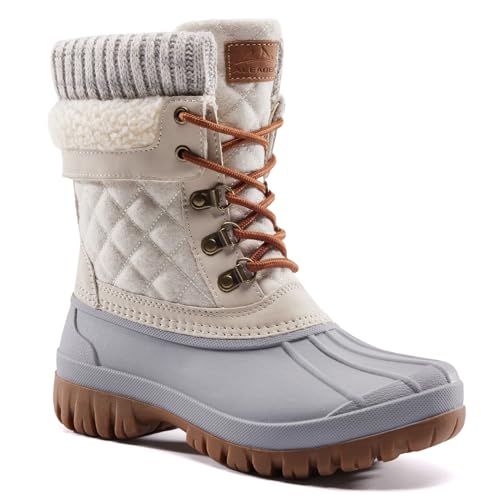
ALEADER Women's Winter Duck Boots, at around $65, fold down for two looks, which also helps with storage. ALEADER lists seam sealed waterproof construction, microfleece lining, insulation for cold down to about minus 15°F and a slip resistant EVA outsole.
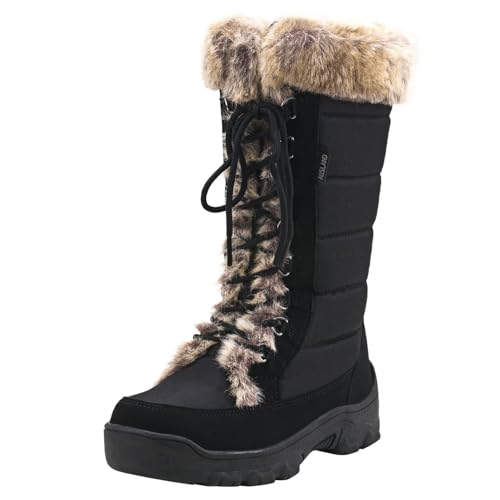
AUSLAND Women's Twin Peaks boots, at around $70, offer a mid calf lace up design with a fur cuff, a windproof textile upper and seam sealed construction, according to AUSLAND. Mid height boots fit in a boot tray by the door and are easier to slip on for quick errands.
Key Features to Compare in the Best Womens Snow Boots
Traction, waterproofing, insulation, fit and cushioning matter most. Here is what to look for.
Think about these features in order of where you live. In wet, slushy cities, waterproofing and traction come first. In very cold, dry regions, insulation and height matter most. For mixed use, balance all four with a comfortable fit.
Outsole Traction and Terrain
Deep, multi directional lugs grip snow, while softer rubber compounds stay flexible in cold and grip ice better. KEEN.RUGGED outsoles and ALEADER's textured EVA outsole are designed for slippery surfaces. For icy sidewalks, consider adding slip on ice cleats for extra grip. Lightweight EVA outsoles feel comfortable for walking but may wear faster than rubber.
Check tread depth before winter starts each year. Worn, shallow lugs lose grip on packed snow, and smooth patches on the heel are a sign it is time to replace the boots or add ice cleats.
What Women Should Look For
Women's snow boots are built on women's lasts, with narrower heels and different arch shapes than men's boots, which improves fit. Look for a waterproof membrane or seam sealed construction, insulation rated for your climate, a warm lining and a closure that seals out snow. Style matters too: many women want boots that look good with jeans and leggings around town, like Sorel's and KEEN's classic designs.
Closures matter more than many shoppers expect. Laces give a secure, adjustable fit for walking, pull on designs are quick for errands and buckle straps, like ALEADER's, let you tighten the collar against snow. A pull tab or loop makes boots easier to put on with gloves.
Fit, Sizing, and Toe Box
Snow boots should leave room to wiggle your toes and fit a pair of warm socks without squeezing. Tight boots restrict circulation, which makes feet colder. Check each brand's sizing advice, since some run small or large, and consider going up a half size if you wear thick socks. A secure heel prevents blisters.
Shop with the socks you plan to wear. If you are between sizes, the larger size usually works better for snow boots, since a little extra room traps warm air. Avoid boots that pinch at the toes or press on the top of your foot.
Cushioning and Support
Cushioned footbeds, like HOBIBEAR's, add comfort for long walks. Removable insoles let you add custom orthotics. Supportive midsoles reduce fatigue on hard, cold ground. Boots with heat reflecting boards, like KEEN's, add warmth from below.
If you have foot pain or wear orthotics, choose boots with removable insoles and a wider toe box so your inserts fit without crowding.
Common Mistakes to Avoid When Buying Snow Boots
The most common mistake is buying boots for looks without checking waterproofing and insulation, which leaves feet wet and cold. Another is choosing boots that fit perfectly with thin socks and then feel tight with winter socks. Some buyers pick tall, heavy boots for city commutes, which feel bulky and hot indoors, while others pick light fashion boots for deep snow. Finally, people overlook traction, which matters most on icy sidewalks.
Another mistake is ignoring the temperature range. Boots marketed for cold down to about minus 15°F, like ALEADER's, or minus 25°F, like KEEN's Greta 2, suit very different winters than lightly lined fashion boots.
How to Make Your Snow Boots Last Longer
Dry boots at room temperature after each use, removing liners if possible, and avoid placing them directly on heaters, which can crack leather and weaken glue. Wipe off road salt with a damp cloth, since salt damages leather and suede. Treat leather boots with waterproofing products as the maker recommends. Store boots clean and dry in a cool place during the off season.
Stuff boots with newspaper to help them dry faster and keep their shape. Rotate between two pairs during heavy snow seasons so each pair dries fully. Reapply waterproofing to leather and suede at the start of each winter.
Frequently Asked Questions
What makes snow boots for women different?
Women's snow boots are built on women's lasts, with narrower heels, different arch shapes and smaller sizes than men's boots. They often offer more style options while still providing waterproofing, insulation and traction.
Women with wider feet or larger calves should check width options and shaft circumference, since some tall boots run narrow at the calf.
Are expensive snow boots worth it?
Expensive snow boots are worth it if you spend lots of time outdoors in cold, snowy weather. Premium boots from brands like KEEN, Sorel and Baffin often use better materials, warmer insulation and more durable construction. For occasional use, budget boots like HOBIBEAR work well.
Midrange boots from brands like Columbia, at around $100 to $130, often strike the best balance for women who wear snow boots several times a week.
How often should I replace my snow boots?
Replace snow boots when they leak, lose insulation, have worn out treads or split seams. Quality boots can last several winters with good care, while budget boots may need replacing sooner with heavy use.
Check boots at the start of each winter for cracks along the sole, peeling seams and flattened insoles. Replacing insoles can extend the life of boots that are otherwise in good shape.
How should snow boots fit?
Snow boots should fit snugly at the heel with room to wiggle your toes while wearing winter socks. Try boots on in the afternoon when feet are slightly larger, and walk around to check comfort.
Your heel should not lift much when you walk, and the boot should not press on your ankle bones or the top of your foot. If you plan to add thick insoles, bring them when trying boots on.
Do I need waterproof snow boots?
Yes, waterproof boots are essential for snow and slush, since wet feet get cold quickly. Look for waterproof membranes, like KEEN.DRY, or seam sealed construction, like HOBIBEAR and ALEADER.
Water resistant boots handle light snow but can soak through in slush or long walks, so true waterproofing is worth it in snowy climates.
Waterproof boots also help on rainy, cold days in late fall and early spring, which adds value beyond snow season.
Can I wear snow boots all day?
Yes, many snow boots are comfortable for all day wear, especially lighter mid height boots with cushioned footbeds. Heavily insulated boots can feel warm indoors, so bring shoes to change into at work.
Moisture wicking linings, like HOBIBEAR's fleece, help keep feet dry and comfortable during long days.
For long days on your feet, lighter boots with cushioned footbeds, like HOBIBEAR's, usually feel better than heavy, stiff boots built for deep snow. Loosen laces slightly when you head indoors to let your feet breathe.
Our Verdict
The best womens snow boots match how you spend winter. KEEN Greta 2 and Revel 4, Sorel Joan of Arctic and Columbia Ice Maiden II suit frequent users, Baffin ICEFIELD and POLAR tall boots suit deep snow and extreme cold and HOBIBEAR and ALEADER boots suit everyday wear on a budget. Prioritize waterproofing, warmth, traction and fit.
Whatever your routine, try boots on with winter socks, walk around indoors and check the return policy before heading out into the snow.
For more winter guides, see the best womens winter boots, the best mens snow boots, the best boot trays for winter and the best rechargeable hand warmers. Then compare current prices in the product table above.