Best Men's Winter Boots: A Buying Guide for Everyday Cold Weather
Disclosure: We may earn a commission when you buy through links on this page, at no extra cost to you. As an Amazon Associate I earn from qualifying purchases. Learn more

Most guys don't need a boot built for a blizzard. They need something warm enough for the walk to the train, dry enough for slushy curbs, and presentable enough to wear straight into a meeting. That's the real challenge behind shopping for the best men's winter boots: finding a pair that handles an ordinary cold-weather day without turning your feet into a soggy, frozen mess by lunchtime. This guide breaks down insulation, waterproofing, style, and fit so you can pick a boot that fits how you actually spend your winter, not just the coldest day on the calendar.
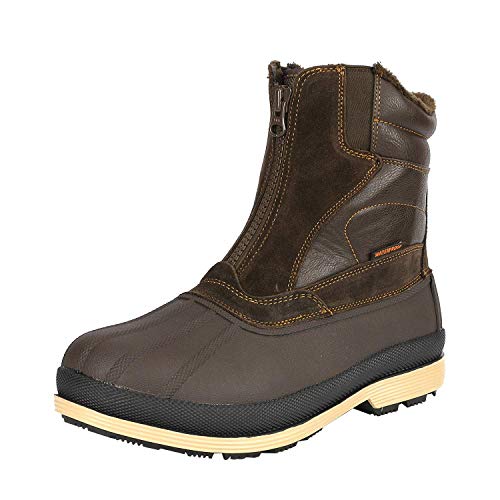
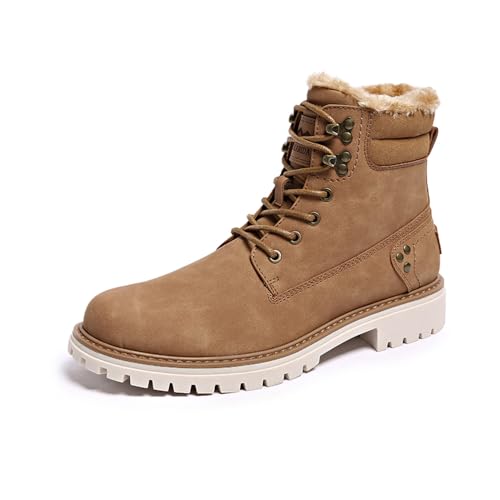
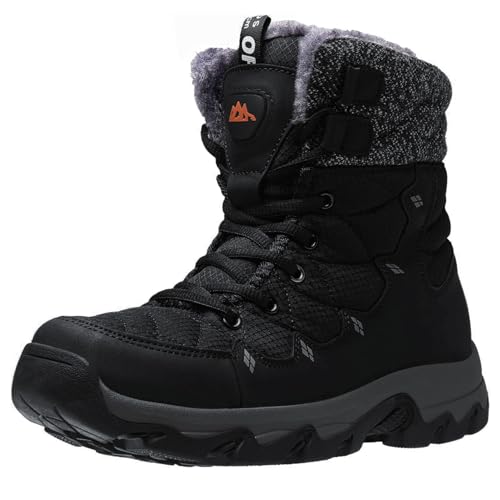

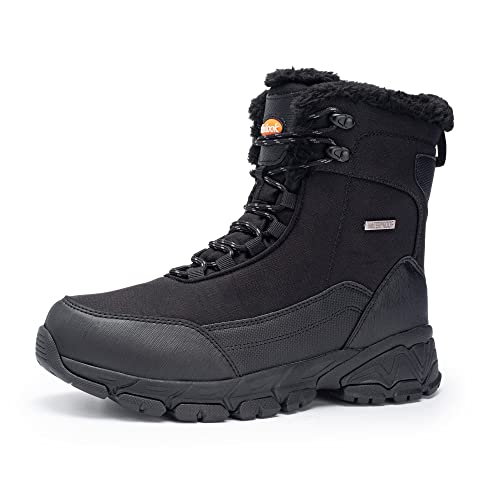
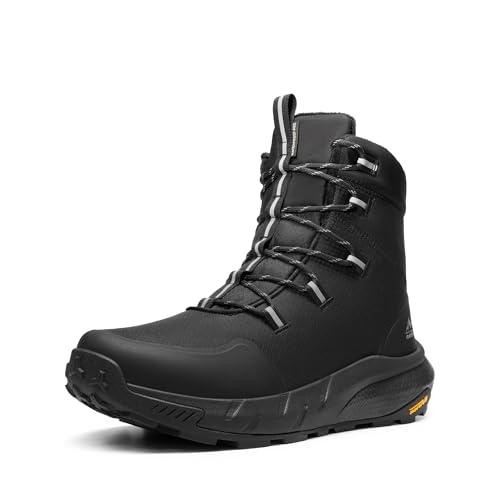
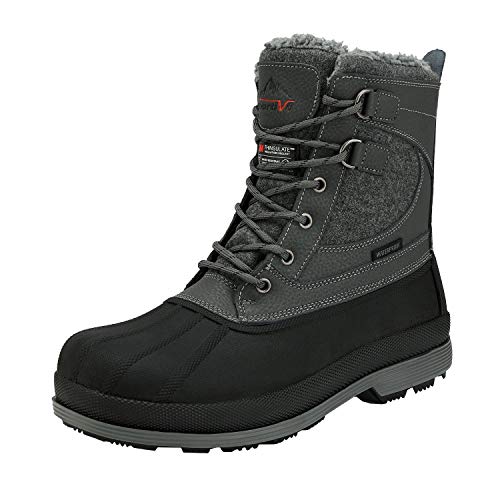
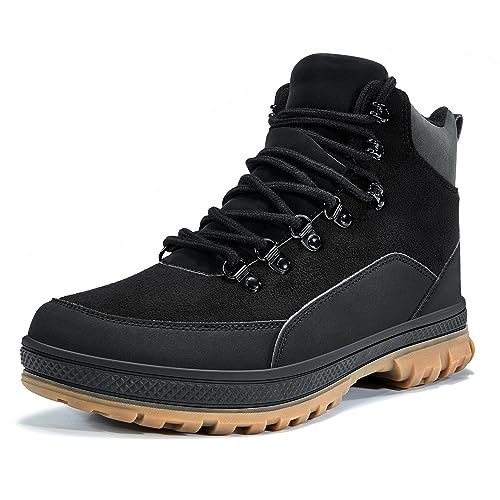
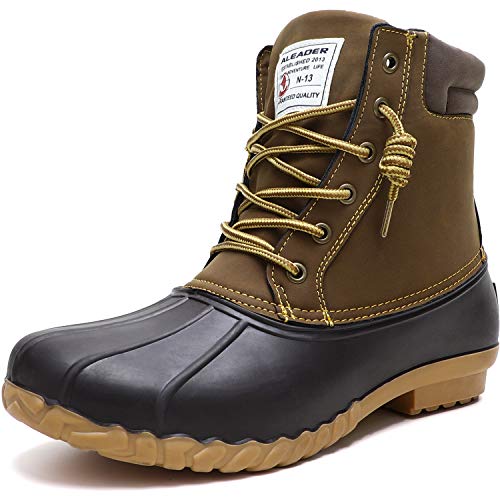
What Makes a Winter Boot Warm Enough for Everyday Cold
Warmth and dryness are two separate jobs, and a boot has to do both well to keep your feet comfortable through a normal winter routine. Insulation keeps heat in, while waterproofing keeps moisture out, and skipping either one undermines the other.
Insulation Ratings and What They Actually Mean
Insulation is usually measured in grams per square meter, and the number tells you how much fill is packed into the boot rather than a guaranteed temperature. For everyday commuting and errands, somewhere around 200 grams is often plenty, since you're moving most of the time and only outside in short bursts. If you're standing at a bus stop or shoveling the driveway for a while, 400 grams gives you a bigger comfort margin. Anything higher starts to feel like overkill unless you're outside for long stretches in serious cold.
Waterproof vs Water-Resistant for Slush and Rain
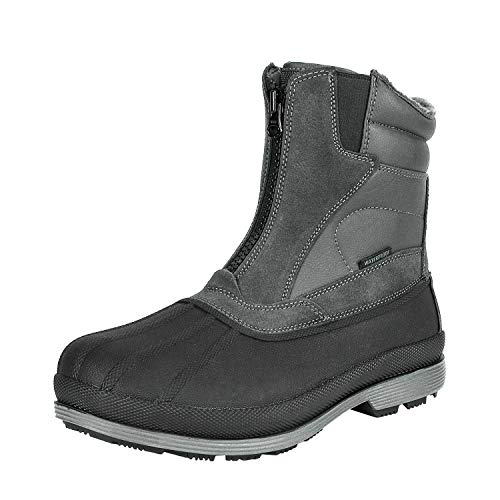
A boot that's water-resistant can handle light drizzle or a quick dash across a wet sidewalk, but it will eventually let moisture through if you're standing in slush at a crosswalk. A truly waterproof boot uses a sealed membrane or a rubber lower panel with taped seams, so it keeps water out even when you're stepping through puddles left by melting snow. Since slush and freezing rain are more common on an average winter day than deep powder, waterproofing matters just as much as insulation for most guys.
Boot Styles That Work From the Sidewalk to the Office
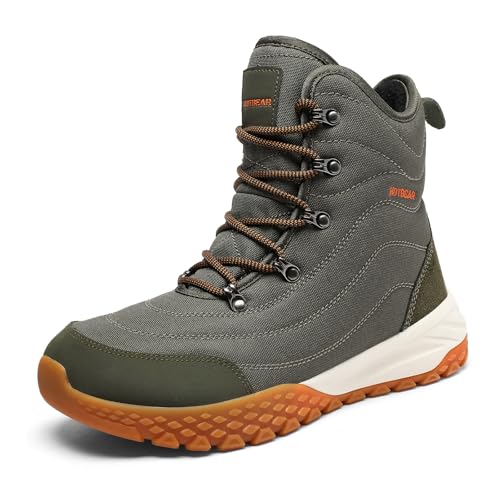
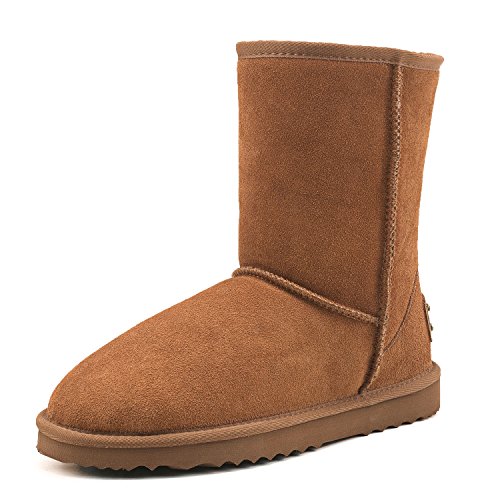
Unlike a dedicated snow boot built purely for performance, a general winter boot often needs to look presentable too. Chelsea and chukka styles have become popular for exactly this reason: they're low-profile enough to wear with dress pants or chinos but can still be built with a warm lining and a weatherproof lower. Lace-up boots trade some of that sleekness for a more secure, adjustable fit, which is worth it if you're walking long distances or standing outside often.
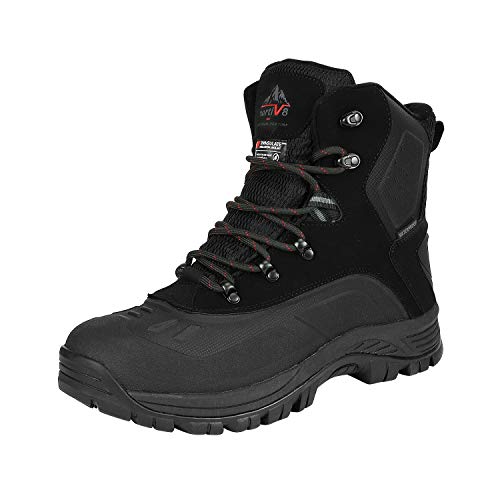
Rugged, heavily lugged boots look great in the outdoors but can feel out of place at a desk job or a dinner out. If most of your winter is spent moving between home, transit, and indoor spaces, a boot with a cleaner shape and a subtler tread pattern will usually serve you better than one built for a trailhead.
Matching Boots to How You Actually Spend Your Winter
Think about where you'll be standing or walking most before you decide how much boot you actually need. Someone who mostly moves between a heated car, an office, and a few shoveled sidewalks has very different needs than someone who's outside for hours in open snow. Matching that routine to the right pair is really what separates the best men's winter boots from ones that just look the part sitting in a store display.
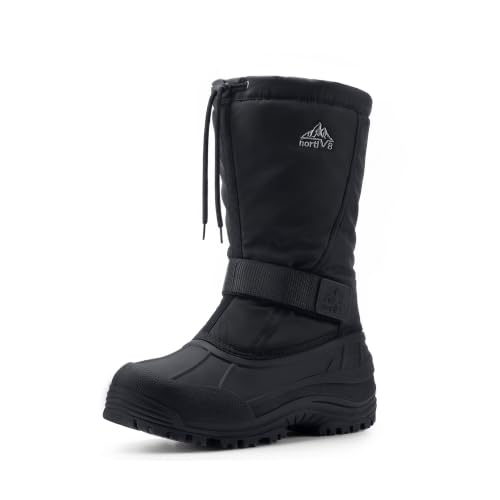
For commuting, running errands, and general winter wear, a mid-weight insulated boot with solid waterproofing covers nearly everything you'll encounter, from icy parking lots to a sudden downpour. You don't need aggressive traction lugs or a tall shaft if you're rarely walking through unshoveled snow. If your winters do involve serious accumulation, deep drifts, or regular time spent on ice and packed snow, that's a different set of priorities built around traction and coverage, and it's worth checking a guide focused specifically on best mens snow boots instead.
Getting the Fit Right for Thick Socks
Winter boots are almost always worn with heavier socks than the rest of the year, and that changes how sizing should work. A boot that fits snugly with a thin dress sock can feel uncomfortably tight once you swap in a wool or thermal sock, and a cramped fit actually makes your feet colder by restricting circulation.
When trying boots on, bring the socks you actually plan to wear with them rather than guessing at half a size up. Leave a little room at the toe so you can wiggle your toes freely, since that movement helps keep blood flowing during long stretches outside. A proper break-in period also matters, especially for leather boots, so don't judge comfort purely on the first short walk around a store.
Mistakes That Leave You Cold, Wet, or Uncomfortable
The most common mistake is assuming any boot labeled for winter is automatically waterproof. Plenty of cold-weather boots are built to be warm on dry pavement but aren't sealed well enough for slush or standing water, which defeats the purpose the first wet day you wear them.
Another frequent issue is over-buying insulation. A boot rated for extreme cold can feel uncomfortably hot if you're mostly indoors or moving briskly between short outdoor stretches, and sweaty feet get cold just as fast as wet ones once you slow down. Match the insulation level to how much time you'll genuinely spend outside, not to the lowest temperature you might see all season.
Finally, don't ignore the outsole just because you're not chasing an aggressive tread. A completely smooth or worn sole will still slide on icy pavement, even on a boot that otherwise looks warm and well-made. Some grip is worth having no matter how casual the boot looks.
Frequently Asked Questions
What insulation rating do men's winter boots need for daily wear?
For most everyday use, around 200 grams of insulation is enough, since you're moving frequently and only outside for short periods. If you stand outside regularly, stepping up to 400 grams adds a useful comfort margin.
What's the difference between waterproof and water-resistant winter boots?
Water-resistant boots repel light moisture for a while but will eventually soak through in slush or standing water. Waterproof boots use a sealed membrane or bonded rubber lower that keeps water out even during sustained exposure.
Can I wear winter boots to the office?
Yes, as long as you choose a style built for it. Chelsea and chukka silhouettes, along with cleaner lace-up designs, look presentable enough for most workplaces while still offering real insulation and waterproofing.
Should winter boots run bigger to fit thick socks?
Often yes, but it depends on the brand and last. Try boots on with the actual winter socks you plan to wear rather than relying on your usual shoe size, since thin in-store socks can make a boot feel roomier than it really is.
How warm do winter boots need to be if I'm not dealing with deep snow?
Moderate insulation, generally in the 200 to 400 gram range, covers most commuting and everyday cold-weather situations. Heavier insulation is really only necessary if you're standing still outdoors for extended periods.
Do leather winter boots need extra waterproofing treatment?
Many do, even if they're labeled water-resistant from the factory. A waterproofing spray or wax treatment applied periodically through the season helps maintain that protection as the leather flexes and wears.
How long should a good pair of men's winter boots last?
With reasonable care, a well-built pair can last several winters before insulation or waterproofing starts to break down. Rotating boots so they fully dry between wears and reapplying waterproofing treatment each season both help extend that lifespan.
Finding the Right Balance for Your Winter
The best men's winter boots for you aren't necessarily the warmest or the most rugged pair on the shelf. They're the ones that match how you actually move through a cold-weather day. Get the insulation and waterproofing right for your routine, pick a style you'll actually want to wear, and fit them with real winter socks in mind, and the rest comes down to personal taste.