Best Head Gasket Sealers: Everything to Know Before Your First Purchase
Disclosure: We may earn a commission when you buy through links on this page, at no extra cost to you. As an Amazon Associate I earn from qualifying purchases. Learn more

The best head gasket sealers explained for first time buyers: sealer types, leak size, compatibility and safety.
A blown head gasket can turn a reliable car into a steaming, overheating headache, and a professional head gasket replacement often runs into four figures because the engine has to be partly taken apart. Head gasket sealers offer a do it yourself alternative: you pour a liquid into the cooling system, and it flows to the leak and hardens to seal it. They can save a car with a small leak, but they are not magic, and choosing the right type for the problem matters. This guide to the best head gasket sealers is written for first time buyers, explaining the terms in plain English, comparing options and helping you avoid rookie mistakes.
We cover the basics, the key specs, rookie mistakes, setup and first use and answers to common questions. Every product in the table above is sold new on Amazon US. Never open a radiator or coolant reservoir cap on a hot engine, since pressurized coolant can cause severe burns. Coolant is toxic to people and pets, so clean spills right away, and have a mechanic diagnose the problem if you are unsure, since overheating can quickly cause serious engine damage.




Head Gasket Sealers 101: The Basics
The head gasket seals the joint between the engine block and the cylinder head, keeping combustion gases, coolant and oil in their separate passages. When it fails, coolant can leak externally, burn in the cylinders, mix with oil or let exhaust gases into the cooling system. Common symptoms include overheating, white exhaust smoke with a sweet smell, bubbles in the coolant reservoir, milky oil and unexplained coolant loss.
Head gasket sealers are additives you pour into the radiator or coolant reservoir. As the engine runs, the sealer travels with the coolant to the leak, where heat and pressure cause it to harden and plug the gap. Most use sodium silicate, often called liquid glass, sometimes combined with fibers, ceramic particles or other sealing materials.
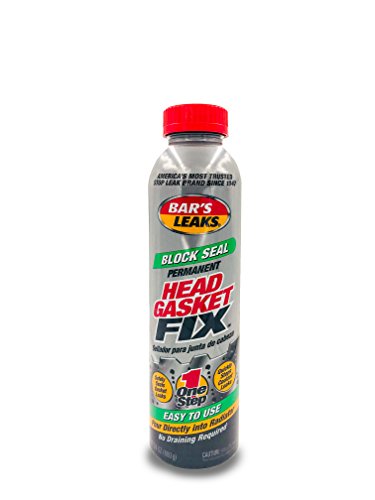
Sealers work best on small to moderate leaks in engines that still run without severe overheating. Bar's Leaks says a vehicle is a good candidate for its Block Seal if it can idle for 20 minutes without overheating or needing coolant.
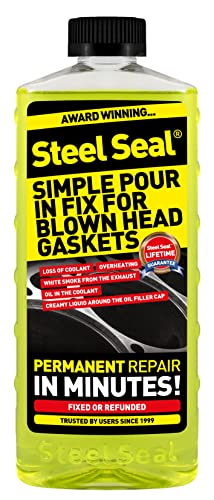
Prices range from around $13 for basic radiator stop leak to around $23 to $65 for most head gasket sealers and around $100 or more for engine specific kits like Steel Seal. Even the priciest sealers cost a small fraction of a professional head gasket job, which is why many owners try one first on older cars.
Key Specs Explained in Plain English
The key specs are sealing technology, leak type and size, coolant and engine compatibility, application method and safety limits. Here is what each means.
The best head gasket sealers for your car depend on the leak, the engine and how much time and effort you can spend. Comparing these specs helps you avoid buying a product that cannot handle your problem.
Sealing Technology
Sodium silicate formulas harden under combustion heat. Bar's Leaks Block Seal combines antifreeze compatible sodium silicate liquid with gasket sealing particles and says combustion heat, around 5,000°F, hardens the material.
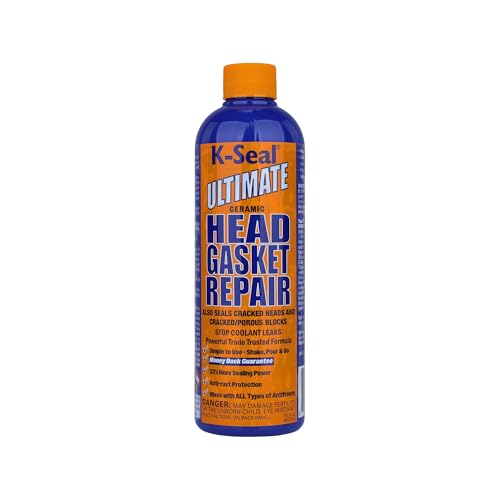
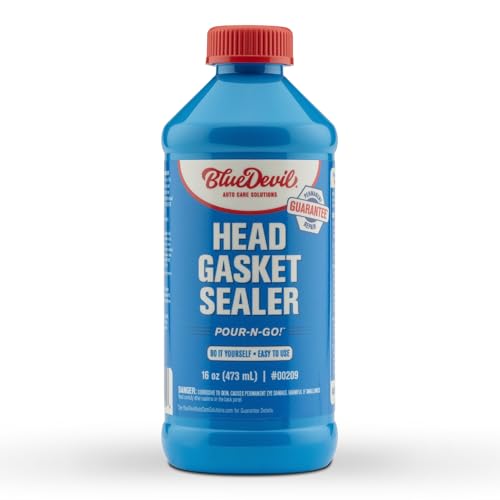
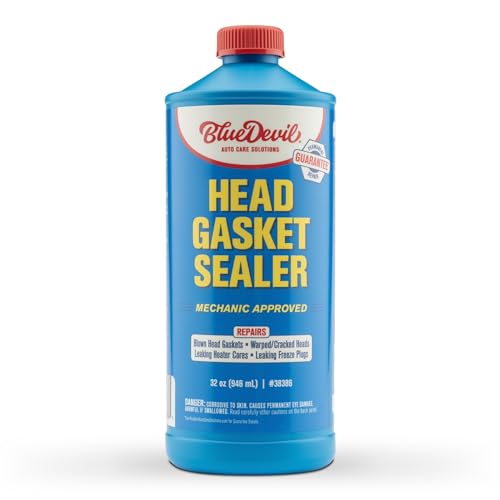
Fiber reinforced formulas, like K&W FiberLock, use military strength fibers to build a web like repair over cracks, according to K&W. Ceramic formulas, like K-Seal ST3501 and Green Demon, use ceramic micro fibers or particles to form a mesh. BlueDevil says its formula contains no solid or particulate matter and bonds to metal, aluminum, cast iron, alloy and plastic.
Bar's Leaks says the hardened material becomes stronger than the original head gasket, and K&W notes FiberLock's formula can help lower operating temperature as it circulates. Each approach aims to fill the gap and withstand engine heat and pressure.
No single technology works best for every leak, which is why some mechanics keep more than one type on hand.
Leak Type and Size
Match the product to the leak. K-Seal says its formula seals leaks up to 0.64mm in blown head gaskets, cracked heads and porous engine blocks.
K&W says FiberLock seals larger holes with less fluid loss. Green Demon lists coolant to cylinder, cylinder to coolant and coolant to oil leaks, plus warped or cracked heads, radiators, heater cores and freeze plugs. Simple radiator or hose seepage may only need a radiator stop leak, like Prestone Stop Leak or Bar's Leaks Radiator Stop Leak.
A simple way to gauge a leak: if you lose a little coolant over weeks with no milky oil or heavy white smoke, a sealer has a better chance. Rapid coolant loss, constant overheating or oil in the coolant suggest a larger failure that may need a mechanic.
External leaks you can see, like drips from a hose clamp or radiator seam, are often better fixed with a new part or a radiator stop leak. Liqui Moly Radiator Stop Leak, at around $12, and Bar's Leaks Cooling System Radiator Stop Leak, at around $9, target small radiator and heater core leaks rather than head gaskets.
Coolant and Engine Compatibility
Check compatibility with your coolant and engine. Bar's Leaks lists all traditional and extended life coolants, including silicate and OAT and HOAT types.
K-Seal says it works with all coolant types. BlueDevil lists gasoline and diesel engines. Steel Seal sells versions sized for 4, 6 and 8 cylinder engines.
Check your owner's manual for the coolant type before adding any product, and top up with the same coolant afterward. Mixing incompatible coolants can cause sludge.
Diesel engines, trucks and heavy equipment may need larger doses; K-Seal says its formula is compatible with heavy duty machinery, and Steel Seal sells larger versions for 6 and 8 cylinder engines.
Aluminum heads and blocks are common in modern engines, so check that the sealer lists aluminum compatibility, as BlueDevil does.
Application Method and Draining
Pour and go formulas, like K-Seal, BlueDevil Pour-N-Go and Green Demon, go straight into the cooling system without draining. K&W says FiberLock works without draining and repairs leaks in 30 minutes or less. Some formulas, like BlueDevil's quart size Head Gasket Sealer, may call for flushing the cooling system first for best results; follow the label exactly.
Some products recommend removing the thermostat during treatment so the sealer circulates fully, while others work with it in place. Read every step before you start, and allow enough time to idle or drive as directed.
Green Demon says no flushing or draining is needed and that its ceramic particles combine to create a mesh that cures over leaks. BlueDevil's 16 ounce Pour-N-Go version suits smaller cooling systems, while the quart size suits larger engines.
Safety Limits and Permanence
Most brands market their sealers as permanent, but results depend on leak size and engine condition. Sealers cannot fix severely warped heads, large cracks or engines that overheat within minutes. K-Seal notes that bubbles from the radiator or reservoir may signal an over pressurized system that the product may not seal. Treat a sealer as a repair attempt, not a guarantee.
Keep sealers away from skin and eyes, wear gloves and store bottles out of reach of children and pets. Dispose of drained coolant at an auto parts store or recycling center rather than pouring it on the ground.
If the car is your daily driver or used for long trips, plan for a proper repair even after a successful seal, and keep an eye on the temperature gauge.
Rookie Mistakes to Avoid
The most common mistake is using a sealer without confirming the problem is a head gasket leak; a bad radiator cap, thermostat, water pump or hose can cause similar symptoms. Another is pouring sealer into a hot system or opening the cap while hot.
Many people skip instructions about draining, flushing or engine run time, which reduces success. Mixing different sealers can cause clogs. Finally, continuing to drive a badly overheating engine while waiting for a sealer to work can warp the head and destroy the engine.
Some first timers also expect instant results. Many sealers need the engine to reach full operating temperature, sometimes over several drive cycles, before the repair cures. Check coolant levels daily for the first week after treatment.
Another mistake is ignoring the oil. If coolant has mixed into the oil, change the oil and filter after sealing, since contaminated oil can damage bearings.
Getting Started: Setup and First Use
Park on level ground and let the engine cool completely. Check coolant level and look for external leaks. Read the product instructions carefully, since steps vary.
Shake the bottle well, then pour the sealer into the radiator or reservoir as directed. Top up with coolant if needed, replace the cap and run the engine for the recommended time, often with the heater on high to circulate coolant through the heater core. Monitor the temperature gauge, and shut off the engine if it overheats.
Before adding a sealer, consider a cooling system pressure check or a combustion leak check at a parts store or shop, which can confirm a head gasket problem. After treatment, let the engine cool, check the coolant level again and top up as needed.
Keep a jug of the correct coolant in the trunk for a few weeks after treatment in case levels drop.
FAQs
Do head gasket sealers really work?
Head gasket sealers can work on small to moderate leaks, especially when the engine still runs without severe overheating. They are less effective on large cracks, badly warped heads or engines with major internal damage.
Success rates are higher when you act early, before repeated overheating warps the head or damages the engine further.
They are often used to keep an older car running until the owner can afford a proper repair or replacement.
How long does a head gasket sealer repair last?
Many repairs last months or years, and brands like BlueDevil, K-Seal and Green Demon market permanent seals. Results vary with leak size, engine condition and how well instructions are followed.
Keeping the cooling system healthy with the right coolant and a working radiator cap and thermostat helps any repair last longer.
Gentle driving for the first few days helps the seal cure fully.
Can head gasket sealer damage my engine?
When used as directed, quality sealers are designed not to clog cooling systems. BlueDevil says its formula contains no solid particles. Overdosing, mixing products or using sealer in a dirty system can cause clogs, so follow the label.
If your cooling system is old or dirty, a flush before treatment can reduce the risk of clogs in narrow passages like heater cores.
Never add a second sealer on top of the first without flushing, since different chemistries can react and clog passages.
What specs matter most for a home repair?
Leak type, the maximum leak size the product seals, coolant compatibility and whether draining is required matter most. Choose a product that matches your engine and symptoms.
Ease of use matters too. Pour and go products suit beginners, while products that require flushing or thermostat removal suit people comfortable with basic car maintenance.
Price matters least compared with fit.
The Bottom Line
The best head gasket sealers can save a car with a small leak and buy time before a costly repair. K-Seal ST3501 offers easy pour and go ceramic sealing, BlueDevil bonds without solid particles, Bar's Leaks Block Seal and K&W FiberLock handle tougher leaks and Green Demon covers a wide range of cooling system leaks. Diagnose first, follow the label and stop driving if the engine overheats.
If symptoms return after treatment, take the car to a mechanic before further damage occurs.
For more car care guides, see the best car batteries, the best car upholstery cleaners, the best car ramps to change oil and the best portable car jack. Then compare current prices in the product table above.