Best Car Ramps to Change Oil at Home: A Buying Guide for Low-Clearance Cars
Disclosure: We may earn a commission when you buy through links on this page, at no extra cost to you. As an Amazon Associate we earn from qualifying purchases. Learn more
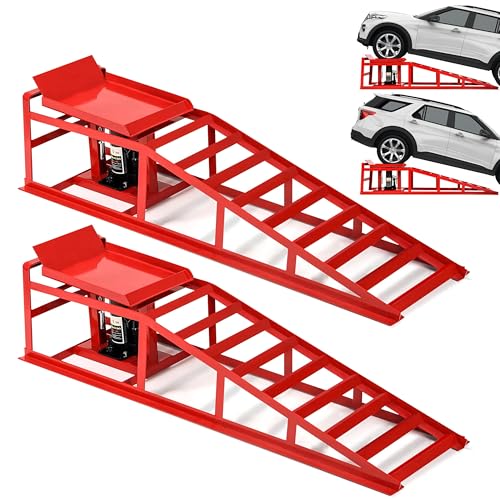
Sliding under a low sedan for a quick oil change sounds simple until the ramps meant for a truck leave the front bumper scraping the driveway. Standard ramps are often too steep or too short for a car that sits close to the ground, and using the wrong pair turns a fifteen-minute job into a frustrating one. The best car ramps to change oil at home are built around a gentler climb, more length, and just enough lift to reach the drain plug and filter without risking the undercarriage. This guide breaks down the angle, size, and safety details that matter most when the vehicle going up the ramps is a sedan, hatchback, or other low-clearance daily driver, not a full-size truck.


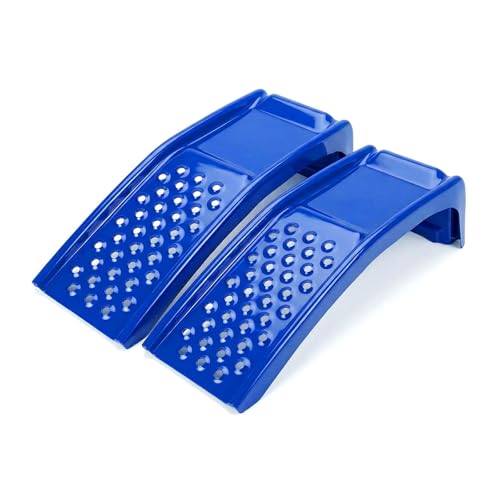
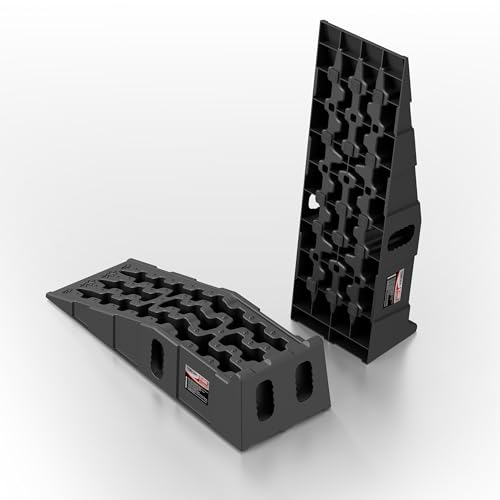
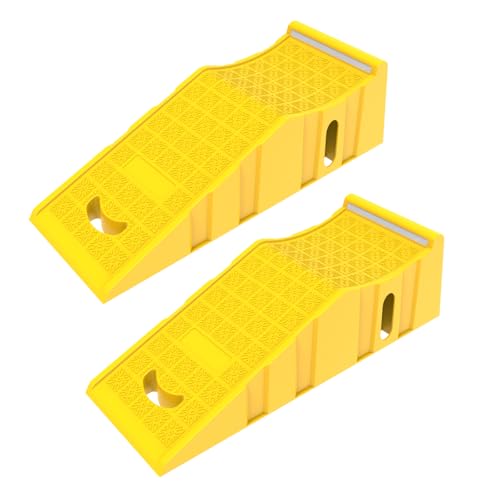
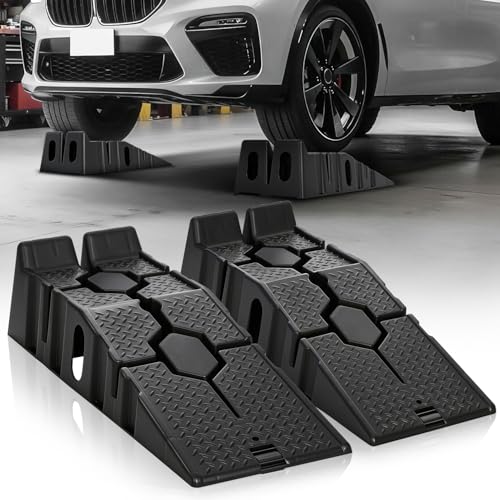
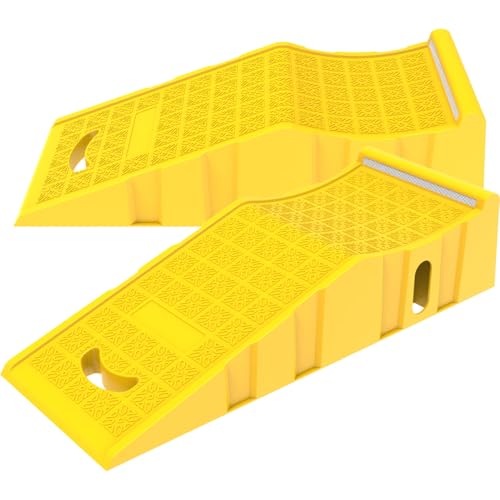
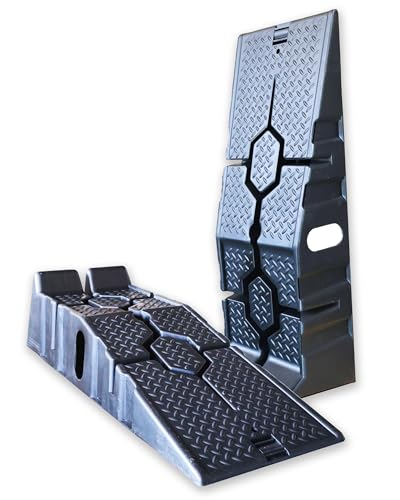
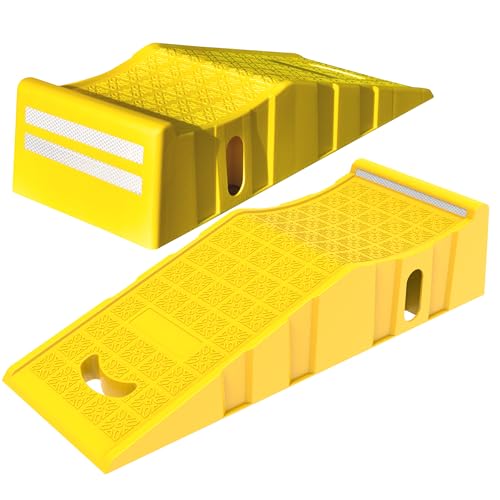

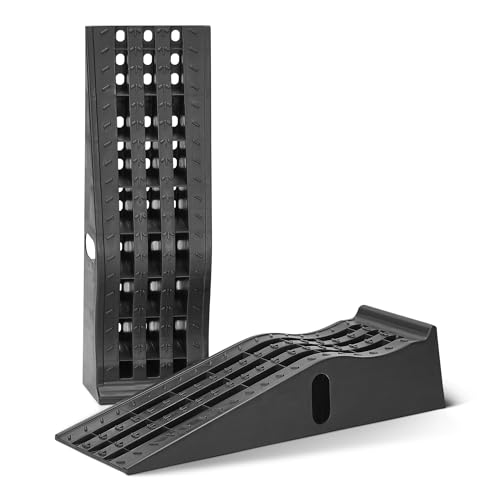
Approach Angle and Ground Clearance for Low-Profile Cars
The approach angle of the ramp is the single biggest factor separating a good set of oil-change ramps from one that scrapes your front bumper. A standard sedan with 5 to 6 inches of ground clearance generally needs an approach angle under 12 to 15 degrees, while a lowered car or one with a front splitter often does better closer to 7 to 9 degrees. Trucks and SUVs sit higher off the ground to begin with, so car ramps for trucks and SUVs are usually steeper and shorter, which is exactly what causes the scraping problem when someone tries to use them on a passenger car instead.
A gentler angle means a longer ramp, since the same lift height has to be spread over more distance to keep the climb gradual. That extra length takes up more garage floor space, so measure where the ramps will sit before you buy. If your car has any front-end modifications or sits noticeably lower than stock, look for ramps that specifically list a low approach angle rather than assuming a general-purpose ramp will clear your bumper.
Ramp Length, Width, and Fit for Sedans and Daily Drivers
Length and width matter just as much as angle once you are driving a sedan onto the ramps rather than a wider truck tire. A ramp that is too narrow forces you to line up the tire perfectly every time, and one slip off the edge can drop the wheel hard enough to damage the ramp or the car. As a rule of thumb, the ramp surface should be at least 2 inches wider than your widest tire so there is margin for error even if you do not pull in dead straight.
Most passenger cars use tires in a fairly narrow width range compared to trucks, so you do not need the oversized decks built for dual-rear-wheel trucks or large SUVs. What you do want is enough overall length to keep the climb smooth, since a short ramp forces a steeper angle to reach the same lift height. Check the specs against your car's wheelbase and tire size rather than assuming any ramp labeled for cars will automatically fit.
How Much Lift You Actually Need to Reach the Drain Plug and Filter
Choosing the best car ramps to change oil comes down to lift height that is actually useful, not just the biggest number on a spec sheet. For most sedans and daily drivers, 5 to 7 inches of lift is enough to slide a drain pan underneath and reach the oil filter without lying flat on the ground. Going higher does not necessarily make the job easier and adds more climb distance, which usually means a longer, bulkier ramp to store.
If your filter sits toward the back of the engine bay or your car has a low front skid plate, a few extra inches of lift can make a real difference in how much you can see and reach. On the other hand, if you are mainly draining oil from an easily accessible pan, a modest lift height paired with a gentle angle is usually more comfortable to work under than a tall ramp with a steep approach.
Setting Up Safely When You're Working Underneath the Car
Ramps only work as safely as the surface and setup behind them. Always place them on a flat, level concrete surface, never on gravel, grass, or an uneven driveway, since even a slight tilt can let the vehicle shift while you are underneath it. Line both ramps up evenly with the tires before you start driving forward, and go slowly enough to stop the moment the tires reach the top stop.
Once the car is up, take a few extra steps before sliding under it:
- Shift into park, or first gear for a manual, and set the parking brake
- Wheel chocks behind the rear tires keep the car from rolling backward
- Consider a set of jack stands as a backup if you will be under the car for a while
If your car sits especially low, a low profile floor jack can help with fine positioning before you commit to the ramps, and a portable car jack is worth keeping around as a backup for tasks the ramps cannot cover. None of these tools replace the ramps themselves, but having a jack on hand adds a layer of safety for anything beyond a quick oil change.
Material and Tread That Hold Up on a Garage Floor
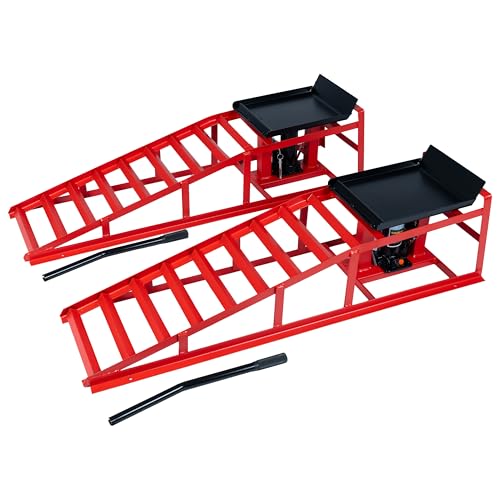
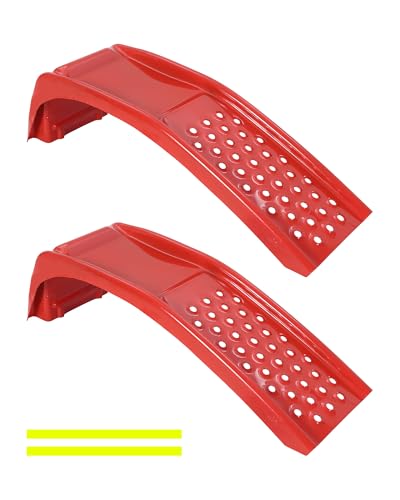
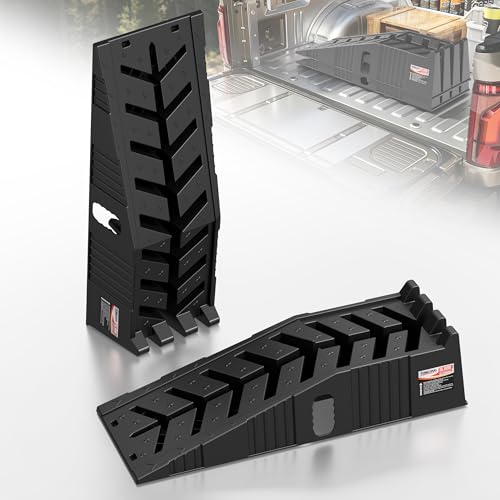
Car ramps are typically made from molded plastic, reinforced rubber, or steel, and each holds up differently over repeated use in a home garage. Plastic ramps are the lightest and easiest to store, which matters if you are tucking them under a shelf between oil changes, but they can crack in very cold weather or under a heavier vehicle than they are rated for. Steel ramps are more durable and rarely crack, though they weigh more and can be noisier to drive onto.
Whatever material you choose, check the tread pattern on the deck. Deep grooves channel away oil drips, rain, and dust so the surface stays grippy instead of slick, which matters more than people expect once a garage floor gets a little messy from the oil change itself. A textured, non-slip surface on both the ramp and the base plate helps keep everything in place while the tires climb.
Frequently Asked Questions
Can you use car ramps for an oil change?
Yes. Ramps are one of the most common tools for home oil changes because they lift the front of the car high enough to reach the drain plug and filter while supporting the full weight of the vehicle across a wide, stable surface.
What angle should car ramps be for a low car?
Most low-clearance cars do best with an approach angle under 12 degrees, and heavily lowered cars often need something closer to 7 to 9 degrees to avoid scraping the front bumper or splitter.
Are car ramps safer than a jack for an oil change?
For a straightforward oil change, ramps are generally considered easier and more stable for beginners since the car rests on a flat surface rather than a single lift point. A jack still has its place for tasks like rotating tires or working near the brakes.
Do you still need wheel chocks if you're using ramps?
Yes. Wheel chocks behind the rear tires, combined with the parking brake, prevent the car from rolling backward off the ramps while you are working underneath it.
How long should car ramps be for a smooth drive-up?
Longer ramps generally mean a gentler climb for the same amount of lift, which is why low-profile ramps built for cars tend to be longer than the shorter, steeper ramps made for trucks.
What's the best material for car ramps, plastic or rubber?
Plastic ramps are lighter and easier to store, while reinforced rubber or composite ramps tend to handle temperature swings and heavier repeated use better. Either works well as long as the weight rating matches your vehicle.
How much weight capacity do I need for car ramps?
Check your vehicle's curb weight in the owner's manual, then choose ramps rated well above that number, since most of a car's weight shifts toward the front axle as it climbs.
Choosing Ramps That Match Your Car, Not Just Any Vehicle
Finding the best car ramps to change oil comes down to matching the angle, length, and lift height to how low your car actually sits, not just picking whatever set is labeled for cars in general. A sedan or daily driver with a gentle approach angle and enough length to avoid scraping will make routine maintenance far less stressful than a generic ramp built with a taller vehicle in mind. Take a few minutes to measure your car's clearance and tire width before you buy, and the ramps you end up with should handle years of oil changes without drama.