Best Air Compressors for Tires: Portable, Pancake and Large Tank Types
Disclosure: We may earn a commission when you buy through links on this page, at no extra cost to you. As an Amazon Associate I earn from qualifying purchases. Learn more

The best air compressor for tires stops at your preset pressure and fits your storage space. Compare portable, pancake and large tank types.
A soft tire rarely fails at a convenient moment. It shows up before a commute, on a road trip, or when a trailer has sat unused for months. Choosing the best air compressor for tires comes down to how fast it fills, how accurately it stops at the pressure you set, and how easily it reaches every valve on your vehicle. The comparison table below lays out the main types side by side so you can match one to your car, truck, or garage routine.
Tire filling is a light job compared with running air tools, so raw tank size matters less than most listings suggest. Pressure range, airflow at working pressure, duty cycle, and gauge accuracy decide how pleasant the job feels in practice.

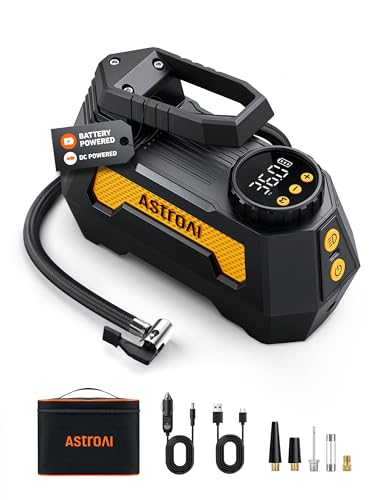
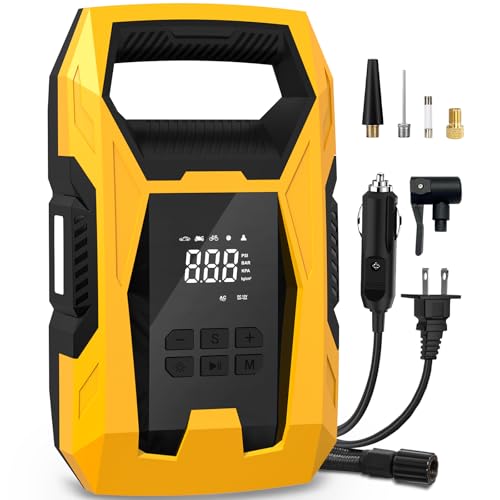
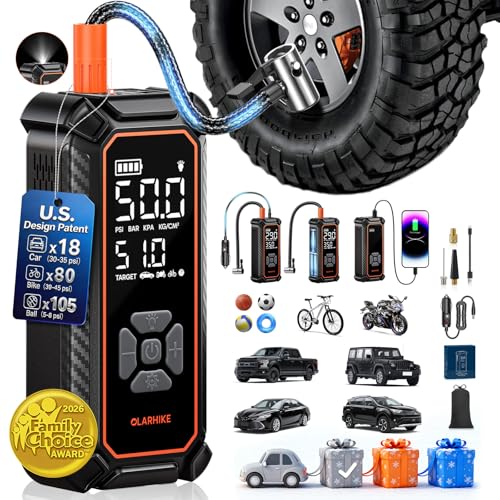
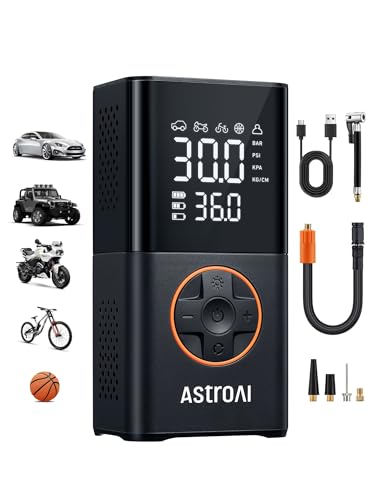

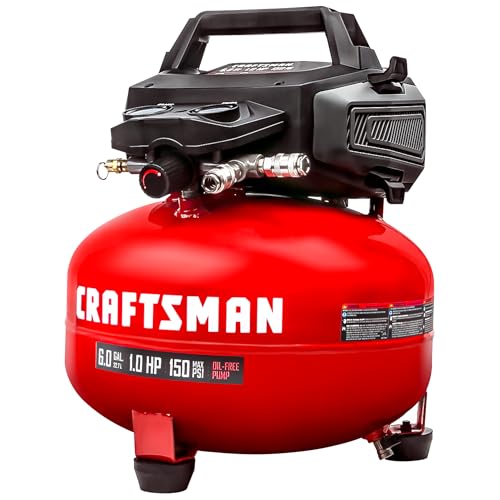
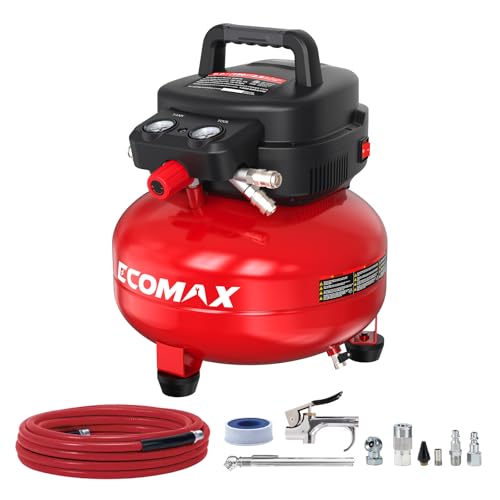
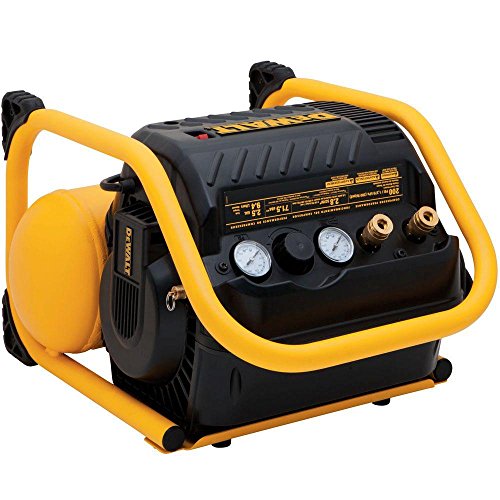
Tire Compressor Types at a Glance
Small portable inflators plug into a 12 volt socket or run on a battery, store in a trunk, and handle car tires well, but they fill slowly and need rest breaks. Pancake tank compressors fill faster, suit a garage, and also run small tools. Larger tank models suit trucks, trailers, and several vehicles in a row. Your first decision is where the compressor will live and how many tires it must fill in one session.
Three Compressor Types Compared for Tire Work
Portable Inflators for Keeping in the Vehicle
A portable inflator is the type most drivers should own. It takes little space, weighs only a few pounds, and tops off a car tire that has lost a few pounds of pressure through a season change or a slow leak you are monitoring. Look for a preset shutoff so the unit stops at your target instead of forcing you to watch the gauge the whole time. The trade off is speed, because a large truck tire can take long enough that the motor needs a cooling pause partway through.
Pancake Tank Compressors for the Garage
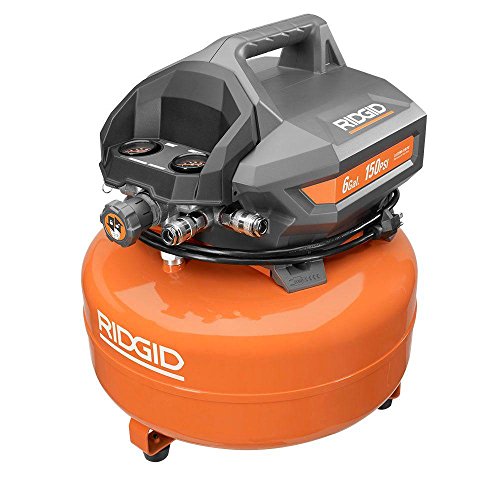
A pancake model stores air in a flat round tank, usually around 6 gallon, and that stored air is what makes tire work feel quick. The first bursts come from the tank, so topping off four tires takes minutes rather than a long wait at each wheel. This type also handles bicycle tires, sports gear, and light cleaning with a blow gun. If you are comparing shapes, our guide to the best pancake air compressor explains where this form factor shines and where it feels bulky.
Larger Tank Compressors for Trucks and Trailers
A tank of about 20 to 30 gallon suits a household with a truck, a trailer, and maybe farm or work vehicles that need higher pressures. Trailer tires often call for 50 to 80 PSI, well above the 30 to 35 PSI typical of a car tire, and a bigger tank delivers that pressure without the motor cycling constantly. The cost is space, weight, and noise, and wheels become almost essential. Choose this type only when your vehicle mix truly demands it, because oversizing buys you little for ordinary car tires.
How We Chose the Best Air Compressors for Tires
We compared types on power and performance at real tire pressures, battery platform and runtime for cordless models, ergonomics and weight, durability, and warranty cover. Tire filling rewards steady airflow between 30 and 80 PSI rather than a headline maximum pressure, so we weighted working airflow and duty cycle more heavily than peak numbers. We also favored readable gauges and chucks that seal without leaking.
How to Choose the Right Air Compressor for Tires
Size and Form Factor
Match tank size to session length rather than to ambition. A 1 or 2 gallon tank already smooths out filling for one car, a 6 gallon pancake covers a family fleet in one outing, and tanks of 20 gallon or more earn their floor space only with trailers or frequent use. Physical shape matters too, because a low flat tank stores under a bench while a tall vertical tank fits a narrow corner. Measure your storage spot before ordering.
Type
Beyond the three types above, you will see hot dog tanks, twin stack tanks, quiet models, and oil free pumps that need no oil changes. Hot dog and twin stack shapes change storage and portability more than filling ability, and our explainer on pancake vs hot dog compressor shapes can help if you are torn between them. Quiet models use slower pumps and extra insulation to cut noise, which matters in an attached garage or an apartment car park. Pick the type around your space and noise limits first.
Features Worth Paying For
Three features genuinely help with tires. A preset automatic shutoff prevents overfilling when you step away. A backlit digital gauge stays readable in a dark trunk or an evening driveway. A longer hose, around 10 to 25 feet on tank models, lets the unit sit still while you walk around the vehicle. A dual chuck or a locking chuck also helps on dual rear wheels and deep valve recesses. Storage for the hose and cord on the unit itself keeps the kit together between uses.
Cordless vs Corded or Gas
Cordless inflators free you from parking close to an outlet and are ideal for a quick top off anywhere, while corded tank models run as long as you need with no battery to manage. Gas powered compressors exist for remote work sites, but they are loud, need fuel and exhaust care, and make little sense for home tire work. If battery freedom appeals to you, see our roundup of the best cordless air compressor options for how the format compares across brands.
Battery Platform
For a cordless model, the battery platform is a commitment. A battery you already own for other tools usually makes a bare inflator the cheapest route, and a larger capacity pack extends runtime for bigger tires. Runtime ratings based on small car tires flatter every model, so expect fewer fills per charge on truck tires that hold far more air. Keeping a second charged pack on hand turns a flat spare at the roadside from a worry into a routine job.
Brushless Motors
Some cordless inflators use brushless motors, which drop the wearing brushes found in basic motors. In practice that means cooler running during a long fill, a little more runtime from the same battery, and one less wear part to fail over the years. The benefit shows up most when you fill several large tires in a row. For a small inflator used a few times a year, a brushed motor is perfectly adequate and usually costs less.
Accessories and Warranty
The accessory that matters most is the chuck, so check that it clamps or threads onto a standard tire valve securely. Extra nozzles for balls and pool inflatables are harmless bonuses, but they should not sway your choice. A coiled hose that reaches the far side of your vehicle saves real frustration. On warranty, one to three years is typical, and a brand with reachable support and available replacement hoses matters more than a long paper promise.
How Much Should You Spend?
A budget of under $100 buys a capable portable inflator or a small tank model for one car. About $100 to $200 covers most 6 gallon pancake compressors and stronger cordless inflators. About $200 to $400 brings quieter pumps, larger tanks, and better duty cycles for trailers and trucks. Above that, you are paying for workshop capacity that tire work alone rarely needs. Spend first on gauge accuracy and duty cycle, since those two shape every single use.
What Matters Most in an Air Compressor for Tires
Accuracy matters more than speed for safety and tire life. A gauge that reads 2 or 3 PSI off can leave a tire soft enough to wear its edges early or firm enough to shrink the contact patch. Check pressures when the tires are cold, before driving, and follow the pressure on the vehicle placard in the door jamb rather than the maximum printed on the tire sidewall. Recheck a tire that keeps losing air, because repeated loss points to a nail, a leaking valve, or rim damage.
Stop and get professional help if you find a bulge in the sidewall, cuts that show cord, or a tire that will not hold pressure long enough to drive on. Inflating a damaged tire does not repair it, and a sidewall failure under pressure can injure you. A compressor also cannot fix a flat caused by a bent wheel. Used within its limits, though, it keeps pressures where the vehicle maker intended, which supports even tread wear, predictable handling, and the fuel economy the tires were designed to deliver. For a wider view of compressor ownership, our best air compressor guide covers the broader category.
FAQs
What is the best air compressor for tires?
For most drivers it is the type that matches where you fill tires. A portable inflator kept in the vehicle covers slow leaks and seasonal top offs, while a 6 gallon pancake in the garage fills faster and serves other jobs. There is no single winner for every household, so weigh fill speed, storage space, and the highest pressure your vehicles need, then pick the smallest type that meets all three without strain.
What should I look for in an air compressor for tires?
Start with a maximum pressure comfortably above your highest tire requirement, then look at airflow at 40 to 90 PSI rather than at zero. Add a duty cycle of at least 50 percent if you fill several tires in a row, a gauge you trust, and an automatic shutoff. One detail many buyers miss is the power cord or battery position, because an inflator that must sit in an awkward spot makes the hose feel shorter than it is.
How long does an air compressor for tires last?
A tank compressor used mainly for tires often lasts a decade or more, because tire work is light duty and the motor runs briefly. Portable inflators live shorter lives, commonly a few years of regular use, since their small motors run hot during each fill. Draining the tank, storing the unit dry, and respecting rest periods between long fills do more for lifespan than any brand difference at this level.
Is an air compressor for tires worth buying?
Yes for most households, because the payback shows up in convenience as much as money. Correct pressure extends tire life, and replacing one prematurely worn tire can cost more than a modest compressor. Home filling also means you check pressures cold, when readings are accurate, instead of after a drive to a service station. Households with a single car and a nearby free air pump are the main case where skipping the purchase makes sense.
How do you clean an air compressor used for tires?
Unplug the unit, release the air, and open the drain valve at the bottom of the tank to let out condensed water after each session of heavy use. Wipe dust from the intake filter and the cooling fins, and wash or replace the filter element if the maker allows it. Keep the hose and chuck free of grit, since a dirty chuck scratches valve stems and leaks. Our walkthrough on how to use an air compressor covers safe day to day handling in more detail.
What makes one air compressor brand more reliable than another for tires?
Reliability at this level comes from support more than secret engineering. Brands that stock replacement hoses, chucks, and filters years later keep a compressor working long after a minor part fails. Clear manuals, honest duty cycle ratings, and warranty service you can actually reach also count. If uptime matters for a work vehicle, consider keeping an inexpensive backup inflator in the cab, because even a well maintained compressor can fail on the wrong morning.
Final Thoughts
Match the type to your vehicles, insist on an accurate gauge and a shutoff you can preset, and drain the tank if you choose a tank model. The product table above pulls the comparison together so you can weigh fill speed against size and cost at a glance. Chosen well, the best air compressor for tires turns a chore you used to postpone into a five minute habit, and if a full garage setup is your goal, our guide to the best air compressor for home garage setups is the natural next read.