Best Portable Car Jack: A Buyer's Guide for the Road
Disclosure: We may earn a commission when you buy through links on this page, at no extra cost to you. As an Amazon Associate we earn from qualifying purchases. Learn more
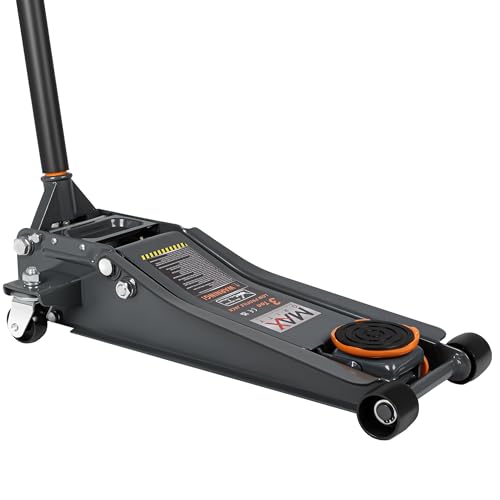
A flat tire on the shoulder of the highway is not the time to discover that your jack does not fit under your car or cannot handle its weight. The best portable car jack is compact enough to live in your trunk year-round, yet sturdy enough to lift your vehicle safely when you need it most. Unlike a garage floor jack built for regular maintenance work, a portable jack is a lightweight backup tool meant for one job: getting a wheel off the ground long enough to swap a tire or slide a set of ramps underneath. This guide walks through the jack types, weight and height specs, storage size, and safety habits worth knowing before you toss one in your trunk.
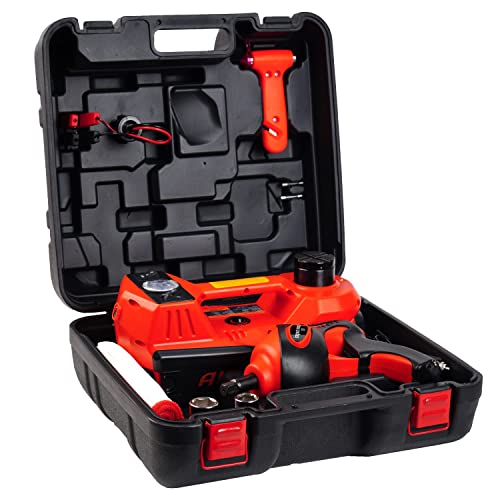
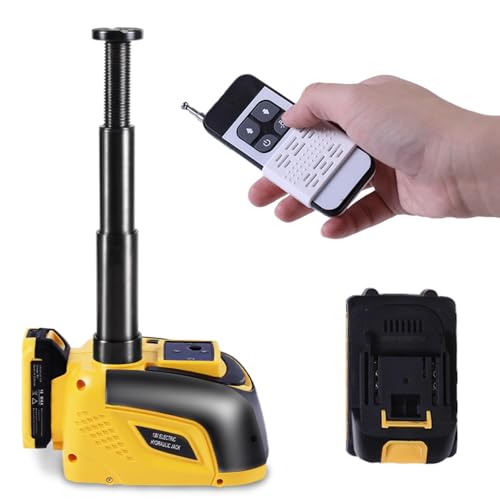
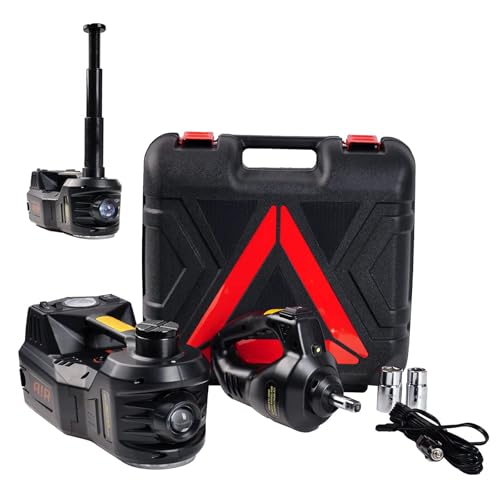
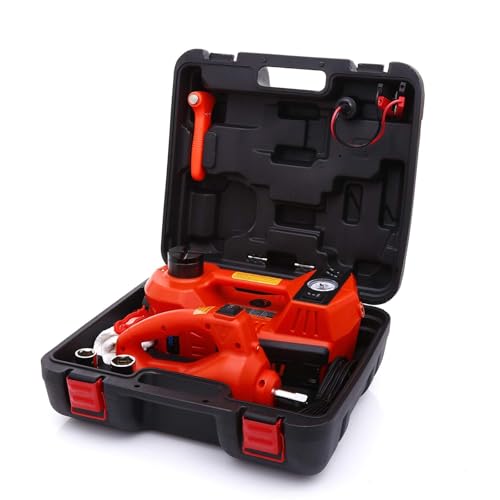
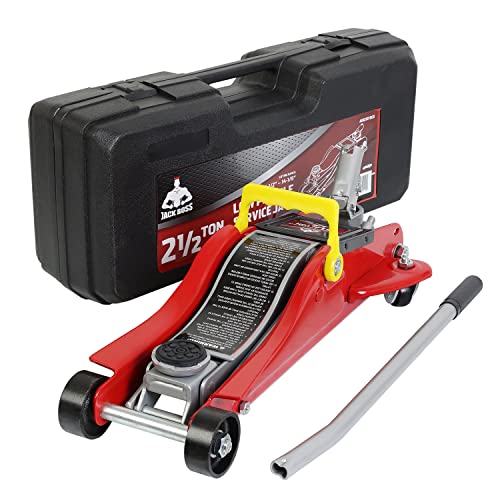
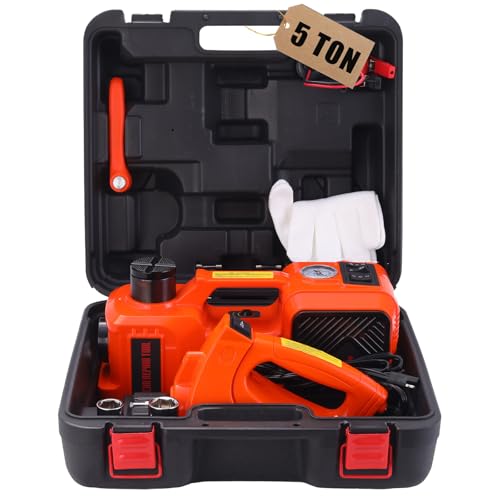

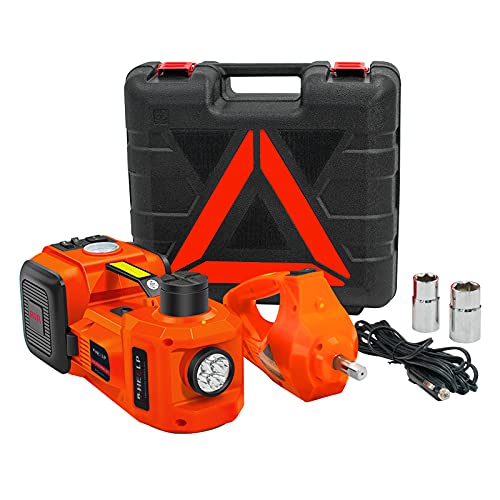
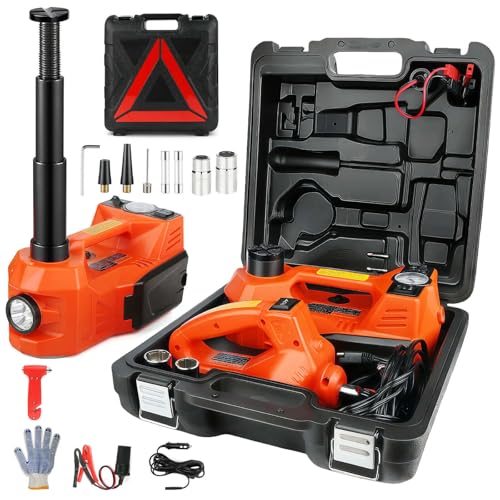
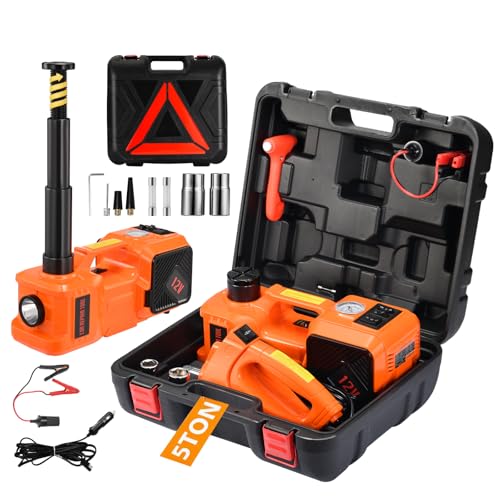
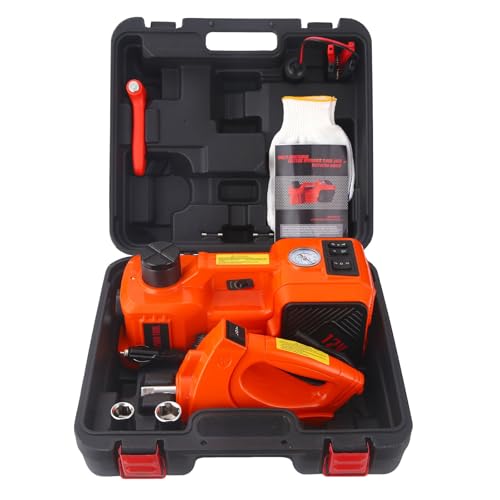
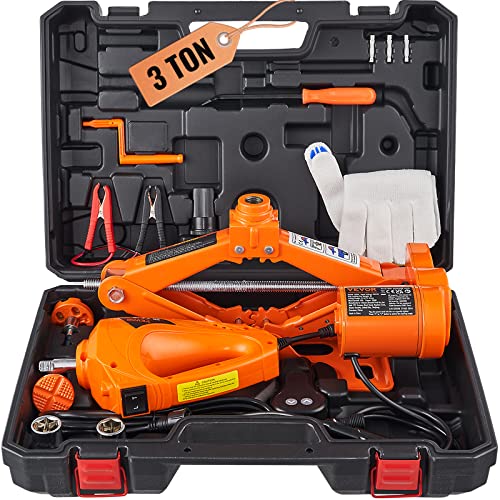
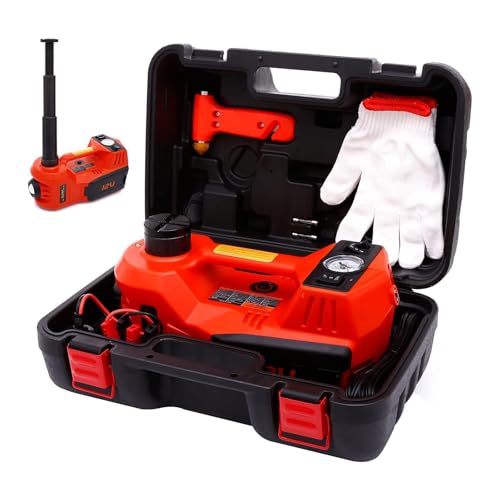
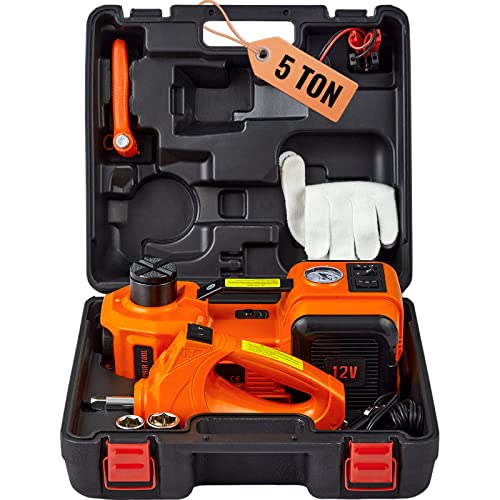
Scissor Jack or Compact Bottle Jack: Which Fits Your Trunk
Most cars leave the factory with a scissor jack, and for good reason. It folds flat, weighs just a few pounds, and cranks up with a simple hand lever, which makes it the easiest option to store under a trunk floor panel or in a spare tire well. It is not fast, and it is not meant for anything beyond a quick tire change, but that is exactly what it is built for.
A compact bottle jack trades some of that flatness for more lifting power. These small hydraulic jacks raise a vehicle with far less arm effort and can often handle a higher rated load, which appeals to owners of trucks or SUVs. The tradeoff is a taller retracted height, so they do not always slide under low ground clearance the way a scissor jack does. If your vehicle sits low, check that clearance number before you buy.
For everyday sedans and crossovers, a scissor jack usually wins on portability. For heavier vehicles or anyone who wants less cranking, a compact hydraulic model is worth the extra bulk.
Weight Capacity and Lift Height: Matching the Jack to Your Vehicle
A jack only needs to lift one corner of the vehicle at a time, but that corner still carries a meaningful share of the total weight. A safe rule of thumb is to choose a jack rated for at least three-quarters of your vehicle's curb weight, which you can find in the owner's manual or on a door jamb sticker. A two-ton rating covers most sedans and small SUVs, while larger trucks and full-size SUVs generally call for a three-ton jack or higher.
Lift height matters just as much as capacity. Measure the distance from the ground to your car's jacking point, then add a few inches of working room to account for a low tire or an angled shoulder. Compare that number against the jack's maximum lift height, and also confirm the minimum height clears the jacking point when the jack is fully collapsed. A jack that cannot reach the point in the first place is no help at all.
Trunk Storage: Will It Actually Fit Your Car
Portability is not just about weight in your hand; it is about the shape a jack takes up in your trunk. Scissor jacks fold into a flat X that tucks neatly into a spare tire well or a narrow side pocket, which is why they remain the default choice for daily drivers. A compact bottle jack is shorter end to end but rounder and taller, so it tends to sit better in a cargo area with more open floor space than in a shallow well.
Before buying, picture where the jack will actually live. If your trunk is already tight with a full-size spare, subwoofer, or cargo organizer, a slimmer scissor-style jack keeps things simple. If you have a dedicated corner for tools and want more lifting ease, the extra footprint of a bottle jack is an easier trade to make. Thinking through where it will sit is part of choosing the best portable car jack for your daily routine, not just the one with the highest rating.
If you are outfitting a home garage instead of a trunk, a low profile floor jack is a better fit for regular maintenance and lower vehicles that need frequent lifting.
Setting Up Safely on the Side of the Road
Where you park matters before the jack ever touches the car. Pull as far onto flat, solid ground as you can, away from a soft shoulder, gravel, or a noticeable slope. A jack that starts to sink or lean partway through a lift is a hazard, not a convenience, so take the extra minute to find firmer footing.
Set the parking brake, put the transmission in park or in gear, and place a wheel chock against a tire that will stay on the ground. Locate the vehicle's designated jacking point rather than guessing at a spot on the frame or rocker panel, since lifting from the wrong place can damage the body or cause the jack to slip.
A portable jack is designed to hold a vehicle just long enough to change a wheel, not to support it while you work underneath. If you ever need to spend real time under a car, a set of jack stands rated for the vehicle's weight belongs under the frame first.
Mistakes That Turn a Simple Tire Change Into a Bigger Problem
The most common mistake is buying a jack rated for less than the vehicle's actual weight, often because the buyer assumed one size fits every car. Undersized capacity can cause a jack to strain, stall partway up, or fail to hold steady once the wheel is off. Checking your vehicle's weight against the jack's rating before purchase avoids this entirely.
Skipping wheel chocks is another frequent oversight. Without something blocking the opposite wheels, a car can roll slightly as weight shifts during the lift, which is enough to knock a jack off its base. Working on soft ground, cranking too fast, or placing the jack on anything other than its designated point are the other habits that lead to a jack slipping or tipping.
Buying the best portable car jack for your specific vehicle, then using wheel chocks and a stable surface every time, removes nearly all of the risk that comes with a roadside lift.
Frequently Asked Questions
What type of car jack is best for roadside emergencies?
A scissor jack is usually the better fit for roadside use because it folds flat, weighs little, and stores easily in a trunk. A compact bottle jack is a reasonable alternative for heavier vehicles that need a higher weight rating, as long as its retracted height still clears your car.
How much weight can a portable car jack safely lift?
Ratings typically range from about one and a half tons for small cars up to three tons or more for trucks and SUVs. Choose a jack rated for at least three-quarters of your vehicle's curb weight, since that is roughly the load carried by one corner during a lift.
Can I use a bottle jack instead of a scissor jack for my car?
Yes, as long as the bottle jack's minimum collapsed height fits under your vehicle's jacking point. Bottle jacks often lift with less effort and handle more weight, but their taller retracted size makes them a better match for higher clearance vehicles than for low sedans.
Do I need jack stands with a portable car jack?
A portable jack is meant only to hold a vehicle briefly while you change a wheel, not to support it for extended work. If you need to be under the car for any length of time, place jack stands rated for its weight before you start.
How do I know a car jack will fit in my trunk?
Check the jack's folded or retracted dimensions against the space you have available, whether that is a spare tire well, a side pocket, or open cargo floor. Scissor jacks generally take up the least room, while compact bottle jacks need a bit more depth.
What ground surface is safe for using a portable jack?
Flat, solid pavement or hard-packed ground is the safest choice. Avoid gravel, grass, soft shoulders, or any noticeable slope, since a jack can sink, shift, or tip if the surface gives way during the lift.
Do portable car jacks wear out over time?
Manual scissor jacks tend to last for years with little upkeep beyond keeping the threads clean and lightly lubricated. Hydraulic bottle jacks can lose lifting power over time if the seals dry out or air gets into the fluid, so an occasional check before a long trip is worth the few minutes it takes.
Keeping Your Trunk Ready for the Next Flat
A portable jack only earns its place in your trunk if it matches your vehicle's weight, clears its jacking point, and fits the space you actually have. Pair it with a wheel chock and a habit of checking flat, solid ground before every lift. With the right jack and a few safe habits, a flat tire becomes a short delay instead of a real problem.