Best Handheld Water Misting Fans: A Complete Buying Guide
Disclosure: We may earn a commission when you buy through links on this page, at no extra cost to you. As an Amazon Associate I earn from qualifying purchases. Learn more
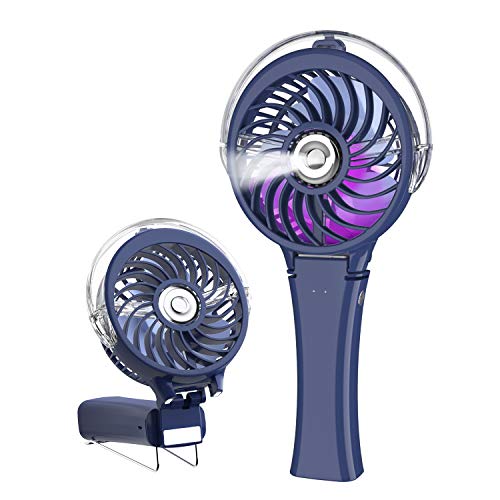
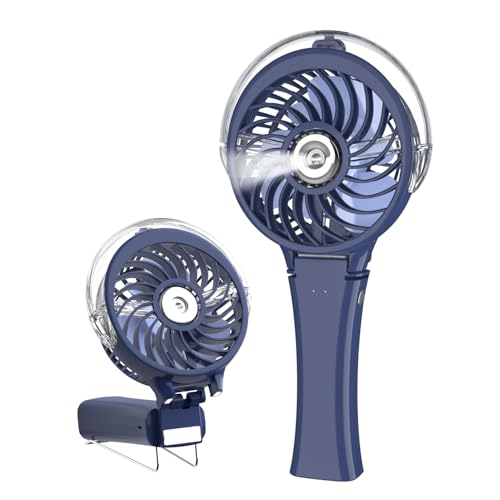
Standing in the sun at a ballgame, a festival, or your own backyard, a regular fan just pushes hot air around your face. That's why so many people switch to the best handheld water misting fans once the temperature climbs past what a plain breeze can handle. These small, battery-powered devices combine airflow with a fine water spray, so the cooling effect comes from evaporation, not just moving air. In this guide, you'll learn how the misting mechanism actually works, what tank size and battery life you really need, where these fans perform best, and how to keep the water reservoir clean between uses.

Why a Water Mist Cools Differently Than a Plain Fan
A regular fan doesn't lower the temperature of the air around you. It just speeds up airflow across your skin so sweat evaporates faster, which is why it stops feeling helpful once the air itself is hot enough. A handheld water misting fan adds a second cooling mechanism on top of that airflow: tiny water droplets released into the air stream, which pull heat from the surrounding air as they evaporate. That combination is why people notice a bigger temperature drop from a misting fan than from a dry fan of similar size.
The Evaporative Cooling Effect, in Plain Terms
When water changes from liquid to vapor, it absorbs energy in the form of heat. A misting fan uses that basic physics on a small scale, releasing a fine spray that evaporates almost instantly and takes warmth from the air with it. Some manufacturers claim a perceived temperature drop of up to 20 to 30 degrees Fahrenheit in the right conditions, though real-world results vary a lot depending on the weather.
Why Humidity Changes the Results
This is the part shoppers most often overlook. Evaporation slows down when the surrounding air is already holding a lot of moisture, so a handheld water misting fan performs best in hot, dry climates and delivers a smaller (but still noticeable) benefit in humid regions. In very humid weather, some users notice the mist adds a damp, sticky feeling instead of a cooling one, so it helps to run the fan on a lighter mist setting rather than a heavy spray when humidity is already high.
Spray-Bottle Style vs Tank-and-Nozzle Style
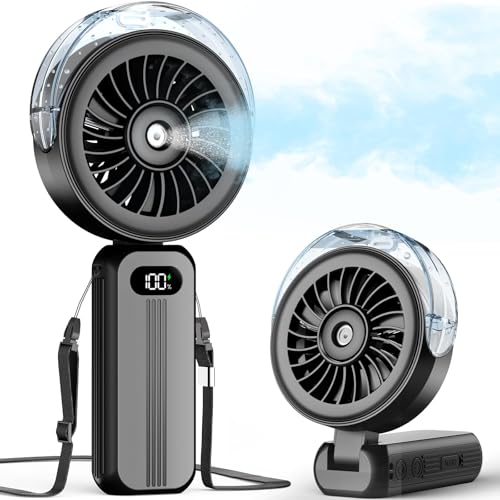
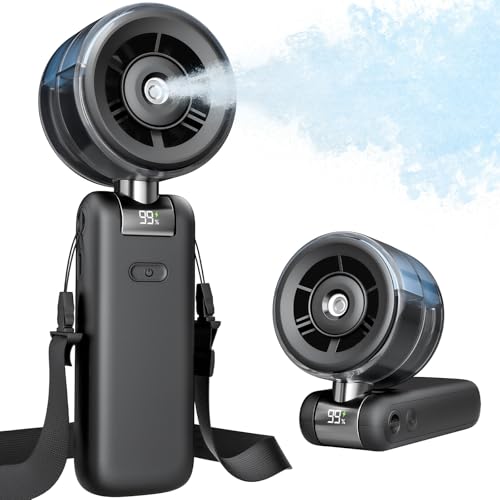
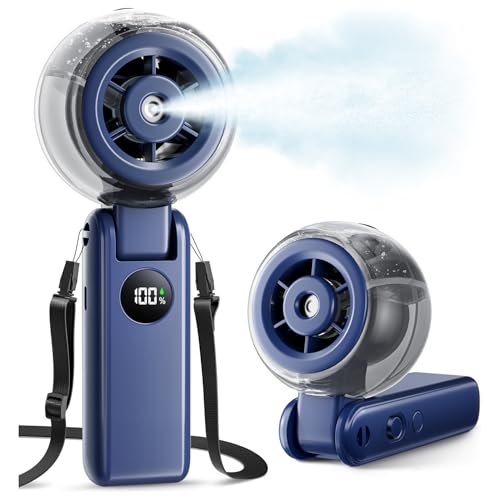
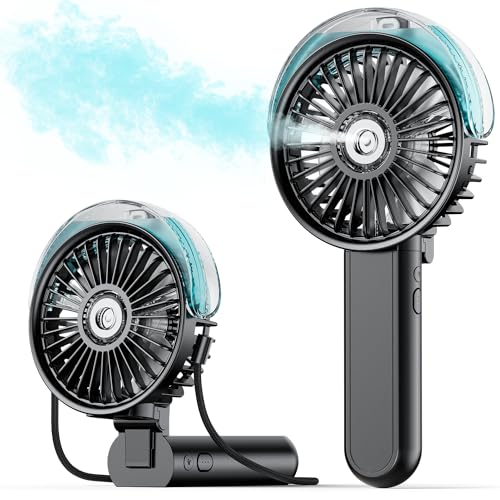
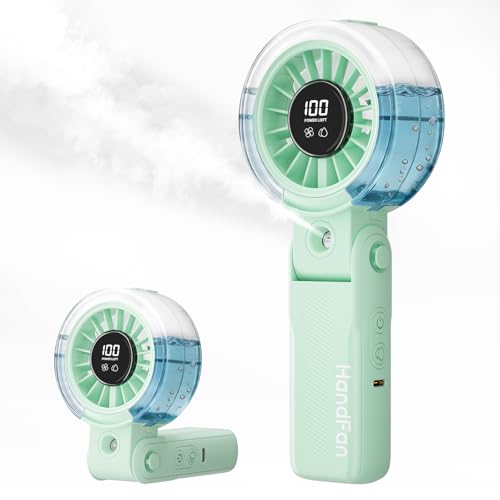
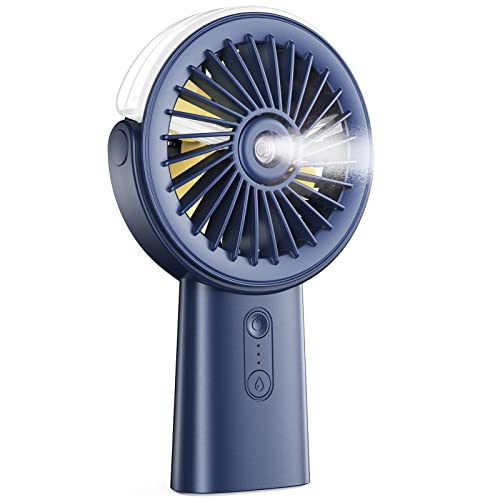
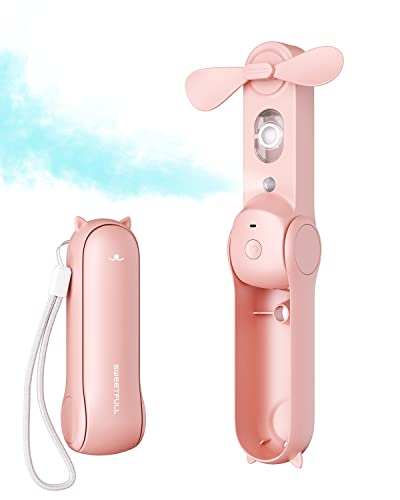
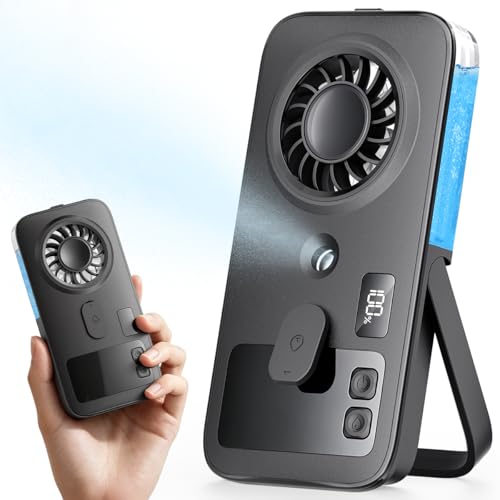
Most handheld misting fans fall into one of two basic designs. The first looks and works like a spray bottle with a fan built into the top: you unscrew the base, fill it like a normal water bottle, and the fan pushes air through the mist as you spray. It's simple, easy to refill anywhere, and usually lighter in the hand. The second style uses a sealed internal tank and a nozzle system that releases a continuous fine mist while the fan runs, which produces a steadier, more consistent spray but generally needs a smaller refill and a bit more care to clean.
Neither style is objectively better. The spray-bottle format suits people who want something simple and don't mind manually spraying every so often, while the tank-and-nozzle format suits people who want hands-free, continuous cooling without repeatedly pressing a trigger.
Tank Capacity and Mist Output: Matching the Fan to How Long You'll Be Outside
Water tank size is the single biggest factor in how long a misting fan actually keeps up with you. Small handheld models typically hold somewhere in the range of 100 to 300 milliliters, which is enough for an hour or two of intermittent misting but will run dry quickly if you leave it on continuous spray. Larger tank designs, sometimes closer to a liter, are built for people who need cooling for a full afternoon rather than a short walk.
Short Outings vs All-Day Use
If you're mainly using the fan for quick bursts during a workout, a walk, or yard work, a smaller tank is usually fine since you'll refill it easily at home or from a bottle you're already carrying. For a full day at a game, a festival, or a long camping trip where refill access is limited, look for a larger tank and be realistic about how often you'll actually stop to top it off.
Mist Fineness and Nozzle Count
Fans with more misting nozzles or adjustable spray settings tend to produce a finer mist that evaporates faster and feels less like getting sprayed with water. A single, coarse nozzle can leave you damp rather than cooled, especially in humid weather, so adjustable mist intensity is worth prioritizing over raw tank size alone.
Battery Life and Charging
Because these fans run both a motor and a misting pump, battery life matters more here than it does for a plain handheld fan. Most current models charge over USB-C, which has become the standard for faster charging and easier compatibility with the cables people already carry.
mAh Ratings and Realistic Runtime
Battery capacity varies widely across this category, and runtime depends heavily on how the fan is used rather than the battery rating alone. Smaller batteries generally deliver a few hours of continuous cooling, while higher-capacity batteries can stretch well beyond that on lower settings. If all-day use matters to you, check the manufacturer's stated runtime on the lowest fan speed rather than the highest, since that's the number you'll actually get closer to in practice.
Speed Settings and Continuous vs Intermittent Mist
Running a fan on high speed with continuous mist drains the battery and empties the tank far faster than using a lower speed with intermittent spray bursts. If you're trying to make a single charge and tank last through a long outdoor event, alternating between airflow-only and misted bursts stretches both resources considerably.
Where These Fans Actually Earn Their Keep
Handheld misting fans are built for outdoor situations where a wall outlet and central air conditioning aren't options. Yard work and gardening in direct sun, tailgating before a game, hiking or biking breaks, and standing in line at an outdoor festival are all situations where a burst of evaporative cooling makes a real difference. They're also a natural fit for a camping trip, tucked in next to your camping tents for evenings when the air stays warm after sunset, or for a lake day alongside your pool floats when you want relief without getting back in the water.
On a patio or by the pool, they work well for shorter bursts of cooling while you're relaxing in an outdoor chaise lounge chair, though they're not meant to replace fixed patio cooling for long stretches. For actually cooling down an indoor room rather than yourself outdoors, a dedicated portable air cooler is a better match since it's designed to condition the air in an enclosed space, not to be carried around outside.
Keeping the Tank and Nozzles From Turning Into a Maintenance Headache
The most common complaint with this category isn't the cooling performance, it's what happens to the tank and nozzles between uses. Tap water contains minerals that build up inside narrow nozzles over time, gradually clogging the fine mist openings and weakening the spray. Running a diluted vinegar-and-water solution through the tank periodically and gently clearing the nozzle openings helps prevent that buildup before it becomes a real problem.
Leftover water sitting in the tank after use is the other main issue, since a warm, damp reservoir is exactly the kind of environment mold and mildew grow in. Draining the tank fully after each outing, and letting it air dry with the cap off before storing it, keeps that smell and buildup from developing. Filtered or distilled water is worth using if you have hard tap water at home, since it slows mineral buildup considerably compared to straight tap water.
Frequently Asked Questions
Do misting fans actually cool the air or just spray water?
They do both. The airflow moves air across your skin like a normal fan, while the fine water mist evaporates and pulls heat from the surrounding air, which is a real cooling effect and not just a spray on your skin.
Do misting fans work in humid weather?
They still work, but less dramatically. Evaporation slows down when the air already holds a lot of moisture, so the cooling effect is smaller in humid regions than in hot, dry climates. A lighter mist setting usually feels better than a heavy spray when humidity is high.
How long does a handheld misting fan battery last?
It depends on the battery capacity and how you use it, but most models run anywhere from a few hours on high, continuous settings up to considerably longer on lower speeds with intermittent misting. Checking the runtime listed for the lowest speed gives a more realistic idea than the headline number.
Can you use tap water in a misting fan?
Yes, but tap water minerals build up in the nozzles over time and can eventually clog them. Filtered or distilled water reduces that buildup and keeps the mist finer for longer if you use the fan often.
How often should you clean a misting fan?
Draining and drying the tank after every outing is a good baseline habit. A deeper clean with a diluted vinegar solution every few weeks of regular use helps dissolve mineral deposits before they clog the nozzle openings.
Are misting fans safe to use around electronics?
The mist is designed to be fine enough that it evaporates quickly rather than leaving standing moisture, but it's still water, so it's sensible to keep the spray pointed away from phones, cameras, or other electronics rather than aiming it directly at them.
How big a water tank do you need for all-day outdoor use?
For a few hours of intermittent use, a smaller tank in the 100 to 300 milliliter range is usually enough. For a full day with limited access to refills, a larger tank closer to a liter, combined with using intermittent rather than continuous misting, will get you much further.
Making Your Decision
The right handheld water misting fan comes down to matching tank size and battery life to how long you'll actually be outside, and being realistic about how much humidity in your area will affect the cooling. A smaller spray-bottle style is enough for short outings close to home, while a larger tank-and-nozzle model with a bigger battery makes more sense for full days at events, campsites, or job sites. Whichever style you choose, a little maintenance between uses will keep the mist fine and the fan working the way it did on day one.