Best Affordable Pool Floats: What to Know Before You Buy

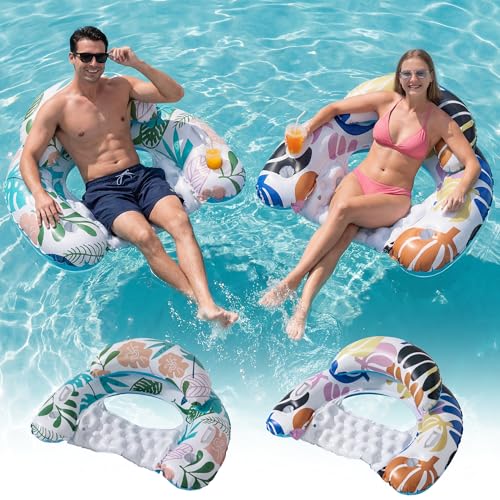
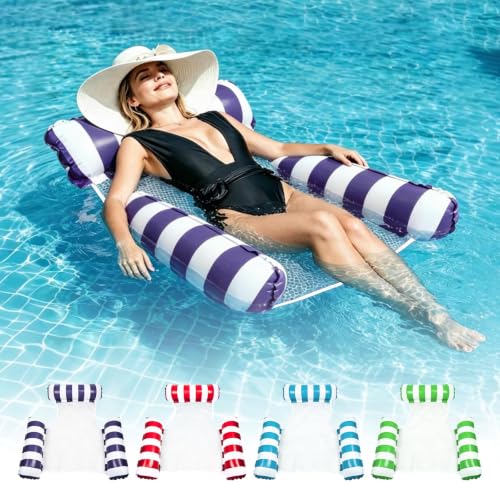
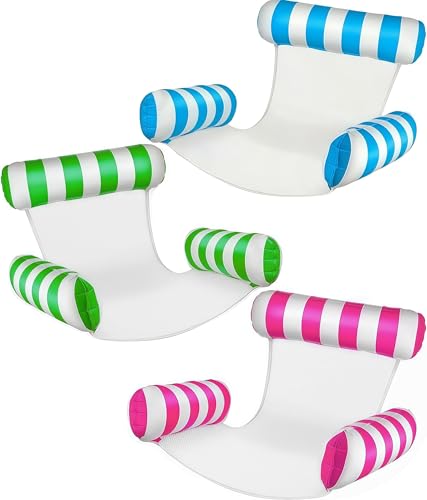
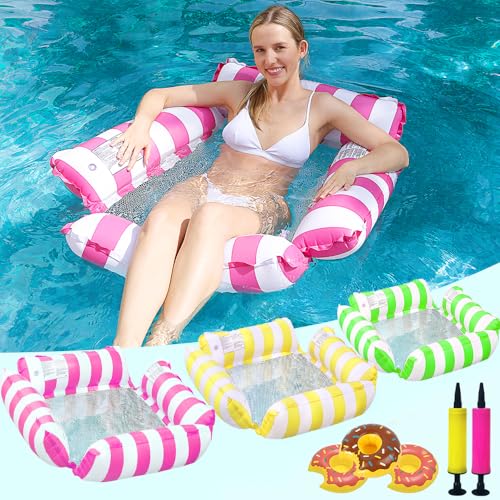


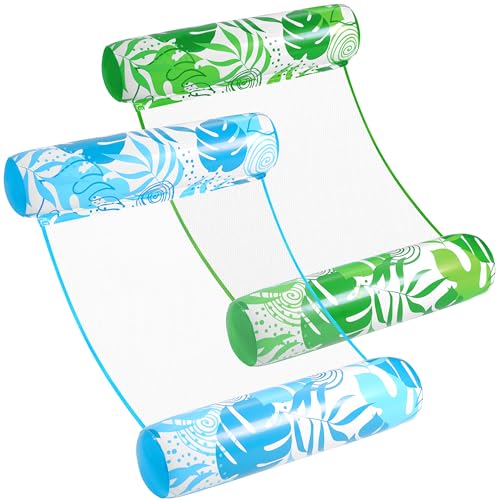
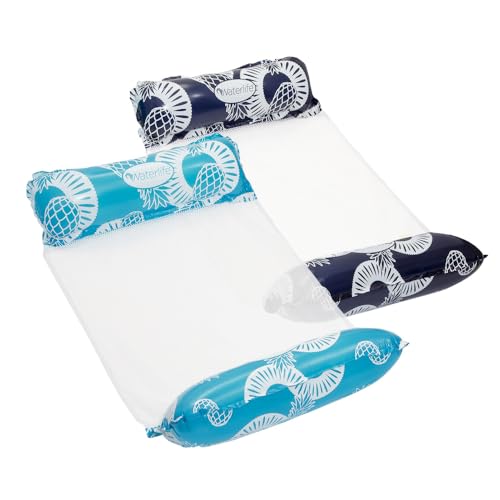
What Actually Makes a Budget Pool Float Hold Up
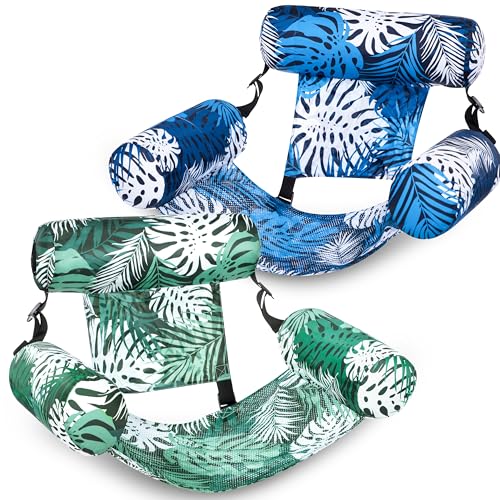
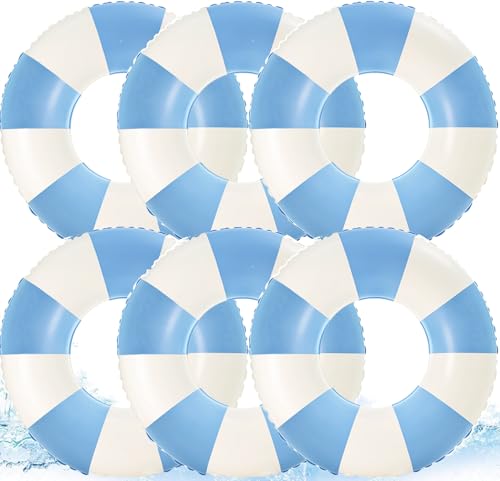
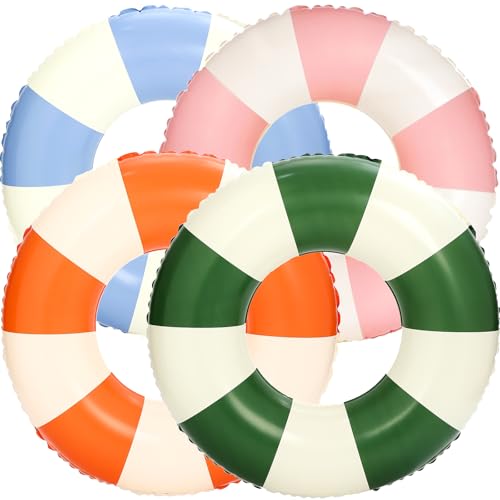
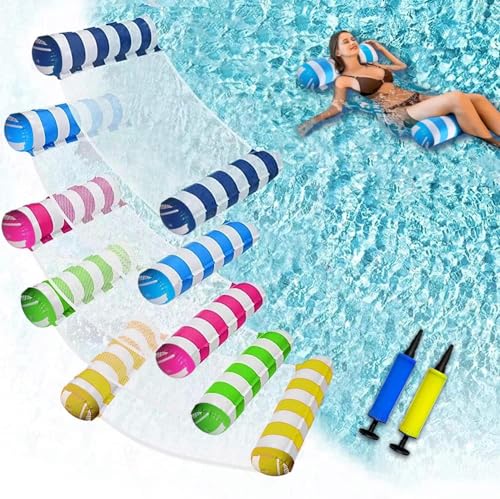
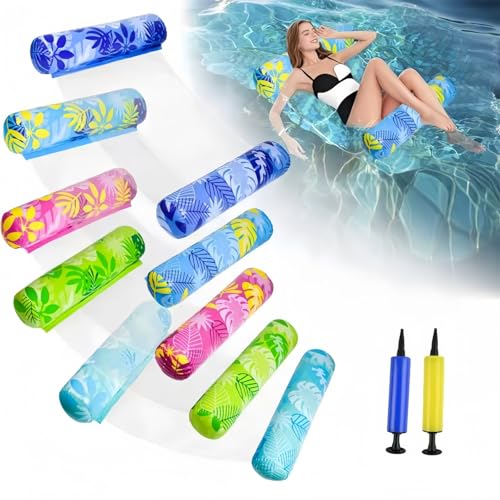
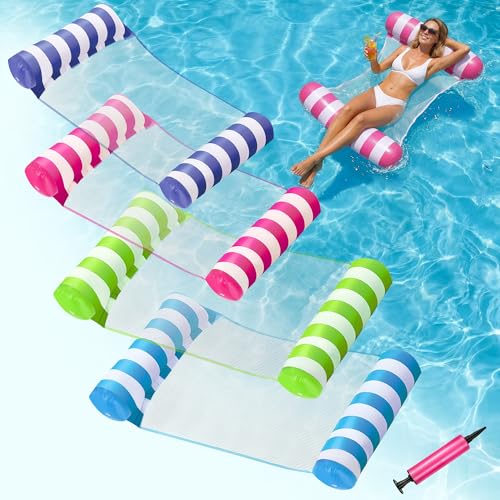
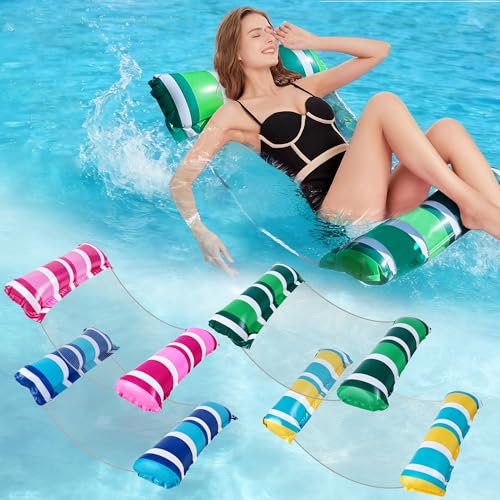
Every summer, the same thing happens. You grab a cheap float off the shelf, it looks fine in the store, and two swims later it is half deflated in the corner of the yard. The good news is that finding the best affordable pool floats is not about luck. A handful of build details separate a float that survives a season from one that dies in a week, and none of them require you to spend a fortune.
Vinyl and PVC Gauge, Explained
Most budget floats are made from vinyl or PVC, and the thickness of that material is measured in gauge. Lower gauge numbers mean thicker material. A float built from thin, low-gauge vinyl feels flimsy in your hands and punctures easily from fingernails, pool decking, or a dog's claws. Floats built from heavier gauge material cost a little more but shrug off the everyday wear that kills cheaper options. When you're comparing budget pool floats for adults, run your hand across the surface. If it feels paper thin or crinkles like a chip bag, keep looking.
Seam Construction
Seams are where most floats actually fail, not the flat surfaces. Cheaper floats use simple glued seams that separate under pressure or heat. Better budget options use heat sealed seams, which fuse the material together rather than gluing two pieces on top of each other. You usually cannot tell the difference from a product photo, so check the description or specs for terms like "double stitched" or "heat welded" before buying.
Valve Quality
A float can have great material and solid seams and still lose air overnight because of a cheap valve. Look for a screw style or double lock valve rather than a simple plug. Good valves hold pressure for days at a time. If reviewers on a listing repeatedly mention the float going soft overnight, that is almost always a valve problem, not a puncture.
Foam, Inflatable, or Something in Between
Once you know what separates durable inflatable pool floats from disposable ones, the next decision is material category. Most searches for the best affordable pool floats end up comparing these two options, and neither one is wrong, they just suit different situations. Not every float needs air at all.
Inflatable Vinyl Floats
Inflatable floats are lighter, cheaper up front, and easier to store since they pack flat when deflated. They're the better pick if you're short on storage space or only float a handful of times each summer. The tradeoff is that even a well built inflatable eventually needs a patch or replacement, since it depends on air pressure and an intact surface to work.
Closed-Cell Foam Floats
Foam floats never need air, so there is no valve to fail and no slow leak to chase down. They cost more than a basic inflatable but often outlast several of them, which can make the total cost lower over a few seasons. The downside is bulk. A foam float takes up real storage space and doesn't pack down, so it only makes sense if you have somewhere to keep it.
Weight Capacity: Reading Past the Marketing Number
Weight capacity is one of the most searched questions around pool floats, and for good reason. The number listed on a product page is not always tested the same way across brands, so a "300 pound capacity" float from one seller and another from a different seller can perform very differently in the water. As a rule of thumb, buy for more weight than you think you need. A float rated close to your actual weight will sit low in the water and feel unstable, while one with real margin stays buoyant and comfortable. If more than one person will use the float, add the weights together rather than assuming it will average out.
Getting More Than One Season Out of a Cheap Float
A budget float doesn't have to mean a disposable one. Most early failures come down to how the float is inflated and stored, not the float itself.
Inflate It Right
Resist the urge to pump a float until it's rock hard. Material expands slightly in hot sun, and an overinflated float has nowhere for that expansion to go, which is a common cause of blown seams. Leave a small amount of give when you press on the surface. It should feel firm, not tight.
Store It Dry and Loose
Water trapped in seams and folds is one of the fastest ways to shorten a float's life, since it invites mildew and weakens the material from the inside. Let the float dry completely before packing it away. When you deflate it, roll it loosely instead of folding it into tight creases, and dust the surface lightly with talcum powder or cornstarch so the vinyl doesn't stick to itself in storage. Keep it out of direct heat, since a hot garage or car trunk breaks down vinyl faster than regular pool use ever will. If you're setting up a shaded corner near an outdoor lounge chair for gear, that's also a good spot to keep floats out of direct sun between swims.
When Paying a Bit More Actually Pays Off
When people search for the best affordable pool floats, they're usually trying to avoid both a flimsy dud and an overpriced novelty item, and that middle ground is easy to hit once you know what to check. Not every upgrade is worth it, but a few are. Spending slightly above the rock bottom price usually buys you a better valve and thicker material, which are the two things most likely to end a float's life early. Where it stops making sense is paying extra purely for elaborate shapes or novelty designs that don't improve durability. If you're stocking a pool for regular use, foam options or heavier gauge inflatables tend to be worth the difference. If it's a one time party purchase, the cheapest option that has decent seam and valve reviews is usually the smarter buy. Either way, a cooler within reach makes poolside lounging easier, so pairing your float setup with one of the best coolers for keeping drinks cold is worth planning for at the same time.
Frequently Asked Questions
How much weight can a pool float hold?
It depends on the float, but budget options commonly range from around 150 pounds for small tubes up to 300 pounds or more for larger loungers and mats. Always check the listed capacity and buy above your actual weight for better stability.
Why do cheap pool floats deflate so fast?
Usually it's a combination of thin vinyl, weak glued seams, or a low-quality valve rather than a single puncture. Checking gauge, seam type, and valve style before buying prevents most of these failures.
How full should you inflate a pool float?
Leave a small amount of give in the material rather than inflating it until it's completely rigid. Overinflating, especially in hot sun, is a common cause of split seams.
Are foam pool floats better than inflatable ones?
Foam floats last longer since they have no valve or air chamber to fail, but they cost more upfront and take up more storage space. Inflatable floats are cheaper and easier to store but have a shorter typical lifespan.
How do you store pool floats so they last longer?
Make sure the float is completely dry, roll it loosely instead of folding it tightly, and keep it out of direct heat. A light dusting of talcum powder or cornstarch helps prevent the vinyl from sticking to itself.
Is it worth paying more for a pool float?
For regular seasonal use, yes. A slightly higher price usually buys thicker material and a better valve, which are the two things most likely to shorten a cheap float's life.
Finding Your Best Value
The best affordable pool floats come down to a few simple checks: solid gauge material, sealed seams, and a valve that actually holds air. Match that to how often you'll use it and how much storage space you have, and a budget float can easily last you several summers instead of a few weekends.