Best Handheld Fans: The Complete Portable Fan Buying Guide
Disclosure: We may earn a commission when you buy through links on this page, at no extra cost to you. As an Amazon Associate I earn from qualifying purchases. Learn more

A ceiling fan or a window unit can only do so much when you're stuck on a crowded train platform, standing through an outdoor wedding ceremony, or working a desk in a room with no air conditioning. That's where handheld fans come in. They're small enough to live in a bag or pocket, run on rechargeable batteries, and give you a personal blast of air wherever you happen to be. In this guide, you'll learn how to compare handheld, neck, and clip-on styles, what battery and noise specs actually mean in practice, how blade safety works, and what to know before you pack one for a flight or a day outdoors.

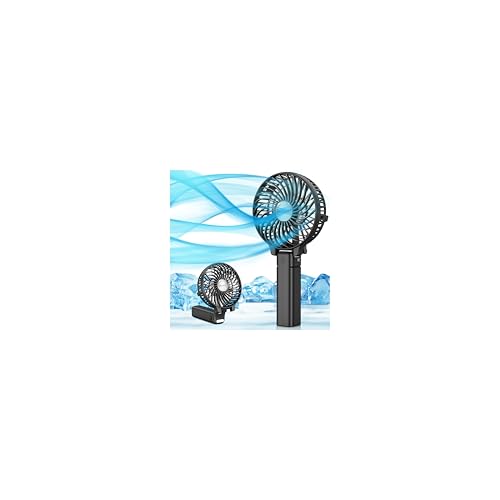
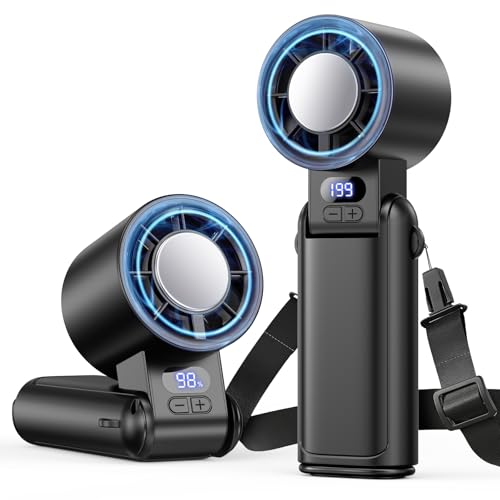
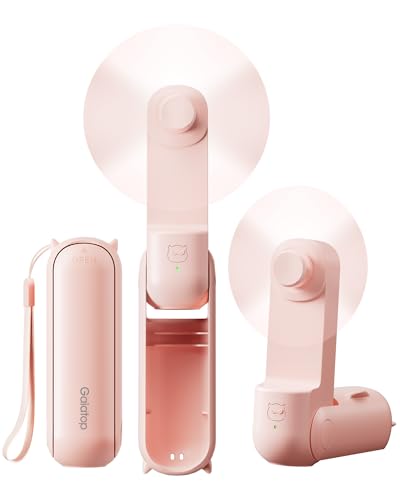
Choosing Between Handheld, Neck, and Clip-On Styles
Not every one of the handheld fans on the market is meant to be held in your hand all day, and picking the wrong form factor is one of the most common regrets people mention after buying one. Before you look at any spec sheet, it helps to know which style actually fits how you plan to use it.
True Handheld Fans
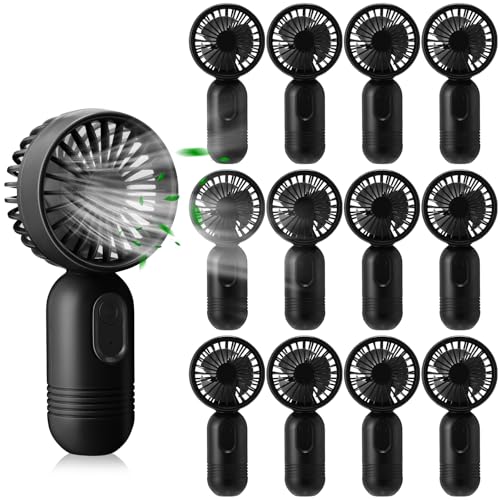
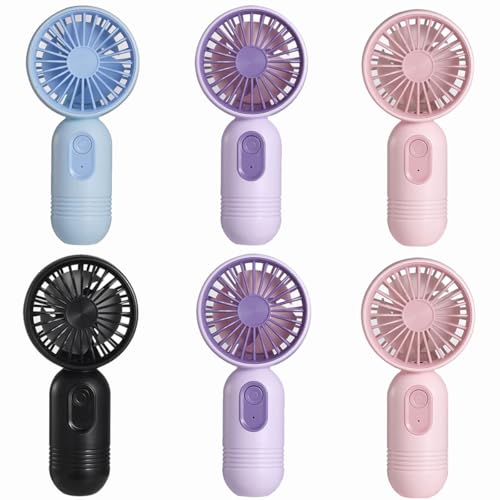
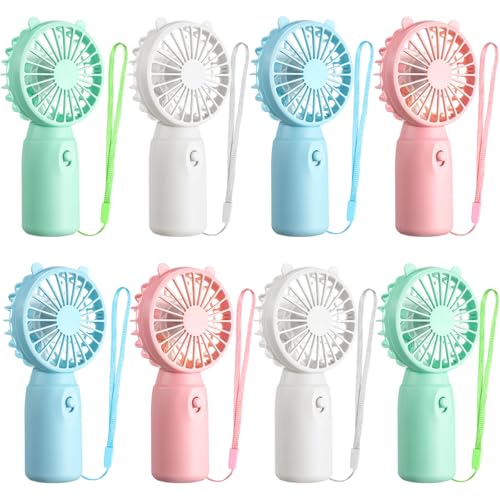
A classic handheld fan is gripped in your palm and pointed wherever you need airflow at that moment. This makes it the most flexible option since you control the direction precisely, and many models fold down small enough to slide into a pocket or purse. The trade-off is that one hand is occupied while it's running, which matters if you're also carrying groceries, a stroller handle, or a phone.
Neck Fans and Clip-On Fans
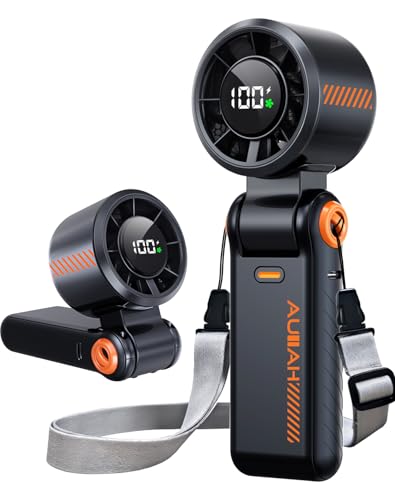
A neck fan drapes around your shoulders and blows air upward toward your face, freeing both hands, a feature people consistently mention as the deciding factor for concerts, festivals, and long walking tours where you need airflow for hours without holding anything. A clip-on fan attaches to a stroller rail, a desk, a bag strap, or a chair, which suits people who want hands-free cooling without wearing anything around their neck. If your day involves standing in one place for a while, a clip-on model pointed at your face can outperform a handheld one you'd otherwise have to keep repositioning.
Battery Life and Charging: What the Numbers Really Mean
Tested rankings of portable fans consistently point to battery life as the single most important spec, more so than top speed or design. That's because a fan that dies halfway through your commute or your afternoon outside isn't doing its job, no matter how strong its highest setting felt in the store.
Reading Past the Advertised Hours
Manufacturer battery estimates are almost always measured on the lowest speed setting, so treat the advertised runtime as a best case rather than a guarantee. A realistic rule of thumb is to expect roughly 20 percent less runtime than advertised once you factor in medium or high speed use, cold weather, or an older battery. If you only need a couple of hours for a commute, a smaller battery is fine; if you're planning a full day out, look for a fan rated for at least six hours on a medium setting rather than judging it by its low-speed number alone.
USB-C Charging and Battery Capacity
Most current handheld fans charge over USB-C, which means you can top one off from the same cable you use for a phone or a portable charger instead of hunting for disposable batteries. Battery capacity is usually listed in mAh, and while a bigger number generally means longer runtime, it also adds weight and bulk. There's little point paying extra for a very large battery if your typical use case is short bursts throughout the day rather than hours of continuous airflow for these small handheld fans.
Airflow, Noise, and Blade Safety
A fan that looks powerful on paper but feels weak in your hand, or one that's so loud you can't use it in a quiet room, misses the point of buying a personal fan in the first place. Airflow and noise level are closely linked, and safety design ties directly into both.
How Much Airflow Is Enough
Multiple speed settings matter more than a single maximum output number, since you'll want a gentle setting for enclosed spaces and a stronger one for outdoor heat. As a rough guide, anything under about 45 decibels on its lowest speed stays comfortable in shared or quiet spaces like an office or a library, while sustained noise above 50 decibels tends to feel distracting indoors. If you plan to use the fan at a desk or on public transit, prioritize a model that stays quiet on its lower speeds rather than one that's only impressive at full blast.
Blade vs. Bladeless Design
Traditional fans with exposed blades tend to move more air for their size and cost less, but the spinning blades are a real consideration around small children, pets, or long hair and loose clothing. Bladeless designs enclose the moving parts, which makes them safer to hand to a child and easier to wipe clean, though they typically rely on more precise motor tuning to avoid a wobble at higher speeds. Whichever design you choose, look for basic safety certification markings, keep fingers and objects away from the airflow opening, and stop using any fan that starts smelling hot or behaving oddly. If you want cooling plus a fine water spray for very high heat, that's a different product category with its own tank and nozzle considerations, covered separately in our guide to handheld misting fans, rather than something to expect from a plain air-only model.
Packing a Handheld Fan for Travel and Outdoor Events
Handheld fans earn their keep most on travel days and outdoor events, but a couple of practical details are easy to overlook until you're already at the gate or standing in a crowd.
Flying With a Handheld Fan
A handheld fan's battery falls under the same lithium battery rules as a phone charger or portable power bank. Batteries rated under 100 watt-hours are generally accepted without extra approval, batteries between 100 and 160 watt-hours may need airline sign-off, and anything larger is typically not allowed for passengers. In practice, almost every handheld fan on the market falls comfortably under the 100 watt-hour limit. The one rule to remember is that the battery, whether built in or removable, needs to travel in your carry-on rather than checked luggage.
Concerts, Festivals, and Outdoor Weddings
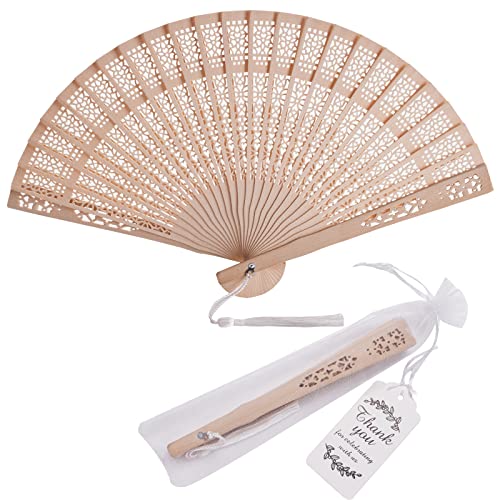
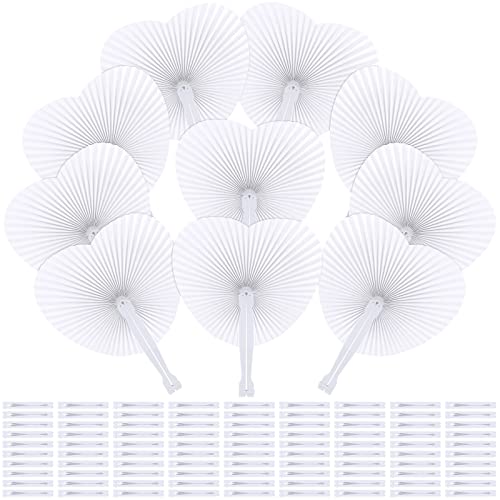
For a full day outdoors, plan around six to ten hours of runtime rather than the one or two hours a compact handheld fan might realistically offer on its own. This is exactly where a neck fan or clip-on model tends to outperform a purely handheld one, since it can keep running hands-free through a whole ceremony or set list without you needing to hold it the entire time. If you'd rather skip batteries altogether, a simple non-electric folding fan still has a place for short bursts of airflow, like handheld fans without the charging concerns, and it works well as a backup once an electric one runs low. Anyone comparing this against a whole-room cooling fan for the house should keep in mind these two categories solve very different problems: one is for cooling a space, the other is for cooling you personally wherever you go.
Frequently Asked Questions
How long does the battery last on a handheld fan?
Most models run anywhere from two to twenty hours depending on speed and battery size, but expect real-world use to fall short of the advertised number, especially on higher settings. Check whether the stated runtime is based on low, medium, or high speed before comparing models.
Are bladeless handheld fans safer than ones with blades?
Generally yes, since the enclosed design keeps fingers, hair, and loose fabric away from moving parts, which matters most around kids and pets. Bladed fans can still be a fine choice for adult, hands-off use where raw airflow matters more than that added safety margin.
Can you bring a handheld fan on a plane?
Yes, in almost all cases, since the batteries used in these fans fall well under the 100 watt-hour threshold that airlines allow without special approval. Just keep the battery in your carry-on rather than checked luggage.
How loud should a handheld fan be?
Look for a lowest setting under roughly 45 decibels if you plan to use it in quiet spaces like an office, library, or bedroom. Higher speeds will naturally get louder, so check whether reviews mention noise specifically at the speed you'd actually use most.
Can a handheld fan charge my phone?
Some models include a power bank function that can top off a phone in a pinch, though this uses up the fan's own battery faster. If reliable phone charging matters to you, treat it as a bonus feature rather than the main reason to choose a particular fan.
Are handheld fans safe for kids to use?
Bladeless or fully enclosed designs are the safer choice for children, since there's no exposed blade to touch. Even with a bladeless model, it's worth supervising younger kids the first few times so they understand not to cover the airflow vents.
The Bottom Line
The right handheld fan comes down to how you'll actually use it more than any single spec on the box. If you need hands-free airflow for a whole day at a concert or wedding, a neck or clip-on style beats a purely handheld one, and if quiet, safe operation around kids matters most, a bladeless design with a modest noise rating is worth prioritizing over raw power. Match the battery life to your longest realistic day out, keep the charging cable within reach, and you'll have a fan that's ready whenever the heat catches up with you.