Best Gas Fireplace Logs: A Complete Buying Guide
Disclosure: We may earn a commission when you buy through links on this page, at no extra cost to you. As an Amazon Associate I earn from qualifying purchases. Learn more
Choosing the best gas fireplace logs for your home comes down to matching the log set to the fireplace you already have, not just picking whichever set looks most convincing in a showroom photo. Vented and vent-free designs work in completely different ways, use different materials, and come with different safety requirements. Get the match wrong and you can end up with logs that look flat, throw off too little heat, or simply will not fit your firebox. This guide walks through how vented and vent-free systems differ, what log material means for appearance and heat output, how to size a set correctly, and which safety features actually matter. By the end you will know exactly what to check before you buy.
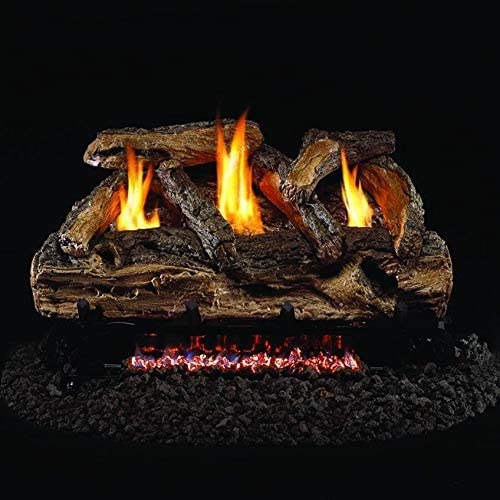

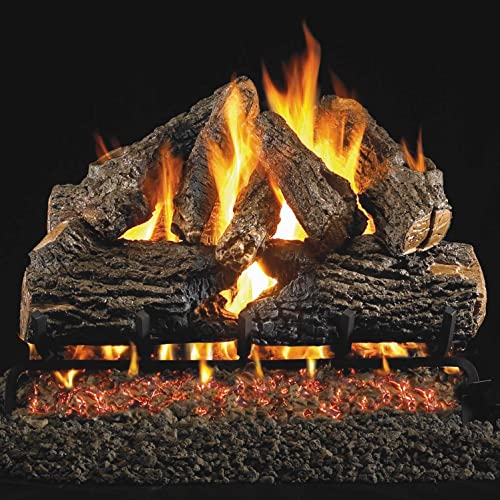
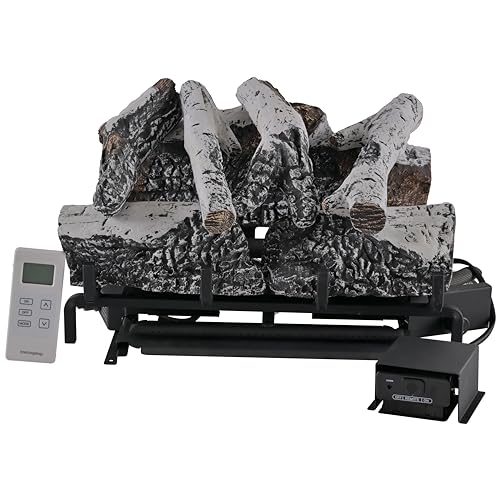
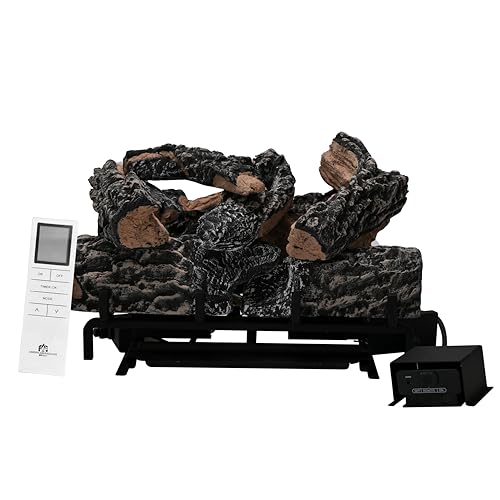
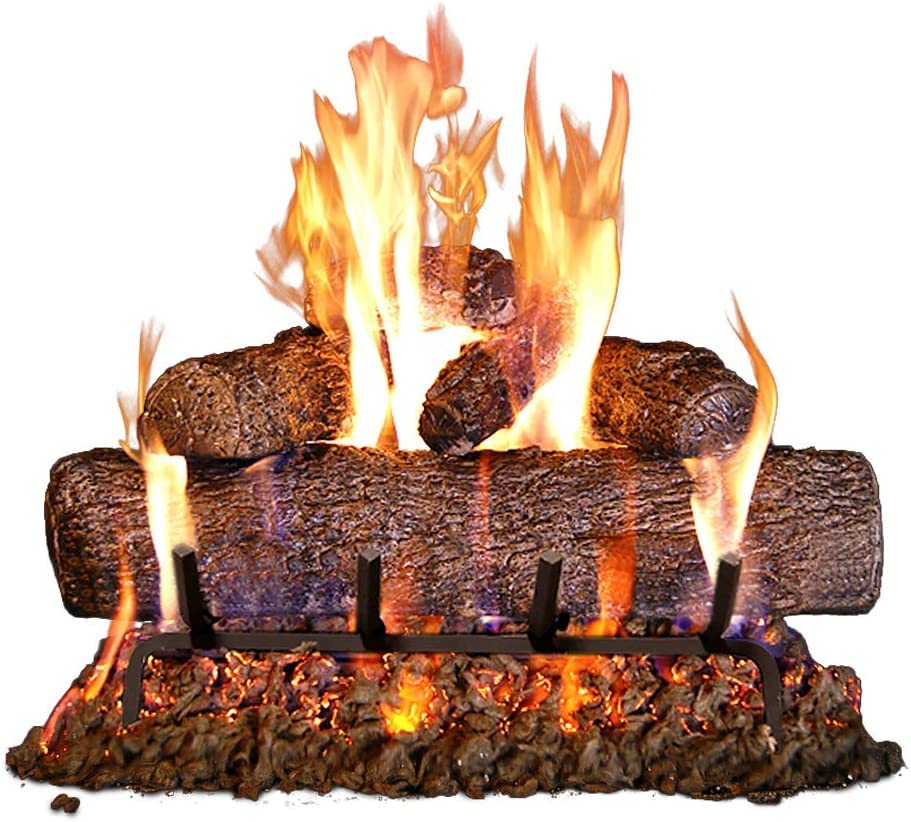
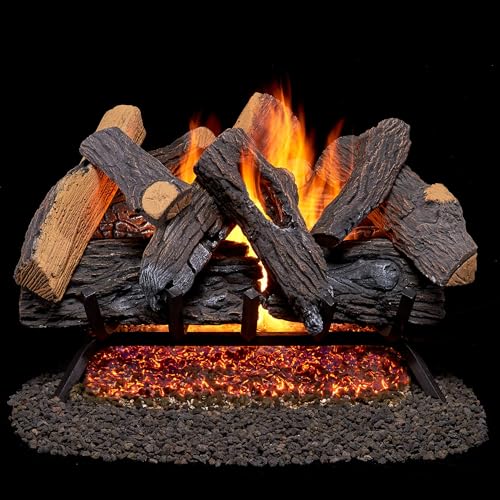
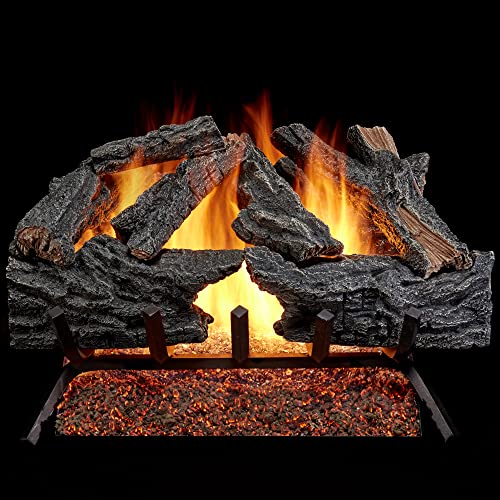
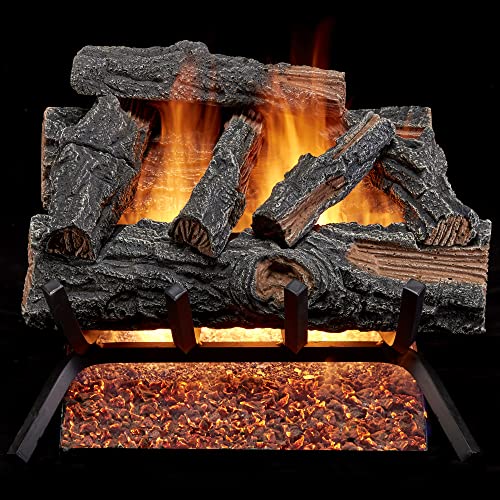
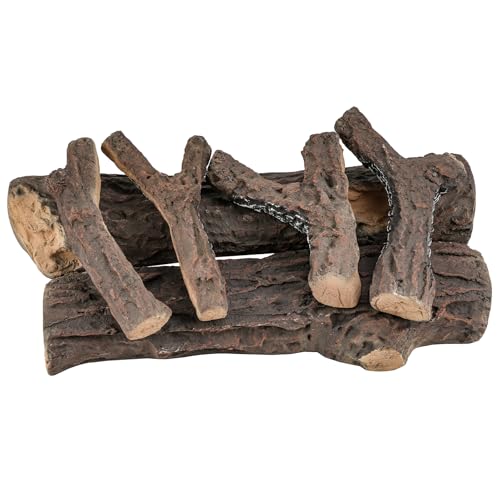
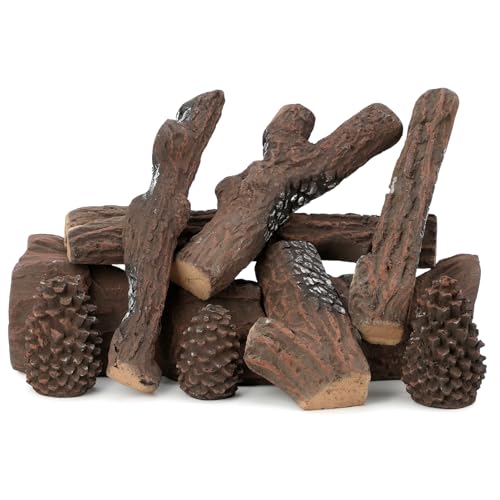
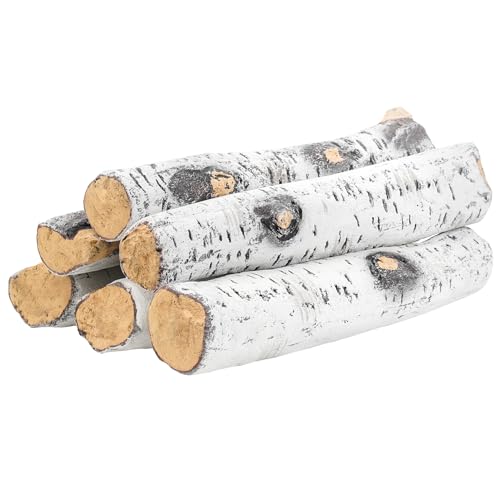
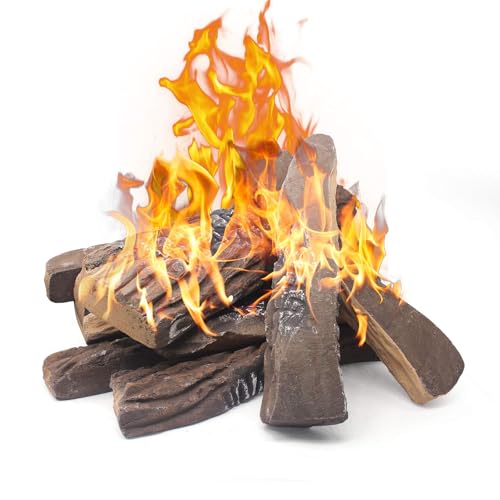
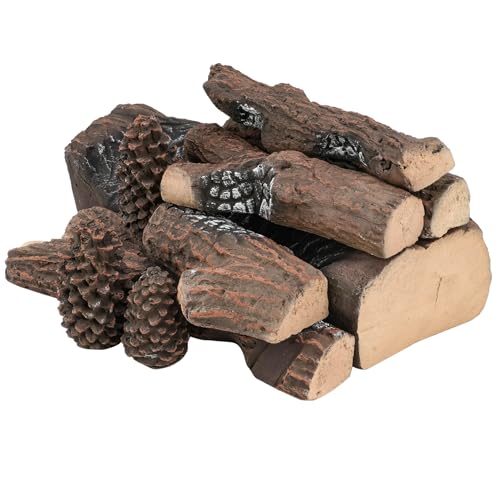
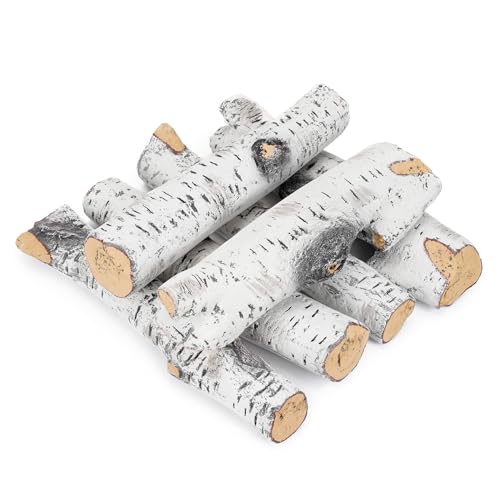
Vented or Vent-Free: Matching Logs to the Fireplace You Already Have
The first decision is not about looks at all. It is about how your fireplace vents. Vented gas logs are designed to burn with an open damper and send exhaust up an existing chimney or flue, the same way a wood fire would. Because they are built to run with the damper open, vented sets can use larger, more layered log designs and taller, more active flames that dance and roll the way real firewood does. The tradeoff is efficiency, since a meaningful share of the heat they produce escapes up the chimney along with the exhaust.
Vent-free (or ventless) logs burn with the damper closed or in a fireplace with no chimney at all, so nearly all the heat they generate stays in the room. That makes them a practical option for homes without a working flue, or for anyone who wants a supplemental heat source rather than a decorative one. If you have not decided on the fireplace itself yet, a guide to choosing a gas fireplace is worth reading first, since it covers the venting question from the appliance side rather than just the logs.
There is no universally correct choice here. It depends entirely on what your fireplace can support and what you want the fire to do for you, ambiance, supplemental heat, or both.
Log Material and Heat Output: Ceramic Fiber vs Refractory Concrete
Once you know whether you need a vented or vent-free set, material determines both how the logs look and how they perform over time. Ceramic fiber logs are lightweight, hold up well under sustained high heat, and often carry finer surface detail, bark texture, knots, char marks, that reads as more realistic up close. They also tend to glow after roughly fifteen minutes of runtime, which adds to the illusion of a real ember bed.
Refractory concrete (sometimes called refractory cement) logs are heavier and denser. They are prized for durability and can handle repeated heat cycles without warping, though they are more prone to surface cracking under sustained extreme heat than ceramic fiber. Concrete logs generally do not glow the way ceramic fiber does, but many buyers find their sculpted detail just as convincing once the flame is going.
Heat output is measured in BTUs, and this is set by the burner and gas valve, not the logs themselves. Still, log placement affects how efficiently that heat radiates into the room, so a poorly arranged set can make a high-BTU burner feel weaker than it actually is. Weighing material against your priorities, glow versus durability, is really what separates the best gas fireplace logs from a set that just happens to look nice in a catalog photo.
Getting the Fit Right: Sizing a Log Set to Your Firebox
A log set that is too large for your firebox will crowd the burner, block airflow, and can scorch the surrounding brick or metal. One that is too small will look sparse and let the burner pan show through the flames. Before ordering anything, measure the interior width, depth, and height of your firebox, and check the burner pan dimensions if you are replacing an existing set rather than starting from scratch.
Manufacturers typically size sets in a range, such as an eighteen-inch or twenty-four-inch set, based on the front-facing width of the log arrangement. When in doubt, size down slightly rather than up. A slightly smaller set still looks intentional, while an oversized set can look stuffed into a space it does not fit.
If your firebox also holds a grate underneath the logs, that piece needs to fit properly too, since it affects both airflow and how the logs sit. A cast iron fireplace grate that is undersized or oversized for the space can throw off the whole arrangement even if the logs themselves are correctly sized.
What Actually Makes a Flame Look Real
Two log sets with identical BTU ratings can look completely different once lit. Flame realism comes down to burner design and log placement working together. A well-designed burner routes gas through multiple ports hidden beneath and between the logs, rather than through a single straight pipe, so flame breaks out at different heights and angles instead of forming one uniform wall of fire.
Log arrangement matters just as much. Logs stacked with gaps and overlaps, rather than laid in a neat, evenly spaced row, let flame weave through the pile the way it would around real firewood. Ember beds made from crushed reflective material placed strategically under and around the logs pick up the flame's glow and mimic the look of coals, which does more for realism than the logs alone.
Vent-free flames tend to run smaller and can carry a slightly blue tint compared to the taller, more orange flame typical of vented sets, a tradeoff worth seeing in person before you commit if flame appearance matters to you as much as heat.
Safety Features and Local Code Rules Worth Checking First
Vent-free log sets burn indoors without exhausting combustion byproducts outside, so nearly all of them include an oxygen depletion sensor that automatically shuts off gas flow if oxygen levels in the room drop too low. Do not consider a vent-free set that lacks this feature, and never disable or bypass it once installed.
Some states and municipalities restrict or outright prohibit vent-free gas logs in bedrooms, and a handful limit their use more broadly regardless of room. Building codes on this vary a lot by location and change periodically, so check with your local building department or a licensed installer before buying rather than after. A carbon monoxide detector near the fireplace is worth having regardless of which type you choose, since it adds a layer of protection beyond the built-in safety sensors.
Vented sets carry fewer indoor air-quality restrictions since combustion gases exit through the chimney, but they still require a functioning flue and a professional check of the venting path before first use, especially in an older home. Checking these code and safety requirements before you shop is what actually leads you to the best gas fireplace logs for your specific room, rather than just the most photogenic set online.
Frequently Asked Questions
Can I convert a wood-burning fireplace to gas logs myself?
The gas line installation and connection should be done by a licensed professional. Placing the logs afterward is simple, but the gas fitting itself involves code requirements and safety checks that are not a do-it-yourself job.
Do vent-free logs produce carbon monoxide?
Any combustion produces some carbon monoxide, but properly functioning vent-free sets with a working oxygen depletion sensor keep levels within safe limits for typical use. A CO detector in the room adds extra protection.
How long does a typical gas log set last?
With regular use and basic upkeep, a quality set can last well over a decade. Ceramic fiber logs tend to hold their appearance longer, while refractory concrete sets are more resistant to physical damage over that same span.
Can I use gas logs in a fireplace that never had gas before?
Yes, but it requires running a gas line to the fireplace and having a professional confirm the firebox and chimney can support it safely. This is a bigger project than simply swapping in a new log set.
Why do my vented gas logs have a smaller flame than I expected?
Flame height depends on gas pressure, burner port design, and how the logs are arranged over the burner. If flames seem unusually small, have the gas valve and burner checked before assuming the log set itself is the problem.
Are ceramic fiber logs safe to touch when the fire is off and cool?
Once fully cooled, yes, they can be handled to reposition or clean. Ceramic fiber is more fragile than concrete, though, so handle it gently to avoid chipping the detailed surface texture.
Do gas logs need to be replaced when I get a new burner?
Not always. If the new burner uses a similar port layout and BTU range, existing logs can often be reused, though it is worth checking with the installer since burner and log compatibility varies by manufacturer.
Living With Your New Fireplace Setup
Once your logs are installed and sized correctly, the differences between a good setup and a great one usually come down to small adjustments, tweaking log position, checking the ember bed placement, and getting comfortable with the controls. Give yourself a few burns to notice how the flame settles before deciding anything needs to change. A little patience upfront pays off in a fireplace that looks and feels right for years.