Best Garden Chairs: Everything to Know Before Your First Purchase
Buying outdoor seating for the first time can feel surprisingly complicated. Walk through any garden center or scroll through a few listings and you will find Adirondack chairs, sling chairs, bistro sets, rockers, and wicker loungers, all made from different metals, woods, and plastics. Picking the best garden chairs is much easier once you understand what each style is for and which materials hold up in your climate.
This guide starts with the basics. First we cover the main chair styles and where each one works best. Then we explain the key specs in plain English, point out the mistakes new buyers often make, and finish with simple care tips that help your chairs last for many seasons.




Garden Chair Styles 101
Most outdoor chairs fall into a handful of families. Knowing them helps you match the chair to how you actually use your yard.
Adirondack Chairs
Adirondack chairs have wide flat arms, a deep slanted seat, and a tall fanned back. They are built for lounging rather than dining, which makes them a favorite around fire pits, on lawns, and on lake docks. Look for HDPE or sealed wood versions if they will stay outside. Our guide to the best Adirondack chairs goes deeper on this style.
Sling and Folding Chairs
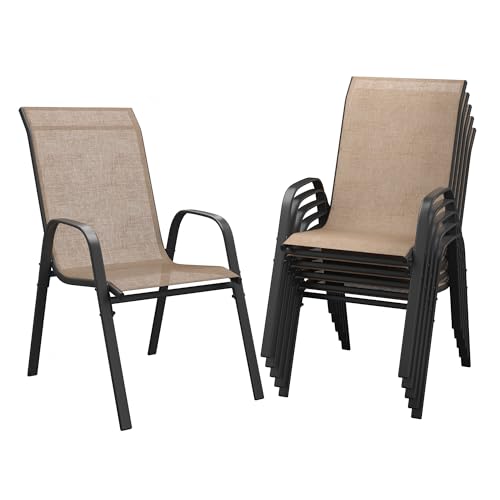
Sling chairs stretch a quick drying fabric across a metal frame, so they need no cushion and shed rain easily. Many fold flat or stack, which suits small patios, balconies, and anyone who wants to bring chairs inside between uses. They are light, affordable, and easy to move around the garden.
Bistro and Dining Chairs
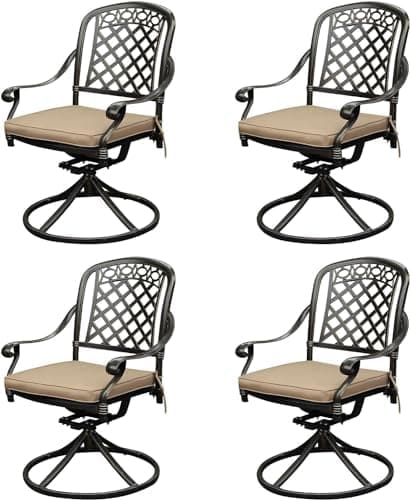
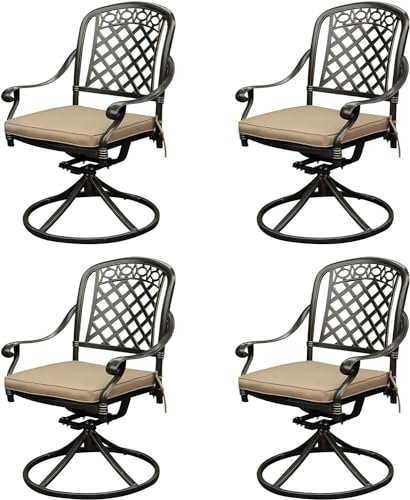
Bistro chairs are compact, upright seats meant for a small table, perfect for morning coffee on a narrow terrace. Full size dining chairs pair with a larger table for outdoor meals. Pay attention to seat height so the chairs match your table, and see our guide to the best patio dining set options if you want everything matched.
Rocking and Reclining Chairs
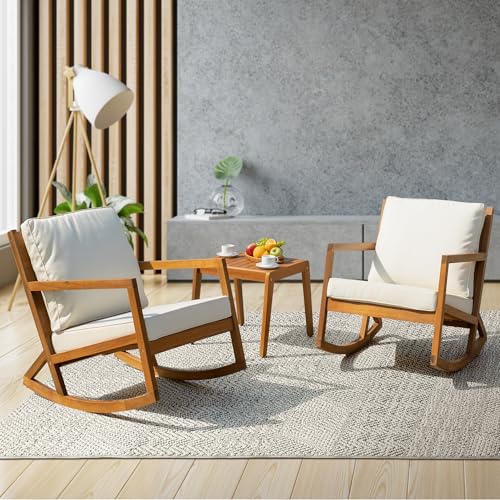
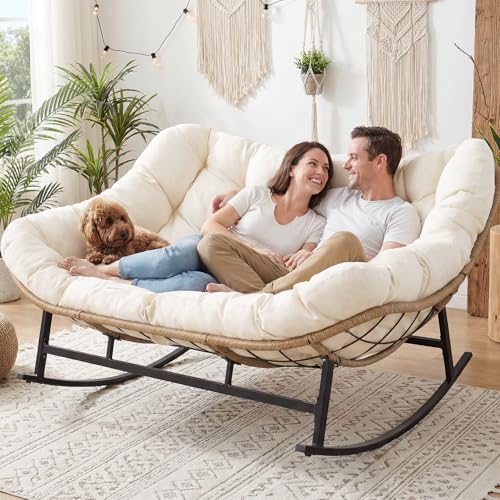
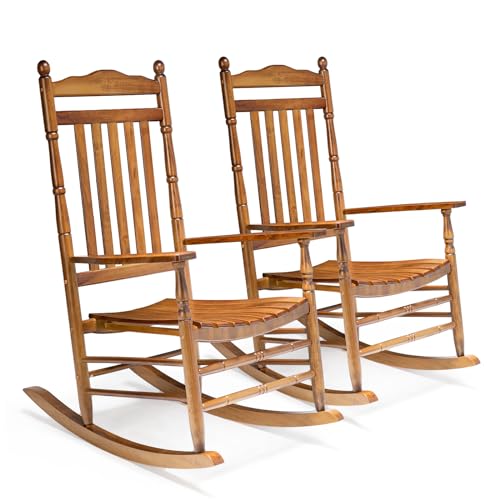
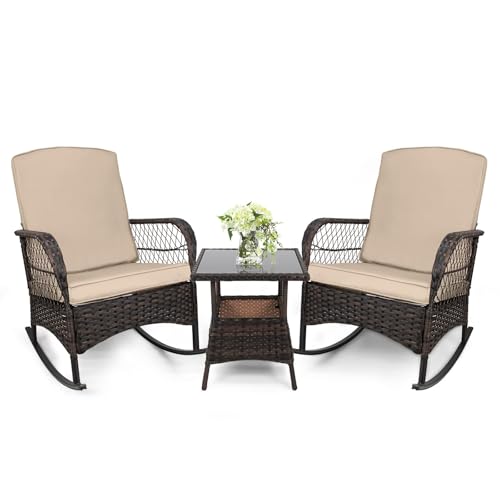
Rockers and recliners are about relaxation. A rocker suits a covered porch or a shady corner of the garden, while recliners and chaise lounges let you stretch out by the pool or on the lawn. These chairs take up more room, so measure your space first. Browse the best outdoor rocking chairs for more ideas.
Wicker Lounge Chairs
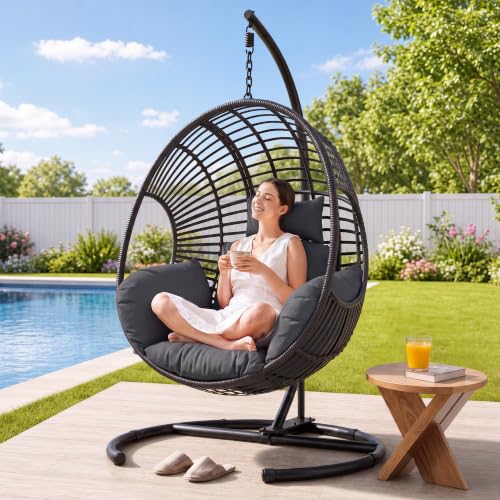
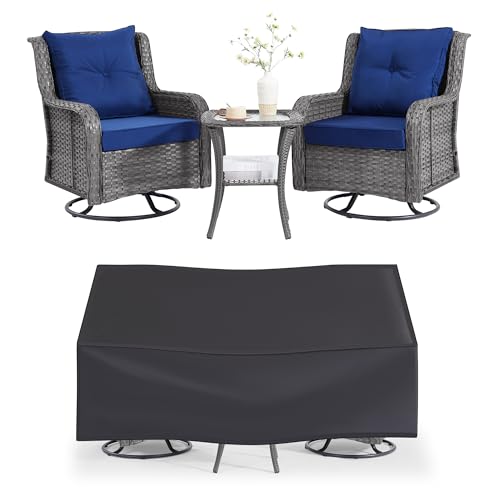
All weather wicker chairs weave synthetic resin over an aluminum or steel frame, then add deep cushions. They feel like living room furniture outdoors, making them great for conversation areas on a deck or patio. Choose resin wicker, not natural rattan, for anything left out in the weather.
Key Specs Explained in Plain English
Product listings are full of terms that can be confusing. Here is what the most important ones mean for you.
Materials: Aluminum, Steel, Wood, Resin, and Wicker
Aluminum is lightweight and does not rust, which makes it one of the easiest metals to live with outdoors. Steel is heavier and very sturdy, but it needs a good powder coated finish to keep rust away. Teak and acacia bring natural warmth; both last well, though they need occasional oil to keep their color. Resin and plastic chairs are cheap, light, and easy to clean. All weather wicker, made from PE resin, resists sun and rain far better than natural fiber. If you want a set that handles every season, our roundup of the best all weather outdoor furniture is worth a look.
Comfort, Seat Height, and Cushions
For dining chairs, a seat height of about 17 to 19 inches suits most tables. Lounge chairs sit lower and deeper for relaxing. Cushions add comfort, but choose covers made with solution dyed fabric, which resists fading, and quick drying foam that will not stay soggy after rain. You can upgrade later with the best outdoor cushions if your chairs come without padding.
Stability on Grass and Uneven Ground
A chair that feels steady on a deck may wobble on a lawn. Narrow legs sink into soft grass and tip easily. Wider feet, sled style bases, or cross bars that connect the legs spread the weight and stay level. For uneven ground, chairs with broad, flat runners are usually the safest choice.
Weight Capacity
Most outdoor chairs list a weight capacity, commonly somewhere between 250 and 400 lb. Choose a rating comfortably above the heaviest person who will use the chair, especially for rockers and folding designs that put extra stress on joints. If no capacity is listed at all, treat that as a warning sign.
Storage: Stackable and Foldable Designs
Stackable chairs nest on top of one another, which saves space in a shed or garage over winter. Foldable chairs collapse flat and can hang on a wall. Both are smart choices if your yard is small or if you entertain often and need extra seats only occasionally. Check the listing for how many chairs stack safely.
Rookie Mistakes to Avoid
The most common mistake is buying a chair for its looks without considering comfort. A stylish chair that you cannot sit in for more than ten minutes will end up unused. Another is forgetting that cushions need to come inside during storms, or they will mildew and fade. Many first time buyers also choose bare or poorly coated steel, which can rust within a season in a wet climate. Finally, watch seat height. Very low lounge chairs can be hard for older relatives to get out of, so make sure at least some of your seating is easy to stand up from.
Getting Started: Care and Off Season Storage
A little routine care goes a long way. Wipe frames with mild soap and water every few weeks, and rinse off pollen and bird droppings promptly. Use waterproof covers during long rainy spells or when the chairs are not in use. Bring cushions indoors or into a deck box when storms are on the way and over the winter. At the start of each season, check all screws and bolts and tighten anything that has worked loose. Wood chairs benefit from a fresh coat of oil once a year.
Frequently Asked Questions
What is the most durable material for garden chairs?
Powder coated aluminum, HDPE poly lumber, and teak are among the most durable choices. Aluminum resists rust and stays light, HDPE will not rot or fade easily, and teak naturally handles moisture well. Your climate and budget will decide which is best for you.
Can garden chairs be left outside all year?
Some can. Aluminum, HDPE, and teak chairs are built to withstand weather, though covers or storage still help them last longer. Cushions, cheap plastic, and untreated wood should be stored during winter or long periods of rain to avoid cracking, mildew, and fading.
What garden chairs are most comfortable?
Deep seated wicker lounge chairs with thick cushions, reclining chairs, and well shaped Adirondack chairs are usually the most comfortable for long sessions. For dining, look for contoured seats and backs with an appropriate seat height. Comfort is personal, so check seat depth and back angle in the listing.
Are plastic garden chairs worth buying?
Yes, for the right purpose. Plastic chairs are affordable, light, and easy to clean, making them a good choice for occasional use, extra guest seating, or households with kids. Thicker resin or HDPE models last much longer than thin, cheap versions, so it is worth spending a little more.
Wrapping Up
Start with how you plan to use your outdoor space: lounging, dining, or both. Then match the chair style to that purpose and choose a material suited to your climate. Check comfort, stability, and storage options, and you will be well on your way to choosing the best garden chairs for your yard. When you are ready, browse the product table above to compare current options and find the chairs that fit your space.