
Best All-Weather Outdoor Furniture: A Complete Buying Guide
Disclosure: We may earn a commission when you buy through links on this page, at no extra cost to you. As an Amazon Associate I earn from qualifying purchases. Learn more
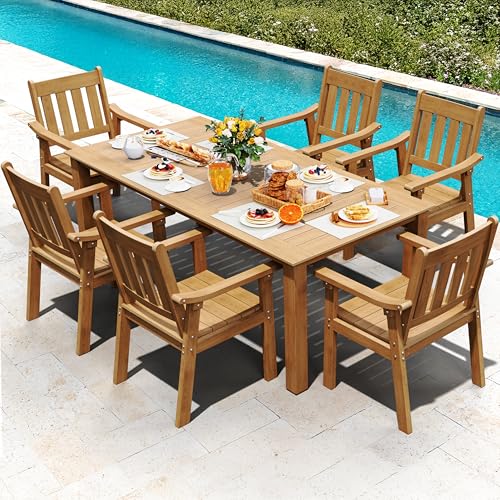
Shopping for a patio set that can handle sun, rain, and humidity without falling apart is trickier than it looks. Plenty of furniture gets labeled all-weather outdoor furniture on the tag, but the term covers a wide range of actual quality, from furniture that genuinely survives years outside to pieces that crack or mold within a single season. This guide breaks down what actually makes furniture weather resistant, from the resin weave and the frame underneath it to the cushion fabric, so you know what you're really paying for.
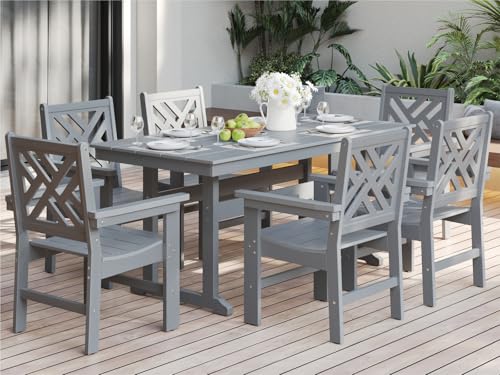


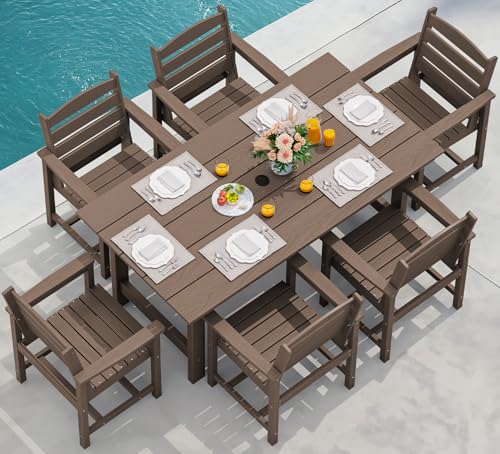

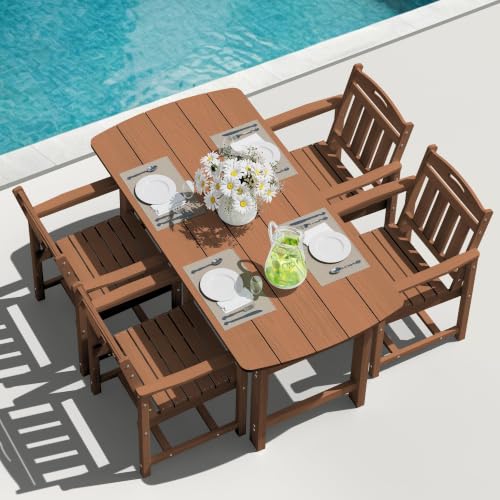


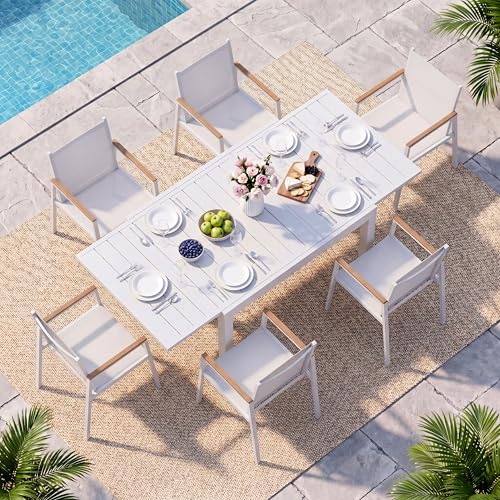
What "All-Weather" Actually Means for Outdoor Furniture
The phrase all-weather outdoor furniture gets used loosely by retailers, and that makes it a poor signal on its own. What matters is whether the specific materials in a piece are built to handle the conditions your patio actually sees: intense UV exposure, repeated wetting and drying, humidity that encourages mold, and in colder regions, freeze thaw cycles that can crack weaker plastics or trap water inside a frame.
What These Materials Are Actually Built to Survive
Genuine outdoor-rated furniture is engineered so its weave, frame, and hardware all resist moisture and sun at the same time, not just one component. A synthetic weave that shrugs off rain is only half the equation if the metal frame underneath it corrodes, or if the cushion foam soaks up water and stays damp for days. Look at the whole assembly, not just the part you can see and touch in a showroom.
Signs a "Weatherproof" Label Doesn't Mean Much
A few warning signs are worth watching for before you buy. Thin, glossy plastic weave that flexes easily and smells strongly of plastic often signals a lower grade resin that will stiffen and crack faster than advertised. Cushions with no removable cover, and foam that feels dense and closed rather than open and springy, are also a strong hint that moisture will become a problem later even if the frame itself holds up fine.
Resin Wicker and HDPE: Reading the Weave Before You Buy
Most furniture marketed this way uses a synthetic wicker weave rather than real rattan, and the type of resin used in that weave has more effect on longevity than almost anything else in the piece. This section matters most if you're comparing sectionals, loveseats, or conversation sets rather than a solid metal design like a cast aluminum patio set, where the frame itself is the visible surface instead of a woven shell.
HDPE vs PVC Wicker
High-density polyethylene, usually shortened to HDPE, is the resin most buying guides point to as the stronger option. It's UV stabilized during manufacturing, stays flexible in cold weather, and tends to hold its color and shape for many years outdoors. PVC wicker is cheaper to produce and looks nearly identical on a showroom floor, but it relies on plasticizers to stay flexible, and those plasticizers break down under sun exposure over time. The result is weave that gradually stiffens, then cracks or splits at stress points like arm rests and seat edges.
Weave Density and How It's Attached
Beyond the resin type, look at how tightly the weave is packed and how it's fastened to the frame. A dense, tightly woven surface sheds water faster and resists sagging under weight better than a loose or open weave. Strands that are individually secured to the frame, rather than simply wrapped and glued, hold up much better to years of sitting, leaning, and cushion shifting.
The Frame Hiding Under the Weave
Every piece of resin wicker furniture is built around a hidden frame, and that frame does most of the structural work. It's easy to focus entirely on the weave since that's what you see and touch, but the frame determines whether the piece stays solid or starts to wobble and rust from the inside out.
Aluminum vs Steel Frames
Aluminum is the more common choice for weather-resistant furniture because it simply doesn't rust, stays relatively light, and needs almost no upkeep. Its main tradeoff is weight: lighter furniture can shift or tip more easily in strong, sustained wind. Steel frames add real heft and stability, which is useful in open or gusty yards, but steel needs a quality protective coating to resist corrosion, and any scratch or chip in that coating becomes a spot where rust can start.
Hardware and Connectors Matter Too
Screws, brackets, and joint connectors are small details that get overlooked, yet they're often the first thing to fail. Stainless steel or coated hardware resists rust far longer than plain zinc-plated screws, which can streak and corrode within a season or two of rain exposure, even when the main frame is holding up fine.
Cushions and Fabric That Won't Trap Moisture
Cushions are usually where "all-weather" claims fall apart fastest, since fabric and foam absorb water differently than a resin weave or metal frame does. This is one of the biggest gaps between furniture that genuinely survives outdoors and furniture that just looks like it should. For a deeper look at fabric options specifically, the site's outdoor cushions buying guide covers this in more detail.
Solution-Dyed Fabric vs Standard Polyester
Solution-dyed fabric has color mixed into the fiber itself during production, rather than sprayed onto the surface afterward, which makes it far more resistant to fading and staining. Standard polyester or cotton-blend cushion covers, by contrast, tend to fade noticeably within a season or two of direct sun and can hold onto stains and mildew odor once they get wet.
Foam That Drains Instead of Holding Water
Open-cell, quick-dry foam is designed to let water pass through and drain out rather than soak in and sit. That difference matters enormously after a rainstorm: quick-dry foam can be usable again within a few hours, while standard closed-cell foam can stay damp for days, which is exactly the environment mold and mildew need to take hold.
Frequently Asked Questions
What does "all-weather" mean for outdoor furniture?
It means the frame, weave, and cushions are made from materials designed to resist sun, rain, and humidity without rotting, rusting, or rapidly fading. It doesn't mean zero maintenance is required, and quality varies significantly between brands and price tiers.
Is resin wicker better than natural wicker?
For outdoor use, yes. Natural wicker is made from organic fibers that break down when repeatedly wet, while resin wicker is a synthetic weave engineered specifically to resist moisture and UV exposure without decaying over time.
What is the difference between HDPE and PVC wicker?
HDPE is a sturdier, UV-stabilized resin that holds its color and flexibility for years, while PVC is a cheaper alternative that tends to become brittle and crack sooner as its plasticizers break down under sun exposure.
Can all-weather furniture stay outside all winter?
Many pieces are designed to handle year-round exposure, but heavy snow load, ice, and freeze thaw cycles can still stress frames and joints over time. Using a breathable, waterproof cover during winter, or moving furniture to a covered area, extends its life even when the label says all-weather.
Does all-weather wicker fade in the sun?
Lower-quality or non-UV-stabilized resin can fade or discolor after a few seasons of direct sun. UV-stabilized HDPE resin resists fading far better, though even quality resin will show gradual, slight color change over many years outdoors.
How do you keep outdoor cushions from getting moldy?
Choose cushions with quick-dry, open-cell foam and solution-dyed fabric covers, stand cushions on edge after rain so they drain and air out, and store them in a dry space during long stretches of wet weather when possible.
Getting a Set That Actually Holds Up
The materials that make furniture genuinely weather resistant are consistent no matter what style you're shopping for: a UV-stabilized resin weave, a rust-resistant frame with quality hardware underneath it, and cushion fabric and foam built to drain rather than absorb. Checking those three things before you buy tells you far more about how a piece will hold up than the word "all-weather" printed on a tag ever will, and it's the difference between all-weather outdoor furniture that actually earns the name and a set that just looks the part for one season.


