Best Outdoor Chaise Lounge Chairs: Complete Buying Guide
Disclosure: We may earn a commission when you buy through links on this page, at no extra cost to you. As an Amazon Associate we earn from qualifying purchases. Learn more
Stretching out poolside or catching the afternoon sun only works if the chair underneath you actually holds up. A cheap lounger can wobble on uneven pavers, trap water in the cushion, or lose its recline function within a season. Finding the best outdoor chaise lounge chairs for your patio, deck, or pool deck comes down to a handful of practical details: the frame material, how the recline mechanism holds up over time, and cushions that dry fast instead of staying soggy after a rainstorm. This guide covers what to check before you buy, the main styles you will come across while shopping, and a few mistakes worth avoiding so your lounger lasts more than one summer.


What to Look for in an Outdoor Chaise Lounge Chair
Not every chaise lounge chair marketed for outdoor use is actually built to survive outdoors. These are the details that separate a chaise you will still enjoy years from now from one that ends up at the curb after a single season.
Frame Material and Weather Resistance
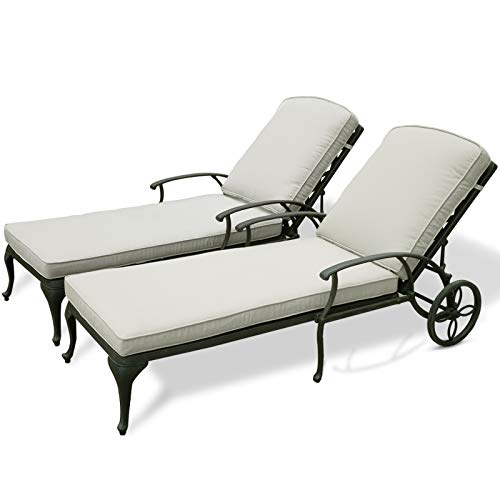
The frame decides how well a chaise handles sun, rain, and swings in temperature. Aluminum stays lightweight and rust-free, which makes it the easiest material to reposition around a pool deck. Wicker and rattan, especially synthetic versions, resist moisture and hold up well without much upkeep, while natural rattan should stay under some cover. Wood options like teak and eucalyptus bring a warmer look and naturally resist rot, though they need occasional oiling to avoid graying. Steel and wrought iron feel the sturdiest in wind but need a rust-resistant coating to survive humid climates long term.
Cushions and Fabric
A great frame does not matter much if the cushion stays wet for two days after a light shower. Look for quick-dry foam with a mesh or perforated core so water drains instead of pooling in the middle of the seat. Solution-dyed acrylic fabric resists fading far better than standard polyester, since the color runs through the entire fiber rather than sitting on the surface. Removable, machine-washable covers make cleaning easier and let you bring cushions in ahead of a storm without hauling the whole chair inside.
Recline Positions and Adjustability
Multiple recline positions, usually between three and five, let you shift from fully flat for sunbathing to a slight incline for reading or chatting. Check how the adjustment mechanism works before buying. A simple notched bar or ratchet tends to hold its position better over time than a lightweight pin system that can loosen with regular use. Smooth, sturdy hinges matter more than the number of positions listed on the box.
Wheels and Portability
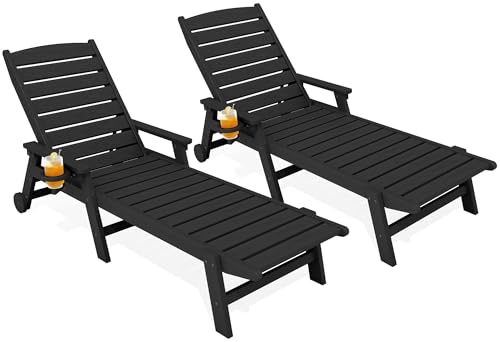
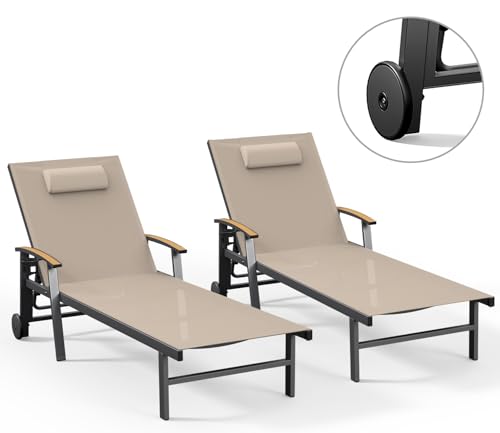
Wheels built into one end make it far easier to reposition a chaise around shifting shade or reorganize a pool deck without dragging the frame across pavers. Look for wheels large enough to roll over grass or uneven stone rather than tiny casters that only work on smooth concrete. If you rarely move your loungers once they are set up, this feature matters less, but it becomes valuable fast for anyone who rearranges seating often.
Weight Capacity and Frame Strength
Check the listed weight rating instead of assuming a chaise lounge chair built for one person can handle any amount of weight. Reinforced joints, thicker frame tubing, and a wide, stable base all point to a sturdier build that will not flex or wobble with regular use. This matters even more for loungers that get moved often, since a weak frame loosens up faster with repeated handling.
Types of Outdoor Chaise Lounge Chairs Explained
The style of an outdoor chaise lounge chair affects more than looks. Each type comes with its own tradeoffs in comfort, upkeep, and how well it holds up outdoors over time.
Sling and Strap Chaise Lounges
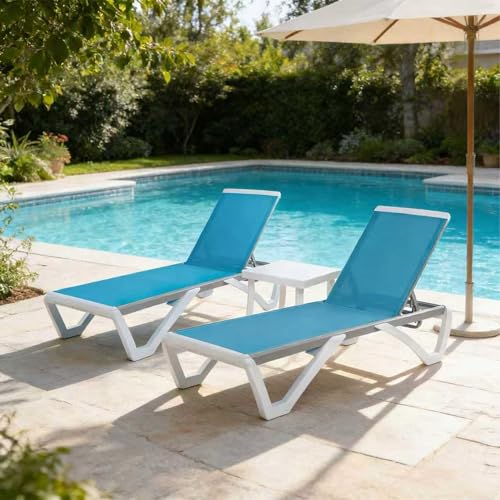
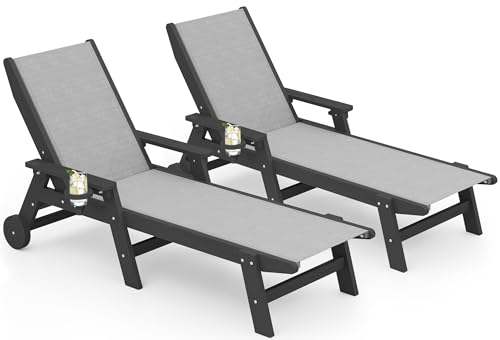
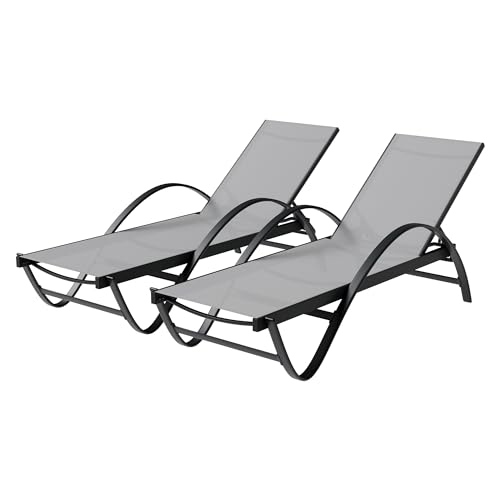
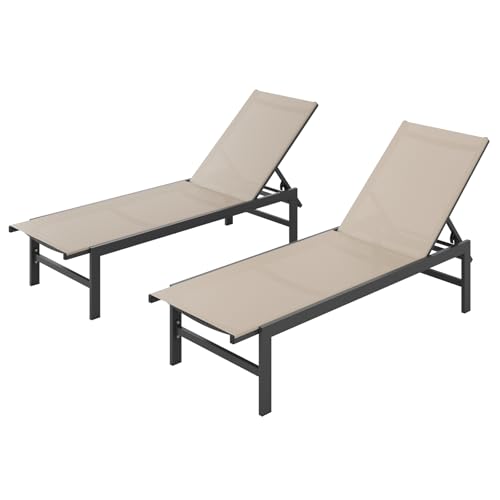
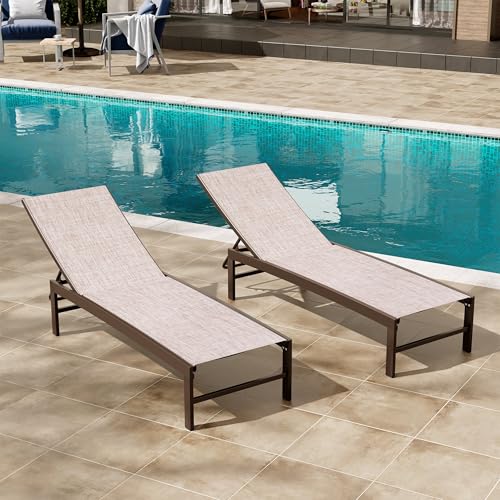
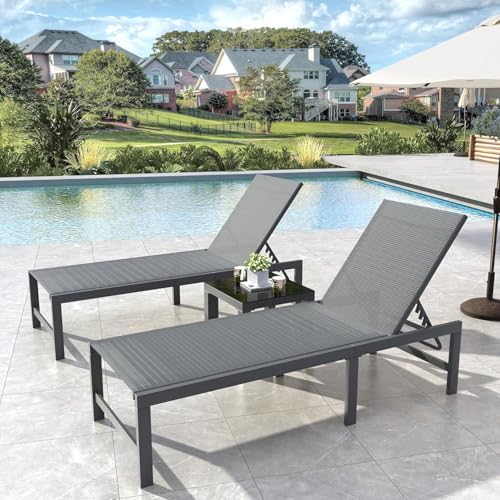
These use woven straps or a single piece of weather-resistant fabric stretched across a metal frame instead of a separate cushion. They dry almost instantly after rain, stay cooler in direct sun than cushioned styles, and are usually the lightest option to move around. The tradeoff is a firmer sitting surface, which some people find less comfortable for long stretches of lounging.
Cushioned Chaise Lounges
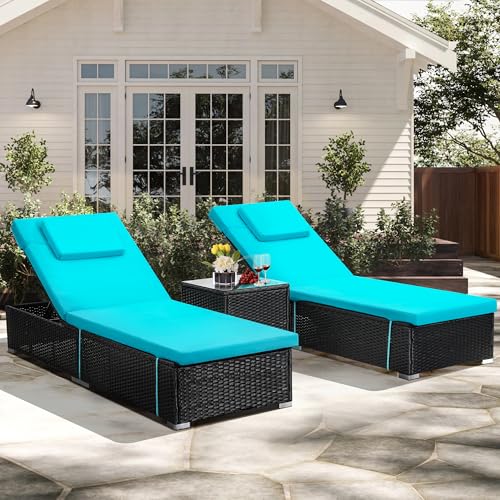
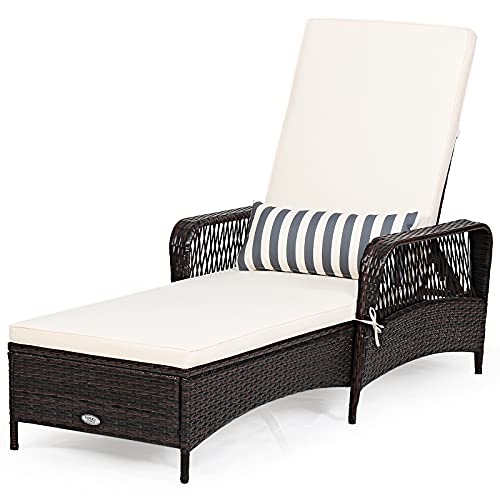
A thick cushion over an aluminum or resin frame delivers the most comfort for extended lounging, especially with quick-dry foam and a removable cover. These tend to be heavier and need more care than sling styles, since the cushion has to be dried, stored, or covered to avoid mildew and fading.
Wicker and Rattan Chaise Lounges
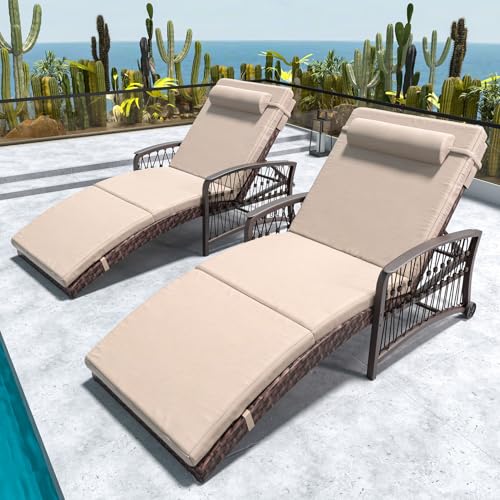
Synthetic wicker woven over an aluminum frame gives a classic, textured look without the rot risk of natural material. It handles humidity well and rarely needs more than an occasional rinse. Natural rattan looks similar but should stay under a covered patio, since prolonged sun and moisture will dry it out and cause cracking over time.
Wood Chaise Lounges
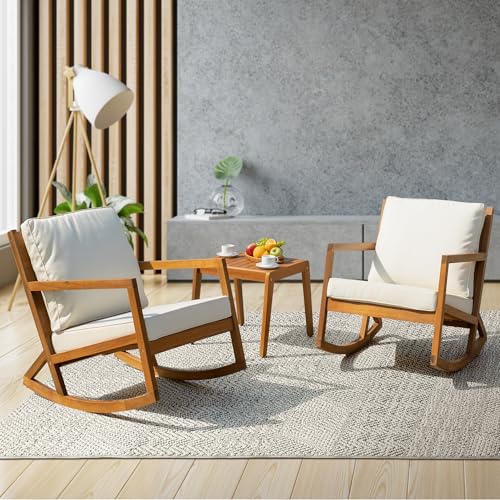
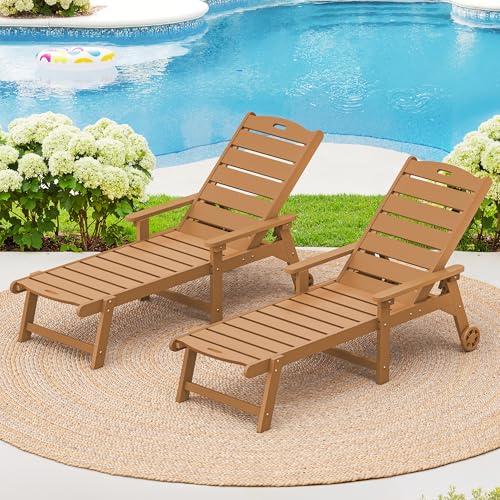
Teak and eucalyptus loungers bring a warm, natural look that suits a garden or cottage-style patio well. Teak in particular resists insects and rot on its own, aging to a soft gray patina if left untreated or staying golden brown with regular oiling. Wood generally needs more seasonal attention than metal or resin but tends to feel sturdier underfoot.
Stackable and Folding Chaise Lounges
If storage space is limited, stackable or folding designs let you tuck loungers away between uses or over the winter. They tend to use lighter frame materials to keep them manageable to lift and stack, which is worth weighing against the sturdier feel of a fixed-frame chaise.
Placement and Care Tips
A little planning around placement and upkeep goes a long way toward keeping any chaise lounge chair comfortable and good looking for years.
Placement Tips
Set loungers on a level, well-drained surface so the legs do not sink or wobble over time, and leave enough clearance for people to walk past comfortably. Positioning a chaise near reliable shade matters more than most people expect, and pairing it with a well-placed patio umbrella keeps the cushions from fading as fast under constant direct sun.
A side table or small cooler within reach also makes poolside lounging far more comfortable, and a compact patio cooler keeps drinks cold without a trip back inside.
Cushion and Fabric Care
Wipe cushions down regularly and let them air dry fully before storing them to avoid mildew. Removable covers should go in the wash on a gentle cycle, then air dry rather than going in a dryer, which can damage the fabric coating. Adding a couple of weather-resistant chair pillows can boost comfort on a firmer sling or wicker chaise without needing a full cushion replacement.
Seasonal Maintenance
Wood frames benefit from a fresh coat of sealant or oil once or twice a year to prevent graying and cracking. Metal frames should be checked at the joints for rust, especially after winter storage in a damp shed or garage. A breathable outdoor cover protects any material from prolonged sun and rain when the chaise lounge chair is not in regular use, extending its lifespan noticeably.
Common Mistakes to Avoid
A few avoidable choices shorten the life of an otherwise solid chaise lounge chair or leave you disappointed with the fit. Watch for these before you order.
- Choosing a recline mechanism without checking how sturdy it feels, then dealing with a hinge that loosens within months.
- Skipping the weight rating and ending up with a frame that flexes or wobbles under normal use.
- Picking fabric or foam that is not rated for outdoor use, then watching it fade or hold water within a season.
- Leaving natural rattan or untreated wood exposed to constant sun and rain without any protection.
- Buying based on looks alone without checking seat width, length, and recline range against your own height.
- Forgetting to budget for a storage cover, which shortens the lifespan of nearly every material type.
Frequently Asked Questions
What is the difference between a chaise lounge and a regular lounge chair?
A chaise lounge has an elongated seat that supports your legs fully, letting you lie back rather than just sit. A standard lounge chair usually has a shorter seat meant for sitting upright or slightly reclined rather than lying flat.
What material is best for outdoor chaise lounge chairs?
Aluminum and synthetic wicker are generally the most durable, low-maintenance choices since neither rusts or rots. Teak is the strongest wood option if you prefer a natural look and do not mind occasional oiling.
How much weight can an outdoor chaise lounge chair hold?
Most standard loungers are rated to hold between 250 and 350 pounds, though reinforced frames can handle more. Always check the manufacturer's listed capacity rather than assuming based on size alone.
Can outdoor chaise lounges be left outside all winter?
Aluminum and resin wicker frames generally tolerate winter weather fine with a protective cover, though bringing cushions indoors is always a good idea. Wood frames benefit from a sealant application before winter and a cover to prevent moisture damage during freezing temperatures.
How do you clean outdoor chaise lounge cushions?
Most cushions with removable covers can be spot cleaned with mild soap and water, then air dried in the sun to prevent mildew. Check the care label first, since some fabrics tolerate machine washing while others need hand cleaning only.
What is the best recline angle for a chaise lounge?
There is no single best angle since it depends on use. A fully flat position suits sunbathing, while a moderate incline around 30 to 45 degrees works better for reading or relaxing with a drink in hand. Loungers with multiple notched positions give you the flexibility to switch between both.
Do chaise lounge chairs need wheels?
Wheels are not required but make a real difference if you plan to reposition your loungers often to follow shade or rearrange a pool deck. If your seating stays in one fixed spot most of the season, wheels matter far less than frame stability and comfort.
Final Thoughts
The best outdoor chaise lounge chairs for your home come down to matching frame material, cushion quality, and recline design to how you actually plan to use them. A lightweight aluminum or sling model suits anyone who wants easy repositioning and minimal upkeep, while a wood or heavily cushioned chaise rewards a bit of seasonal care with more comfort and a warmer look. Checking weight capacity, recline mechanism sturdiness, and weather resistance before you buy will save you from a lounger that wobbles or fades long before it should.