Best Air Compressor for Home Garage: A Buying Guide

Nothing stalls a garage project faster than a compressor that runs out of air mid task, whether that's a nail gun stuttering halfway through a trim run or an impact wrench bogging down on a stubborn lug nut. Finding the best air compressor for home garage use isn't about grabbing the biggest tank on the shelf. It comes down to matching CFM output, tank capacity, and your garage's electrical setup to the tools you actually plan to run. This guide walks through how to size a compressor correctly, when a two-stage model earns its higher price, what your circuit needs to support it, and how much noise you should realistically expect.

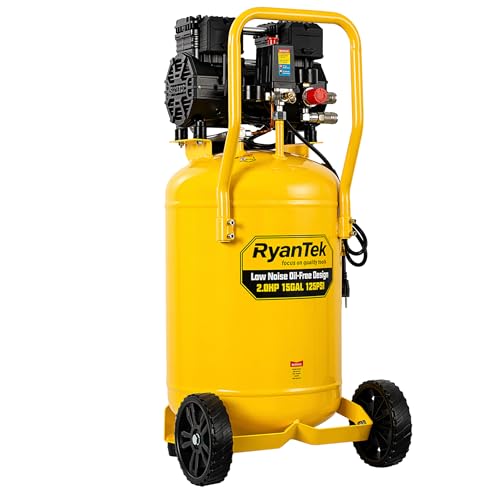
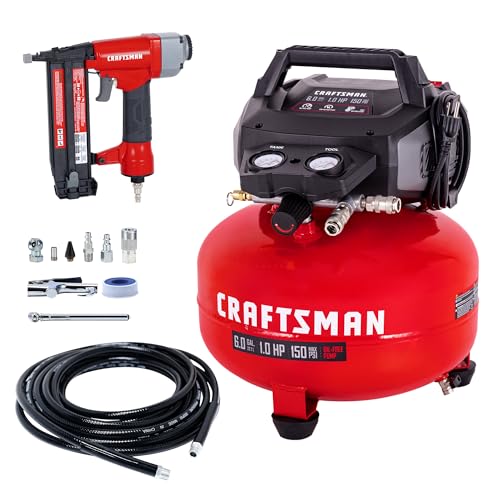
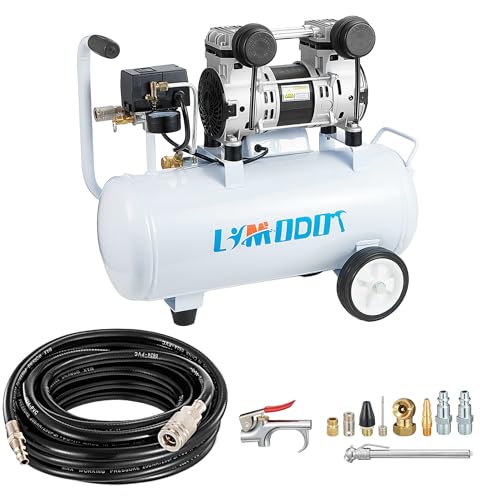
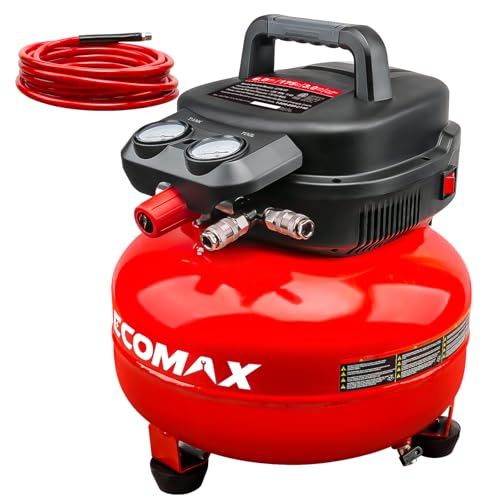
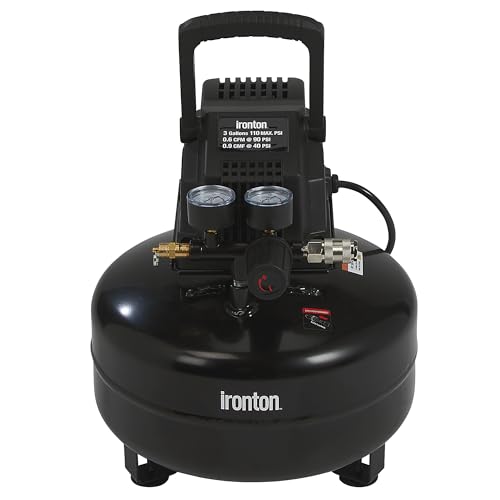
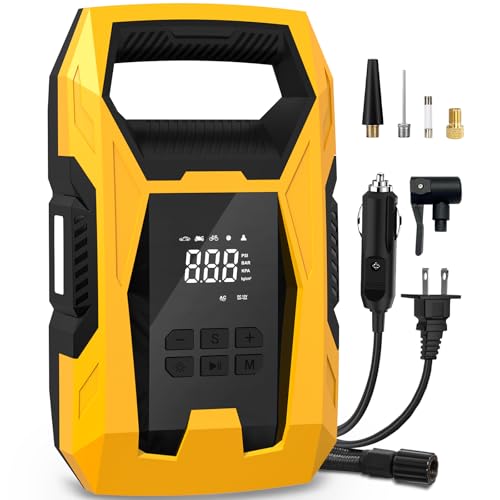
Sizing CFM and Tank Capacity to the Tools You'll Run
Before comparing any specs, it helps to know which number actually predicts whether a compressor can keep up with your work. Tank size and horsepower get most of the attention on a spec sheet, but neither one tells you what you really need to know.
Why CFM Matters More Than Tank Size
CFM, or cubic feet per minute, measures how much air a compressor can deliver continuously once the tank runs down, typically rated at 90 PSI since that's where most air tools operate. A tool's CFM requirement is the number you should size around first. A common rule of thumb is to take your most demanding tool's rated CFM and add roughly 50 percent of headroom, so the pump isn't running flat out just to keep pace with normal use.
Matching CFM to Common Garage Tools
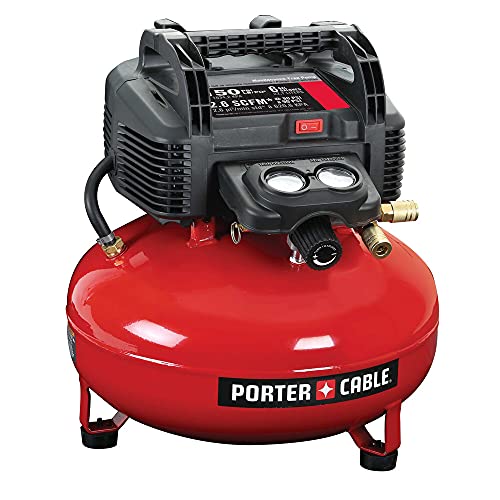
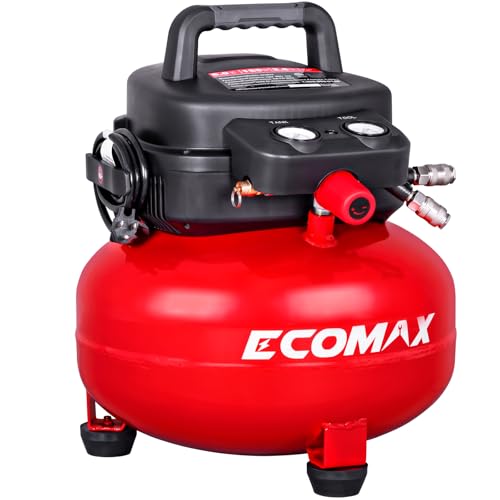
Light tasks like inflating tires or running a brad nailer typically need well under 2 CFM, which even a small pancake style unit can handle without breaking a sweat. A pneumatic nail gun for framing or trim work usually falls in the 2 to 5 CFM range depending on size, and it draws in short bursts rather than continuously, so it's more forgiving on a smaller pump.
An impact wrench is a bigger draw, often needing 4 to 8 CFM for a half inch drive, while a sander, die grinder, or spray gun can pull past 10 CFM and run for longer stretches at a time. If your tool list includes anything in that upper range, size your compressor to that specific tool's demand, not to an average of everything else on your bench.
How Much Tank Capacity Actually Helps
Tank capacity doesn't add CFM, it only stores air so the pump doesn't have to cycle constantly. A larger tank buys you longer bursts of use before the motor kicks back on, which matters for tools you run in short, hard pulls, but it won't rescue an undersized pump from a tool that needs sustained, high CFM output. Think of tank size as a buffer, not a substitute for choosing the right pump in the first place.
Single-Stage vs Two-Stage: Which Fits a Home Shop
Once you know your CFM target, the next decision is pump design, and this is where garage compressors genuinely split into two distinct categories rather than a dozen marketing variations.
What a Single-Stage Compressor Handles Well
Single-stage compressors compress air in one stroke and typically top out around 125 to 150 PSI. They're the standard choice for home garages because they're less expensive, simpler to service, and more than capable of occasional tool use, painting projects, and general shop work. For most weekend DIYers, a well-sized single-stage unit covers everything on the tool list without added cost or bulk.
When a Two-Stage Compressor Is Worth the Jump
Two-stage compressors push air through a second, smaller cylinder for extra compression, which lets them sustain higher CFM at higher pressure over longer stretches. A 60 gallon two-stage setup is often described by hobbyists as the practical sweet spot for a serious home shop, since it handles back to back tool use without constant motor cycling. That capability comes with a larger footprint, a higher price, and more noise, so it's worth the jump mainly if you're running air tools for extended sessions rather than short, occasional bursts. Weigh that trade-off honestly before you shop, since it's really what separates a good pick from the best air compressor for home garage work at your specific duty cycle.
Power and Circuit Requirements Before You Buy
Electrical compatibility gets overlooked more than any other spec, and it's the one that can turn a purchase into a return if you skip it.
Running on a Standard 110 to 120V Outlet
Most compressors under 2 horsepower are built to run on a standard 110 to 120 volt household circuit, which covers the majority of single-stage models sold for home use. That makes them the simpler choice if your garage only has standard outlets and you don't want to modify the electrical panel before you can start using the compressor.
When You'll Need a Dedicated 220 to 240V Circuit
Larger compressors, especially two-stage models above roughly 5 horsepower, generally need a dedicated 220 to 240 volt circuit with heavier gauge wiring, since running that much motor on a standard household line risks tripped breakers or overheating. If your garage is detached or wasn't originally wired for shop equipment, running a new circuit usually means an electrician visit, so it's worth confirming your panel's capacity and available breaker space before you commit to a bigger unit. A properly sized portable generator can bridge the gap temporarily for a detached garage that isn't wired yet, though it's not a long-term substitute for a dedicated circuit if you'll be running the compressor regularly, since most generators struggle to handle a compressor's startup surge alongside other tools.
Noise and Where You'll Actually Put It
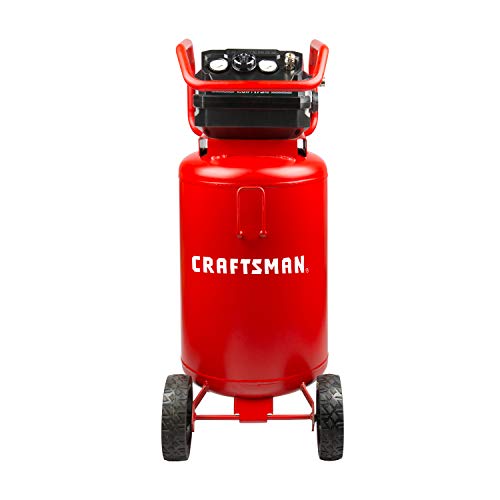
Noise is easy to underestimate until the compressor is actually running, especially in an attached garage or a neighborhood where walls and driveways sit close together. Small single-stage units typically fall in the 70 to 90 decibel range, roughly comparable to a running vacuum, while larger two-stage compressors under load can reach 80 to 100 decibels, closer to a lawn mower. Oil-lubricated pumps generally run quieter than oil-free ones of similar size, which is worth factoring in if the garage shares a wall with a bedroom or home office. Placement matters too. A compressor tucked in a corner away from living space, or mounted vertically to save floor room, is easier to live with day to day than one sitting in the middle of your main work area. A longer hose or a hose reel can also cut down on how often you need to relocate the whole unit, which helps if your workbench and your tire inflation spot are on opposite sides of the garage. If your actual need is closer to airing up tires on the go rather than running shop tools at home, a dedicated portable air compressor for the car is a lighter, quieter option than a full garage setup.
Frequently Asked Questions
What size air compressor do I need for a home garage?
For occasional tasks like inflating tires or running a brad nailer, a small single-stage unit with a 20 to 30 gallon tank is usually enough. If you're running impact wrenches or sanders regularly, look at 60 gallons or larger with higher sustained CFM.
What's the difference between a single-stage and a two-stage air compressor?
Single-stage compressors compress air once and typically cap out around 125 to 150 PSI, which handles most home garage tasks. Two-stage compressors compress air twice, delivering more CFM at higher sustained pressure for continuous, heavier use.
Do I need a 220V outlet for a garage air compressor?
Not necessarily. Most compressors under 2 horsepower run fine on a standard 110 to 120V household circuit. Larger two-stage units above roughly 5 horsepower typically need a dedicated 220 to 240V line, so check your panel before buying.
How loud is a typical garage air compressor?
Small single-stage units generally run between 70 and 90 decibels, similar to a vacuum cleaner, while larger two-stage models can reach 80 to 100 decibels under load. Oil-lubricated pumps tend to run quieter than oil-free models.
How much CFM do I need to run an impact wrench?
A half inch impact wrench typically needs 4 to 8 CFM at 90 PSI. Sizing your compressor with roughly 50 percent headroom above that number keeps the pump from running constantly and helps it last longer.
Is a bigger tank always better than a smaller one?
Not automatically. A larger tank stores more air and reduces how often the motor cycles during short bursts of use, but it doesn't increase CFM output. A tool that needs sustained high CFM will still struggle with an undersized pump regardless of tank size.
Oil-lubricated or oil-free, which is better for regular garage use?
Oil-lubricated pumps generally run quieter and hold up better under frequent use, but they need periodic oil changes. Oil-free pumps skip that maintenance but tend to be louder and wear out sooner under heavy or regular use.
Getting the Sizing Decision Right
Choosing the best air compressor for home garage use really comes down to being honest about what you'll run on it. If your projects are mostly light and occasional, a modest single-stage unit on a standard outlet will serve you well for years. If you're regularly running air tools back to back, sizing up to a two-stage compressor and confirming your circuit ahead of time will save you from constant cycling, tripped breakers, and a return trip to the store.