Best Electric Fondue Set: The Complete Buying Guide
Disclosure: We may earn a commission when you buy through links on this page, at no extra cost to you. As an Amazon Associate I earn from qualifying purchases. Learn more

Hosting friends around a pot of melted cheese or chocolate sounds effortless, until the pot scorches, the heat won't hold steady, or there aren't enough forks to go around. A good electric fondue set solves all three problems by trading an open flame for a plug-in base that holds a steady temperature for hours at a time. Not every model does this equally well, though, and the specs that matter most rarely stand out on a product page. This guide breaks down what actually separates a dependable electric fondue set from one that lets you down mid-party, plus how to match a set to the style of fondue you plan to make most.
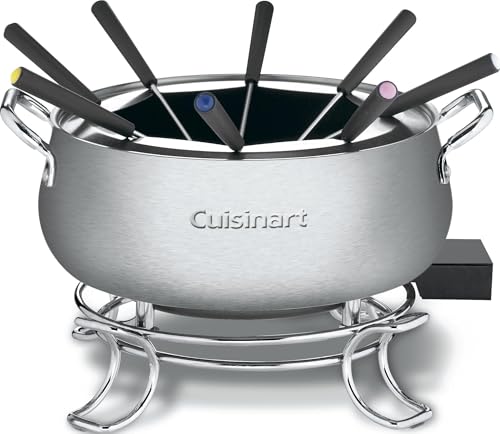
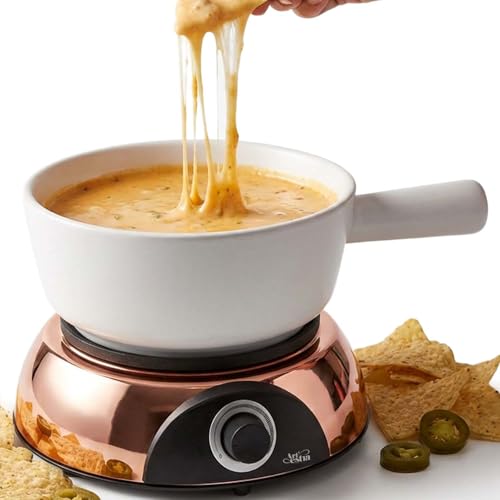
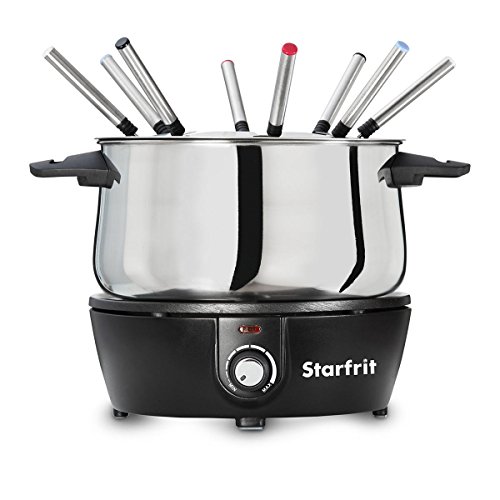
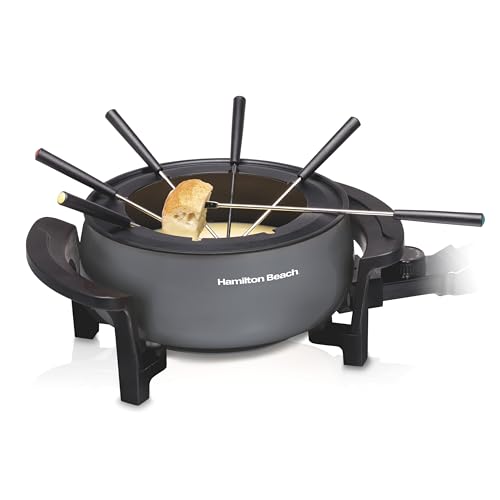
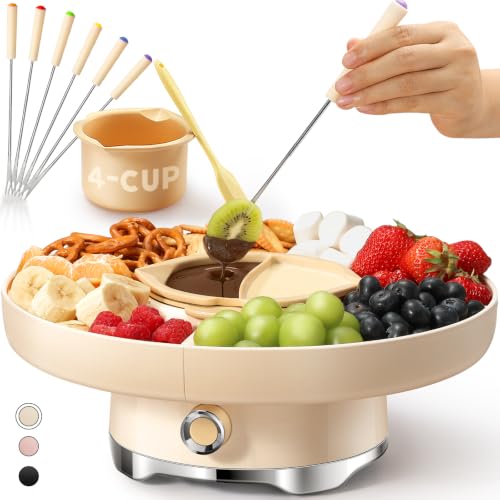
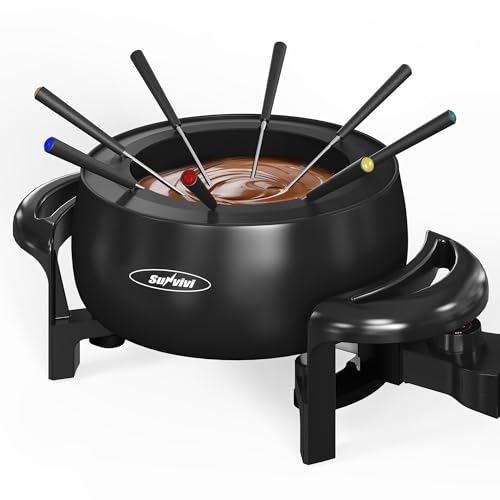
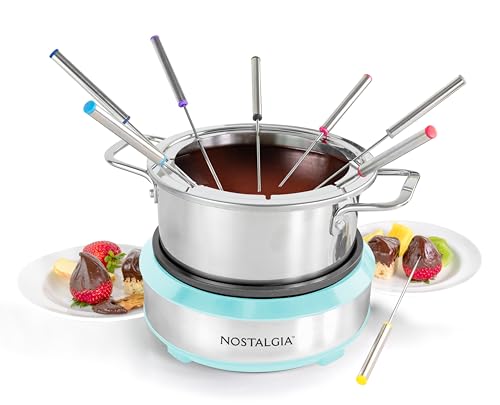
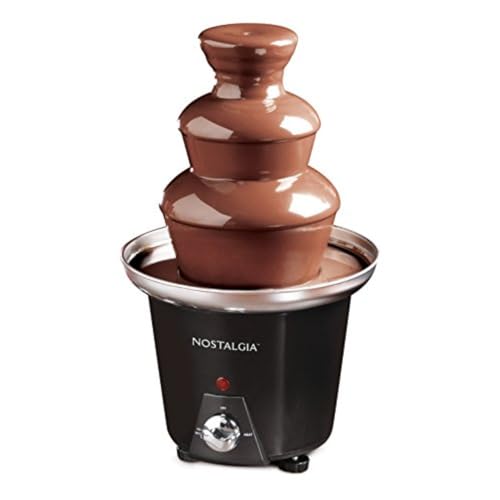
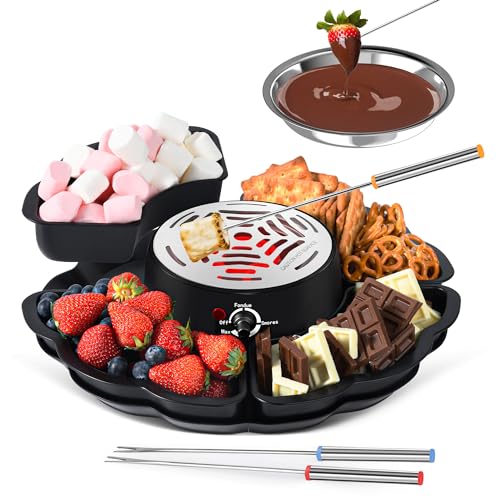
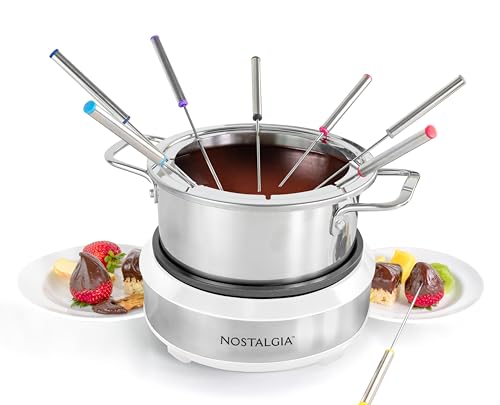
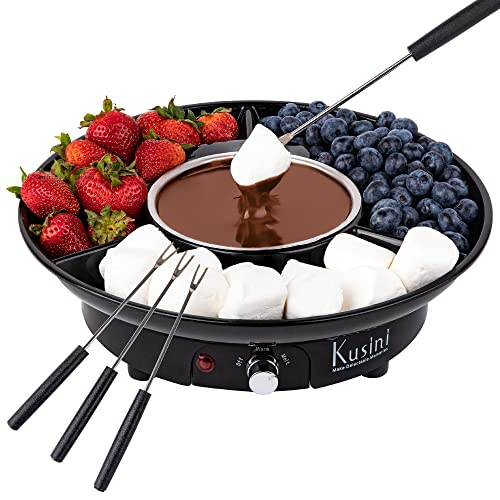
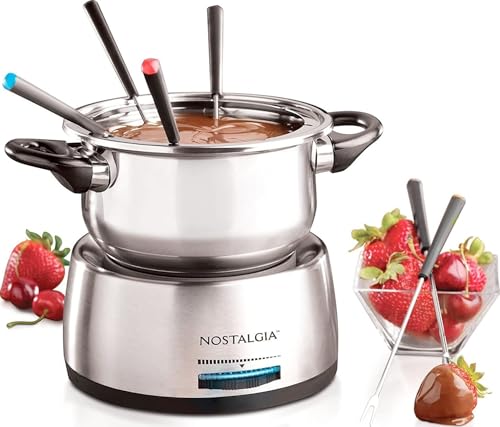
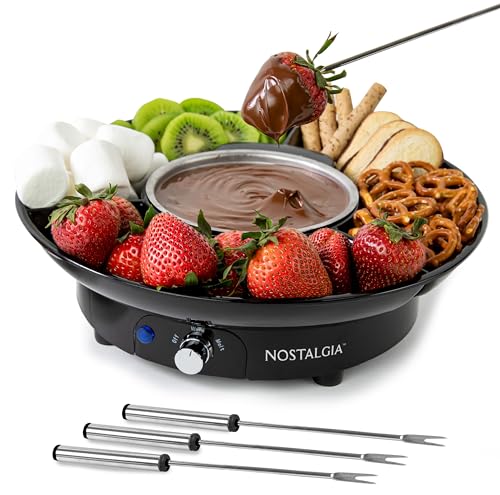
Temperature Control and Pot Material Work as a Pair
Most shoppers focus on wattage or capacity first, but the combination of temperature control and pot material is what actually determines whether your fondue turns out right. One without the other leaves gaps: a precise dial paired with the wrong pot material, or a great pot sitting on a base that only knows "on" and "off."
Why Precise Temperature Settings Matter More Than You Think
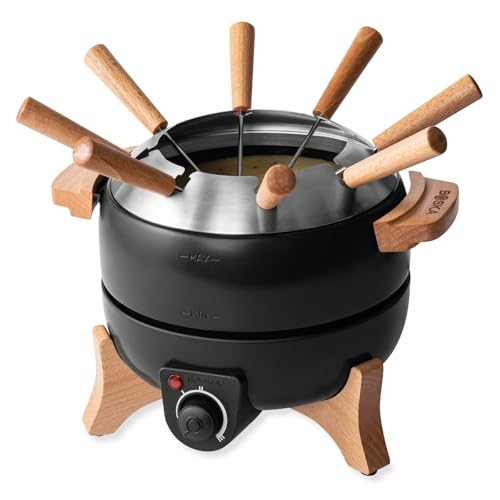
Different fondues need genuinely different heat. Chocolate scorches above roughly 120°F, cheese wants to sit closer to 130°F, broth should stay at a gentle simmer around 180-195°F, and oil for cooking meat needs to reach 325-375°F to fry properly instead of just warming the food through. A base with only low, medium, and high settings can't hit these narrow windows consistently, and a few degrees too hot is often the difference between silky cheese and a grainy, separated mess. Look for a numbered dial or digital display instead, ideally one that lets you adjust in small increments rather than jumping between three or four presets. Some higher-end bases also hold their set temperature within a couple of degrees on their own, which matters most during a long, slow-moving dinner when nobody's watching the pot closely.
Ceramic vs. Stainless Steel: Picking the Right Pot Material
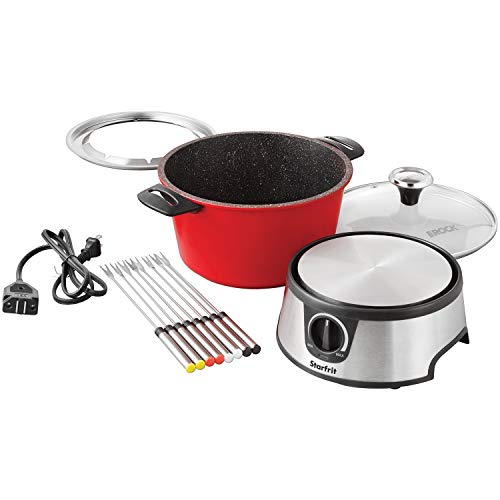
Ceramic pots heat slowly and hold that heat evenly, which is exactly what cheese and chocolate need since both scorch easily under direct, uneven heat. It's the same heat-retention quality that makes ceramic cookware popular for slow, gentle cooking on the stovetop. Stainless steel and other metal pots, on the other hand, handle the higher temperatures that oil and broth fondue require, and they tend to be more durable if you plan to use the set often. If you know you'll mostly make cheese or chocolate fondue, prioritize a ceramic insert. If oil fondue for meat is the goal, a metal pot rated for high heat matters more.
Cord Design and Other Safety Details to Check
A tabletop appliance with hot oil or bubbling cheese needs a cord that won't drag the whole pot down if someone catches a foot on it. Many electric fondue sets now use a magnetic breakaway cord that detaches cleanly under tension instead of pulling the base over. A cord length of at least 38 inches also gives you more flexibility in where you place the set on the table. A wide, stable base and a built-in stand for the forks are worth checking too, since both cut down on accidental spills during a busy dinner.
Sizing an Electric Fondue Set to Your Guest List
Capacity is where a lot of buyers guess wrong, either ending up with a pot too small for their usual group or one that's overkill for weeknight use.
Capacity to Serving Size, By the Numbers
A 1 to 1.5-quart pot is genuinely enough for two people at a standard six-ounce serving each. Step up to a 3-quart set and you're comfortably covering six to eight guests, which is the sweet spot for most dinner parties. Anything smaller stretched across a full table means refilling mid-meal, which cools the pot down and throws off your temperature control right when you need it most. It's usually worth sizing up slightly rather than down, since a partly-full larger pot still works fine, but an undersized one forces you to babysit refills all evening.
Forks, Skewers, and Color-Coding for Groups
Check that the number of forks included actually matches the pot's intended capacity, since some sets are sold with fewer forks than the serving size suggests. Color-coded fork handles are a small detail that solves a real problem: nobody wants to guess which fork just touched their neighbor's plate. For larger, buffet-style gatherings where fondue is one of several dishes, a food warming tray can help keep everything else at serving temperature while the fondue pot does its own thing.
Matching the Set to the Fondue You Actually Want to Make
Not every electric fondue set is equally good at every style of fondue, so it helps to think about what you'll actually cook before you buy.
Cheese Fondue
Cheese needs low, steady heat and a pot material that won't create hot spots, which points back to ceramic. A wide, shallow pot also helps here since it keeps more surface area in contact with the forks and dippers as guests work through the pot.
Chocolate Fondue
Chocolate is even more heat-sensitive than cheese, and a set with fine-grained low-temperature control matters more than raw wattage. If chocolate is genuinely the only thing you plan to melt, and you're not interested in cheese, broth, or oil, a dedicated hot chocolate maker might actually suit you better than a full fondue setup.
Broth and Oil Fondue
These two run far hotter than cheese or chocolate, and not every electric fondue base is built to reach or sustain those temperatures safely. Before buying with meat cooking in mind, check the manufacturer's specs for a maximum oil temperature rather than assuming any electric set can handle it. A metal pot and a base with genuinely high top-end heat are non-negotiable if oil fondue is the plan.
Electric vs. Traditional Fuel-Burner Fondue Pots
Home cooking forums are split on this one, and both sides have a point. Traditional cast iron and ceramic pots heated with a gel or fuel burner give you a rustic table presence and don't rely on being near an outlet, which some cooks genuinely prefer. Electric sets trade that ambiance for consistency: no refilling fuel mid-meal, no guessing at flame height, and a temperature that holds steady on its own once it's dialed in. If your priority is precise, repeatable results with minimal fuss, electric wins. If you're set on the classic tabletop flame and don't mind managing it, a fuel-burner pot still has its place. For situations where you just need food to stay warm without any of the ceremony, a slow cooker can cover that job on its own.
Frequently Asked Questions
What temperature should an electric fondue pot be set to?
It depends on what you're making. Chocolate does best around 115-120°F, cheese closer to 130°F, broth at a simmer between 180-195°F, and oil needs 325-375°F to properly fry meat or vegetables.
How many people can a 3-quart electric fondue set serve?
A 3-quart pot typically serves six to eight people at a standard six-ounce portion per guest, making it the most common size for dinner parties. Smaller 1 to 1.5-quart pots suit couples or very small groups, while anything larger is really only worth it if you regularly host bigger crowds.
Is an electric fondue set better than a traditional fuel-burner pot?
Neither is objectively better. Electric sets offer steadier, more precise heat with less hands-on management, while fuel-burner pots give a more traditional tabletop experience without needing an outlet nearby. Which one suits you comes down to whether you value consistency or atmosphere more at the table.
What pot material works best for oil fondue?
Stainless steel or another heavy-gauge metal handles oil fondue better than ceramic, since it can safely reach and hold the higher temperatures frying requires.
Can every electric fondue set handle oil fondue for meat?
No. Some bases aren't rated to reach the 325-375°F range oil fondue needs, so check the manufacturer's maximum temperature before planning to cook meat in it.
What do magnetic breakaway cords actually do?
They're designed to detach cleanly if someone trips on the cord or pulls it, rather than dragging the hot pot off the table.
How do you clean an electric fondue pot?
Let the pot cool fully, then check whether the insert is dishwasher safe, many ceramic and nonstick inserts are, while the electric base itself should only ever be wiped down, never submerged.
Finding the Right Fit for Your Next Gathering
The right electric fondue set comes down to matching temperature control and pot material to the fondue style you'll make most, then sizing it honestly to how many people you actually host. Get those two decisions right and the rest, cord safety, fork count, cleanup, tends to fall into place on its own. A little extra attention at the buying stage saves you from discovering the hard way, mid-party, that your pot can't do what you needed it to.