Best Food Warming Tray for Home Buffets and Family Gatherings
Disclosure: We may earn a commission when you buy through links on this page, at no extra cost to you. As an Amazon Associate I earn from qualifying purchases. Learn more

Thanksgiving dinner is ready twenty minutes before anyone actually sits down, and by the time the whole family has filled their plates, the mashed potatoes have gone lukewarm and the gravy has a skin on top. A food warming tray fixes exactly this problem for home hosts, letting you plate everything at once and keep it at serving temperature through a long meal, a potluck, or a weekend open house, without the bulk of restaurant-style equipment. Here's how to figure out what size and style actually fits your table, how to set it up so nothing dries out, and how long you can reasonably let dishes sit before quality starts to slip.
How Many Dishes You're Actually Trying to Keep Warm
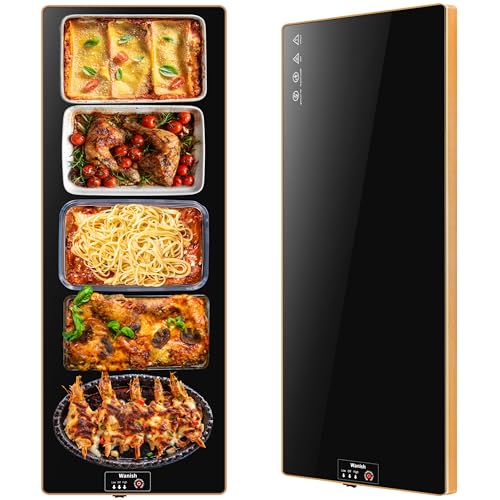
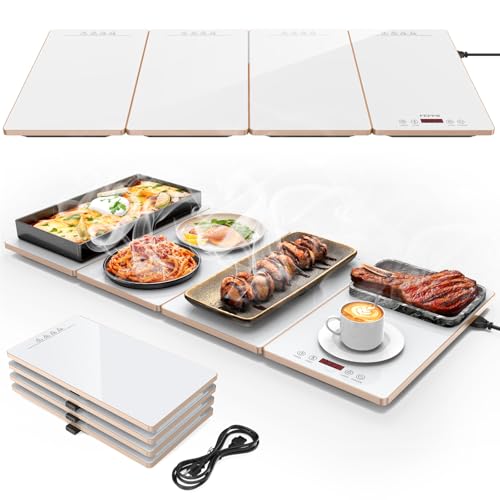
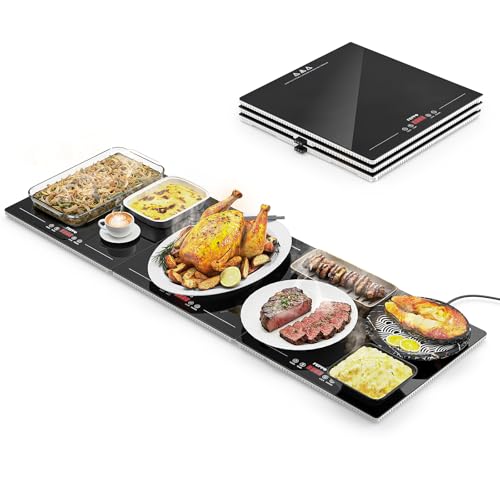
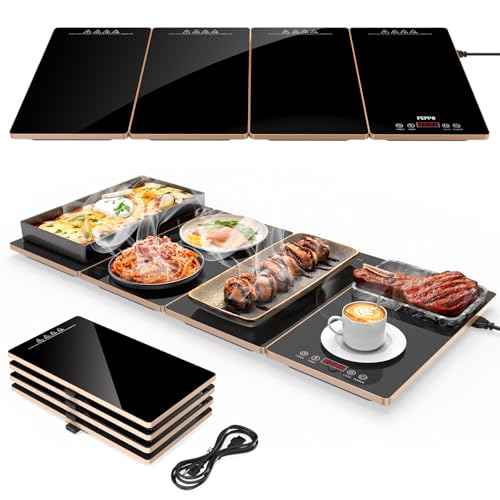
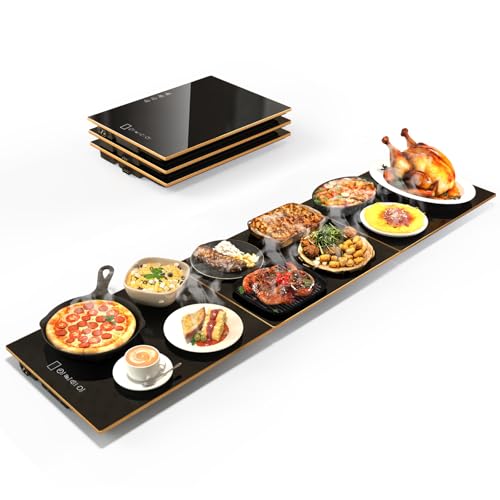
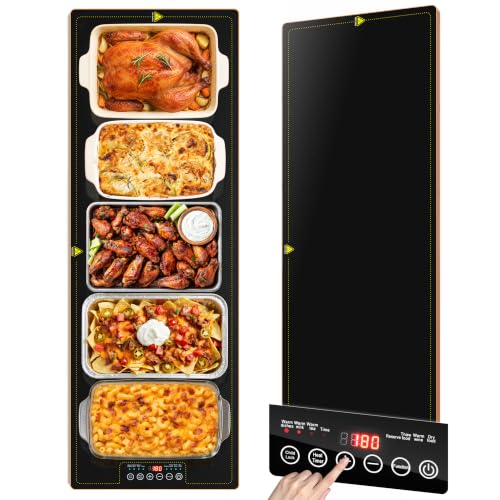
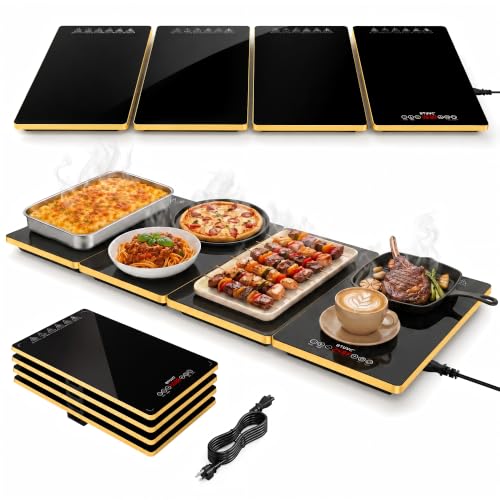
Before comparing features, start with your own buffet habits. A typical Sunday dinner with a main dish and two sides fits comfortably on a compact 14 to 16 inch surface, while a holiday spread with five or six serving bowls needs closer to 20 to 24 inches of usable heated space. Measure the stretch of table or counter you'd actually clear for a warmer, since a tray that's too large ends up half-covered by tablecloth and centerpieces most of the year.
Power draw is worth a quick check too. Most home warming trays pull a modest 200 to 400 watts, similar to a toaster, so running one for the length of a dinner party costs pennies. If your dining area only has one nearby outlet and you're also running a slow cooker for a dip or chili, plan your outlet strip ahead of time rather than discovering the conflict mid-party.
Glass, Silicone, or Steel: Picking a Surface for Your Table
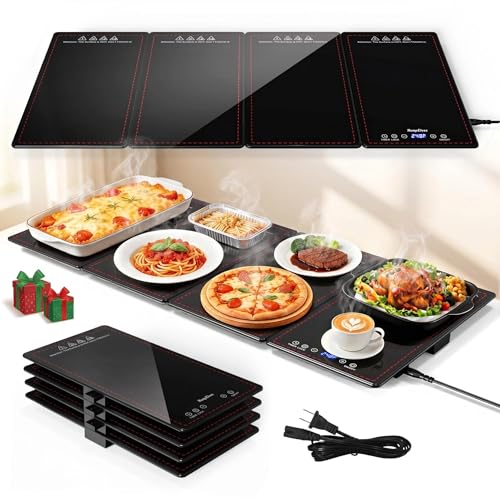
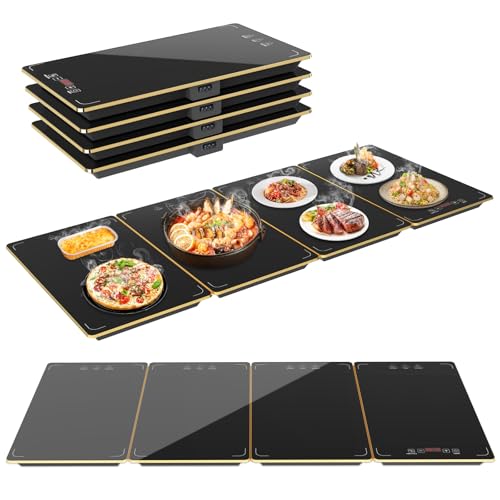
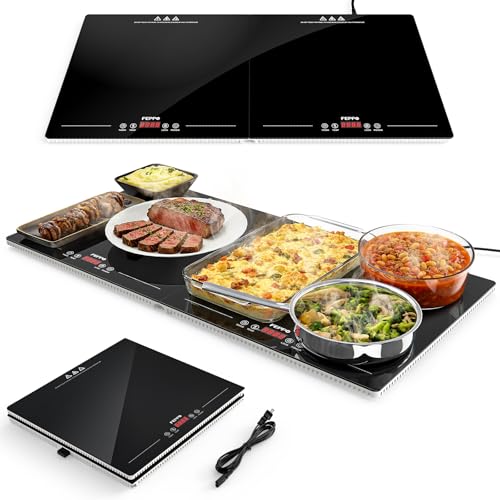
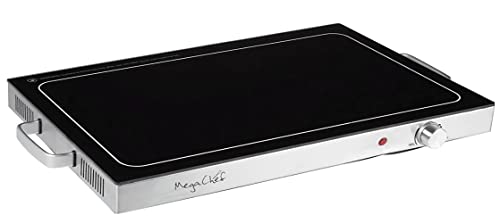
Tempered glass tops look intentional sitting on a set table and wipe clean with a damp cloth, which is why they show up most often in trays built for home entertaining rather than catering. The tradeoff is that some glass models run hotter than their dial suggests, which can scorch delicate sauces if you don't check on them, so a unit with a visible temperature readout is worth the extra few dollars over a plain on/off switch.
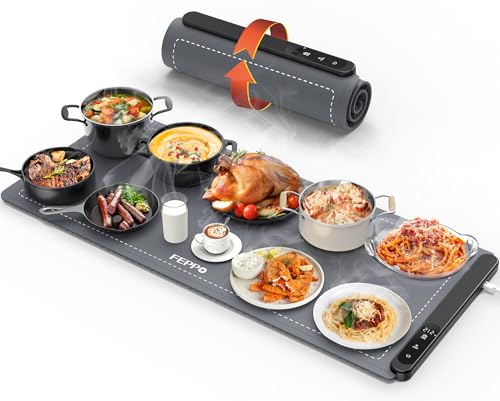
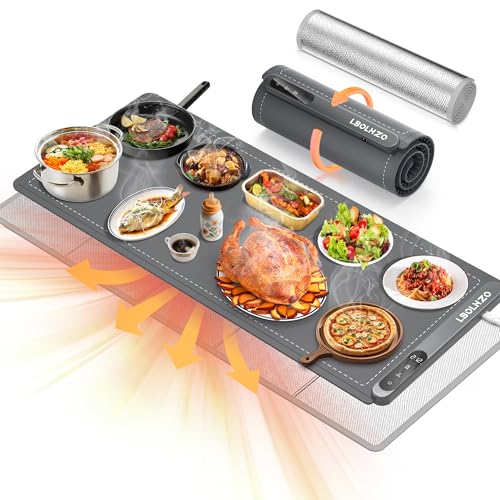
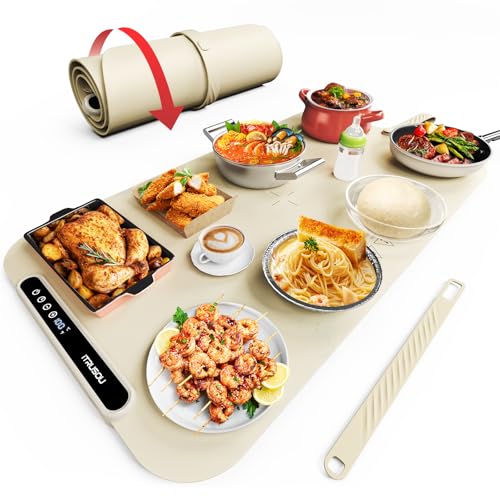
Silicone mats heat up in well under a minute, roll up for storage in a kitchen drawer, and generally top out around 212°F, plenty for holding food but never hot enough to double as a cooking surface. Stainless steel trays are the toughest of the three and shrug off heavier cookware set directly on top, which matters if your holiday casserole always goes in a cast iron dish. None of these materials is objectively best; the right one depends on whether you value a formal look, fast setup, or durability more.
Flat Mats vs. Sectioned Buffet Servers
Home food warming trays generally split into two practical styles. A flat mat or open tray gives you one continuous surface to arrange serving dishes on however you like, which suits a family that changes up the menu every gathering. It's also the easier style to store, since most fold flat or roll up when the party's over.
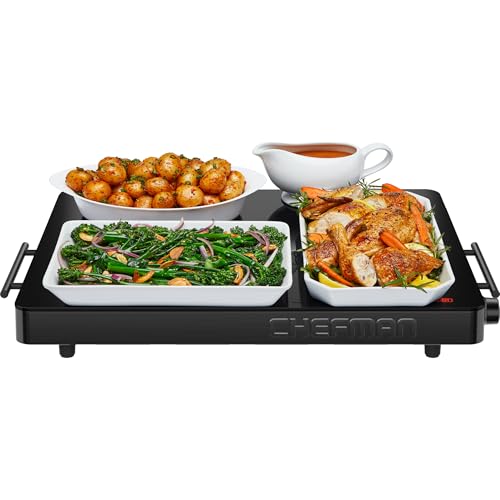
Sectioned buffet servers come with two or three built-in wells, often with slotted lids that trap steam over each dish. These work well when you're serving distinct courses, say a protein, a starch, and a vegetable, and want each one covered and kept separate rather than sitting in the open. A good set of long-handled serving utensils makes it much easier to scoop from a covered well without dragging sauce from one section into another. Skip this style if your family's spread tends to be casseroles and platters rather than distinct sauced components, since a flat surface handles those better.
Setting Up Your Table So Every Dish Stays Hot
Where you place the tray matters almost as much as the tray itself. Set it somewhere guests can reach from more than one side, away from tablecloth edges or paper decorations that could scorch, and close enough to an outlet that you're not running a cord across a walkway. If your buffet spread regularly outgrows the table itself, a rolling kitchen island cart gives you a spot nearby to stage plates, napkins, and serving spoons without crowding the warmer.
Let the tray preheat for several minutes before loading dishes onto it; setting a hot casserole on a cold surface just lets it lose heat while the tray catches up. Once food is on, a loose foil tent or the tray's own lid traps moisture far better than leaving dishes uncovered, and giving anything with gravy or sauce an occasional stir keeps heat from concentrating at the bottom of the dish. Spread dishes out rather than stacking them, since overlapping bowls block airflow and leave the dish underneath barely warm. Get this setup right once and reusing the same food warming tray for every gathering becomes routine rather than a hassle.
How Long Food Can Safely Sit Out Before You Should Refresh It
Hot food needs to stay at or above 140°F to stay out of the temperature range where bacteria grow quickly, and it's worth checking a dish or two with a food thermometer partway through a long gathering rather than assuming the tray is doing its job evenly across the whole surface. General food safety guidance treats about two hours as a practical outer limit for perishable dishes sitting out at a party, warmer or not, since surface temperatures can vary from one end of a tray to the other.
For an all-day open house, plan to swap in smaller fresh batches every couple of hours instead of leaving the same casserole out from noon until evening. It's a little more prep work, but it protects both food safety and the actual quality of what you're serving, since even food that's technically still safe tends to dry out or lose texture well before the two hour mark.
Frequently Asked Questions
How long can you leave food on a warming tray?
Keep hot dishes at or above 140°F and treat about two hours as the practical limit for food sitting out at a gathering. For longer parties, refresh with a new batch rather than letting one dish run the whole event.
What's the difference between a warming tray and a hot plate?
A warming tray holds already-cooked food at a gentle, steady heat, usually somewhere between 140°F and 200°F. A hot plate is built for actual cooking and runs much hotter, so it isn't a safe stand-in for keeping finished dishes warm.
Is a warming tray better than a slow cooker for a potluck?
It depends what's on the menu. A slow cooker suits one saucy dish like chili or a dip, while a warming tray lets you hold several separate plates and platters at once, which fits a spread with multiple sides better.
Can any serving dish go directly on a warming tray?
Most glass, ceramic, and metal dishes are fine, but check that a piece is labeled heat safe before leaving it on a heated surface for hours. Thin plastic containers or anything not rated for direct heat can warp.
What size food warming tray fits a typical family dinner?
A 14 to 16 inch surface usually covers two or three side dishes. For regular potlucks or holiday buffets with five or more dishes, size up to 20 inches or larger, or look at a sectioned server that spreads dishes into separate wells.
Do warming trays use much electricity?
Most home models draw somewhere between 200 and 400 watts, in line with a small kitchen appliance, so running one through an evening party costs very little. Check the wattage listed on the specific model for an exact figure.
Getting Your Table Ready for the Next Gathering
The right food warming tray takes the guesswork out of timing a family meal, letting the first plate and the last plate taste equally good. Match the size to how many dishes you actually serve, pick a surface material that fits your table and storage space, and set it up where guests can reach it without tripping over a cord, and you'll have one less thing to stress about at your next holiday dinner or backyard potluck.