Best Cordless Stick Vacuum Cleaner: A Complete Buying Guide
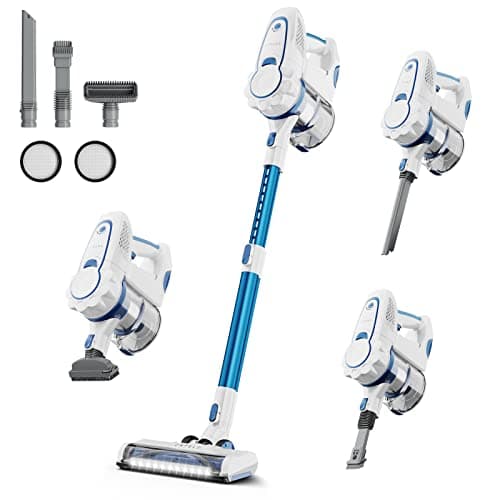
Finding the best cordless stick vacuum cleaner for your home comes down to matching runtime, suction, and weight to how you actually clean, not just chasing the highest number on a spec sheet. These vacuums have become the default tool for quick daily cleanups because they live by the door and go from charging dock to floor in seconds. But the differences between models are bigger than they look in a store display. Battery life on paper rarely matches real-world use once you factor in floor type and power mode. Weight matters more than most buyers expect, especially if you clean stairs or reach under furniture often. This guide walks through what actually separates a stick vacuum you'll keep using from one that ends up in the closet.
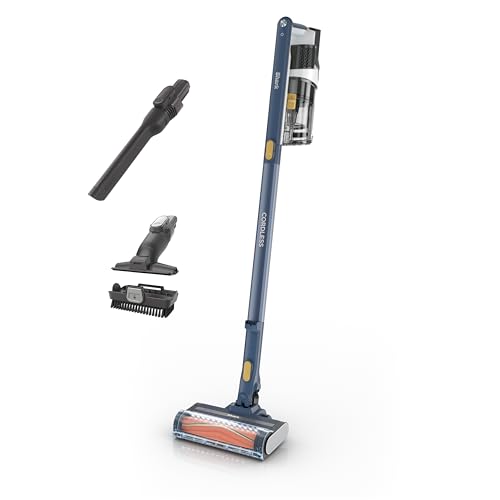
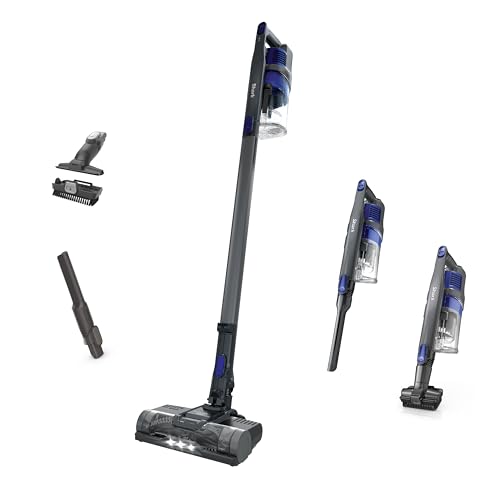


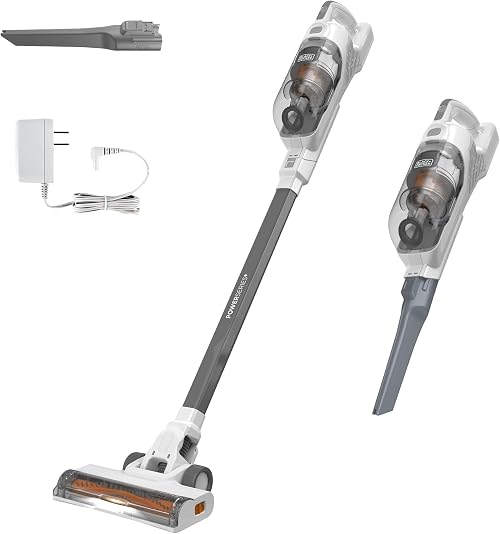
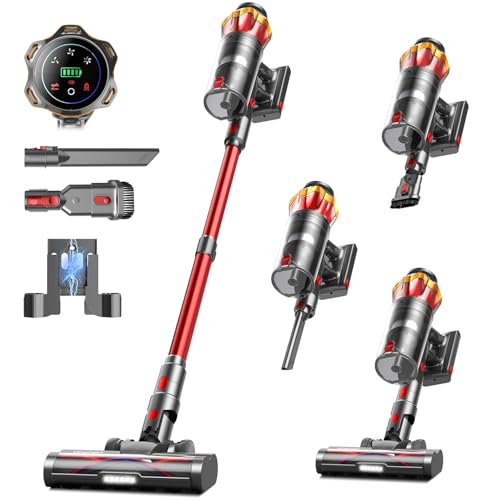


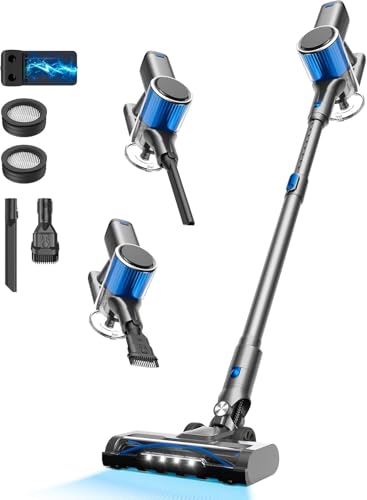
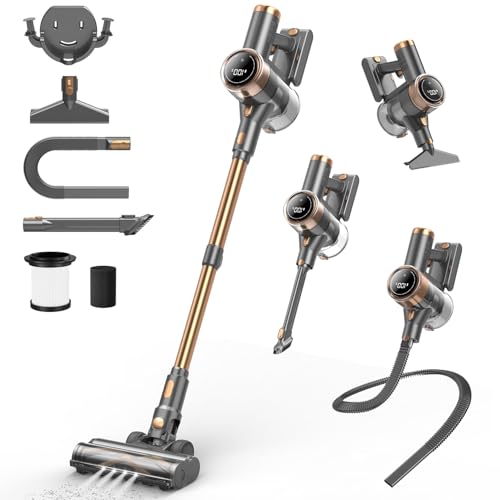

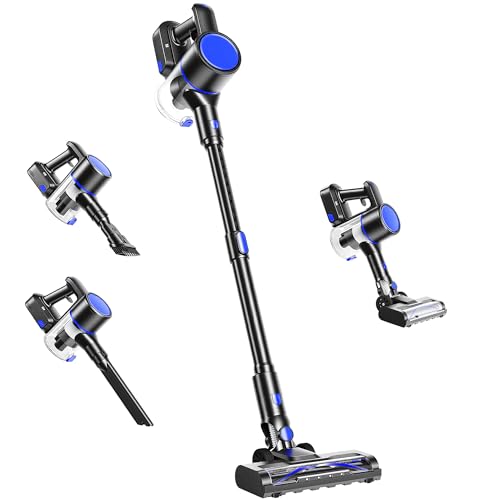
Battery Runtime and Suction Power: What the Numbers on the Box Actually Mean
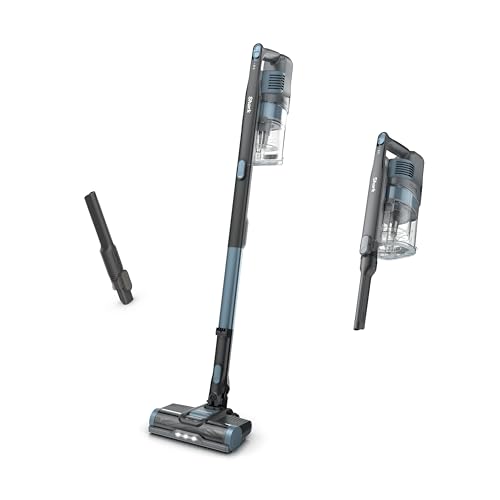
Manufacturers usually list runtime for the lowest power setting, since that's the most flattering number. On max or boost mode, expect that figure to drop sharply, sometimes to a third of the advertised time. When you're comparing spec sheets to find the best cordless stick vacuum cleaner for your household, runtime numbers can mislead you if you don't know how they were measured. A better question is whether the runtime on the setting you'll actually use covers a full cleaning session in your home.
Suction power is usually expressed in airwatts or pascals, and higher isn't automatically better for every home. A vacuum with modest suction but a well-designed brush head can outperform a higher-rated model on hard floors. For carpet, stronger suction and a motorized brush roll matter more.
Weight and Balance
Stick vacuums range from around four pounds to well over seven once the battery and dust cup are full. A lighter unit is easier to hold overhead for stairs, curtains, or car interiors, but often trades off battery capacity or a smaller dust cup. If you have multiple flights of stairs, prioritize weight over runtime specs.
Matching the Brush Roll to Hardwood, Carpet, and Mixed Flooring
The brush roll design has more impact on cleaning results than most buyers realize. Stiff bristles designed for carpet can scatter debris across hardwood or tile instead of collecting it, while soft rollers built for hard floors struggle to dig embedded dirt out of carpet fibers.
Homes with mixed flooring benefit most from a combination or hybrid brush roll, which pairs soft bristles with a rubber or fabric strip to handle both surfaces without swapping attachments. Some vacuums include separate heads for hard floors and carpet instead, which works well if you don't mind switching between them.
Rugs and Thick Pile
Thick or high-pile rugs are the toughest test for any cordless model, since the brush roll has to dig deep without stalling. If your home has area rugs, look for a model with adjustable suction so you can boost power without draining the battery on every pass.
Charging Habits and How Battery Life Holds Up Over Time
Most stick vacuums take three to five hours for a full charge, though some offer a quick top-up that adds a few minutes of runtime after a short plug-in. Leaving a vacuum on its dock at all times is convenient, but constant trickle charging can shorten battery lifespan over several years compared to charging only before use.
A removable battery is worth considering if you clean larger homes in one session, since you can swap in a second pack instead of waiting to recharge. Fixed, non-removable batteries keep the unit lighter and simpler but mean the whole vacuum is out of commission once it's drained.
Signs a Battery Is Wearing Out
Runtime naturally declines over a few years of regular use. If a full charge no longer gets you through a normal cleaning session, or the vacuum loses suction well before the battery indicator hits empty, the battery cells are likely aging rather than the motor failing.
Emptying the Dust Cup and Keeping Filters Clog-Free
Dust cup size directly affects how often you'll stop mid-clean to empty it. Compact vacuums built for light weight often carry smaller cups, which is fine for quick touch-ups but frustrating if you're tackling a whole house or a garage after a project.
Filters need more attention than most people give them. A clogged filter is one of the most common reasons suction feels weak even on a fully charged, otherwise healthy vacuum. Washable filters should be rinsed and left to air-dry completely before going back in, since a damp filter can affect the motor.
A Simple Maintenance Rhythm
Emptying the dust cup after each use and rinsing the filter every few weeks keeps suction consistent. Check the brush roll periodically for wrapped hair or thread, since a tangled roller strains the motor and shortens its life.
Daily Touch-Ups, Pet Hair, and Stairs: Where a Stick Vacuum Actually Fits
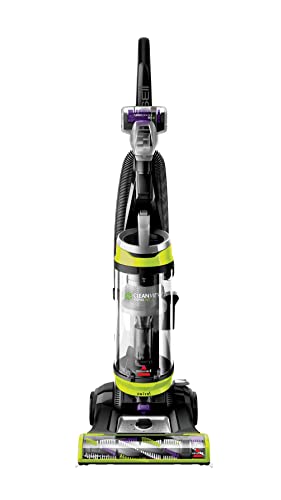
A cordless stick vacuum shines for spot cleaning, quick spills, and rooms you touch up between deeper cleans, but it isn't always a full replacement for a heavier-duty machine. Households doing a thorough weekly clean of a large, heavily carpeted home may still want a corded upright vacuum in the mix for its larger capacity and sustained runtime.
Pet hair adds its own demands, since fur wraps around brush rollers and clogs filters faster than everyday dust. Homes with shedding pets often do better with a model built around anti-tangle bristles, and it's worth comparing options built specifically for that job, like a dedicated pet hair vacuum, against a general-purpose stick model.
Stairs are where cordless models earn their keep, since a corded vacuum's cord and weight make stairs awkward and occasionally unsafe. For households with pets or multiple floor types, the best cordless stick vacuum cleaner is often simply the one you reach for without thinking twice, which usually means it's light, quick to empty, and reliably charged.
Frequently Asked Questions
How long should a cordless stick vacuum actually last before losing suction?
Most cordless stick vacuums maintain solid performance for three to five years with regular filter cleaning and dust cup emptying. Suction loss earlier than that usually points to a clogged filter or tangled brush roll rather than a defective unit.
Is a higher airwatt rating always better?
Not necessarily. Airwatts measure raw suction, but brush roll design and how well a vacuum seals against the floor matter just as much for real cleaning results, especially on hardwood or tile surfaces.
Can a stick vacuum fully replace a full-size vacuum?
For smaller homes or apartments, yes, in many cases. Larger homes with heavy carpet or frequent deep cleaning often still benefit from keeping a full-size vacuum for periodic thorough cleans.
How often should the filter be cleaned?
Rinse washable filters roughly every two to four weeks with normal use, more often in homes with pets or high foot traffic. Always let filters dry fully before reinstalling to avoid motor damage.
Does a removable battery make a real difference?
It does for larger homes, since swapping a charged spare avoids downtime mid-clean. For smaller spaces where one charge easily covers the whole home, a fixed battery keeps the vacuum lighter and simpler.
Why does suction feel weaker on carpet than on hardwood?
Carpet fibers create more resistance and trap dirt deeper than a hard, flat surface, so suction naturally has to work harder. A worn or clogged brush roll makes this gap even more noticeable.
What's a normal charging time to expect?
Most models take three to five hours for a full charge from empty. Some offer a fast-charge option that adds a short burst of runtime after just a few minutes on the dock, useful for quick top-ups between sessions.
Bringing It Together: Choosing a Stick Vacuum That Matches Your Home
The right stick vacuum depends less on chasing the biggest runtime or suction number and more on how closely those specs match your actual floors, square footage, and cleaning habits. A model that's light, easy to empty, and charges quickly will usually get used more consistently than one with impressive numbers that sits in a closet. Pay attention to real-world runtime on the setting you'll use daily, and the rest tends to fall into place.