The Best Self Propelled Lawn Mowers for Effortless Cutting
Disclosure: We may earn a commission when you buy through links on this page, at no extra cost to you. As an Amazon Associate I earn from qualifying purchases. Learn more

A buying guide to self-propelled mowers covering drive type, speed control, terrain handling, and comfort features.
Pushing a heavy mower across a sprawling or hilly yard turns mowing into a workout nobody signed up for. A self-propelled system takes over the forward motion, letting the operator focus on steering and cutting quality instead of muscle strain. Finding the best self propelled lawn mowers means comparing drive systems, speed control, and terrain handling to match the way a specific yard actually gets mowed.




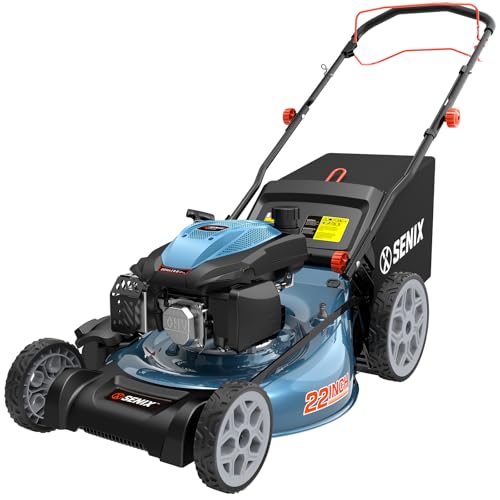
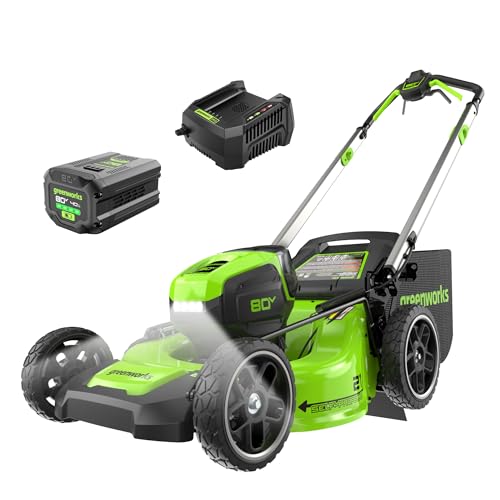
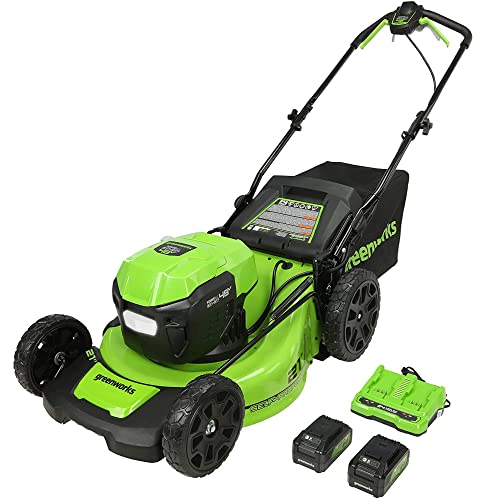
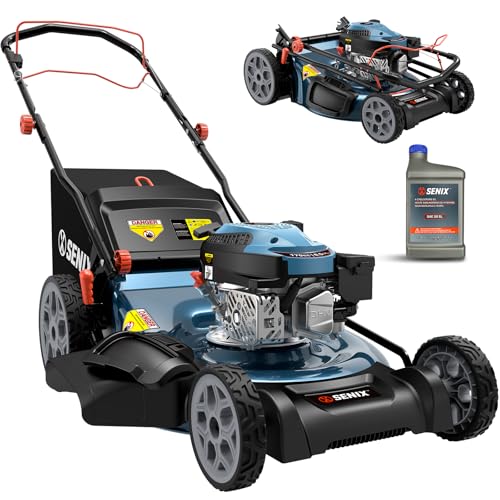

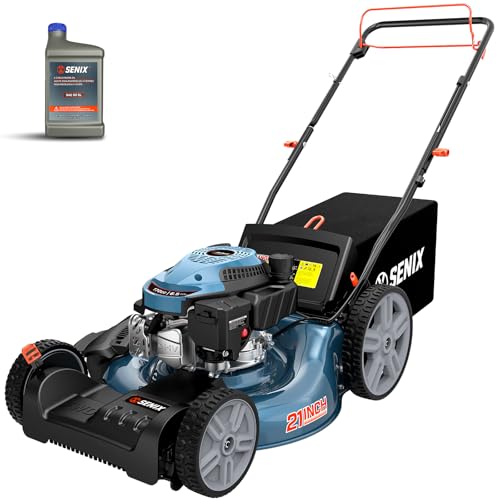
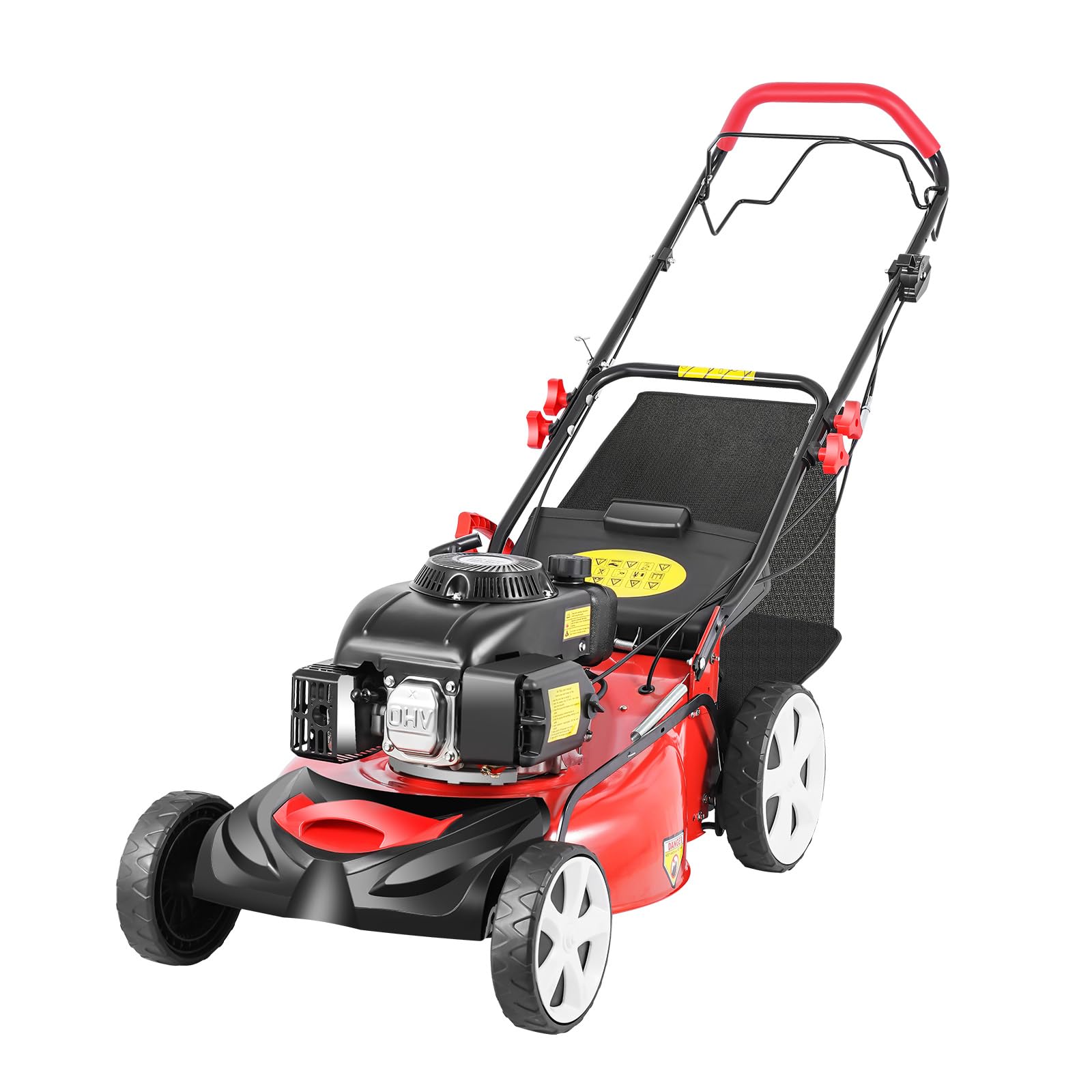
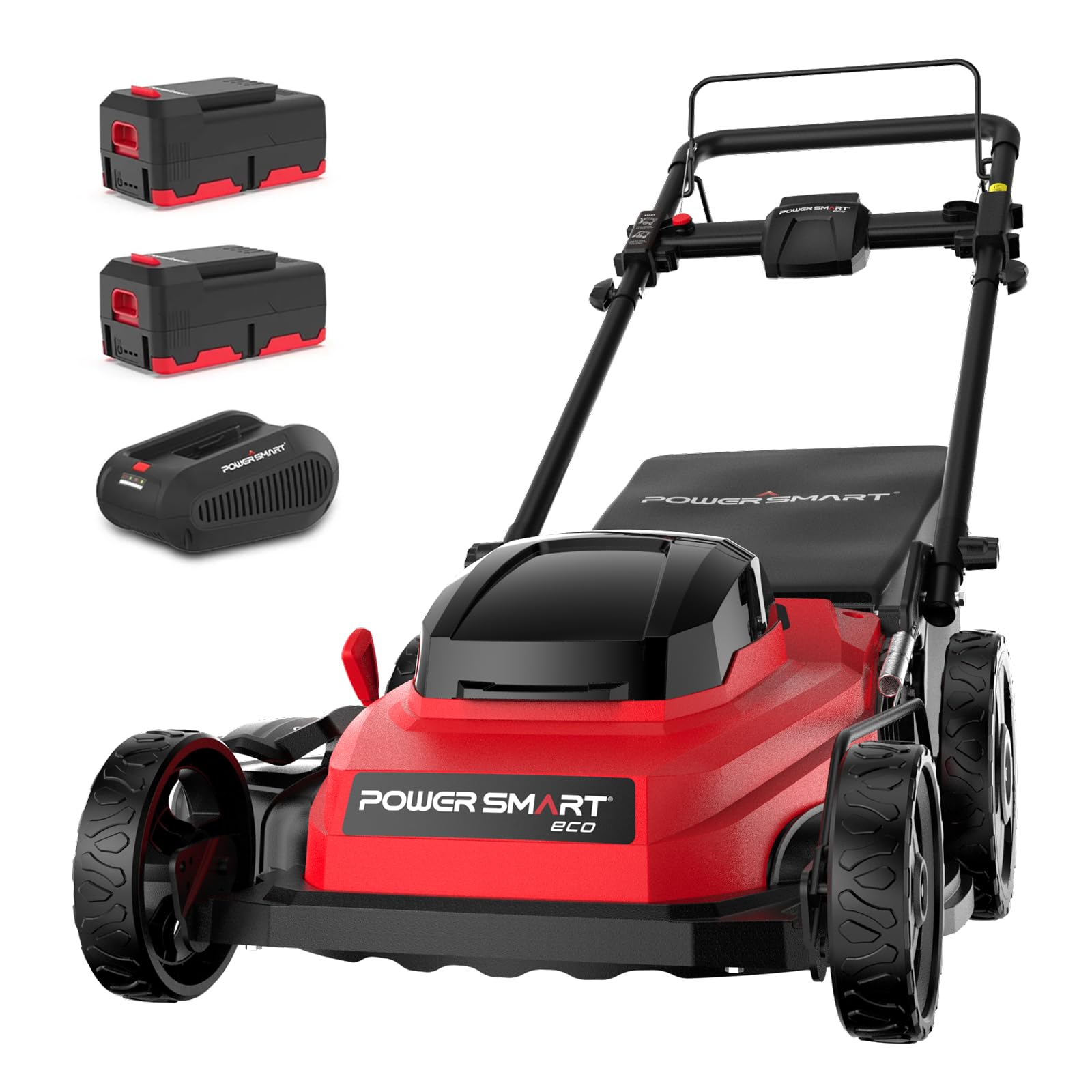
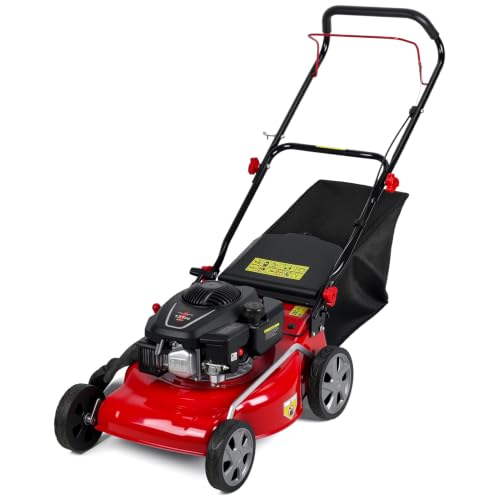
How Self-Propulsion Works
A self-propelled mower uses power from the engine or motor to turn the wheels, moving the machine forward without the operator needing to push. Most models include a control bar near the handle that engages the drive system, allowing the operator to walk alongside at a comfortable pace rather than forcing the mower forward with physical effort. Releasing the control bar typically stops both the wheels and the blade for safety, which matters on yards with lots of stopping and starting around obstacles.
Front-Wheel vs. Rear-Wheel Drive
Front-wheel drive mowers tend to maneuver more easily around tight corners and obstacles, since lifting the rear of the mower slightly allows for quick pivots. They generally cost less than rear-wheel drive equivalents but can lose traction on inclines, where weight naturally shifts toward the rear wheels during a push. Rear-wheel drive mowers handle slopes and uneven terrain with noticeably better traction and control, making them the preferred choice for hilly yards or properties with frequent grade changes.
Single-Speed vs. Variable-Speed Models
Single-speed self-propelled mowers move at one fixed pace, which works fine for yards with consistent terrain and grass thickness throughout. Variable-speed models let the operator adjust pace on the fly, slowing down through thick or wet grass and speeding up across open, flat stretches. That flexibility adds cost but often improves comfort and cutting consistency across yards with mixed conditions.
Terrain Handling and Traction
Tire tread pattern affects traction significantly, especially on damp grass or slight inclines where a mower with smooth or worn tires can slip during a pass. Wider tires generally distribute weight better across soft or uneven ground, reducing the chance of getting stuck in a low spot after recent rain. Weight distribution across the mower's frame also plays a role, with well-balanced designs handling hills more predictably than top-heavy models.
Choosing the Best Self Propelled Lawn Mowers for a Specific Yard
Flat, small to mid-size yards without much elevation change often do fine with a front-wheel drive, single-speed model, since maneuverability and lower cost outweigh the need for advanced traction features. Yards with hills, thick grass, or uneven terrain benefit more from rear-wheel drive and variable speed control, which together handle changing conditions with far less physical strain. Large properties combining flat and sloped sections sometimes call for all-wheel drive models, which distribute power to all four wheels for maximum traction across varied terrain.
Comfort Features to Consider
Adjustable handle height accommodates different operator heights, reducing back strain during longer mowing sessions on larger properties. Padded grips and vibration-dampening handle designs also reduce hand fatigue, particularly noticeable during extended use on rougher terrain where vibration transfers more directly through the frame. Some models include a speed lock feature, letting an operator maintain a set pace without continuously squeezing a control lever throughout the entire mowing session.
Maintenance for Self-Propelled Systems
- Check and lubricate the drive cable periodically to prevent binding or inconsistent engagement
- Inspect the drive belt for wear or fraying, since a slipping belt reduces propulsion power noticeably
- Keep wheels and axles clean of grass buildup, which can interfere with smooth rolling and drive engagement
- Follow standard engine maintenance, including oil changes and air filter cleaning, alongside drive system care
Engine and Motor Options
Gas-powered self-propelled mowers deliver strong, consistent torque across long mowing sessions, making them a common choice for larger yards where uninterrupted runtime matters. Battery-powered self-propelled models have improved significantly, offering enough torque for most residential yards while skipping the fumes and regular engine maintenance that gas models require. Corded electric self-propelled mowers exist as well, though the cable limits range and makes them impractical for anything beyond small, cord-friendly yards.
Battery capacity and voltage affect both cutting power and propulsion strength on cordless models, and higher-capacity batteries generally sustain full power longer during a mowing session before performance starts to taper off. Checking runtime estimates against actual yard size prevents running out of charge partway through a larger lawn, which can be an inconvenient interruption on a warm afternoon.
Cutting Height Adjustment
Most self-propelled mowers offer adjustable cutting heights through either a single lever controlling all four wheels or individual wheel adjustments. A single-lever system saves time and ensures even cutting height across the entire deck, which matters for a clean, uniform finish across the whole lawn. Seasonal adjustments, cutting slightly higher during hot, dry months to help grass retain moisture, and lower during cooler growing seasons, extend the health of a lawn over the course of a full year.
Deck height range varies between models, and yards with uneven ground or exposed roots benefit from a mower that can be set higher to avoid scalping the lawn in low spots or bare patches.
Storage and Portability
Self-propelled mowers tend to weigh more than basic push models due to the added drive components, which matters for anyone regularly loading a mower into a truck or storage shed. Foldable handles help reduce storage footprint considerably, letting a mower stand more compactly against a wall or in a corner of a garage. Some models also include a vertical storage design specifically built to minimize floor space when not in use, which can matter a lot in a cramped garage or shed.
Frequently Asked Questions
Is rear-wheel drive always better than front-wheel drive?
Rear-wheel drive handles hills and uneven terrain more effectively, but front-wheel drive often maneuvers more easily on flat yards with tight turns around obstacles and landscaping features.
Do self-propelled mowers require more maintenance than push mowers?
Self-propelled models have an additional drive system to maintain, including cables and belts, which adds a bit more upkeep compared to a basic push mower over a full mowing season.
Can the propulsion speed be adjusted while mowing?
Variable-speed models allow speed adjustments on the fly, while single-speed models move at one fixed pace regardless of terrain or grass thickness.
Are self-propelled mowers worth it for smaller yards?
Smaller, flat yards may not require the added propulsion, though anyone with mobility limitations or physical strain concerns can still benefit regardless of yard size or terrain complexity.
What happens if the drive belt fails during use?
A failed drive belt stops the propulsion system, though the mower typically still functions as a push mower until the belt gets replaced. Most replacement belts are relatively inexpensive and straightforward to swap out with basic tools.
Final Thoughts
Matching drive type, speed control, and terrain handling to actual yard conditions makes mowing noticeably less physically demanding. Considering slope, size, and grass thickness upfront helps avoid buying more or less capability than a yard truly needs. Weighing these factors carefully makes it far easier to choose the best self propelled lawn mowers for a comfortable, efficient mowing routine that lasts for many seasons to come.
Related reading: best gas lawn mowers and best lawn mowers.