Best Concrete Sealer: Everything to Know Before Your First Purchase
Disclosure: We may earn a commission when you buy through links on this page, at no extra cost to you. As an Amazon Associate I earn from qualifying purchases. Learn more

The best concrete sealer explained for first time buyers: penetrating vs acrylic, finishes, coverage and application tips.
Concrete looks tough, but it is porous like a hard sponge. Water, deicing salts, oil, freeze thaw cycles and UV slowly cause stains, spalling, cracking and dusting on driveways, patios, garage floors, basement walls and pool decks. A concrete sealer slows that damage by blocking water and stains, and some sealers also enhance color or add a glossy wet look. If you have never sealed concrete before, the choices can be confusing: penetrating or film forming, water based or solvent based, natural look or wet look. This guide to the best concrete sealer is written for first time buyers, explaining the basics in plain English and helping you avoid common mistakes.
We cover the basics, the key specs, rookie mistakes, setup and first use and answers to common questions. Every sealer in the table above is sold new on Amazon US. Read and follow the label and safety data sheet: wear gloves and eye protection, ventilate well, keep solvent based products away from flames and pilot lights and keep children and pets off treated surfaces until they cure.



Concrete Sealers 101: The Basics
Concrete sealers fall into two main families. Penetrating sealers, like silane, siloxane and lithium silicate products, soak into the concrete and react below the surface to repel water without changing its look. Film forming sealers, like acrylics, coat the surface to add color enhancement, a wet look or gloss and stain resistance.
Penetrating sealers suit driveways, sidewalks, pool decks and garage floors exposed to freeze thaw cycles and deicing salts, since they let the concrete breathe and do not get slippery. Film forming sealers suit decorative and stamped concrete, patios and pavers where you want richer color.
Many homeowners use a penetrating sealer on plain driveways and a color enhancing acrylic on stamped patios.
Choosing the best concrete sealer starts with three questions: what surface you are sealing, how much traffic and weather it sees and whether you want it to look natural or enhanced. A plain broom finished driveway, a stamped patio, a garage floor and a basement wall each call for a different product.
Sealers do not fix structural problems. Large cracks, heaving and drainage issues need repair before sealing, and sealing will not stop water that comes from poor grading or downspouts.
Key Specs Explained in Plain English
The key specs are sealer type, finish, coverage, durability, application method, cure time and safety. Here is what each means.
Penetrating vs Film Forming
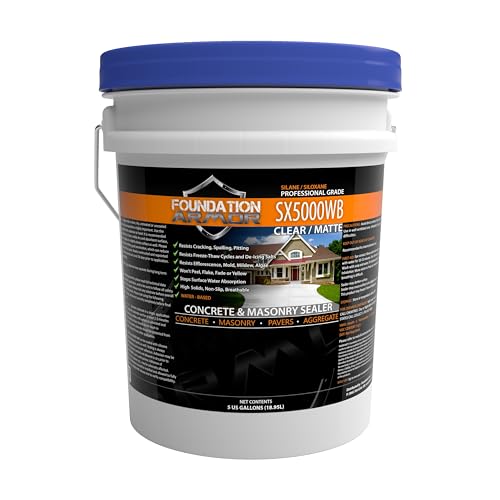
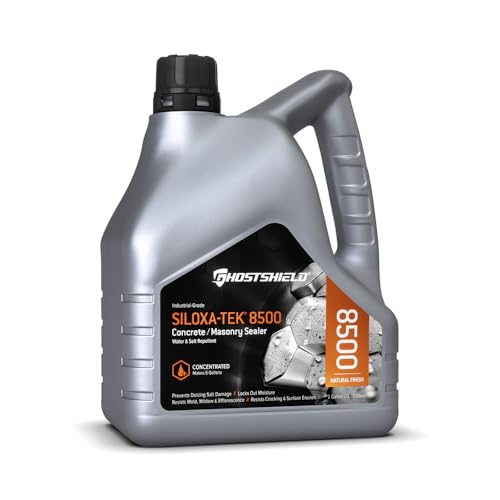
Penetrating sealers, like the Foundation Armor SX5000 WB, Ghostshield Siloxa-Tek 8500 and NanoProtect, form a water repellent barrier below the surface. Foundation Armor says the SX5000 WB reduces water absorption by up to 95 percent and works entirely below the surface, so there is no film to maintain.
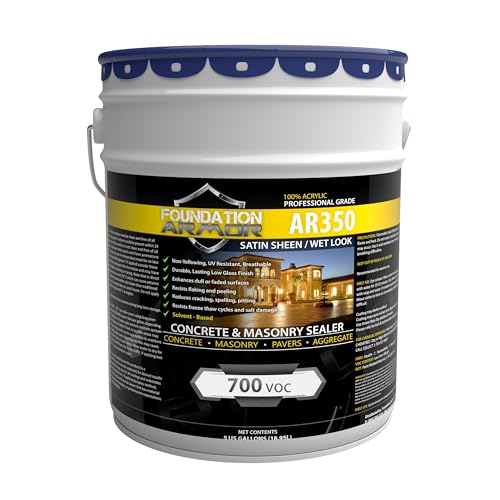
Film forming acrylic sealers, like the Foundation Armor AR350, create a visible coating. Foundation Armor describes the AR350 as a low gloss wet look sealer that darkens and enhances concrete and pavers.
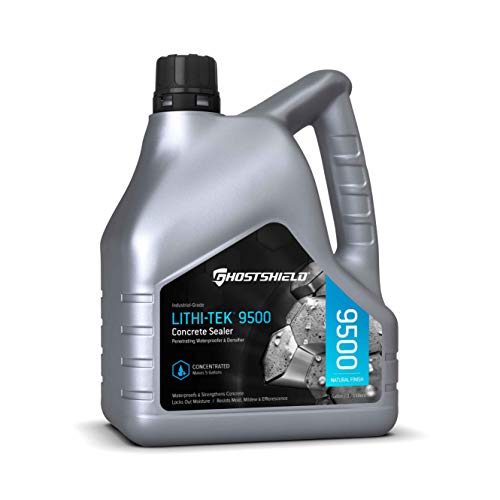
Densifiers, like Ghostshield Lithi-Tek 9500, react with concrete to harden and strengthen it, which suits garage and basement floors.
A quick way to tell what your concrete has now: sprinkle water on it. If water beads, a sealer is still working. If it darkens and soaks in quickly, the concrete is unsealed or the old sealer has worn off. Film forming sealers also leave a visible sheen that penetrating sealers do not.
Finish: Natural Look vs Wet Look
Natural look sealers keep concrete looking unsealed. Foundation Armor says the SX5000 WB will not change the look or color, and Ghostshield says Siloxa-Tek leaves surfaces with their original appearance. Wet look sealers darken and add sheen, like the AR350 and the Armor WL550 matte wet look sealer.
Wet look and gloss finishes can be slippery when wet, so consider an anti slip additive for walkways and pool decks.
Try the look first in a small, hidden spot. Wet look sealers darken concrete significantly and can show roller marks if applied unevenly, so a sample patch helps you decide before sealing the whole area.
Matte wet look sealers, like Armor WL550, darken color with less shine, which suits homeowners who want richer color without a glossy finish. Low gloss options like AR350 sit between matte and high gloss.
Water Based vs Solvent Based
Water based sealers have low odor, low VOCs and easy soap and water cleanup; Foundation Armor lists 0 VOC for the SX5000 WB. Solvent based sealers often penetrate deeper and enhance color more, but have strong odors and stricter VOC rules. Foundation Armor offers the AR350 in 700, 350 and 50 VOC formulations to meet rules in all 50 states.
Local VOC regulations limit which solvent based products you can buy in some states, which is why makers offer lower VOC versions. Check your state's rules before ordering.
Coverage and Concentrates
Coverage is listed per gallon per coat. Foundation Armor lists 175 to 225 square feet per gallon for its SX5000 WB and AR350, and Ghostshield lists up to 250 square feet per gallon per coat for Siloxa-Tek 8500. Concentrates stretch further: Ghostshield's Siloxa-Tek 8500 and Lithi-Tek 9500 mix one gallon into five, with Lithi-Tek treating up to 1,000 square feet per coat, according to Ghostshield.
Measure your area in square feet and buy enough for the recommended number of coats plus a little extra.
Porous, older or rough concrete absorbs more sealer than smooth new concrete, so coverage may fall at the low end of the range. Broom finished driveways often need more product per square foot than troweled garage floors.
Durability and Reapplication
Penetrating sealers last the longest; Foundation Armor says its SX5000 WB barrier can last up to 7 to 10 years. Film forming acrylics usually need recoating every few years as traffic and sun wear the coating. Stormdry lists 25 year certified waterproofing protection for masonry.
Reapplication is simpler with penetrating sealers, which can usually be reapplied after cleaning without stripping. Acrylic sealers should be reapplied with compatible products; switching between solvent based and water based acrylics can cause adhesion problems, so check the label.
Salt, Freeze Thaw and Stain Resistance
In cold climates, look for sealers that resist deicing salts and freeze thaw damage. Ghostshield says Siloxa-Tek 8500 is DOT approved and resists damage from chlorides and deicing salts, and NanoProtect lists help reducing freeze thaw and deicing salt damage. Oil and grease resistance matters for garages and driveways.
Deicing salts are among the biggest causes of driveway damage in cold climates. Salt water soaks into unsealed concrete, then expands as it freezes, causing the surface to flake and pit. Sealing before winter and reapplying on schedule helps prevent this damage. Consider using sand or calcium magnesium acetate instead of rock salt on new concrete.
Safety Features and Handling
Water based products are easier and safer to handle indoors and near plants. Solvent based products need good ventilation, flame safety and respirators in enclosed spaces. Always check the label for personal protective equipment, recoat times and temperature limits.
Protect nearby plants, siding, glass and vehicles from overspray with plastic sheeting or painter's tape. Clean spills on glass or metal right away, since some sealers are hard to remove once they cure.
Rookie Mistakes to Avoid
The most common mistake is sealing dirty concrete; dirt, oil and old coatings block penetration and cause peeling. Another is applying too thick a coat of acrylic, which turns cloudy or white and peels.
Many first timers seal in the wrong weather, such as before rain, in direct hot sun or below the label's minimum temperature. People also seal brand new concrete too soon; most labels require new concrete to cure for about 28 days first. Finally, mixing products or applying a penetrating sealer over an existing acrylic coating rarely works, since the penetrating sealer cannot reach the concrete.
Another frequent mistake is skipping the label's recommended application tool. Some sealers go on best with a pump sprayer, while others need a roller to work into the surface; using the wrong tool leads to uneven coverage and puddles.
Getting Started: Setup and First Use
Clean the concrete thoroughly with a degreaser and pressure washer, repair cracks and let the surface dry for at least 24 to 48 hours, or as the label directs. Check the forecast for dry weather and temperatures within the label's range.
Apply with a pump sprayer or roller in thin, even coats, working in sections and avoiding puddles. Smith Performance Sprayers sells a 3.5 gallon stainless sprayer for solvent or water based sealers. Apply a second coat if the label calls for it, then keep foot traffic off for the recommended time and vehicles off longer.
Plan your exit route so you do not seal yourself into a corner, and block off the area with cones or tape so family members and neighbors do not walk across wet sealer. Keep pets inside until the surface cures fully.
FAQs
What concrete sealer is best for a driveway?
A penetrating silane or siloxane sealer, like the Foundation Armor SX5000 WB, Ghostshield Siloxa-Tek 8500 or NanoProtect, suits most driveways because it repels water and salt without becoming slippery or peeling.
How often should I seal concrete?
Penetrating sealers often last several years; Foundation Armor lists up to 7 to 10 years for the SX5000 WB. Acrylic film forming sealers usually need recoating every two to three years depending on traffic and sun.
Watch for signs it is time to reseal: water stops beading, the surface darkens quickly when wet, or stains soak in more easily than before. Heavily used areas like driveway entrances often wear first and may need touch ups between full applications.
Can I seal concrete myself?
Yes, most homeowners can seal concrete with a pump sprayer or roller. The key steps are thorough cleaning, dry concrete, good weather and thin coats. Hire a professional for large commercial areas or complex decorative work.
Most driveways take a few hours to clean and an hour or two to seal, plus drying time, so plan the project over a dry weekend.
Will sealer make concrete slippery?
Penetrating sealers do not change traction. Gloss and wet look acrylic sealers can be slippery when wet; add an anti slip grit additive for walkways, steps and pool decks.
Pool decks and steps deserve extra care, since wet bare feet and shoes slip more easily on coated surfaces.
Water based or solvent based: which is better for DIY?
Water based sealers are easier for DIY, with low odor, simple cleanup and fewer safety concerns. Solvent based sealers may enhance color more deeply but require more ventilation and care.
How long does concrete sealer take to dry?
Many sealers are dry to the touch within a few hours, safe for foot traffic within about a day and ready for vehicles within a few days, but times vary by product, temperature and humidity. Follow the label for each stage.
Do I need to seal new concrete?
Sealing new concrete after it cures, usually about 28 days, helps protect it from the start. Check with your installer and follow the sealer label for minimum cure times before sealing.
Ask your contractor whether a curing compound was applied, since some must be removed before sealing.
Wrapping Up
The best concrete sealer depends on your surface and the look you want. Penetrating sealers like the Foundation Armor SX5000 WB, Ghostshield Siloxa-Tek 8500 and NanoProtect protect driveways and walkways without changing their look, densifiers like Ghostshield Lithi-Tek 9500 strengthen garage and basement floors and wet look acrylics like the Foundation Armor AR350 enhance stamped concrete and pavers. Clean thoroughly, apply thin coats and follow the label.
For more home improvement guides, see the best concrete paints, the best caulk for bathtub, the best bathroom sealant tape and the best tool boxes for garage. Then compare current prices in the product table above.