
Best Bathroom Sealant Tape: A Complete Buying Guide
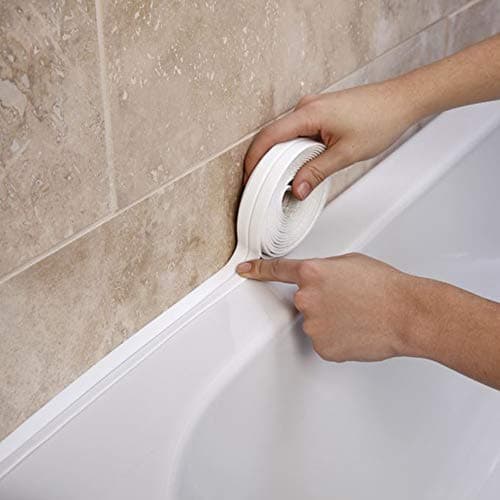
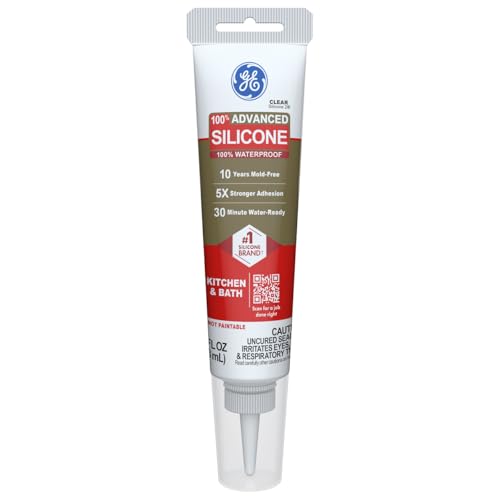
That thin dark line creeping along your tub or sink edge is usually the first sign your caulk has given up. Ripping it out and running a fresh bead with a caulk gun works, but it takes patience, a steady hand, and a fair bit of cleanup. That is exactly why so many homeowners are switching to a peel and stick option instead. Finding the best bathroom sealant tape for your situation comes down to a handful of practical questions, not brand names or flashy packaging. In this guide, you will learn how to prep the joint properly, what actually keeps water and mold out, how to pick the right width and material, and how this style of tape stacks up against traditional caulk.

Prep the Surface Before You Commit to a Roll
Sealant tape only performs as well as the surface it sticks to. Even the strongest adhesive backing will lift within weeks if it goes over a damp, soapy, or greasy joint, so this step matters more than which roll you eventually buy.
Clean and Dry the Joint Completely
Wipe down the area with a mild cleaner to strip away soap scum, body oils, and any grime that has built up in the seam. Rinse it well, then let the joint dry completely, ideally for a few hours with the bathroom fan running or a window cracked. Any leftover moisture trapped under the tape becomes a breeding ground for mildew later, which defeats the entire purpose of resealing in the first place.
Decide Whether the Old Caulk Has to Go First
If the existing caulk is cracked, discolored, or peeling, scrape it out completely with a plastic putty knife before applying anything new. Tape will not bond well to a failing surface, and pressing it over compromised caulk just hides a problem instead of fixing it. If the old bead is still intact, flat, and free of mold, a light sand or scuff and a thorough clean is usually enough to get a solid bond around fixtures like a standalone bathtub or a built-in tub surround.
Waterproofing and Mold Resistance Matter More Than the Brand
Once the surface is ready, the single biggest factor in picking a good product is how well it actually keeps water out over time, not how it is marketed on the packaging.
What Actually Causes Peeling and Mildew
Most failures trace back to one of three things: moisture trapped underneath during application, poor ventilation that keeps the bathroom humid long after every shower, or a low quality adhesive that was never rated for constant water exposure. A tape can be applied perfectly and still fail early if the bathroom itself does not dry out between uses, so pairing a good product with decent airflow matters just as much as the tape itself.
Signs a Tape's Waterproof Claim Is Legit
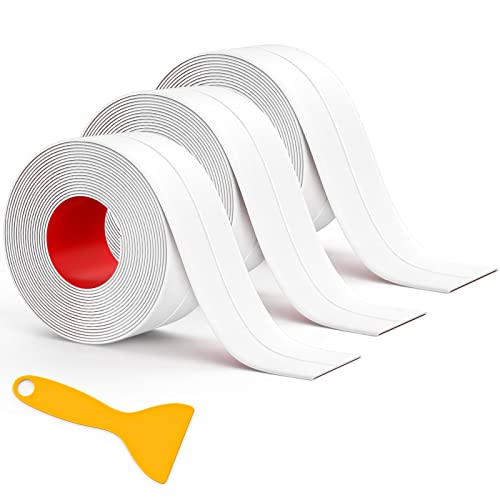
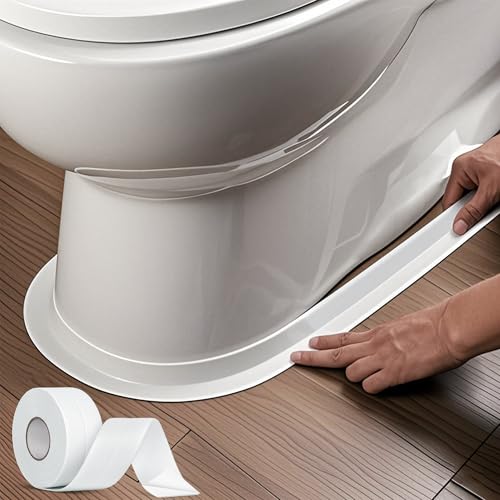
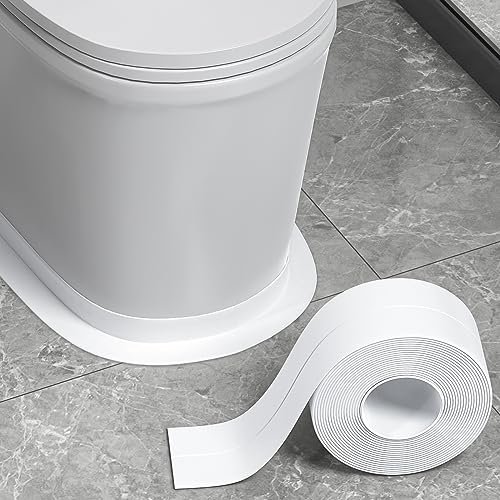
Look for a product that specifically lists mold and mildew resistance, not just "waterproof" in general terms, since the two claims are not always tested the same way. A pre-creased fold designed for right angle joints is also a good sign, since it means the tape was engineered for tub, sink, and shower corners rather than repurposed from a general household product. Checking the edges around a glass shower enclosure a few weeks after installation is a quick way to confirm whether a tape is holding its seal or already starting to lift.
Picking the Right Width and Material
Not every gap in a bathroom is the same size, and the material behind the adhesive changes how the tape performs on different surfaces. Getting these two details right is usually what separates a good roll of tape from the best bathroom sealant tape for your particular bathroom.
Matching Width to Your Gap Size
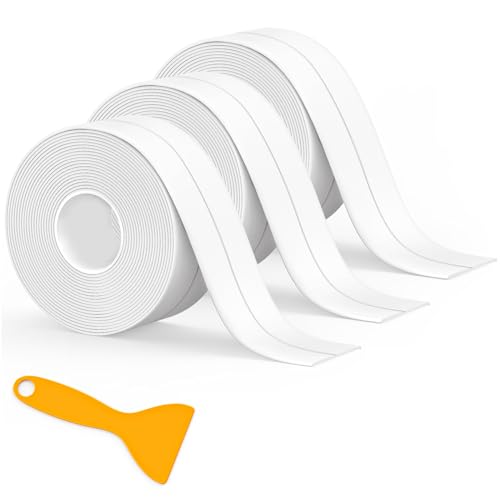
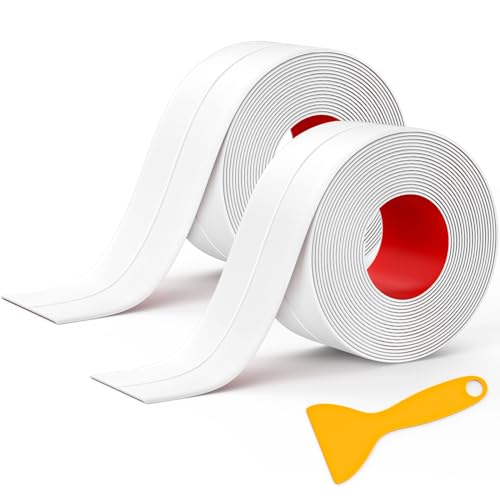
A width of about 1.5 inches covers most standard gaps around a tub, sink, or countertop, while narrower options work better for tight seams and wider rolls suit larger transitions where more coverage is needed on each side of the joint. Buying a width that barely covers the gap leaves the edges exposed to peeling, so it is worth measuring the joint before ordering rather than guessing.
PVC-Backed vs Silicone-Surfaced Tape
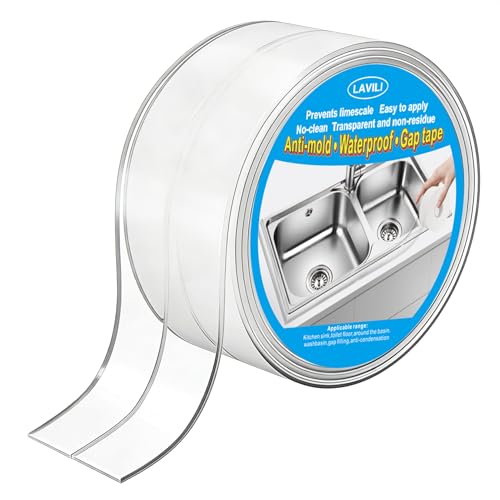
PVC-backed tape tends to be flexible and easy to fold into corners, which makes it a solid choice for straightforward joints like the seam behind a pedestal or drop-in sink. Silicone-surfaced options generally handle constant water exposure a bit better and resist staining longer, which matters most in a shower stall that sees daily use. Neither material is universally better, so match it to where the tape is actually going rather than picking whichever one shows up first in a search.
Sealant Tape vs a Traditional Bead of Caulk
Tape and tube caulk solve the same problem in different ways, and understanding the trade-offs helps you decide which one fits your project.
Where Tape Wins
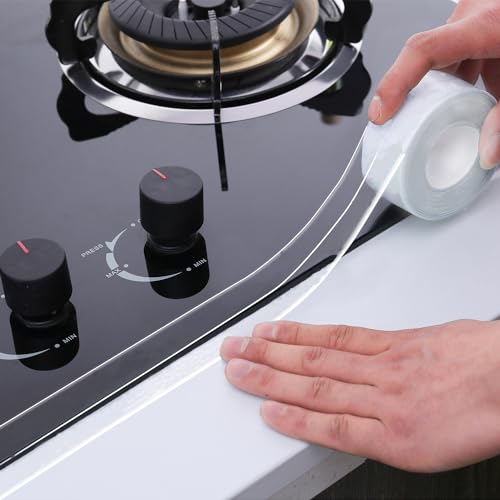
There is no caulk gun, no smoothing tool, and no cleanup of excess material squeezing out of the joint. It also stays flexible through temperature swings better than some older caulk formulas, which can help it resist the cracking that shows up around a tub or a vanity countertop over time. For a straightforward, low mess repair, this is usually the faster route.
Where a Caulk Gun Still Wins
Traditional silicone caulk still tends to last longer on curved or uneven surfaces where tape cannot lay flat, and it can be tooled into a smooth, seamless line that some homeowners simply prefer visually. If a joint is irregular, heavily damaged, or not a clean right angle, a bead of caulk applied carefully will usually outperform tape in the long run.
Frequently Asked Questions
How wide should bathroom sealant tape be?
Most standard tub, sink, and countertop gaps are covered well by a 1.5 inch wide tape. Measure your specific joint first, and size up to a wider roll if the gap or transition is unusually large.
Is sealant tape as waterproof as caulk?
A quality tape rated specifically for wet areas can perform on par with caulk when applied correctly. The real difference usually comes down to surface prep and installation quality rather than the material itself.
Can you put sealant tape over old caulk?
Only if the existing caulk is clean, flat, and free of cracking or mold. Damaged or peeling caulk should always be scraped away first, since tape applied over a failing surface will not hold.
How long does bathroom sealant tape last?
With proper prep and decent bathroom ventilation, a good tape can hold up for a few years before it needs replacing. Traditional silicone caulk is often cited as lasting around five years, so tape is generally viewed as a faster, lower effort option rather than a longer lasting one.
Why does bathroom sealant tape peel or grow mold?
Trapped moisture during application, poor bathroom ventilation, and low quality adhesive are the three most common culprits. Fixing airflow in the room often does more for longevity than switching products.
What's the difference between PVC and silicone caulk tape?
PVC-backed tape is generally more flexible and easier to fold into corners, while silicone-surfaced tape tends to hold up slightly better under constant water exposure. Choose based on where the joint is located rather than which one seems more popular.
Making the Right Call for Your Bathroom
The right choice comes down to your specific joint, not a specific brand. Prep the surface properly, match the width and material to the gap you are sealing, and weigh whether tape's convenience or traditional caulk's durability fits your project better. Keep those basics in mind and the best bathroom sealant tape for your home will be whichever roll actually matches your gap size, your material, and your bathroom's ventilation, not whichever one has the flashiest packaging. Get that right and it will do its job for years, whether it is going around a tub, a sink, or a shower seam.