
Best Concrete Paints: A Buying Guide for Garages and Patios
Disclosure: We may earn a commission when you buy through links on this page, at no extra cost to you. As an Amazon Associate we earn from qualifying purchases. Learn more
A driveway that looked freshly painted a few months ago now shows chipped edges near the garage door, and a patio floor has started to bubble where rainwater pools after a storm. Concrete is one of the toughest surfaces in a home, yet paint applied on top of it fails constantly, and the paint itself is rarely the real problem. Finding the best concrete paints for your project comes down to matching the formula to where you're painting, how much wear the surface takes, and how the concrete was prepped before a roller ever touched it. This guide walks through what separates a coating that holds up for years from one that peels by next spring, along with the questions homeowners ask most before starting a project.
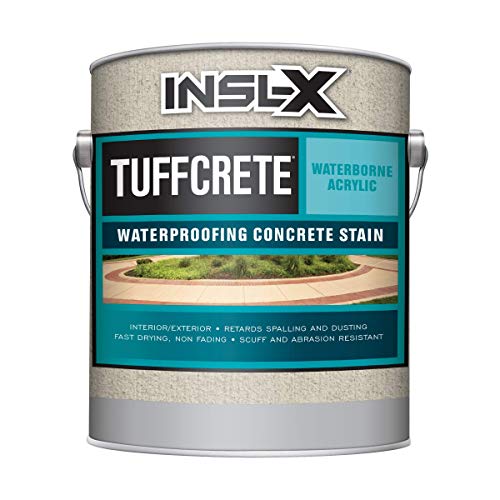
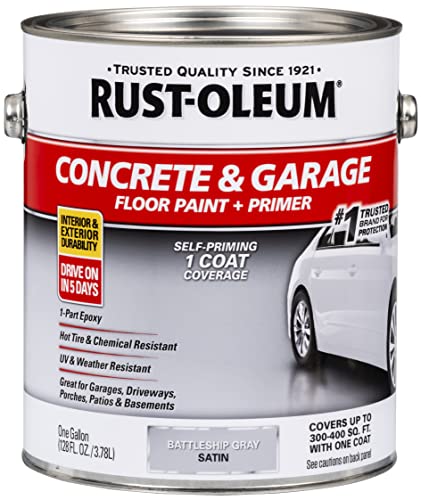
Interior vs. Exterior: Why the Same Paint Won't Work in Both Places
Concrete paint isn't a one-size-fits-all product, and using an interior formula outdoors (or the reverse) is one of the fastest ways to end up repainting within a year. The surface, the moisture exposure, and the traffic level all change what "best" actually means for a given space.
Garage Floors and Driveways
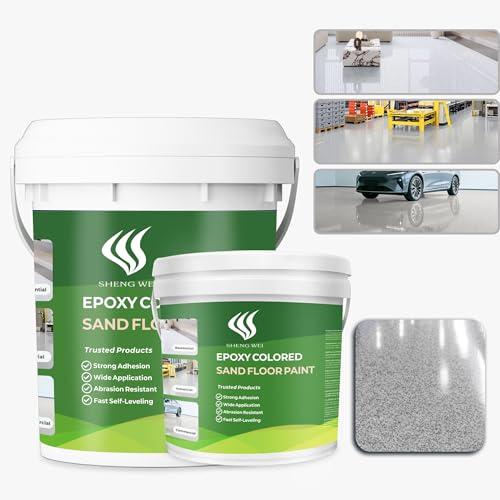
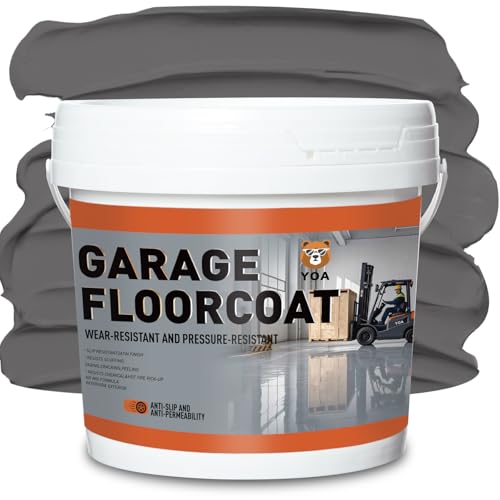
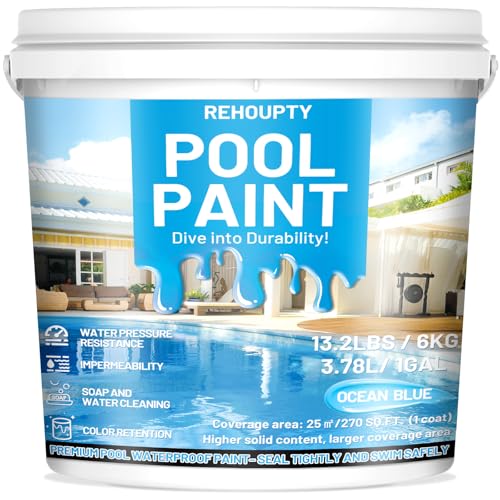
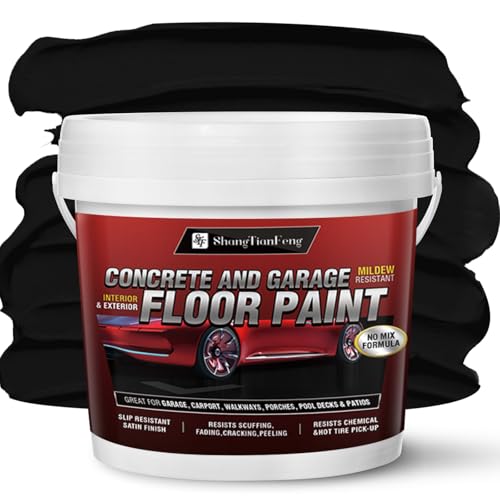
Garage floors and driveways take the hardest beating of any concrete surface in a home. Hot tires pick up standard paint and drag it loose within a season, so most people painting these areas reach for epoxy paint instead. Epoxy cures into a hard, plastic-like film that bonds into the pores of the concrete rather than just sitting on top of it, which is why it shrugs off vehicle traffic, dropped tools, and the occasional oil spill far better than a standard latex product. The same two-part epoxy chemistry gets adapted for other wet, high-wear surfaces too; pool-grade epoxy paint is built to handle constant water immersion rather than hot tires, but it's a useful comparison if you're trying to understand why epoxy outperforms regular paint on demanding surfaces.
Patios, Walkways, and Exterior Walls
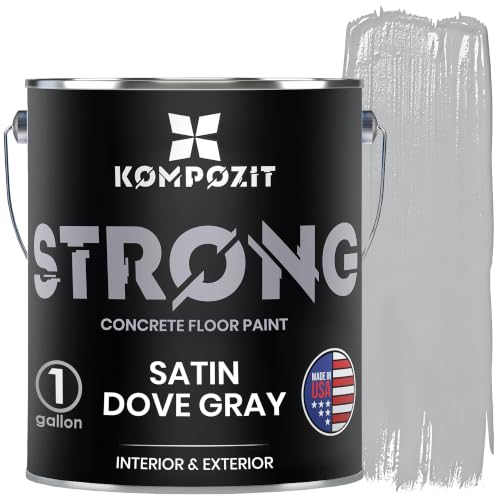
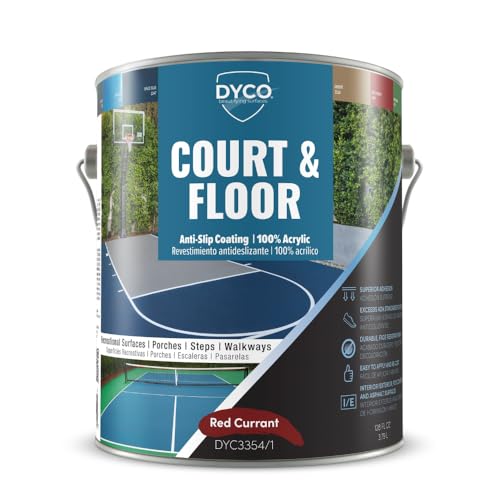
Outdoor surfaces that don't see vehicle weight, like patios, walkways, and exterior block walls, generally do better with an acrylic concrete paint or a dedicated masonry paint. These formulas flex with temperature swings, resist fading from constant sun exposure, and go on with a standard roller instead of the more involved two-part mixing epoxy requires. They're also easier to touch up later since you're not chasing a batch-mixed chemical reaction.
Basements and Interior Floors
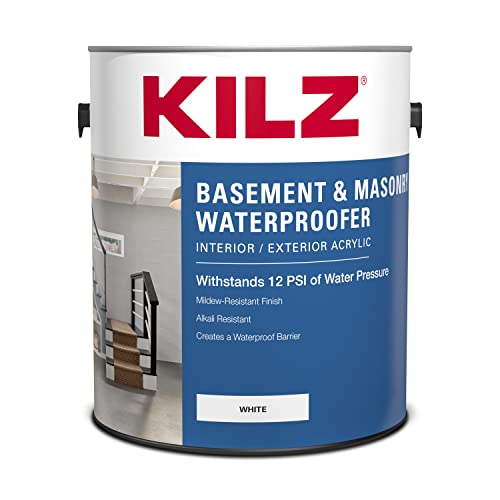
Below-grade concrete has its own challenge: moisture pushing up from underneath rather than rain falling on top. A basement floor paint needs to let some vapor pass through, or trapped moisture will blister the coating from below no matter how well it was applied. Look for products specifically labeled for below-grade or basement use rather than a general interior floor paint.
Durability Factors That Actually Matter
Once you know which category fits your space, the label details tell you whether a specific product is actually among the best concrete paints on the shelf or just a repackaged wall paint. A few properties matter far more than color or sheen.
Adhesion and Flexibility
Concrete expands and contracts with temperature, and a rigid coating that can't move with it will crack along with any hairline fractures in the slab. Better formulas use binders engineered to flex slightly as the surface heats and cools, which is a major reason cheap, general-purpose paint fails on concrete even when it holds up fine on drywall or trim.
Moisture and Mildew Resistance
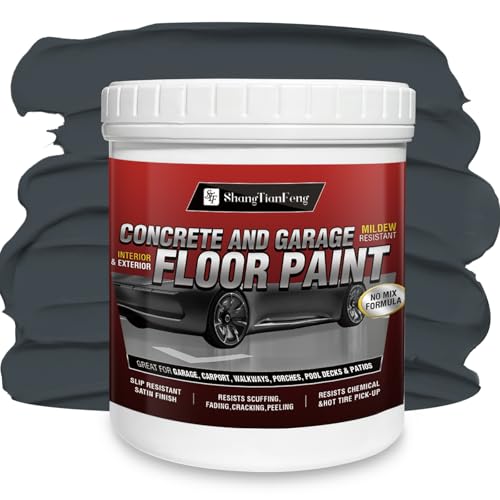
Concrete is porous, so it absorbs water unless the paint forms a real moisture barrier. Trapped moisture behind the coating is the single most common reason concrete paint jobs fail, since it causes blistering, peeling, and mold growth in humid or shaded areas. A product built for mildew resistant performance matters most for basements, north-facing walls, and covered patios that don't dry out quickly.
UV Stability
Direct sun breaks down pigment and binders over time, leading to chalking, fading, and a dull, powdery surface that rubs off on your hands. For any exterior concrete paint, UV resistance determines how long the color and finish stay intact rather than just how long the coating physically clings to the surface.
Surface Prep and Priming: The Step Most DIYers Skip
Even the best paint formula fails on a surface that wasn't properly prepared, and prep is where most concrete painting projects actually go wrong. The paint gets blamed for what is usually a shortcut taken a step earlier.
Cleaning and Etching
New and older concrete both need a thorough cleaning to remove oil, dust, efflorescence, and any old flaking coating before anything else happens. Older or smooth-troweled concrete often needs etching, either with an acid-based etching solution or mechanical grinding, so the paint has enough texture to grip instead of sliding off a slick surface. Sweeping and vacuuming alone won't cut it; a shop vac or air compressor is genuinely useful here for blasting dust out of the surface pores right before priming.
Priming and Sealing
A dedicated concrete primer fills in small voids, evens out porosity across the slab, and gives the topcoat something consistent to bond to. Some projects also call for a concrete sealer either before or after painting, depending on the product line, since sealed concrete resists moisture intrusion better than bare concrete and tends to extend the life of the paint on top of it. Skipping primer to save a step is one of the most common reasons a paint job looks great for a month and then starts lifting at the edges.
Coverage, Coats, and How Long a Paint Job Should Realistically Last
Budgeting time and expectations correctly avoids a lot of frustration once the project is underway. Most concrete paint jobs need two to three coats, with a full day of drying time between each one and at least one to two additional days before the surface should be walked or driven on. Rolling it on works fine for walls and small patios, though a sprayer covers large driveways and garage floors far more evenly and quickly if you're comfortable using one; a paint sprayer designed for smooth, even coverage on ceilings applies the same core technique to a large flat floor. Standard paint on concrete typically holds up for one to three years before it starts chipping or peeling, while a well-prepped epoxy system on a garage floor can last considerably longer.
Sealing the surface after painting can extend that lifespan noticeably, so it's often worth the extra afternoon of work. And if you're rolling this out yourself, keep a rag handy; splatter happens fast, and knowing how to get paint off clothing quickly saves a favorite pair of jeans more often than you'd expect.
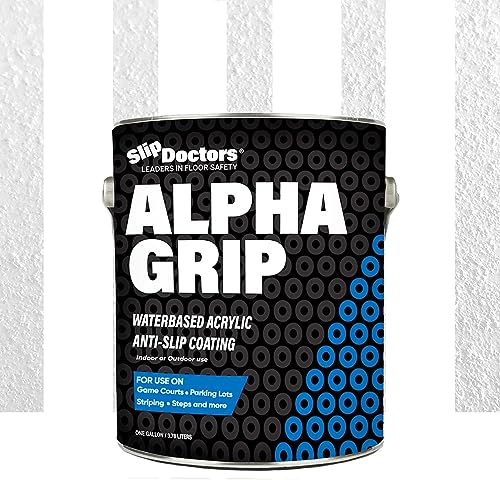
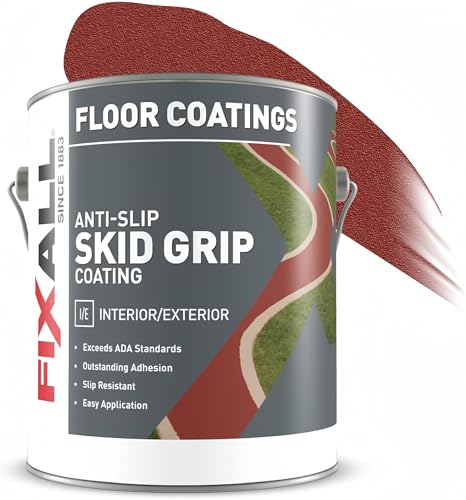
For high-traffic outdoor areas like steps or a pool deck, a non-slip additive mixed into the final coat or broadcast over wet paint adds grip without changing the overall formula you've chosen.
Frequently Asked Questions
Does concrete need to be sealed before it's painted?
Sealing isn't always required, but it helps significantly. A sealed surface resists moisture better than bare concrete, and moisture intrusion is the leading cause of paint failure on concrete, so sealing first (or choosing a paint with a built-in sealing step) improves the odds the job lasts.
How long does concrete paint last?
Standard concrete paint typically lasts one to three years before chipping or peeling becomes noticeable, largely depending on prep quality and moisture exposure. A properly applied epoxy system on a garage floor can last considerably longer under the same conditions.
What's the difference between concrete paint and concrete stain?
Paint sits on top of the concrete as an opaque layer, hiding flaws but requiring good adhesion to avoid peeling. Stain soaks into the surface and colors it translucently, so it won't chip the way paint can, but it doesn't hide imperfections and usually needs a sealer over it for protection.
How many coats of paint does a concrete floor need?
Most concrete floors need two to three coats for even coverage and durability, with roughly a day of drying time between coats. Skipping to one coat to save time almost always shows through as thin, uneven spots that wear through quickly.
Is epoxy or acrylic paint better for a garage floor?
Epoxy paint generally outperforms acrylic on a garage floor because it bonds into the concrete and resists hot tire pickup, oil, and heavy foot traffic. Acrylic is easier to apply and touch up, but it isn't built for the same level of abuse a daily-use garage floor sees.
Can painted concrete be made non-slip?
Yes. Adding a non-slip additive to the final coat, or broadcasting fine grit over wet paint, creates texture that improves traction on steps, pool decks, and patios without requiring a different paint formula.
Do you need to etch concrete before painting it?
Smooth or previously sealed concrete usually needs etching or light grinding so the paint has enough surface texture to grip. Rough, unsealed, or already-porous concrete may need less aggressive prep, but cleaning thoroughly is still essential either way.
Making the Right Call for Your Project
Choosing among the best concrete paints depends less on brand or price and more on matching the formula to the space: epoxy for garage floors and driveways, acrylic or masonry paint for patios and exterior walls, and a vapor-permeable formula for basements. Prep work and realistic expectations about coats and drying time matter just as much as the paint itself. Get those fundamentals right, and the coating you choose has a real shot at looking good for years instead of months.