
Best Caulk for Bathtub: A Complete 2026 Buying Guide
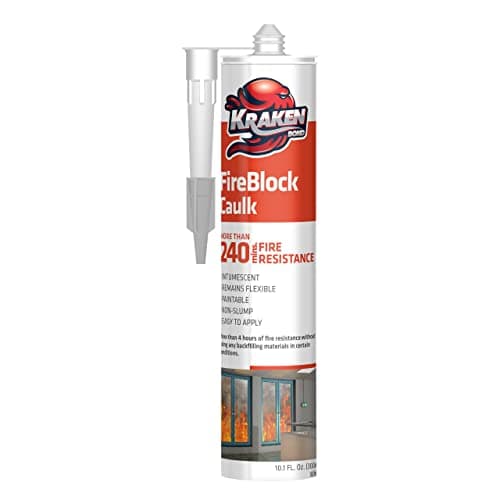
A cracked, yellowing line of caulk around your tub is more than an eyesore. Once water gets behind that seam, it seeps into the subfloor and wall cavity, and by the time you notice soft drywall or a musty smell, the damage is already done. Finding the best caulk for bathtub use comes down to picking the right sealant tube for the job, not a caulking gun or any other tool. This guide focuses on the product itself: what makes a caulk actually waterproof, which type holds up best in a tub used daily, and how to apply it so the seal lasts years instead of months.
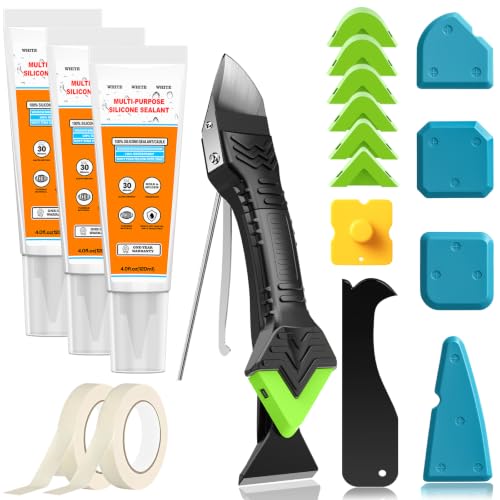
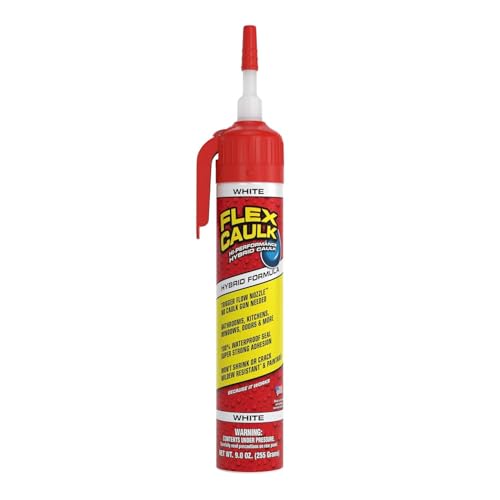
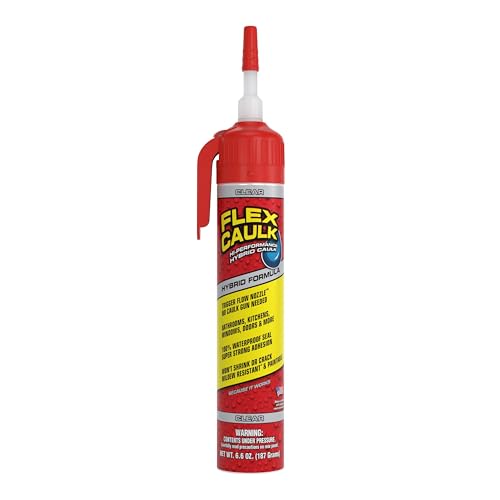
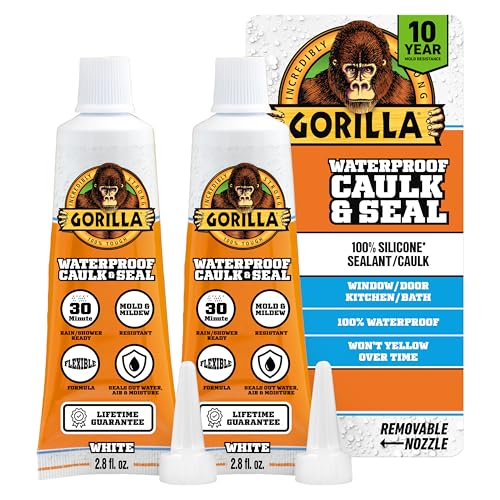
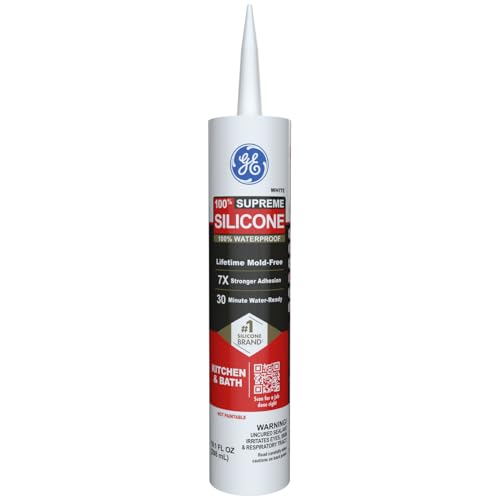
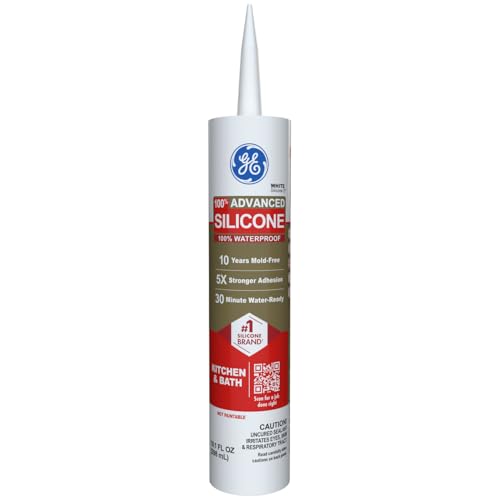

What Makes a Tub Seal Actually Hold Up to Water
Not every caulk sold at the hardware store is built for a bathtub. The joint around a tub sits in one of the wettest spots in the house, flexes slightly every time the tub fills with a few hundred pounds of water, and needs to resist mold in a room that rarely gets fully dry. Three properties decide whether a caulk handles that environment or fails within a season.
Why 100% Silicone Wins in a Wet Environment
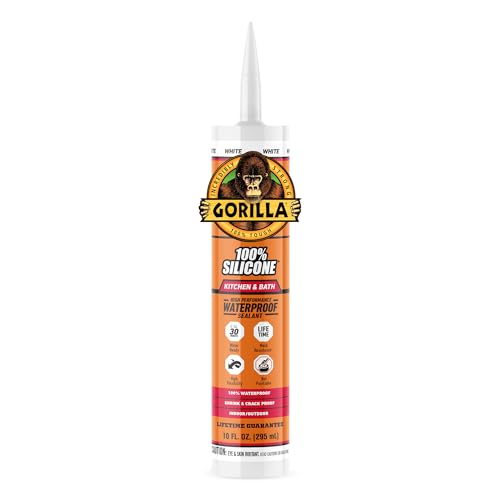
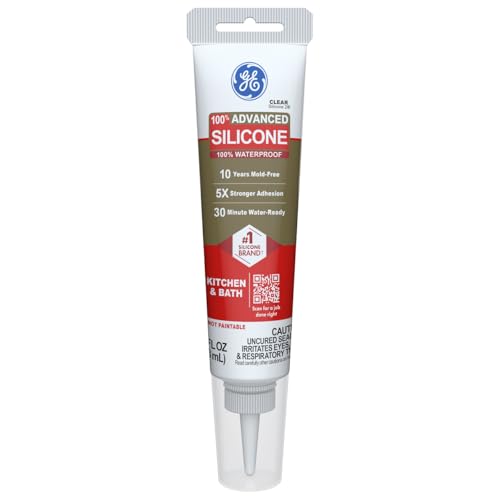
Pure silicone repels water rather than absorbing it, which is why it remains the standard recommendation for tub and shower joints. It does not swell, soften, or break down the way some acrylic formulas can after months of constant splashing. The tradeoff is that silicone is harder to paint over and trickier to remove later, but for a seam that stays wet, that tradeoff is usually worth it.
Flexibility Matters as Much as Waterproofing
A bathtub moves. Filling it with water adds real weight, and that weight causes a small amount of flex between the tub and the surrounding tile or wall, especially with a lightweight acrylic or fiberglass tub. Caulk that stays rigid after curing tends to crack along that seam within a year, while a caulk rated for high flexibility stretches and rebounds instead of splitting. Checking the flexibility spec on the label matters more with a freestanding or drop-in tub than with a heavier cast iron model, since lighter tubs shift more when they fill.
Built-In Mildew Resistance Isn't Optional
Look for a caulk labeled specifically for kitchen and bath use, since these formulas include additives that slow mold and mildew growth directly in the caulk line. General purpose caulk sold for windows or trim skips these additives entirely, and in a humid bathroom that difference shows up as black spots within months rather than years.
Silicone vs. Siliconized Latex vs. Specialty Tub-and-Tile Caulk
Once you know why waterproofing and flexibility matter, the next decision is which type of caulk actually delivers them. Three main categories show up on hardware store shelves, and each fits a slightly different situation.
100% Silicone
This is the most water-resistant option and the one most contractors reach for around a tub. It cures into a rubbery, flexible seal that resists mold well on its own. The downside is that it cannot be painted, has a stronger odor while curing, and needs mineral spirits or a dedicated remover for cleanup, so precision matters during application.
Siliconized Latex (Painter's Caulk)
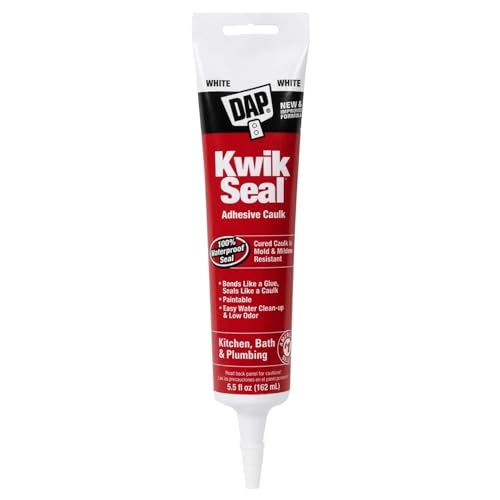
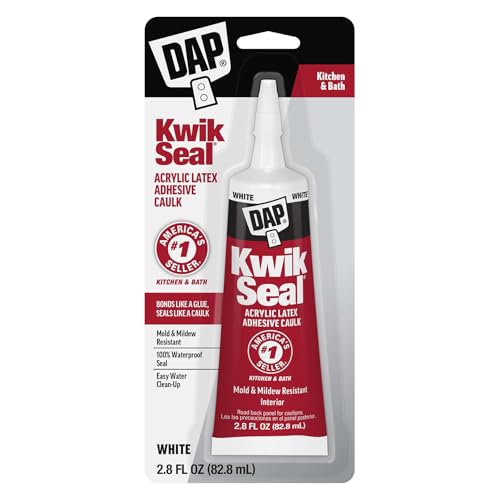
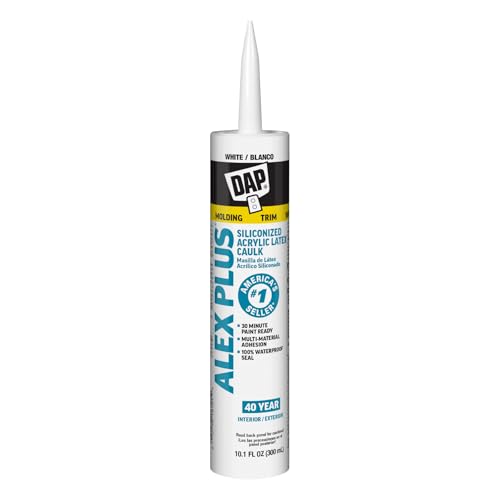
This hybrid formula mixes acrylic latex with a small amount of silicone, making it easier to smooth, clean up with water, and paint over if you want the caulk line to disappear into the wall color. It is not as waterproof or flexible as pure silicone, so it works better for trim and less-submerged joints than for the tub-to-tile seam itself.
Tub-and-Tile Specialty Sealant
Sold specifically for wet areas, these products are usually 100% silicone formulated with extra mildew inhibitors and sometimes a slight elasticity boost for corners and inside seams. They tend to cost more per tube, but for the one seam in the house that stays wet daily, that premium is often where it counts most.
Getting a Seal That Actually Lasts: Prep and Application
The best tube of caulk in the world will fail early if it goes on over a dirty or damp surface. Application matters just as much as the product itself.
Remove Mold and Old Caulk Before You Reseal
Cutting a new bead over an existing one, especially one with any mold or mildew staining, traps that mold underneath where it keeps growing. Scrape out the old caulk completely with a plastic putty knife, then clean the joint with a diluted bleach or vinegar solution and let it dry fully, ideally overnight with the bathroom fan running.
Use the Right Tool and Give the Bead Room to Move
A steady, even bead makes a real difference in how long the seal lasts, and that starts with a caulking gun that lets you control the flow instead of squeezing a tube by hand. Fill the tub with a few inches of water before applying the final bead around the base, since that mimics the flex the joint sees under normal use and helps keep the caulk from cracking the first time someone takes a bath.
Caulk vs. Sealant Tape for a Bathtub Joint
Tube caulk is not the only option for sealing a tub joint, and it is worth knowing when the alternative makes more sense.
Peel-and-stick bathroom sealant tape skips the cure time and cleanup entirely, which makes it appealing for a quick fix or a rental where a caulk gun is not practical. Traditional caulk still wins on curved corners, uneven joints, or seams under constant water pressure, where tape struggles to lay flat and hold its edge over time. For a tub that gets heavy daily use, caulk remains the top pick, and that is exactly why identifying the best caulk for bathtub joints still starts with silicone rather than tape.
Frequently Asked Questions
How long does bathtub caulk need to cure before you shower?
Most silicone caulk feels dry to the touch within an hour, but that is not the same as fully cured. Give it at least 24 hours before running water over the seam, and check the tube label since some specialty formulas ask for closer to 48 hours.
How often should you re-caulk a bathtub?
Roughly every five years under normal use, sooner if you notice cracking, gaps, or the caulk pulling away from the tile. Catching it early is much easier than dealing with water damage behind the wall later.
Is silicone or latex caulk better for a bathtub?
100% silicone is the better choice for the tub-to-tile seam itself because it handles constant moisture and flex better. Siliconized latex works fine for drier trim nearby, but it is not the top pick for a joint that stays wet.
Can you caulk over old caulk?
Only if the existing bead is clean, flat, and free of mold. New caulk will not bond well to a failing surface, so scraping out damaged or moldy caulk first gives the new seal a much better chance of lasting.
Why does bathtub caulk turn black or moldy?
Trapped moisture, poor bathroom ventilation, and a caulk without mildew-resistant additives are the three most common causes. Running the fan longer after showers often extends the life of the seal more than switching products.
Do you need a special caulk for an acrylic tub?
Most 100% silicone and specialty tub-and-tile caulks work fine on acrylic, but always check the label, since a few formulas can discolor certain acrylic or fiberglass finishes. When in doubt, test a small dab in a hidden spot first.
Making Your Decision
The right choice comes down to how much moisture that specific seam sees and how much flex the tub itself creates. For the joint where the tub meets the tile, 100% silicone or a dedicated tub-and-tile formula is worth the slightly higher price and trickier cleanup. Prep the surface properly, give the bead time to cure, and the best caulk for bathtub use will keep that seam watertight for years rather than months.