Best Back Up Generators: A First Time Buyer's Guide for 2026
Disclosure: We may earn a commission when you buy through links on this page, at no extra cost to you. As an Amazon Associate I earn from qualifying purchases. Learn more

New to best back up generators? Learn the types, watt math, safety rules and price bands to choose the right size with confidence.
When the power goes out for the first time, most new buyers realize they know almost nothing about the machine they suddenly need. This guide starts at the very beginning, so you can compare the best back up generators with plain language instead of guesswork. You will learn what each type does, how the watt numbers work, and which safety rules come before any price talk.
By the end you will know how to list your loads, read a spec sheet, and match a size to your home. Start with the product table to see how the main classes differ, then work through the sections in order.

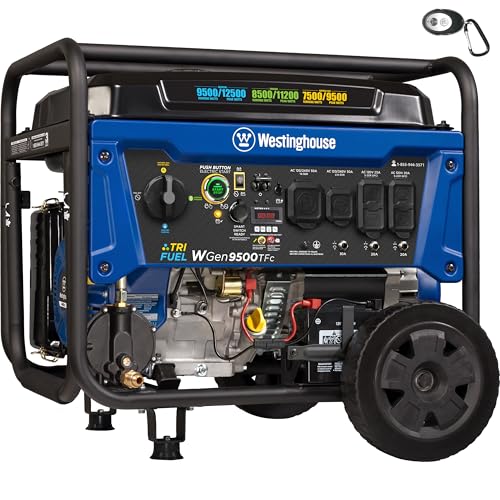
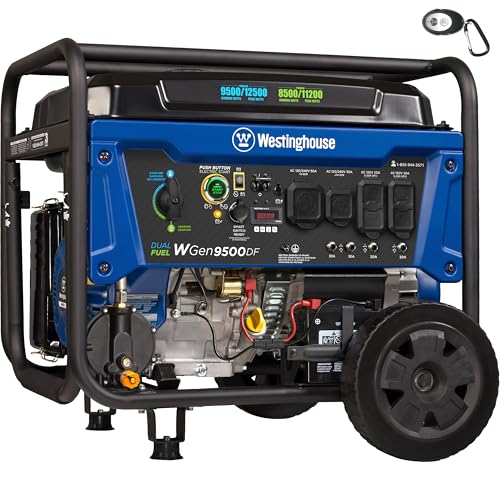


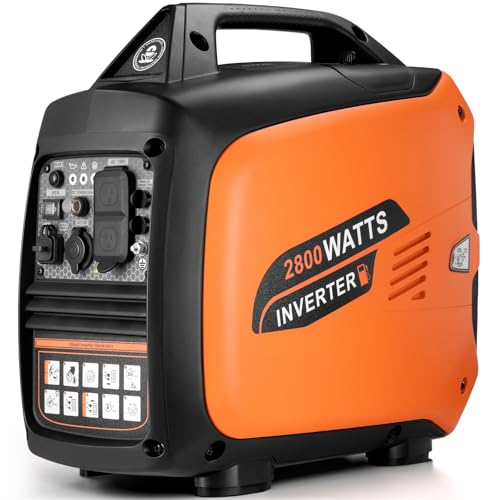
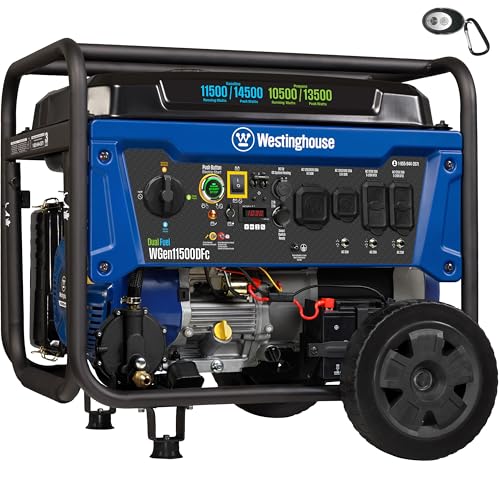

Back Up Generators 101: The Basics
A back up generator makes electricity at your home when the grid stops, either from fuel burned in an engine or from a battery that was charged earlier. Fuel models start when you pull a cord, press a button, or when a standby unit senses the outage on its own. Battery stations stay silent indoors and recharge from a wall outlet or solar panels between outages.
A few terms follow you through every listing. Running watts are the steady output the machine can hold for hours. Starting watts are the brief extra surge a motor needs when it switches on. An inverter shapes the output into a clean wave that electronics tolerate well, while a transfer switch is the panel hardware that connects a generator to house circuits safely.
Key Specs Explained in Plain English
Generator Type (Portable, Inverter, Standby, Solar Power Station)
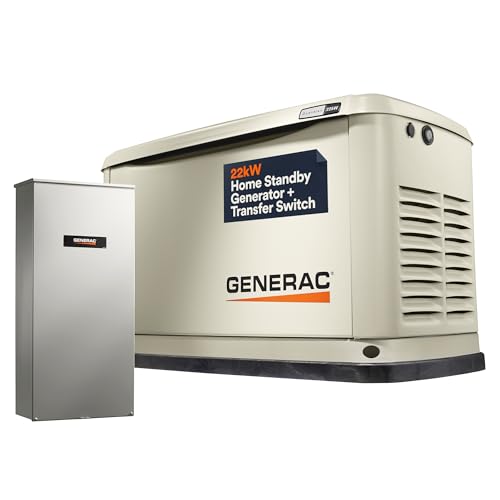
Portable fuel models are the flexible starting point: you wheel one out, run extension cords, and store it in the garage between storms. Inverter models are quieter and sip fuel, which suits smaller loads and sensitive electronics. Standby units stay fixed beside the house, start on their own, and need professional installation. Solar power stations are battery boxes that pair with panels; they run silently indoors but hold a limited store of energy, so they fit short outages and small loads best.
Wattage: Running vs Starting Watts
Size comes from your load list, not from the box art. Write down what must run at once, add the running watts, then add the largest starting surge among the motor driven items. A fridge may run at about 150 watts yet surge near 800 watts at startup. A sump pump often runs near 800 watts and surges past 2,000 watts.
A window air conditioner can run near 1,000 watts with a similar surge. Your generator's running rating must clear the steady total with room to spare.
Noise Level (dBA)
Noise is rated in decibels, usually measured at a set distance with a partial load. Open frame portables are the loudest class and can trouble close neighbors late at night. Inverter models in a closed case are far quieter at the same load, closer to normal conversation. Some neighborhoods and campgrounds set noise limits, so check local rules before you buy.
Distance helps too: every extra stretch of cord between the machine and your windows softens what you hear inside.
Battery Capacity and Solar Input (for Power Stations)
Power stations store energy in watt hours, and the chemistry matters: LiFePO4 cells tolerate far more charge cycles than older lithium types, which suits a box kept for years of outages. Divide the stored watt hours by your load to estimate runtime, then remember that conversion losses trim the real figure. Solar input is rated in watts; a higher input rating refills the battery faster on a clear day. Panel count and placement decide whether that rating is reachable at your home.
Clean Power (THD) for Electronics
Total harmonic distortion, shortened to THD, measures how rough the electrical wave is. Conventional portables can produce a rough wave that some electronics, chargers and variable speed motors dislike. Inverter models hold THD under about 3 percent, close to grid quality, so laptops and phones charge without complaint.
If your outage plan is mostly electronics and a fridge, clean power is worth paying for. If you only run a pump and power tools, a rougher wave matters far less.
Rookie Mistakes to Avoid
- Buying by starting watts alone, then finding the running rating too small for the load list you actually wrote down.
- Planning to run a fuel generator in a garage or near an open window, which is exactly where exhaust becomes lethal.
- Skipping the transfer switch question and planning to feed a house panel through a dryer outlet, a practice that endangers line workers.
- Forgetting fuel storage and rotation, so the machine has stale fuel or none at all when the storm arrives.
- Choosing the loudest open frame class for a small lot where neighbors sleep a few meters from the exhaust.
Getting Started: Setup and First Use
Read this safety box before any setup step. A fuel generator runs outside only, never indoors and never in a garage, because its exhaust carries carbon monoxide that is dangerous without warning or smell. Follow the manufacturer's instructions for placement, keep it well away from the house, with the exhaust pointed away from doors and windows, and let it cool before refueling. These placement rules come before price, size and every other feature in this guide.
For connection, the safe route into house circuits is a transfer switch installed by a licensed electrician. Feeding power backward through a normal outlet, called backfeeding, can send voltage onto grid lines and endanger the line workers restoring your street. Until a switch is fitted, run heavy duty outdoor extension cords directly to each appliance instead. The same word back up covers very different hardware elsewhere: guides to best back up cameras describe vehicle cameras that help a driver reverse, a completely separate purchase from outage power.
On first use, add oil before the first start, since many engines ship dry. Run the machine under a modest load for a short break in period, then run it monthly so it starts when needed. Keep fresh fuel with stabilizer, and note which circuits matter most. Storage planning has its own meaning for files: a guide to best back up hard drives covers keeping copies of your data safe, which pairs well with outage planning but solves a different problem.
Frequently Asked Questions
Do I need a transfer switch?
You need a transfer switch only if you want the generator to feed house circuits through the panel. It isolates your home from the grid, which protects line workers and your own wiring. If you are content running extension cords to a fridge and a few lights, you can skip it. Many first time buyers start with cords, then add a switch once they know their outage pattern and load list.
How long can a back up generator run continuously?
Most portable fuel models run about 8 to 12 hours on one tank at half load before they need fuel and a rest. Manufacturers also ask for oil checks at set intervals, often after each long run. Standby units on a piped gas supply can run far longer. Battery stations simply run until the stored charge is gone, then need wall or solar charging before the next outage.
Inverter or conventional: which is better?
An inverter is better when quiet operation, clean power and fuel savings matter, and it costs more per watt. A conventional portable is better when you need the most watts for the least money and the load is mostly motors and tools. Match the class to your load list: electronics and close neighbors point to an inverter, while a worksite style load list points to a conventional frame. Neither class changes the outdoor placement rule.
What size generator do I need to power a house?
Most homes do not need the whole house powered at once, and sizing to essentials is far cheaper. A fridge, a sump pump, lights, a phone charger and a furnace fan often total about 3,000 to 5,000 running watts. Add a well pump or window air conditioner and the figure climbs toward 7,500 watts. Whole house comfort with central air pushes into standby territory.
Your own written load list, not a neighbor's purchase, decides the size.
Can a generator run a refrigerator?
Yes, nearly any generator class can run a refrigerator, because a fridge draws modest running watts. The catch is the startup surge when the compressor kicks on, which can reach several times the running figure for a second or two. Keep some spare capacity above your steady total so that surge does not trip the machine. Plug the fridge in first and let it settle before adding other loads one at a time.
The Bottom Line
For a first purchase, three things decide everything: the load list you write before shopping, outdoor placement at a safe distance, and a safe connection method arranged with an electrician. Size from the fridge, pump and furnace loads rather than from the largest box in the store. When you compare the best back up generators with those rules fixed, the right class usually becomes obvious. Use the product table to match each class against your list, and choose the smallest machine that clears it with room to spare.