
Best Tool Boxes for Garage: A Complete Buying Guide
Disclosure: We may earn a commission when you buy through links on this page, at no extra cost to you. As an Amazon Associate I earn from qualifying purchases. Learn more

Your garage tool collection probably didn't start as a mess, but somewhere between the wrench set, the drill bits, and the random hardware drawer, it turned into one. Finding the best tool boxes for garage storage is less about grabbing the biggest box on the shelf and more about matching the unit to how you actually work. A cramped portable case won't cut it once you own more than a handful of tools, and a full-size rolling cabinet can feel like overkill in a one-car garage with barely enough floor space to open the door. This guide walks through the real differences between tool storage types, what construction details actually matter, and how to size your setup so you're not shopping again in a year.

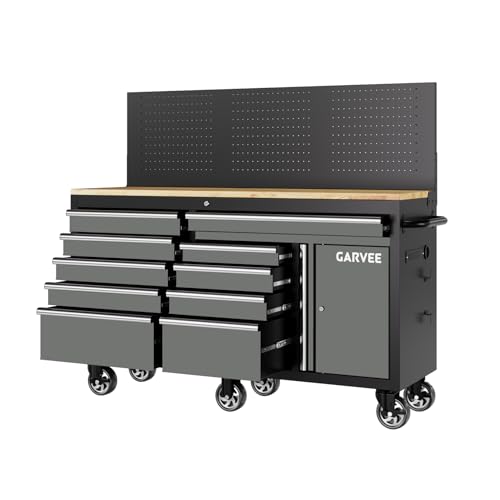
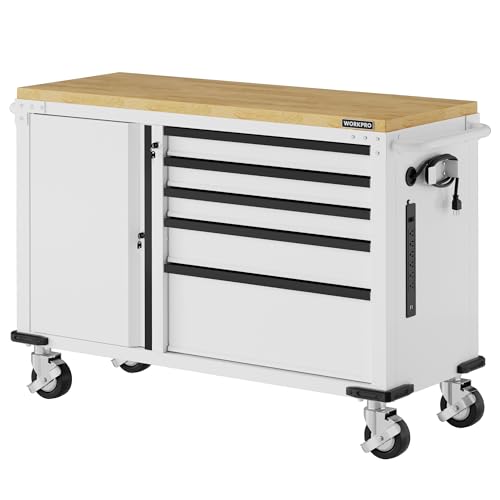
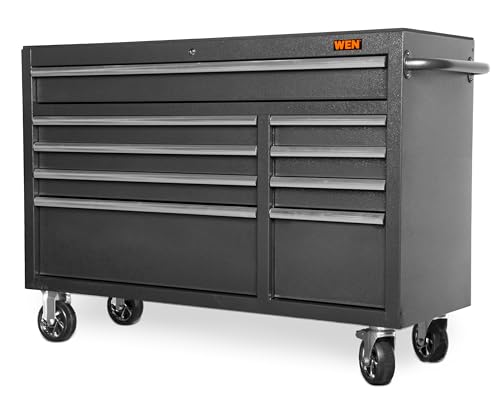
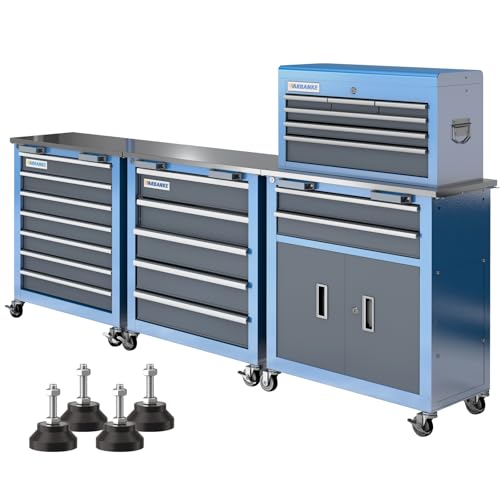
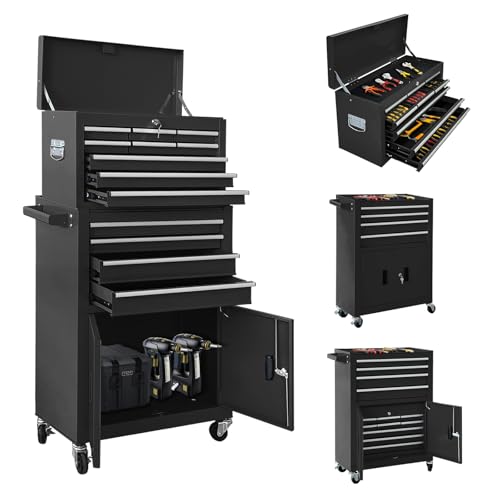
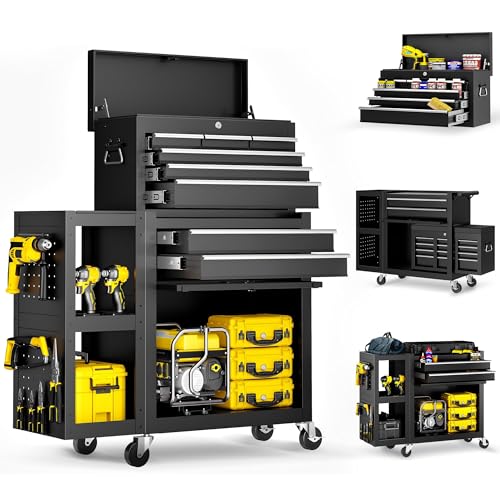
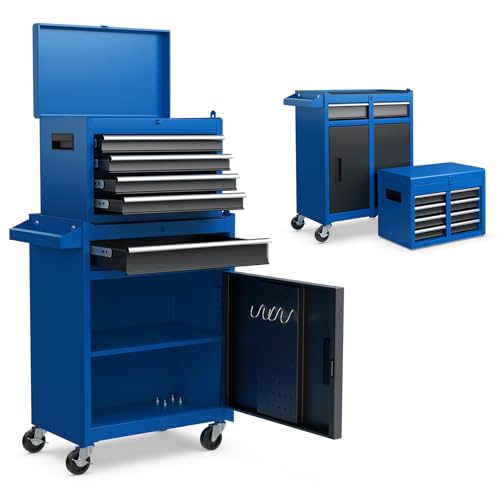
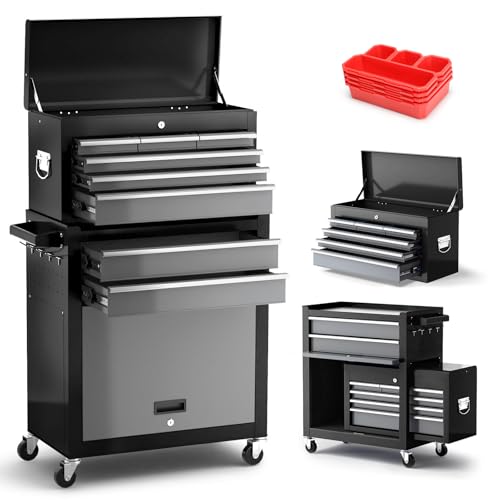
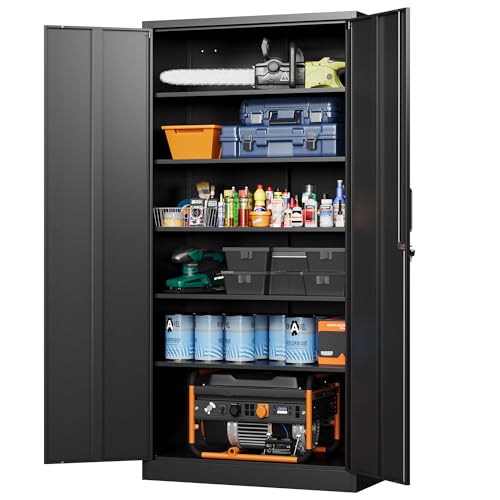
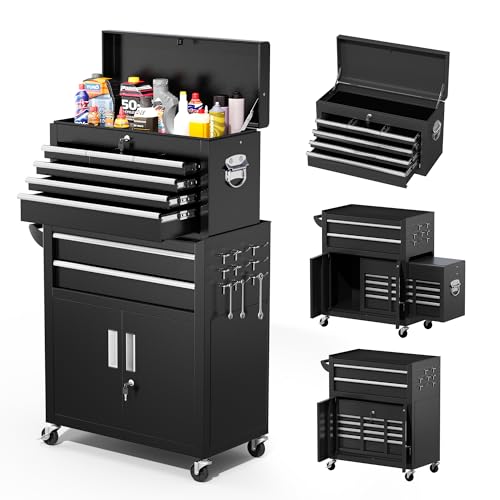
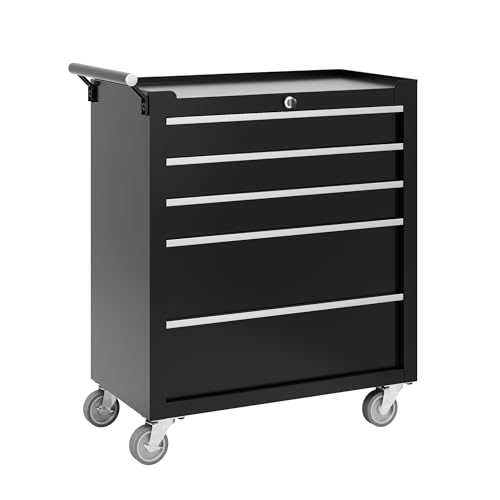
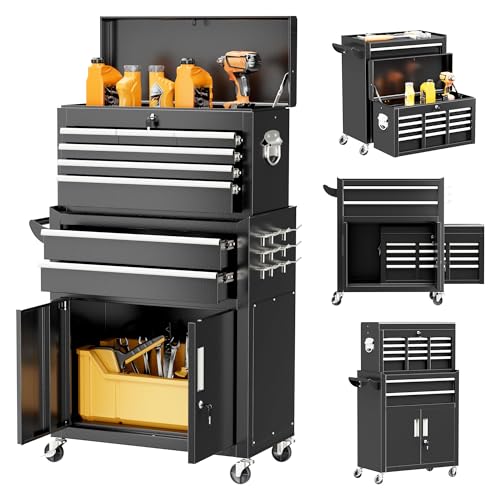
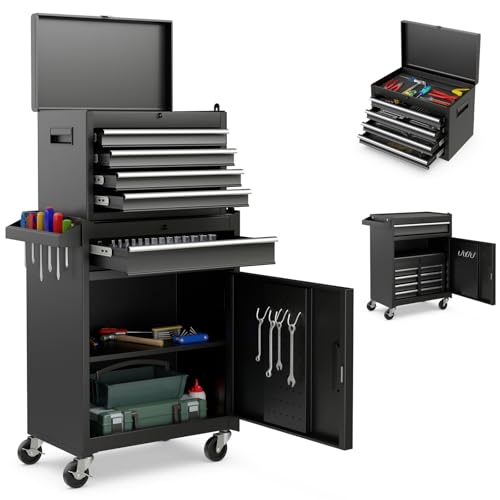
Types of Garage Tool Storage: From Portable Boxes to Full Cabinets
Garage tool storage isn't one product category, it's several, and each one solves a different problem. Understanding these categories is the first step toward finding the best tool boxes for garage use that actually fit your space, instead of picking whatever looks sturdiest online.
Portable Tool Boxes
A portable tool box is the smallest and least expensive option, usually a single tray or a small stack of trays with a folding handle. It works well for a starter collection, a condo or apartment garage, or anyone who needs to grab a handful of tools and head to a job site or a friend's house. What it can't do is scale. Once you own more than a dozen or so hand tools plus a couple of power tools, a portable box turns into a jumble you have to dig through every time.
Top Chests and Cabinets
A top chest sits on a workbench or a stand and typically holds five to nine drawers of varying depth. A base cabinet sits on the floor, often on locking casters, and holds heavier gear, power tools, and bulk hardware. Many garage setups pair the two, chest on top of cabinet, into one tall unit with dozens of cubic feet of enclosed storage. This combination is the standard choice for anyone who works on cars, does regular home repairs, or has a growing collection that needs a permanent home.
Rolling Tool Carts and Combo Units
A rolling tool cart is shorter and narrower than a full cabinet, built around mobility instead of maximum capacity. Some combo units blend a rolling cart with a compact chest on top, giving you a flat work surface and a handful of drawers without needing a stationary cabinet at all. These fit smaller garages well, especially when floor space near a specific work area matters more than total drawer count.
What to Check Before You Buy: Material, Drawers, and Build Quality
Steel vs. Plastic Construction
Plastic tool boxes are fine for light use, holding hand tools that don't put much stress on the walls or hinges. Once you're storing wrenches, sockets, or anything with real weight, steel construction holds up dramatically better over time. Look for double-walled panels on the drawers themselves, not just the outer shell, since that's usually where cheaper units start to sag or dent.
Drawer Slides and Depth Variety
Ball-bearing drawer slides move smoother, hold more weight, and last longer than the basic roller slides found on budget units. They're worth paying extra for if you plan to fully load your drawers. Depth variety matters just as much as slide quality. A mix of shallow two-inch drawers for small parts, medium three to four inch drawers for wrenches and pliers, and at least one deeper drawer for power tools keeps everything organized instead of stacked on top of itself.
Weight Capacity and Locking Mechanisms
Check the per-drawer weight rating, not just the overall unit rating, since a single drawer loaded with sockets and metal tools can easily hit fifty pounds or more. A tool cabinet with a full-width locking bar that secures every drawer at once is more convenient day to day than individual drawer locks, and it does a better job keeping curious kids or visiting contractors out of your gear.
Matching Tool Box Size to Your Garage and Tool Collection
Getting the best tool boxes for garage storage right is mostly a sizing exercise, not a features contest.
Take Stock of What You Actually Own
Lay out your current tools before you shop. It sounds tedious, but it's the fastest way to see how much drawer space you genuinely need versus how much you assume you need. If your collection is still small, pairing new storage with a solid hand tool set makes it easier to plan drawer sizes around a known inventory instead of guessing.
Leave Room to Grow
Buy slightly bigger than your current collection, not double. A unit with two or three empty drawers gives you room for new purchases without forcing an upgrade next year. Larger garage equipment, like an air compressor, generally needs its own floor space rather than a drawer, so factor that into your overall layout before deciding how much of the garage your tool storage should claim.
Rolling Cart or Stationary Cabinet: Which Fits Your Workflow
This comes down to how you actually work in your garage, not which option sounds more capable on paper.
When Mobility Wins
If you work in different spots around the garage, under a car, at a workbench, near the door, a rolling tool cart saves you constant back and forth trips. Locking caster wheels let you park it exactly where you need it and keep it from drifting away mid-task.
When a Stationary Cabinet Makes More Sense
If you have one dedicated workspace and simply need maximum storage, a stationary cabinet wins on capacity and stability. It won't tip or shift under a heavy top load the way a smaller cart sometimes can, and it typically offers more total drawer volume for the same footprint.
Keeping Your Tools Secure in the Garage
Garage tool theft is common enough that security features are worth factoring into your decision, not treating as an afterthought.
Locks and Anchoring
A central locking bar beats individual key locks for daily convenience, but for real security, anchor the unit itself. A chain run through the frame and bolted to a floor anchor stops someone from simply wheeling the whole cabinet out the door, which is how a surprising number of garage thefts actually happen.
Visibility and Lighting
A dark, cluttered garage is easier to move around in unnoticed. Good garage lighting around your workspace makes it harder for anyone to poke around unseen and, as a bonus, makes it a lot easier to find the right drawer yourself.
Frequently Asked Questions
What is the difference between a tool box and a tool chest?
A tool box is typically a single, self-contained unit, often portable, with one or a few compartments. A tool chest usually refers to a stacked drawer unit, either sitting on a bench or paired with a base cabinet, built for larger and more organized collections.
How many drawers do I need in a garage tool box?
Most home garages do well with six to nine drawers split between a top chest and base cabinet. That range covers small parts, hand tools, and bulkier items without leaving half the unit empty.
Should I choose a rolling tool cart or a stationary cabinet?
Choose a cart if you move around the garage while you work. Choose a stationary cabinet if you have one fixed workspace and want maximum drawer capacity in the same footprint.
What material holds up best for a garage tool box?
Steel holds up better than plastic for anything beyond light hand tools, especially in drawers that see regular weight and daily use. Plastic is fine for a small, occasional-use collection.
How do I keep a garage tool box secure from theft?
Use a full-width locking bar for daily security, then anchor the unit to the floor or wall with a chain and lock so it can't simply be rolled away.
What size tool box do I need for a two car garage?
A two car garage can usually fit a full chest and cabinet combo in the 26 to 41 inch width range without crowding your parking space, as long as you place it along a side wall rather than the back.
How much should I expect to spend on a decent garage tool box?
Basic portable boxes start under fifty dollars, while a mid-range chest and cabinet combo with steel construction and ball-bearing drawers typically runs several hundred dollars. Spending more upfront usually means better slides, thicker steel, and a sturdier lock system that lasts years longer.
Finding the Right Fit for Your Garage
The right pick among the best tool boxes for garage storage isn't necessarily the biggest or the most expensive option, it's the one sized to your actual tool collection and how you move around your space. Start with an honest look at what you own, decide whether mobility or capacity matters more for your workflow, and build in security from the start rather than adding it later.