Best Computer Monitors for Migraine Sufferers: Matching the Right Model to Your Routine for 2026
Disclosure: We may earn a commission when you buy through links on this page, at no extra cost to you. As an Amazon Associate I earn from qualifying purchases. Learn more
Compare the best computer monitors for migraine sufferers by flicker control, brightness range, panel type, and size, with calm buying tips inside.
If bright screens, visible flicker, or harsh contrast tend to set off your headaches, your monitor choice matters more than raw specs suggest. The right best computer monitors for migraine sufferers are not the brightest or the sharpest models on the shelf. They are the ones that stay comfortable hour after hour, with steady light output and controls that let you soften the image to match your room.
There is no single model that suits every routine, because a traveler, a gamer, and a full time remote worker stress their eyes in different ways. This guide walks through the user groups, the panel and brightness features that matter most, and the settings worth checking before you buy. Start with the comparison table below, then read the sections that match how you actually spend your screen time.


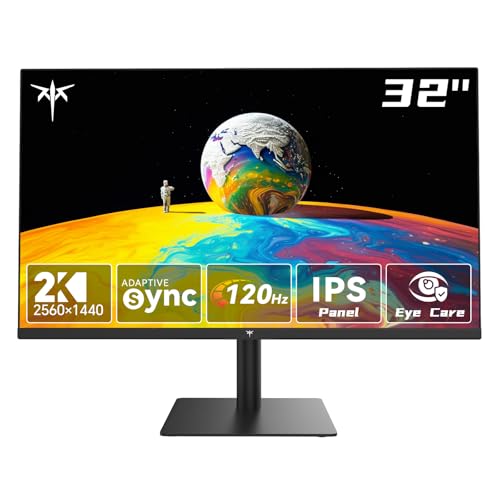

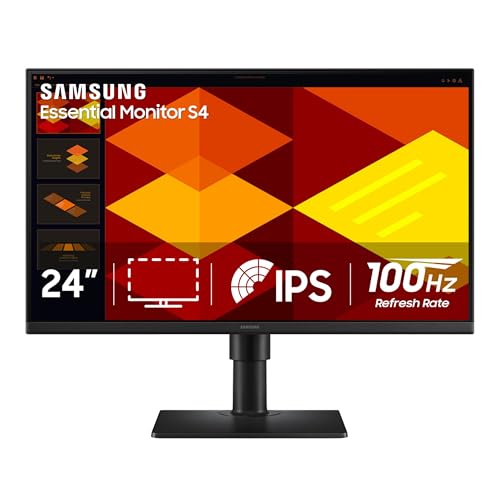
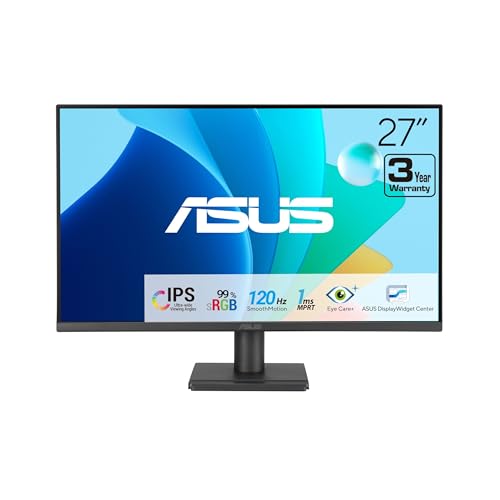


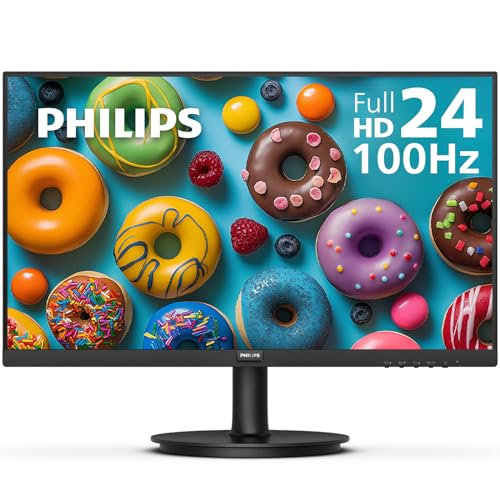
Who Should Buy Which Computer Monitors?
Your daily routine decides which comfort features deserve priority. A monitor that feels gentle during short email sessions can still wear you down across a ten hour workday, so match the panel, size, and brightness range to the way you really use your desk.
For Travelers and Commuters
If you work from hotel rooms, client sites, or a kitchen table that changes daily, a portable monitor in the 14 to 16 inch range keeps your setup light and consistent. Look for a matte screen surface, because unfamiliar rooms often have windows and lamps you cannot control, and glare is a common headache trigger. A wide brightness range matters here too, since you need the screen readable in daylight yet dim enough for evening work. If portability is your main concern, see our guide to the best portable computer monitors for size and weight comparisons.
For Remote Workers and Creators
Long, unbroken screen sessions are the real test for anyone prone to migraine, so remote workers should favor a 27 inch panel with a stand that adjusts for height and tilt. Keeping the top of the screen near eye level reduces the neck strain that often travels upward and adds to head pain. Creators also need honest color for photo and video work, which points toward an IPS panel with wide color coverage. If your job mixes documents, calls, and design tools all day, our guide to the best computer monitors for work covers desk setups in more depth.
For Gamers and Power Users
Gamers who get migraines face a double problem, since fast motion and flashing effects already push visual limits before the hardware adds its own flicker. A refresh rate of 120 Hz or higher with adaptive sync keeps motion smooth and steady, which many players find easier to watch than a stuttering 60 Hz image. Fast response time also reduces the smeared trails behind moving objects that can bother sensitive eyes. For a deeper look at high refresh models, see our guide to the best computer monitors for gaming and then filter those choices through the comfort features below.
For Students and Everyday Users
Students split their time between reading, writing, and streaming, often in dorm rooms with poor lighting and small desks. A 24 inch monitor with a flicker free backlight and a proper low blue light mode covers those mixed tasks without taking over the desk. Budget matters at this level, but the cheapest screens often skimp on brightness control, which is the one feature you should not give up. If price is the deciding factor, our guide to the best affordable computer monitors shows where the sensible savings are.
Key Features to Compare
Panel Technology and How Each Type Behaves
IPS panels give wide viewing angles and steady color, so the image stays consistent when you shift in your chair, and they rarely show the color shifting that can make text look uneven. VA panels deliver deeper contrast, which helps in dark rooms but can smear dark moving scenes. OLED displays switch each pixel on its own and produce true blacks, though some models dim pixels with rapid pulsing that sensitive viewers can notice. Mini LED backlights raise brightness and contrast on LCD panels, which is useful for HDR video but often more brightness than a migraine prone viewer needs.
Flicker Control and Brightness Range
Many monitors dim their backlight by switching it on and off very quickly, a method called pulse width modulation, and that invisible pulsing is a leading suspect when screens trigger headaches. A monitor described as flicker free usually dims with steady direct current instead, keeping light output constant at every brightness level. Just as important is how low the brightness goes, because a screen that cannot drop below a harsh minimum will fight you in a dim room. Check the stated minimum brightness when you can, and prefer models that stay comfortable at low settings without washing out text.
Adaptive Sync and Gaming Features
Adaptive sync lets the monitor match its refresh rate to the frame rate your graphics card delivers, removing the tearing and judder that make motion look broken. FreeSync and G Sync do the same job for different graphics hardware, so match the monitor to the card you own. HDMI 2.1 ports matter if you play on a current console, since they carry the bandwidth for high refresh rates at 4K. A low input lag keeps your actions and the picture in step, which reduces the unsettled feeling some players get during fast scenes.
Features That Matter Most for Migraine Sufferers
Beyond the panel itself, look for a matte antiglare coating, a blue light mode that warms the image without turning it orange, and preset picture modes you can switch with one button when a headache starts building. A stand with real height adjustment keeps your posture neutral, and a rear ambient light or bias light behind the screen softens the contrast between a bright display and a dark room. Keep one limit in mind as you shop.
A monitor can reduce common visual triggers, but it cannot treat migraine, and new or changing headache patterns deserve medical attention. Sudden severe head pain, vision loss, weakness, confusion, or a headache that feels unlike any before needs prompt care from a doctor or urgent care service. Talk with your clinician or neurologist about your personal triggers and whether tools like tinted lenses or screen breaks fit your care plan.
Resolution and Screen Size
Resolution decides how crisp text looks, and crisp text means less squinting and less refocusing across a long day. At 24 inches, 1080p is workable, but 1440p at 27 inches gives noticeably cleaner letter shapes at a normal sitting distance of about an arm length away. A 4K panel at 32 inches suits large desks and detailed work, though you will likely scale text larger, which many readers find restful.
Larger screen options also spread windows out, so you scroll less and move your eyes across shorter distances. Match the size to your desk depth first, because a huge screen placed too close forces constant eye and head movement.
Common Mistakes to Avoid When Buying Computer Monitors
- Buying on price alone and ending up with a backlight that flickers at the low brightness levels you use most.
- Ignoring panel technology, so you get strong contrast but smeared dark motion that bothers your eyes during video and games.
- Choosing a screen that is too large for your desk depth, which forces constant head turning and adds neck strain to your day.
- Skipping the warranty and return terms, which matters when you need a few weeks of real use to learn whether a screen agrees with you.
- Leaving HDR and dynamic contrast on full time, which pushes brightness swings that can turn a calm desktop into a trigger.
Setup and Care Tips
When your monitor arrives, open the picture menu and turn off the vivid or dynamic mode that stores use to make screens pop under bright lights. Set brightness so the screen matches the light in your room rather than overpowering it, and pick a warm color temperature for evening sessions. Place the screen about an arm length away with the top edge at or slightly below eye level, and add a soft lamp behind the monitor if your room is dark. During long sessions, rest your eyes regularly by looking at something far away for a short pause, and stop working at the screen if a headache builds despite your settings.
Care is simple and protects the coating that keeps glare down. Clean the screen only with a dry or slightly damp microfiber cloth, and never spray cleaner directly onto the panel or press hard on dark spots. On an OLED model, run the built in pixel refresh cycle when the monitor prompts you, since it evens out pixel wear over time. Keep vents clear of dust so the backlight and electronics stay cool, and recheck your brightness and color settings after any software update that resets the picture menu.
FAQs
What features matter most in computer monitors for migraine sufferers?
A flicker free backlight and a wide, usable brightness range matter most, because steady light at a comfortable level removes two common triggers at once. After that, prioritize a matte surface, honest low blue light modes, and a stand that adjusts for height. When people search for the best monitors for migraine sufferers, they often chase resolution first, but comfort features decide how a screen feels after six hours, not how sharp it looks in the first six minutes.
What size computer monitor works best for a small desk?
A 24 inch monitor suits most small desks, since it fits shallow surfaces and keeps the whole screen inside your natural field of view. If your desk is under about 24 inches deep, even a 27 inch panel can sit too close and force your eyes to travel. Measure the distance from your chair to the wall behind the desk before ordering, and remember that a compact stand or a monitor arm can free up the space a wide factory stand would waste.
Is a 4K computer monitor worth it for migraine sufferers?
A 4K monitor can be worth it if you read and write all day, because the sharper text rendering lets your eyes relax instead of hunting for letter edges. The catch is scaling, since tiny default text at 4K causes more squinting than a lower resolution screen would. Set display scaling to 125 or 150 percent so text stays large and clean. If you mostly watch video or browse, 1440p delivers most of the comfort at a lower cost.
Does refresh rate matter for computer monitor users who do not game?
Yes, refresh rate still matters away from games, because a 100 Hz or 120 Hz screen scrolls documents and web pages with visibly steadier motion than a 60 Hz screen. Smooth scrolling means your eyes track moving text with fewer corrective jumps, which adds up across a workday of reading. You do not need esports level speeds, and response time claims aimed at competitive players can be ignored. A modest step up in refresh rate is one of the easiest comfort upgrades for office work.
IPS vs OLED: which panel is better for migraine sufferers?
Neither panel wins for everyone, because IPS offers steady backlight behavior and no risk of image retention, while OLED gives perfect blacks and instant response that some viewers find calmer in dark rooms. The deciding factor is how a given OLED model handles dimming, since some use pulsing at low brightness that bothers sensitive eyes. If possible, use a retailer return window to live with your choice for two weeks. Your own reaction across real workdays is a better test than any spec sheet.
How long do computer monitors usually last?
Most computer monitors last about five to eight years of regular use before brightness fades or backlights age unevenly. You may want to replace one sooner if you notice new flicker at low brightness, a growing bright spot, or colors that no longer calibrate evenly across the screen. Those changes can creep in slowly and quietly raise your daily eye strain. Keeping brightness moderate instead of maximum also slows backlight aging and stretches the comfortable life of the panel.
Final Thoughts
The product table above pulls these comfort features together, so use it to compare flicker control, brightness range, and panel type before you compare prices. Start with your routine, decide which triggers hit you hardest, and let those answers rank the features that matter. Chosen that way, the best computer monitors for migraine sufferers for your desk will be the one you can sit in front of all day without thinking about your head at all. Prices and availability can change, so check the product page before ordering.