Best Computer LCD Monitors for Every Need: How to Pick the Right One for 2026
Disclosure: We may earn a commission when you buy through links on this page, at no extra cost to you. As an Amazon Associate I earn from qualifying purchases. Learn more

Gaming, work or study: compare size, panel type, resolution and ports to pick the best computer lcd monitors for your desk without overspending.
There is no single monitor that suits every desk, because a gamer, a student, and a video editor ask very different things from a screen. Choosing the best computer lcd monitors starts with your main use, then moves to size, panel type, and ports in that order. The product table above lets you compare current screens as you match specs to the way you actually work and play.
This guide walks through each use case first, then explains the features that change what you see and how the screen feels over a long day. You will also find sizing and connection checks that prevent common returns, plus simple care steps that keep a panel clear for years.


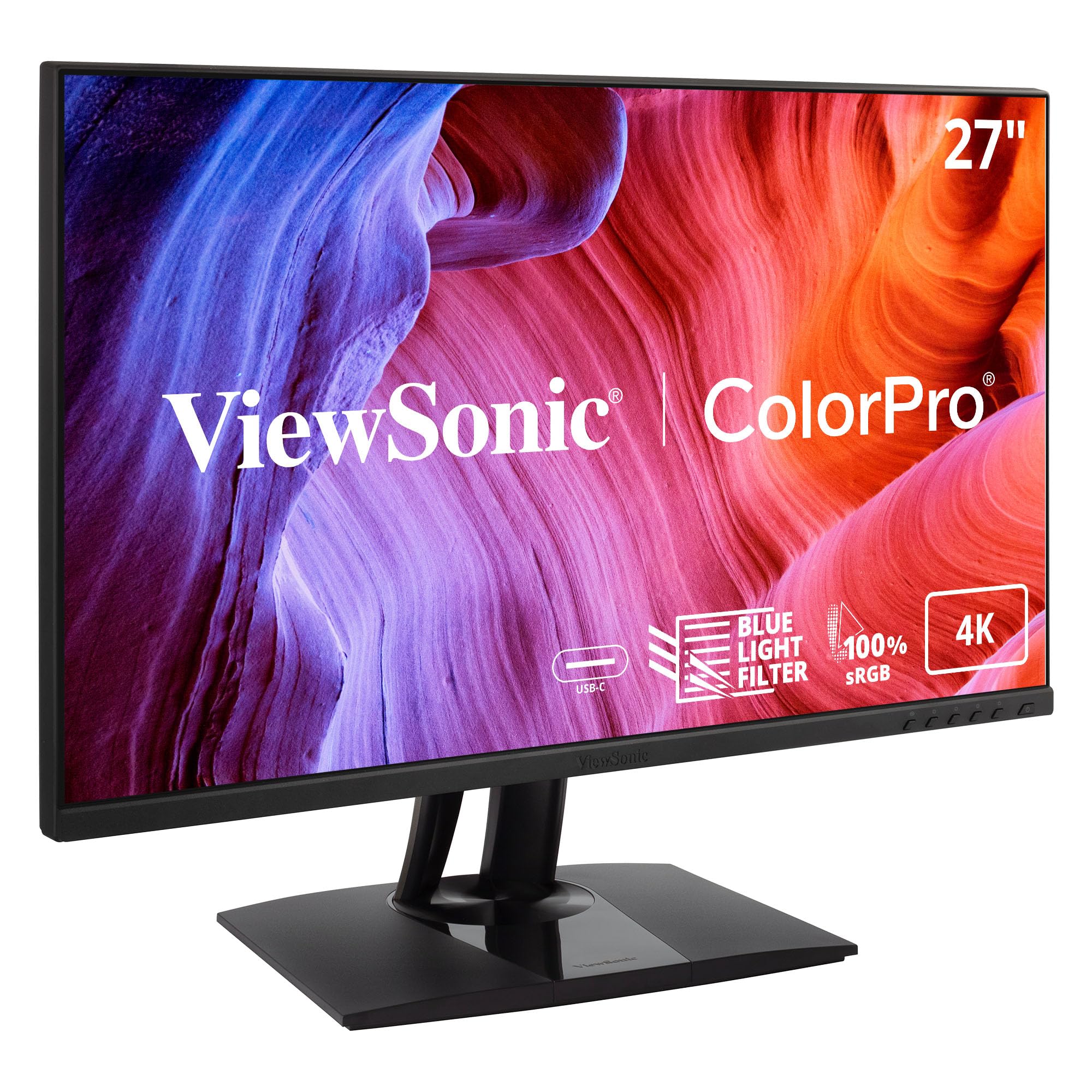
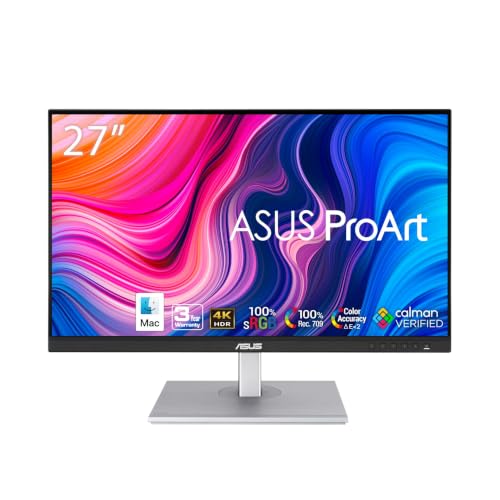
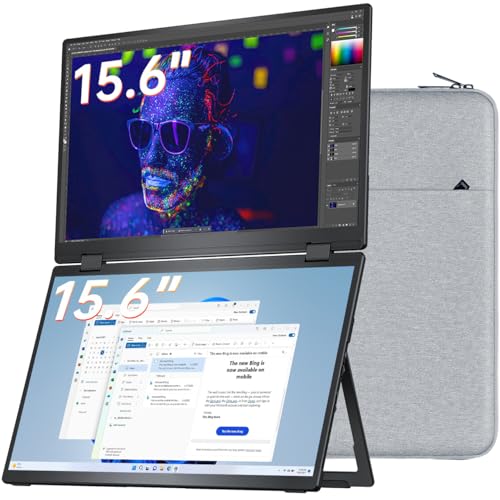
Who Should Buy Which Computer LCD Monitors?
Start by naming your main task for most of the week, not the task you do once a month. A screen that is ideal for fast games can be a poor value for spreadsheets, and a large ultrawide display can crowd a small dorm desk. In short, the best computer lcd monitors for you are the ones matched to that main task, and the groups below show which specs deserve your budget first.
For Gamers and Power Users
You need motion clarity above all else, so put refresh rate and response time at the top of your list. A rate of 144 Hz or higher with a response time near 1 ms keeps fast movement smooth and reduces blur in shooters and racing titles. Adaptive sync matters too, because it cuts tearing when frame rates dip during busy scenes.
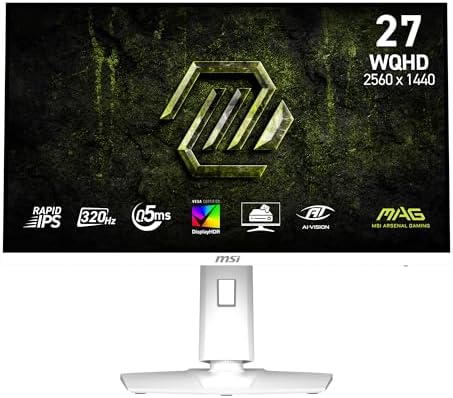
Size and resolution should follow your graphics card. A 27 inch 1440p screen is a strong balance for many gaming PCs, while 4K at high refresh rates needs a powerful card to stay smooth. If gaming is your main focus, see our guide to the best computer monitors for gaming.
For Travelers and Commuters
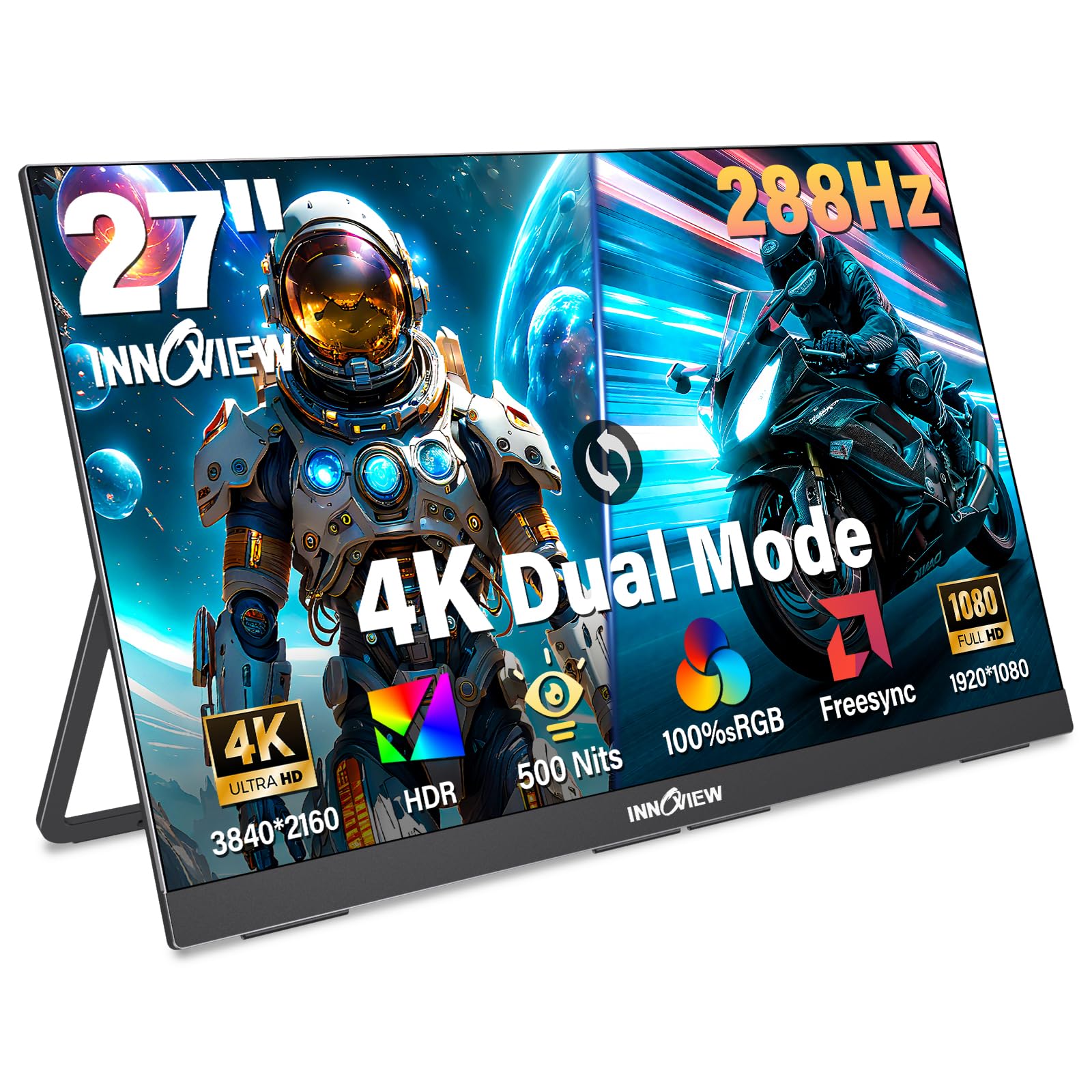
You need a second screen that travels without adding bulk or a tangle of cables. Portable models usually run 14 to 16 inches, weigh only a few pounds, and draw power through a single USB C cable that also carries the picture. Look for a protective cover that doubles as a stand and brightness high enough to stay readable in a cafe.
Durability matters more than raw resolution here. A sturdy case and a cable that detaches at both ends will serve you better than a fragile panel with slightly sharper text. Resolution of 1080p is usually plenty at this size, and it draws less power from your laptop. For options built around life on the road, see our guide to the best portable computer monitors.
For Students and Everyday Users
You need a dependable screen for classes, writing, browsing, and streaming, and you need it at a sensible price. A 24 inch 1080p panel with an IPS screen gives you clear text, good colors from a shared viewing angle, and enough room for a document beside a browser window. Budget displays in this range often include built in speakers and a basic tilt stand, which is enough for a first dorm or bedroom desk.
Comfort features are worth a small step up if you study for long stretches. A flicker free backlight and a low blue light mode can reduce tired eyes late at night, though no setting replaces regular breaks. Check that the monitor has at least one HDMI port for a laptop or console, and confirm the stand is stable on a narrow desk.
For Remote Workers and Creators
You spend the longest hours at the screen, so ergonomics and color accuracy shape your day more than headline specs. Remote workers benefit from a 27 inch 1440p or ultrawide display that holds two full windows side by side, which is why productivity displays and ultrawide displays are common on home office desks. Creators should add a wide color gamut and strong coverage of sRGB and DCI P3.
Connections decide how clean your setup feels. A USB C port with power delivery can charge your laptop and carry video over one cable, clearing chargers and docks from the desk. Built in USB ports then give your keyboard, mouse, and webcam a tidy home. If you join calls all day, place the screen so your webcam sits at eye level.
Key Features to Compare
With your use case clear, compare the features below in order, because the earlier ones are hardest to change after purchase. Use the product table above to spot a screen that looks strong on one spec but weak on the one you need most.
Stand, Mounting, and Ergonomics
The stand decides whether the screen sits at a height and angle that keep your neck and shoulders relaxed. Look for height adjustment of about 4 to 6 inches, plus tilt, swivel, and pivot into portrait mode if you read long documents or code. If the stand only tilts, check for a VESA mount pattern, usually 75 by 75 mm or 100 by 100 mm, so you can add an arm later.
A monitor arm also frees desk space and lets two screens meet at the same height. Thin bezels help here as well, since the gap between two panels shrinks. If a clean, attractive desk matters to you as much as the picture itself, see our guide to the best looking computer monitors.
Resolution and Screen Size
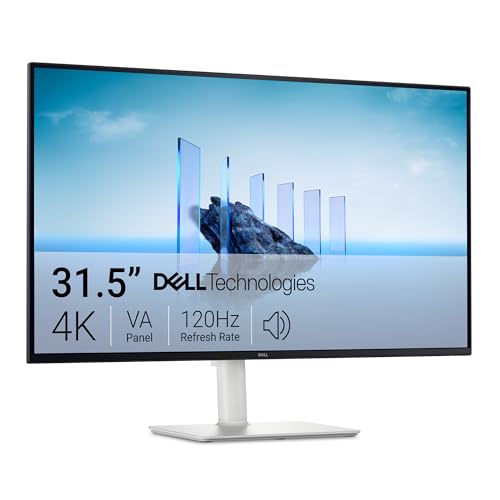
Resolution describes how many pixels form the image, and its benefit depends on size and viewing distance. At 24 inches, 1080p looks sharp from a normal desk distance of about 2 feet. At 27 inches, 1440p gives text a clearer edge and adds working room, while 32 inches and above is where 4K earns its cost, because the same pixel count spread over a smaller screen becomes hard to appreciate.
Higher resolution also asks more of your computer. Text and icons can look small at 4K, so most people use display scaling, which keeps the sharpness while making items readable. Gamers should remember that more pixels lower frame rates unless the graphics card is strong. Measure your desk depth before you buy, because a large screen placed too close forces constant head movement.
Connectivity and Ports
Ports decide what you can connect today and what you can add next year, so count them against every device you own. Most desktops connect well with DisplayPort or HDMI, while modern laptops often work best over USB C. HDMI 2.1 supports high refresh rates at 4K, which matters for newer consoles and powerful gaming PCs, while older HDMI versions can limit a fast screen to lower rates at high resolutions.
Check the full port list, not just the headline connection. A monitor with two HDMI ports and one DisplayPort can hold a PC, a console, and a work laptop without cable swapping. Built in USB ports and a headphone jack add day to day convenience. Always confirm the cable you need is included, because some boxes include HDMI only, and a missing DisplayPort cable is a frustrating delay on setup day.
Panel Technology
The panel type shapes color, contrast, viewing angles, and price more than any other single choice. IPS panels offer wide viewing angles and consistent color, which suits shared screens, photo work, and general use. VA panels deliver deeper contrast and richer blacks for movies in a dim room, though their response time can be slower and colors can shift at wide angles. TN panels, now less common, remain the budget choice for speed in competitive play.
Newer technologies sit above standard LCD panels. OLED gives each pixel its own light, so blacks are true black and response is extremely fast, but it costs more and needs care to avoid burn in from static images. Mini LED backlights improve LCD contrast by dimming small zones independently, which helps with movies and games that mix bright and dark areas. To compare LCD focused options on their own, see our guide to the best monitors lcd.
Common Mistakes to Avoid When Buying Computer LCD Monitors
- Choosing by price or size alone, which leaves you with a screen that misses the one feature your main task needs most.
- Ignoring the stand and VESA pattern, which can leave the screen stuck too low and your neck sore after long sessions.
- Buying a 4K screen for a computer that cannot drive it smoothly, which forces low frame rates in games or tiny text at work.
- Forgetting to count ports for every device you own, which leads to daily cable swapping or an extra dock you did not budget for.
- Skipping the warranty and return terms, which matters because dead pixels and backlight flaws usually appear in the first weeks of use.
- Placing a large ultrawide display on a shallow desk, which puts the edges too close and makes the extra width tiring instead of useful.
Care and Maintenance Tips
Good care starts with picture settings. Most monitors ship in a vivid mode that pushes brightness and saturation too far, so switch to a standard or sRGB mode and set brightness so white areas feel comfortable in your room light, not glaring. Recheck the settings after the first week, once your eyes have settled.
Clean the screen only with a soft microfiber cloth, lightly dampened with water if needed, and never spray liquid directly onto the panel. Dust the vents on the back every few months so heat can escape, and avoid pressing on the panel when you adjust the stand. On an OLED screen, run the pixel refresh cycle the maker provides and use a screen saver to limit static images.
Small habits extend service life. Turn the monitor off or let it sleep when you step away for hours, and store the original box if you can, because it is the safest way to move the screen later. If dark patches, flicker, or lines stay after a cable swap and a restart, contact the maker while the warranty still applies.
Frequently Asked Questions
IPS vs OLED: Which Is Better for a Computer LCD Monitor?
IPS is better for most buyers because it costs less, handles bright rooms well, and carries no risk of burn in. OLED wins on contrast and response time, so it suits movie lovers and fast paced gamers who vary their content. One extra point is brightness over a full white screen, where many OLED models dim more than IPS, which can matter for spreadsheets.
What Size Computer LCD Monitor Should You Get for Your Desk?
Most desks suit a 24 to 27 inch monitor, with 27 inches giving more room for side by side windows. Measure your desk depth first, and keep at least about 20 inches between your eyes and the screen for comfort. A useful extra check is your chair position, because a corner desk or a wall close behind you can limit how far back you can sit from a larger panel.
Does Refresh Rate Matter on a Computer LCD Monitor for Non Gamers?
Refresh rate matters less for office work, but a move from 60 Hz to 100 Hz or 120 Hz still makes scrolling and window movement feel smoother. It will not make text sharper or colors better, so treat it as a comfort upgrade after size and resolution are right. If you want that smoother feel mainly for play, see our guide to the best gaming monitors for models built around high rates.
Is 4K Worth It on a Computer LCD Monitor?
4K is worth it on screens of 32 inches or more, and for creators who edit photos and video at full detail. On a 27 inch screen, 1440p often looks nearly as sharp from a normal desk distance at a much lower cost. Remember that 4K also needs more graphics power and usually needs display scaling, so budget for the whole setup rather than the panel alone.
How Long Do Computer LCD Monitors Last?
Most computer LCD monitors last about 7 to 10 years of regular use before brightness fades or parts begin to fail. The backlight usually ages first, so a screen that once felt bright may look dim even at full settings. Keeping brightness moderate instead of at maximum, and letting the screen sleep when idle, helps reach the upper end of that range.
Final Thoughts
Match the screen to your main use first, then confirm size and resolution for your desk distance, and finally count the ports your devices need. That order keeps the product table above simple to read, because you can rule out screens that fail an early check instead of comparing every number at once. When those three checks line up, the best computer lcd monitors for your desk become a short, clear list rather than a guess.