
Best Computer Cameras for Streaming: Matching the Right Model to Your Routine for 2026
Disclosure: We may earn a commission when you buy through links on this page, at no extra cost to you. As an Amazon Associate I earn from qualifying purchases. Learn more
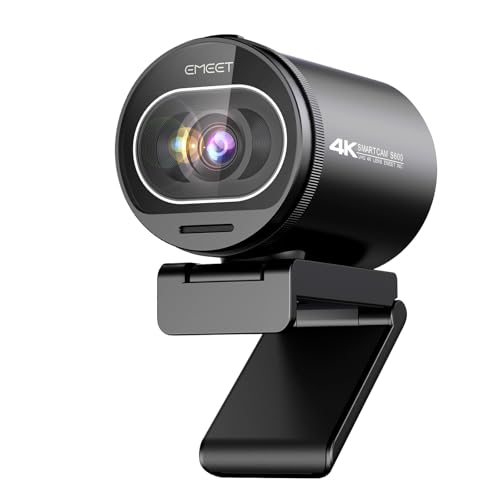
Compare the best computer cameras for streaming by resolution, autofocus, field of view, and low light quality to find a fit for your desk and budget.
There is no single camera that suits every stream, because a quiet solo podcast, a fast moving game broadcast, and a work call in a dim spare room all ask for different things. The best computer cameras for streaming for you are the ones that match your room lighting, your distance from the desk, and the software you already use. Resolution alone rarely decides how good you look on screen.
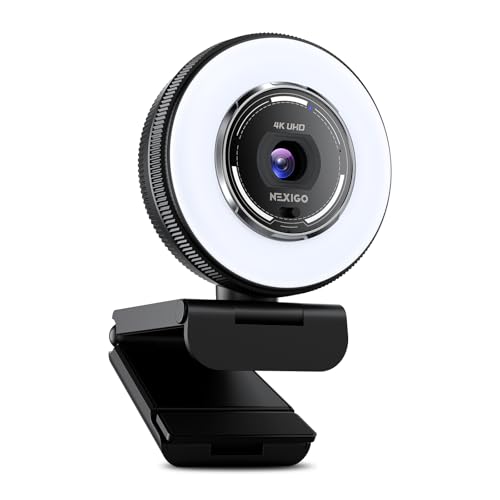
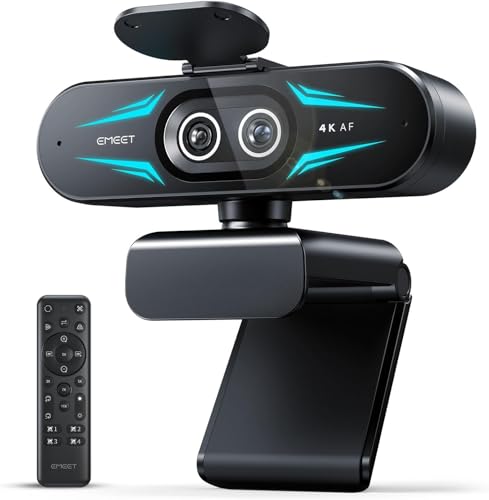
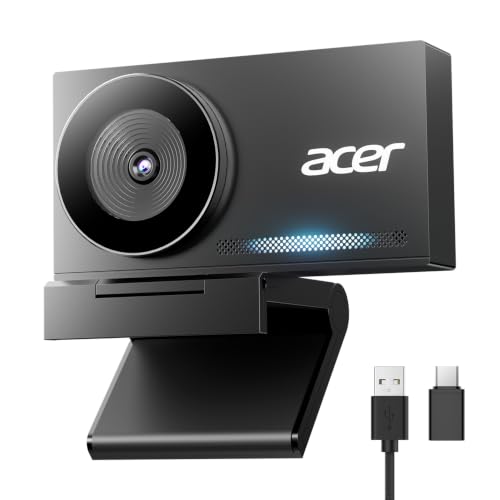
Start with your routine instead of a spec sheet. Note how far you sit from the monitor, whether other people join you in frame, and how much light your room gets during your usual streaming hours. Then use the product table to match those habits against resolution, field of view, and microphone quality.



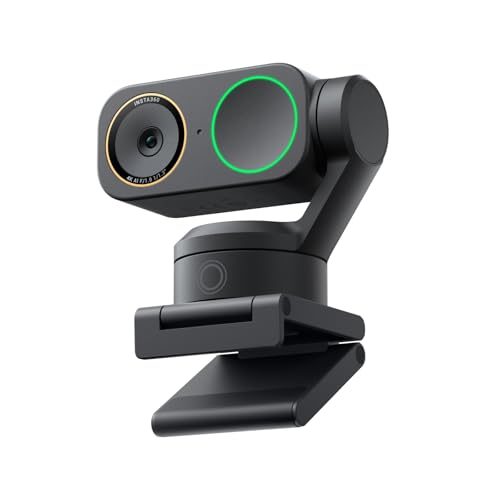
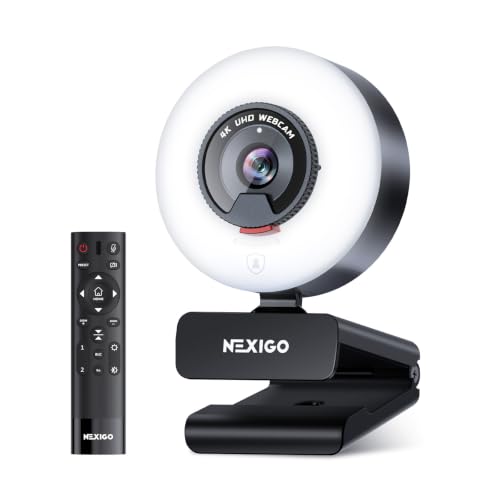

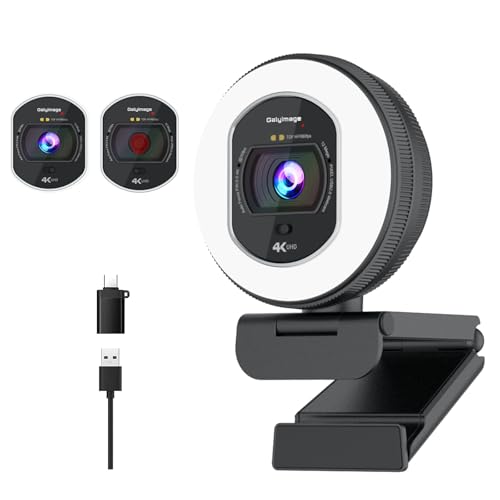
Who Should Buy Which Computer Cameras?
Your schedule and setting shape your shortlist more than any single headline number. Use the four groups below to weight the features in the product table above with your own priorities in mind.
For Students and Everyday Users
You need a camera that works the moment class or a family call starts, with no driver hunts and no settings menu to learn. Prioritize reliable autofocus, honest color in ordinary room light, and a mount that grips a laptop lid without sliding. A 1080p model at around $50 often covers lectures, study groups, and casual streams well. If you also take general calls on the same machine, see our guide to the best computer cameras for a broader look at everyday options.
For Travelers and Commuters
If you stream or present from hotel rooms, coworking desks, and kitchen tables, size and setup speed matter more than maximum resolution. Look for a compact body that folds flat in a laptop sleeve, a short cable that will not tangle, and a mount that also works as a small stand. Consistent exposure matters too, because travel lighting changes daily. A camera that remembers your settings saves you from rebuilding your picture in every new room.
For Gamers and Power Users
Game streams put your face in a small corner window while the gameplay carries the full screen, so clean detail at a small size matters more than a huge frame. Prioritize a high frame rate at 1080p, low latency so your reactions line up with the action, and software controls for zoom and framing. Fast autofocus helps when you lean in during tense moments. Many creators start with our guide to the best streaming camera before narrowing down their desk setup.
For Remote Workers and Creators
You appear on screen for hours, so comfort and consistency carry real weight. Look for natural skin tones under mixed lighting, a microphone that keeps your voice clear without a separate desk mic, and a field of view wide enough for a whiteboard or a second chair. Creators who record tutorials also benefit from a tripod thread on the mount. Reliability across long sessions, with no dropped frames, should outrank novelty features you will rarely open.
Key Features to Compare
The features below explain what each spec changes on screen and who gains the most from it. When comparing the best computer cameras for streaming, give extra weight to the two or three factors that match your room and routine rather than chasing the longest feature list.
Video Capabilities and Frame Rate
Resolution describes how many pixels fill the frame. A 1080p image looks sharp for most streams and calls, while 4K video gives you room to crop into the picture or to zoom in software without losing much clarity. That extra detail only helps if your platform and connection can carry it, since many services compress the picture viewers receive.
Frame rate controls how smooth motion looks. Thirty frames per second suits seated talking and most meetings. Sixty frames per second keeps hand gestures and gameplay overlays looking fluid. If you must choose, smooth motion at 1080p usually pleases viewers more than a choppy feed at a higher resolution.
Sensor Size and Image Quality
The sensor gathers the light, and a larger sensor generally collects more of it, which helps in dim rooms and keeps shadows cleaner. This is why two cameras with the same resolution can look very different at night. Pixel count alone does not predict quality, because tiny crowded pixels struggle when light drops. Judge low light sample footage over headline numbers whenever a listing offers both.
Image processing matters just as much. Good processing holds natural skin tones, avoids blowing out a bright window behind you, and keeps contrast steady when clouds change the light mid stream. Some models include image stabilization in software, which smooths small desk bumps, though a firm mount still does most of the work.
Autofocus, Exposure, and White Balance
Autofocus keeps your face sharp as you shift in your chair. Face tracking systems follow you when you stand or step sideways, which suits fitness instruction, cooking, and workshop demos. Fixed focus models cost less and work fine if you always sit at the same distance, but they soften when you lean toward the lens or hold a product close to show a label.
Automatic exposure and white balance adjust brightness and color as your room changes. Look for controls that let you lock these settings once you like the picture, because constant hunting looks distracting when a cloud passes or a lamp switches on. Manual sliders in the companion app give creators repeatable results, while full automatic modes suit anyone who would rather never open a settings panel.
Power, Connection, and Mounting
Nearly all computer cameras draw power from the computer itself through a USB C or USB A cable, so there is no battery to charge before a stream. That also means a weak hub or a very long cable can cause dropouts, so plug directly into the computer when you can. Check the cable length against your desk layout, especially with a standing desk.
Mounting shapes your angle more than most buyers expect. A monitor clip should open wide enough for thick screens and hold a tilt without drifting. A threaded base lets you move the camera to a small tripod for a better viewpoint. If you often present to a room rather than a desk, our guide to the best cameras for live streaming covers setups built for larger spaces.
Lens, Field of View, and Zoom Range
Field of view describes how much of the room the lens shows, measured in degrees. A narrow view around 65 to 78 degrees frames one person at a desk with little background. A wider view around 90 degrees fits two people or a workspace you want viewers to see, though it can make your face look smaller.
Zoom works in two ways. Optical zoom changes the lens itself and keeps full detail, but it is rare on compact computer cameras. Most models use digital zoom, which crops the image and softens it as you push in, so a higher starting resolution makes digital zoom more usable. Treat any magnification claim as a cropping guide rather than true lens power.
Common Mistakes to Avoid When Buying Computer Cameras
- Buying on resolution alone, so you pay for 4K detail your platform compresses away while your dim room still looks grainy.
- Ignoring field of view, so the frame crops out a second speaker or shows far more of a messy room than you intended.
- Skipping the microphone check, so viewers hear fan noise and echo even though the picture itself looks sharp.
- Forgetting to confirm software support, so the camera works in one app but not in the streaming program you use most.
- Choosing a mount that only fits thin laptop lids, so the camera wobbles or will not attach to your thicker external monitor.
- Leaving lighting out of the budget, so a modest camera in good light loses to the simple lamp you never bought.
How to Make Your Computer Camera Last Longer
Clean the lens with a soft microfiber cloth made for optics, never your shirt, because shirt fabric can drag grit across the glass and leave fine scratches. Blow loose dust off first with a hand air blower. Keep the privacy shutter closed when the camera sits idle, since the cover blocks dust between sessions.
Protect the cable, because it fails more often than the camera itself. Leave a gentle loop behind the monitor instead of a tight bend, and avoid pinching the cable in a monitor arm or desk edge. When you travel, store the camera in a padded pouch rather than loose in a bag. Update the firmware through the maker app when a fix is offered, and keep the camera away from steamy bathrooms and hot sunny windowsills.
FAQ
What features matter most in a computer camera for streaming?
Clean low light performance, dependable autofocus, and a field of view that fits your space matter most for streaming. A 1080p camera with a good sensor will usually beat a dull 4K model in a dim room. One point buyers overlook is the companion app, because easy access to exposure and zoom controls decides whether you actually adjust the picture or leave it on a poor default forever.
How much should you spend on a first computer camera for streaming?
Plan on about $50 to $100 for a first camera that covers classes, meetings, and casual streams with room to grow. Spending more mainly buys a larger sensor, 4K capture, and better microphones rather than basic reliability. Keep part of the budget for a simple desk lamp, since better light improves a modest camera more than a price jump improves a camera used in a dark room.
Is a smartphone enough instead of a computer camera for streaming?
A smartphone can work for occasional streams, because its camera is often excellent and apps can send its picture to your computer over WiFi or a cable. The trade offs are heat during long sessions, calls interrupting the feed, and a phone tied up when you need it for chat or codes. For daily streaming, a dedicated camera is simpler. Guides to the best web cameras for streaming focus on exactly this kind of always ready desk setup.
What specs should beginners look for in a computer camera for streaming?
Beginners should look for 1080p resolution, autofocus, a field of view near 78 degrees, and a built in microphone that sounds clear at normal speaking distance. Skip spec sheets that lead with digital zoom numbers or long effect lists. One beginner friendly detail is a visible activity light, which confirms at a glance that the camera is live and removes the guesswork before you start talking.
Can a computer camera for streaming work with Zoom, Teams, and OBS?
Yes, most computer cameras for streaming work with Zoom, Teams, and OBS without extra drivers, because they appear to the computer as a standard video device. Pick the camera by name in each app settings the first time you use it. If an app shows a black frame, close any other program using the camera, since only one app can usually claim it at a time.
Which computer camera features help most with low light streaming?
A larger sensor, a wide aperture lens, and frame rate flexibility help most in low light. Some cameras combine frames or slow the frame rate slightly to gather more light, which brightens the picture at the cost of a little motion smoothness. Position still matters most of all, since facing a window or a lamp instead of sitting with the light behind you can fix a dark feed without any new hardware.
Final Thoughts
Match the camera to your routine first. Seated solo streamers need a sensible field of view and steady autofocus, mobile users need compact size and forgiving exposure, and creators need clean low light quality. If you are weighing a dedicated camera against a larger interchangeable lens setup, see our guide to the best digital cameras for how those systems compare.
Use the product table above to confirm your finalists cover the features your routine demands, then choose the simplest model that does the job well. The best computer cameras for streaming for your desk are the ones you can set up once and trust every time you go live, with a picture your viewers can watch comfortably for a full session.


