Best Compressed Air: Types Compared and How to Choose for 2026
Disclosure: We may earn a commission when you buy through links on this page, at no extra cost to you. As an Amazon Associate I earn from qualifying purchases. Learn more

Compare canned air dusters, electric dusters, and small compressors by power, cost, noise, and safety, and learn which type fits your cleaning jobs.
Choosing best compressed air can feel confusing because the same shelf holds small cans, rechargeable electric dusters, and small compressors that look nothing alike. Each type moves dust with air, but they differ a lot in power, running cost, noise, and how long they keep working. This guide compares the main types side by side so you can match one to your jobs.
The comparison table below gives a quick view of each type, and the sections after it explain power, safety, and value in more detail. Think first about what you clean most often, how often you clean it, and where you work. A light keyboard job needs far less air than a dusty workshop bench, and that difference should drive your choice.
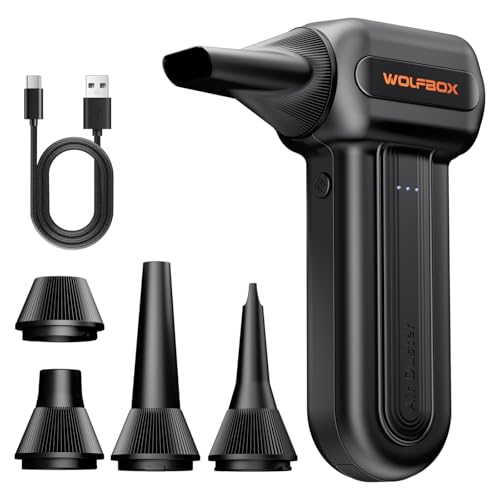
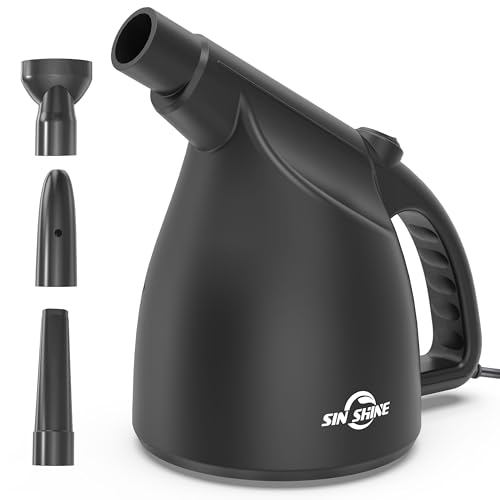
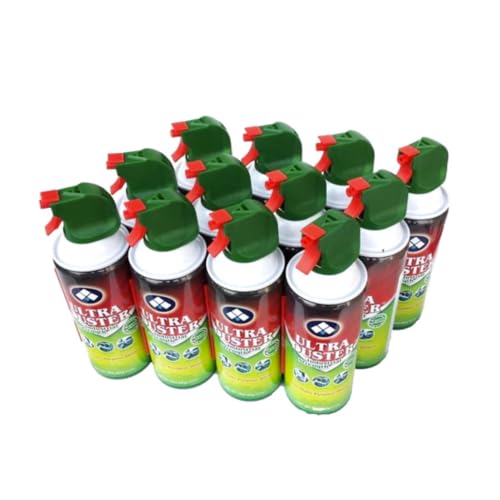

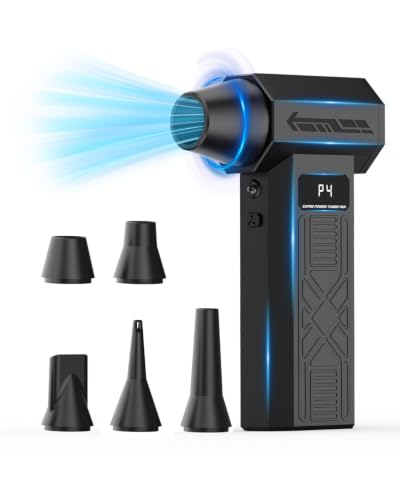
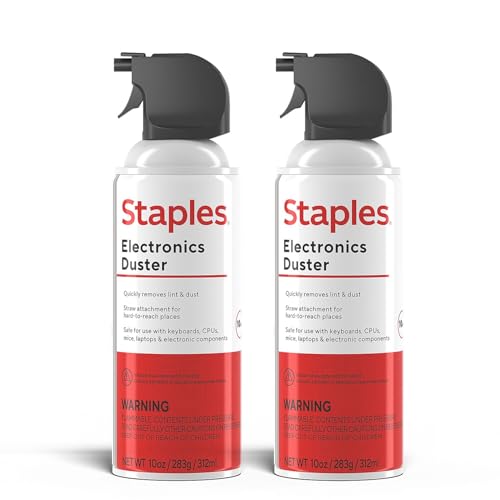
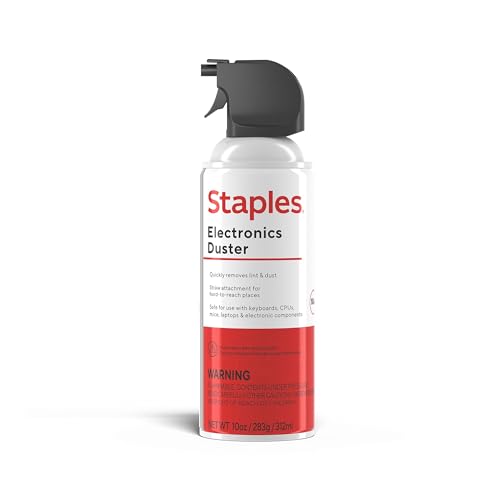
Types of Air Dusters Compared
| Type | Best For | Pros | Cons | Typical Price |
|---|---|---|---|---|
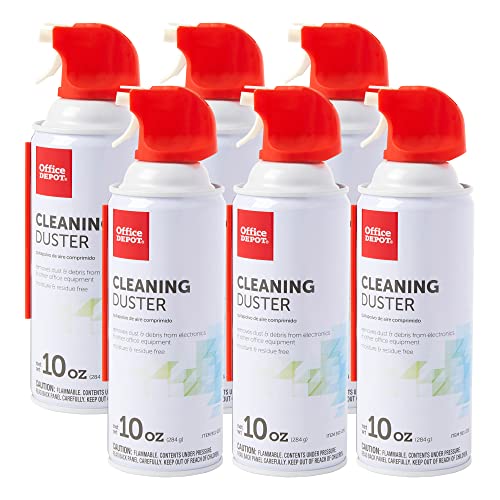
| Canned air duster | Keyboards, vents, and light home cleaning | Cheap to start, quiet, and easy to store | Runs out, cools fast, and costs more over time | Around $10 to $25 for a multipack |
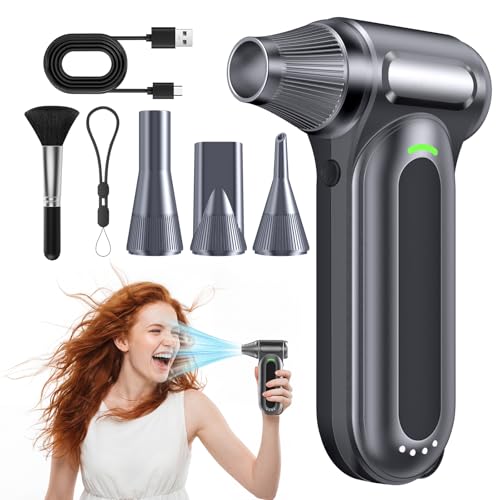
| Electric rechargeable duster | Regular home and office cleaning | Reusable, steady airflow, and no cans to replace | Needs charging and costs more up front | Around $40 to $90 |
| Small portable compressor | Workshops, garages, and heavy dust | Strong and continuous airflow for big jobs | Loud, bulky, and needs power and space | Around $100 to $250 |
Compact Options
Compact options are small cans and pocket size electric dusters made for quick, light jobs. A small can fits in a desk drawer and works well for a keyboard, a camera lens area, or a vent that needs a short burst. The main limits are short bursts and a can that cools and loses pressure when you spray for a long time. Compact electric models solve the refill problem, but they still suit light dust rather than thick workshop dust.
Choose a compact option when you clean electronics now and then and want something simple to store. Check that the nozzle reaches into tight spots and that the can or device feels easy to aim without tipping. For a home office or a small desk setup, a compact option is often enough, and it keeps the upfront cost low.
Premium Options
Premium options are powerful electric dusters and small compressors built for frequent or heavy use. They give steadier airflow, adjustable power on many models, and no ongoing can cost, which matters if you clean every week. The trade off is a higher upfront price, more noise on compressor models, and a larger size that needs storage space. Some premium electric dusters also include several nozzles for keyboards, vents, and car interiors.
Choose a premium option when dust builds up fast or when you clean several devices at once. Look for a clear power range, a battery or motor size that fits your session length, and parts you can clean or replace. If you work in a shared space, check noise too, since a loud compressor can disturb others nearby.
Mid Range Options
Mid range options sit between a single small can and a full workshop tool. They include larger canned multipacks, mid size electric dusters, and small corded blowers that give more air than a compact can. These options suit a home with several computers, a hobby bench, or a car interior that needs regular attention. Running cost stays moderate, and you gain longer sessions without jumping to a large compressor.
Choose a mid range option when a compact can runs out too fast but a compressor feels like overkill. Compare airflow, session length, and refill or charging cost rather than headline power alone. A mid range tool should handle your longest normal job without fading, and it should still be easy to store and carry.
Compact Options vs Premium Options: Which Should You Choose?
Compare compact and premium options on power, cost over time, noise, size, and ease of use. Compact cans win on low upfront cost, quiet bursts, and simple storage, while premium electric models win on steady power and lower long term cost. Noise favors cans and small electric dusters, since compressors are much louder and suit a garage better than an office. Size favors compact cans for travel, while premium tools favor a fixed cleaning spot at home or in a workshop.
Let frequency decide the winner for you. If you clean once a month, a compact option keeps costs low and avoids charging or storage hassle. If you clean weekly or handle dusty tools, a premium option pays back through reuse and steadier air. When in doubt, start with the job you do most often, not the most powerful tool on the shelf.
How to Choose the Right Air Duster
Warranty and Customer Support
A clear warranty matters more on electric dusters and compressors than on a disposable can. Look for a stated warranty length, what it covers, and how to reach support for a faulty motor, battery, or switch. Short or vague warranty terms are a warning sign on a higher priced electric model. Keep the receipt and the manual, since support often asks for both when a claim starts.
Key Performance Specs
The most useful spec is airflow, since it decides how well dust lifts from a surface. For canned air, check can size and whether short bursts stay strong through a session. For electric models, compare airflow settings, battery run time, and charge time rather than marketing words alone. For compressors, check tank size and continuous run time, since a small tank may need frequent pauses during a long job.
Intended Use and Who It Is For
Home users usually need gentle, precise air for keyboards, vents, and camera gear. Hobby users may need stronger air for models, tools, and workbenches that collect thicker dust. Workshop users need continuous air and durable parts that stand up to daily use. Match the tool to your main job first, and treat other jobs as a bonus rather than the reason to buy a larger tool.
Build Quality and Materials
Build quality shows in the nozzle, trigger, housing, and seals. A nozzle should lock firmly and aim straight, while a trigger should give control from a light puff to a full burst. On electric models, check that the housing feels solid and that vents stay clear of dust. On cans, check that the cap fits well in storage and that the valve does not leak after first use.
Tips to Get the Most From Your Air Duster
Read the manual before first use, and follow its guidance on spray angle, distance, and session length. Clean and inspect the nozzle regularly, and store cans and electric dusters in a dry place away from heat. Work in a ventilated area, and let dust settle or move outdoors when a job creates a large cloud. Never aim compressed air at eyes or skin, and keep cans and electric dusters away from children.
Air Dusters: Your Questions Answered
How much should I spend on an air duster?
You should spend based on how often you clean and how much dust you face. A light home user can start at around $10 to $25 for canned air, while a regular user often finds better value at around $40 to $90 for a rechargeable electric duster. Workshop users may need around $100 to $250 for a small compressor. Track how fast cans run out for you, since frequent can purchases can soon pass the cost of a reusable tool.
What features matter most when buying air dusters?
Airflow control, nozzle reach, session length, and safety features matter most. A nozzle that reaches into vents and between keys saves time and avoids dismantling gear. Adjustable airflow helps you clean a delicate sensor area gently and a dusty bench more firmly. Also check charge time or can size, since a tool that fades halfway through a job wastes effort and can leave dust behind.
Are expensive air dusters worth it?
Expensive air dusters are worth it when you clean often or need steady, strong air for larger jobs. A reusable electric duster or a small compressor removes repeat can costs and gives more consistent pressure across a session. For rare, light jobs, a higher price buys little extra benefit, since a small can handles a keyboard or vent well. Compare your yearly can spending with the upfront price before deciding.
How do I maintain an air duster?
Maintain an air duster by keeping nozzles clean, checking seals and triggers, and storing the tool in a dry place. Wipe dust from vents on electric models, and replace a cracked nozzle before it leaks air or breaks during use. Store cans upright, away from heat, and keep them out of reach of children. If an electric model loses power fast, check the battery guidance in the manual before assuming the motor has failed.
How long does an air duster last?
How long an air duster lasts depends on type and use. A can lasts for a limited number of bursts and should be replaced when pressure fades or the can feels very cold during use. A rechargeable electric duster can last for years with normal care, though battery capacity may fade over time. A small compressor can last even longer when filters and seals are checked, and it is kept clean and dry between jobs.
The Bottom Line
Start with your main job, your cleaning frequency, and your space, then pick the type that fits those three points. Light, occasional cleaning suits a compact can, regular home cleaning suits a rechargeable electric duster, and heavy workshop dust suits a small compressor. Keep safety in mind on every job, and check the product table above before you order. The best compressed air for you is the one that gives enough power without wasted cost, noise, or storage hassle.