
Best Composite Toe Slip on Work Boots Made Simple: A Clear Buying Guide for 2026
Disclosure: We may earn a commission when you buy through links on this page, at no extra cost to you. As an Amazon Associate I earn from qualifying purchases. Learn more

Shopping for the best composite toe slip on work boots for the first time? Learn the terms, compare options, and avoid rookie mistakes with this easy guide.
Buying safety boots for the first time raises a lot of questions at once. You need a protective toe, a boot you can pull on in seconds, and comfort that lasts a full shift, and the product pages throw unfamiliar terms at you from every direction.
This guide starts with the basics, explains each specification in plain English, and shows you the mistakes first time buyers make most often. By the end you will know exactly what to look for in the best composite toe slip on work boots for your job, and you can check the comparison table below against every point here.


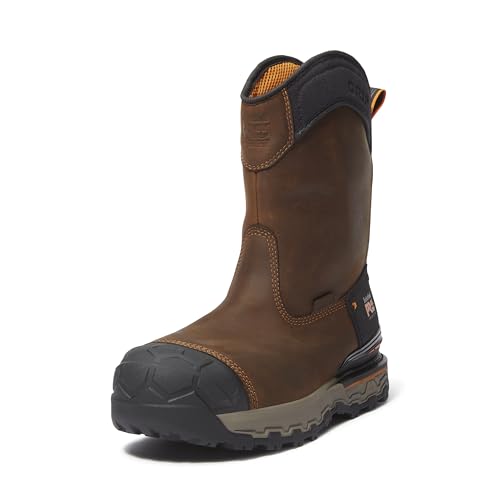


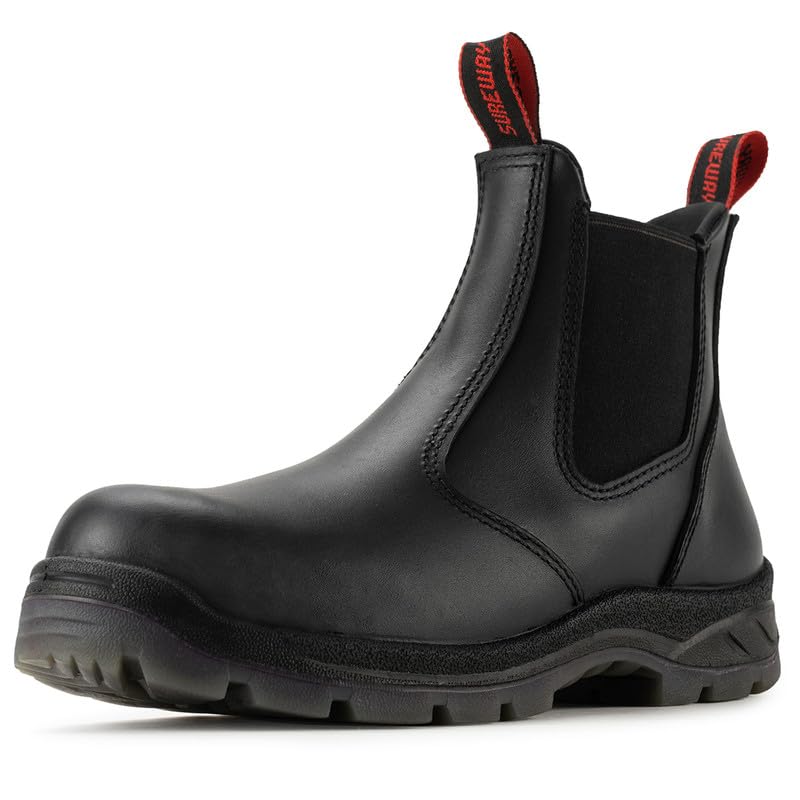

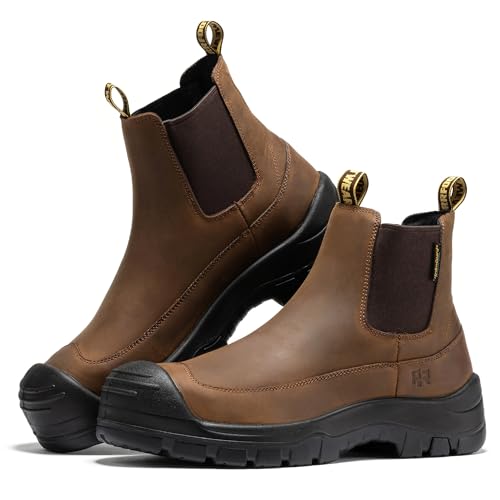
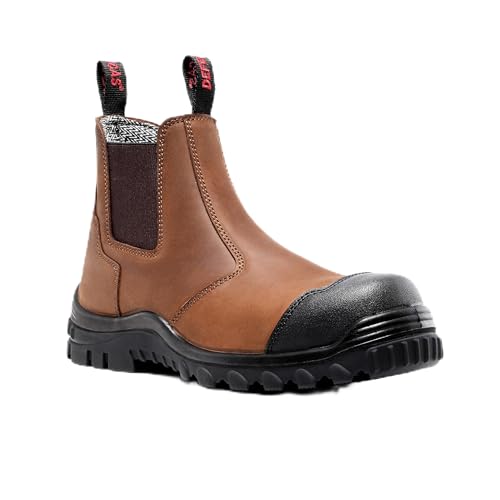
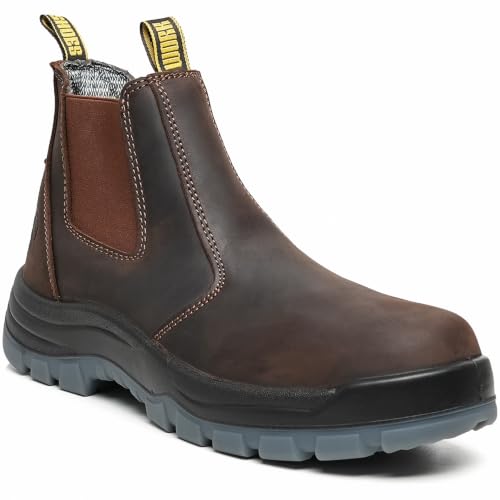
Composite Toe Slip on Work Boots 101: The Basics
A composite toe cap protects your toes with materials such as carbon fiber, plastic, or Kevlar instead of steel. It meets the same ASTM impact and compression standards as a steel toe, but it weighs less, does not conduct heat or cold, and does not set off metal detectors, which matters at secure sites and warehouses.
Slip on means the boot has no laces. Elastic side panels or pull loops let you slide your foot in and out fast, which suits drivers, inspectors, and anyone who moves between indoors and outdoors all day. The trade off is a slightly less adjustable fit, so getting the size right matters more than it does with lace up boots. If you want to compare toe materials directly, our guide to the best composite toe work boots covers lace up styles as well.
Key Specs Explained in Plain English
Fit, Sizing, and Toe Box
Measure your feet in the afternoon, when they are at their largest after hours of standing, and measure while wearing the socks you plan to work in. Your toes should have about a thumb width of space in front of them, and the safety cap should never press on the top or sides of your toes when you crouch or climb.
The toe box on slip on boots deserves extra attention because you cannot loosen laces to fix a tight fit. Look for a wide option if your feet are broad, and check that the heel stays seated when you walk. A heel that lifts with every step will cause blisters within the first week, no matter how good the rest of the boot is.
Durability and Expected Lifespan
Most work boots in daily use last about six to twelve months before the cushioning and outsole wear down, and boots in lighter use can last well over a year. Leather uppers with stitched or cemented soles both work, but a stitched welt construction usually survives longer and can sometimes be resoled, which spreads the cost over more years.
The composite cap itself does not wear out, but it must be replaced after any serious impact, because a cap that has absorbed one heavy hit may not protect fully in a second one. Inspect the outsole lugs monthly: once the tread wears smooth at the heel and ball of the foot, slip resistance drops sharply and the boot is near the end of its working life.
Cushioning and Support
Cushioning is the foam and insole package between your foot and the ground, and it decides how your legs feel at the end of a shift. Boots for concrete floors need thicker, softer midsoles, while boots for uneven ground need firmer support so your ankle does not roll. Many slip on boots accept replacement insoles, which is the cheapest way to refresh comfort halfway through the life of the boot.
Look for a shank, a stiff plate in the midsole that supports your arch when you stand on ladder rungs or dig with a shovel. Heel to toe drop on work boots is usually modest, around 8 to 12 mm, and most people adapt to it quickly. If you stand all day, prioritize cushioning; if you climb and carry loads, prioritize stability. For a classic lace free alternative in a different toe material, see our guide to the best slip on steel toe work boots.
Arch Support and Foot Type
Flat feet roll inward as you walk, which is called overpronation, and they do best with a firmer arch and a stable heel counter that keeps the foot aligned. High arches roll outward and concentrate pressure on the heel and forefoot, so they need more cushioning under those areas and a curved insole that fills the arch gap.
A simple way to check your foot type is the wet footprint test: wet the sole of your foot, step on dry cardboard, and look at the print. A full print suggests flat feet, a print with a narrow band suggests high arches, and something in between is neutral. If you have ongoing foot pain, talk with a podiatrist about personal needs before relying on any boot to fix it.
Upper Materials and Breathability
Full grain leather is the most durable upper and molds to your foot over the first weeks, but it runs warm and needs occasional conditioning. Suede and nubuck look softer and break in faster, yet they stain and soak up water more easily. Mesh and knit panels breathe well for indoor work but offer little protection from sparks, sharp scrap, or hot liquids.
Waterproof membranes such as Gore Tex keep rain and puddles out while letting some sweat vapor escape, which suits outdoor crews in wet climates. The trade off is warmth: a waterproof boot in a hot warehouse can feel stifling by midday. Match the upper to your actual work environment rather than paying for every feature at once. If you prefer a taller shaft with pull straps, our guide to the best pull on composite toe work boots explains that style in detail.
Rookie Mistakes to Avoid
- Buying your sneaker size without checking. Safety toe boots often fit differently from athletic shoes, and the cap changes how the front of the boot feels, so always check the brand size chart and the return policy.
- Ignoring the safety rating your job requires. Some sites require electrical hazard protection or a puncture resistant plate as well as a safety toe, and the wrong boot can get you sent home.
- Choosing style over shaft fit. A slip on boot with a loose shaft lets in gravel, sparks, and rain, and it flops as you walk, which tires your calves.
- Wearing them for a full shift on day one. New leather boots need a gradual break in, and jumping straight to ten hours is the fastest route to blisters.
- Skipping the weight check. A heavy boot feels fine in the store and punishing by hour eight, so compare weights when two options look equal.
Getting Started: Setup and First Use
When your boots arrive, wear them indoors for an hour on the first day with your work socks, and check for rubbing at the heel and pressure over the toes. Add an hour or two each day for the first week, and use that time for light tasks rather than your hardest work. Keep your old boots as backup until the new pair feels fully broken in.
Condition leather uppers lightly after the first week to keep the leather supple, and always air dry wet boots at room temperature away from direct heat, because a heater can crack leather and warp the midsole. Rotate between two pairs if you can: alternating days lets the cushioning recover and roughly doubles the useful life of each pair. If you like a roomier front for toe movement, our guide to the best slip on square toe work boots is worth a look.
Composite Toe Slip on Work Boots: Your Questions Answered
Can I wear them all day?
Yes, once they are broken in and the fit is right. A well fitted slip on boot with good cushioning handles ten to twelve hour shifts on concrete, especially with a quality replacement insole. If your feet ache badly every day after the second week, the issue is usually fit or arch support rather than the slip on design itself, so revisit sizing before blaming the style.
How should composite toe slip on work boots fit?
They should feel snug at the heel and midfoot with clear space in front of your toes. Your foot should not slide forward when you walk downhill or stop suddenly, and the safety cap should never touch your toes. Because there are no laces, the elastic panels should grip firmly without cutting off circulation; a boot that feels loose in the store will only get looser.
How long is the break in period?
Most leather slip on boots need about one to two weeks of gradual wear before they feel natural. The leather around the ankle and the elastic panels relax first, then the insole molds to your foot. Synthetic and knit uppers often feel comfortable almost immediately. Persistent pinching after two weeks usually means the size or width is wrong, not that you need more patience.
How often should I replace my composite toe slip on work boots?
Replace them when the tread wears smooth, the midsole feels flat and unresponsive, or the upper cracks around the flex point, which for most full time workers happens every six to twelve months. Replace them immediately after a heavy object strikes the toe cap, even if the boot looks fine, because the cap may have hidden damage. Keeping a purchase date note in your phone makes the timing easy to track.
Are expensive composite toe slip on work boots worth it?
They can be, if the extra money buys better leather, a resoleable construction, and a more supportive midsole that you will actually feel at the end of long shifts. Price alone guarantees nothing though: a mid priced boot that fits your foot shape beats a premium boot that pinches. Spend first on correct fit and the safety ratings your job demands, then on durability upgrades.
Wrapping Up
For a first purchase, focus on three things: a fit with room in the toe box and a secure heel, the safety ratings your employer requires, and cushioning matched to the surfaces you stand on. Everything else, from waterproofing to upper style, follows from your work environment.
Choose the best composite toe slip on work boots for your own feet rather than copying a coworker, because foot shape differs more than boot marketing suggests. Use the product table above to compare your shortlist against these basics, and if you want a broader lace free overview afterward, our guide to the best work slip on boots covers non safety styles too.


