
Best Composite Boots: Budget, Midrange, and Premium Picks for 2026
Disclosure: We may earn a commission when you buy through links on this page, at no extra cost to you. As an Amazon Associate I earn from qualifying purchases. Learn more

Composite boots with a non-metal safety toe: what each price tier buys in fit, waterproofing, cushioning, arch support and durability.
Prices for composite toe boots stretch from under one hundred dollars to well past two hundred, and the listings often look alike. This guide to the best composite boots shows you where extra money actually changes comfort, protection, and durability, and where it only buys styling.
A composite toe cap is made from materials other than steel, such as fiberglass, carbon fiber, or strong plastic. It protects your toes from impact and compression, feels lighter on the foot, and does not conduct heat or cold the way metal does. Start with the comparison table below, then use the sections that follow to judge each pair against your real needs.

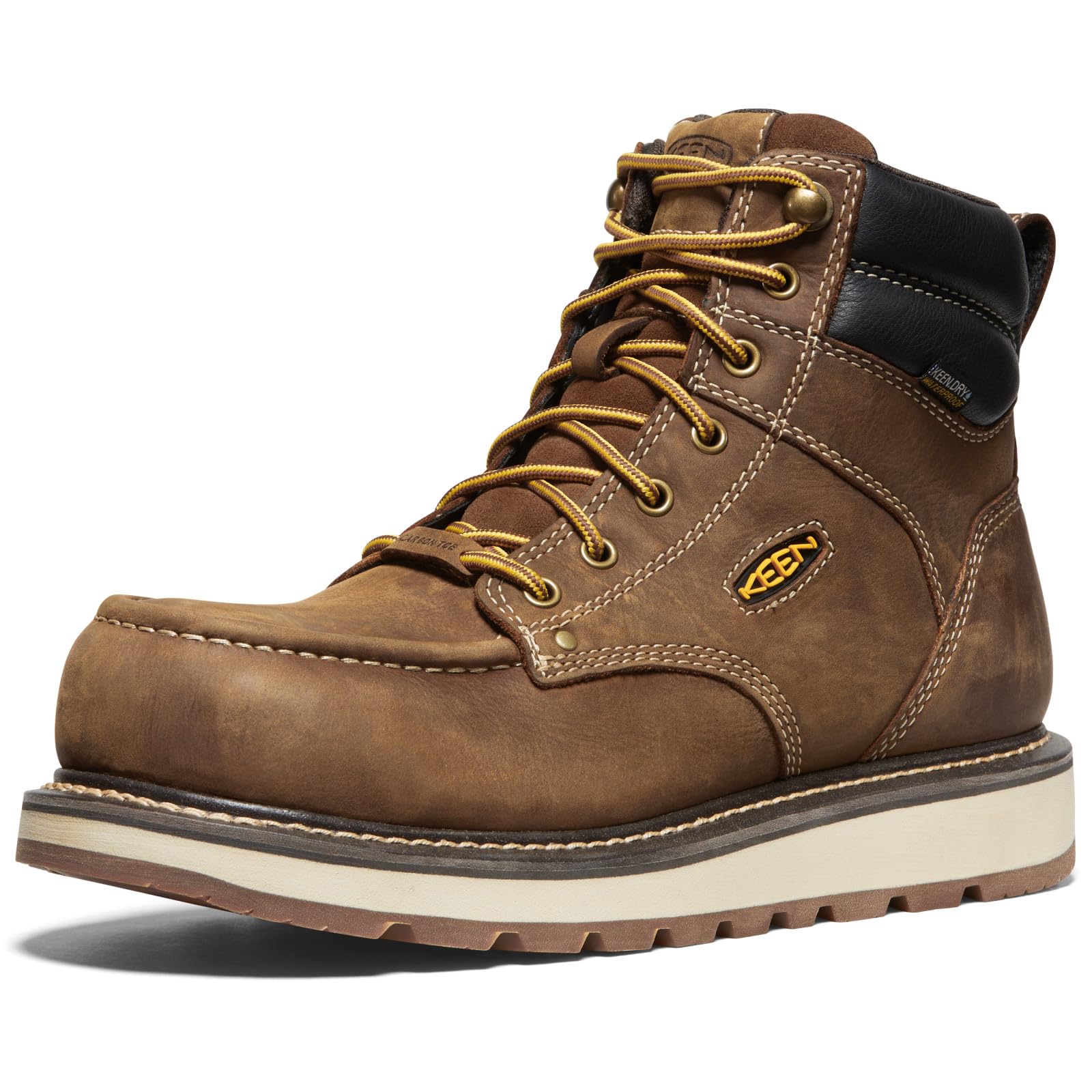


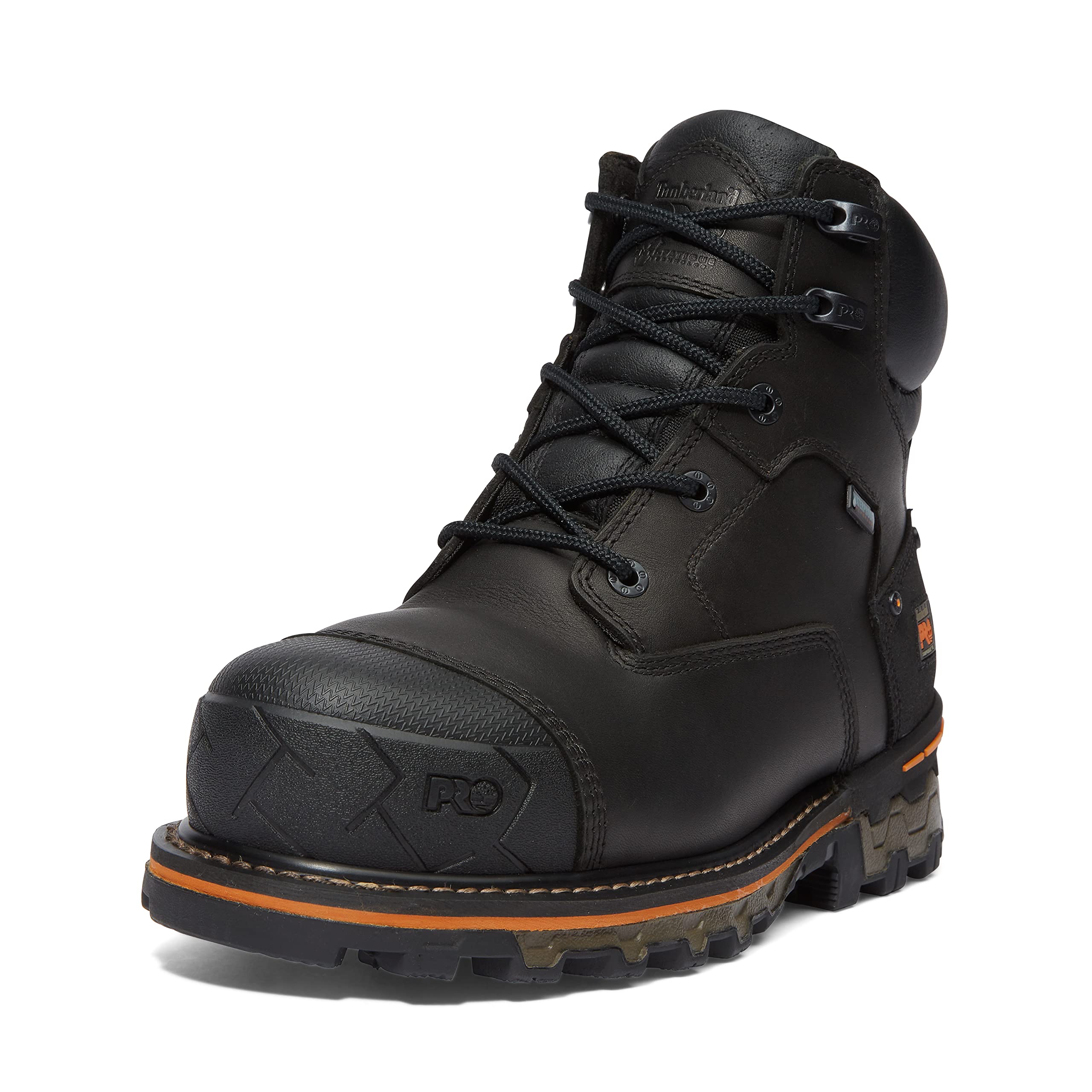
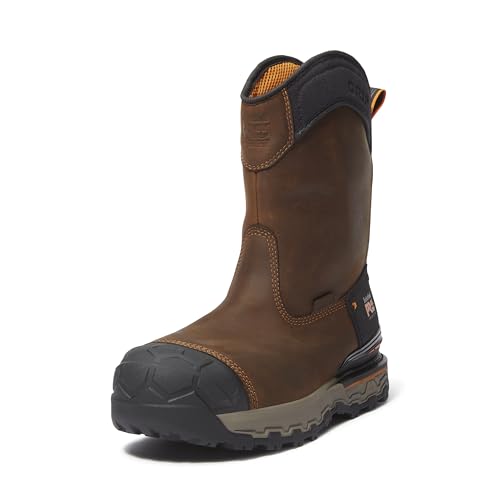


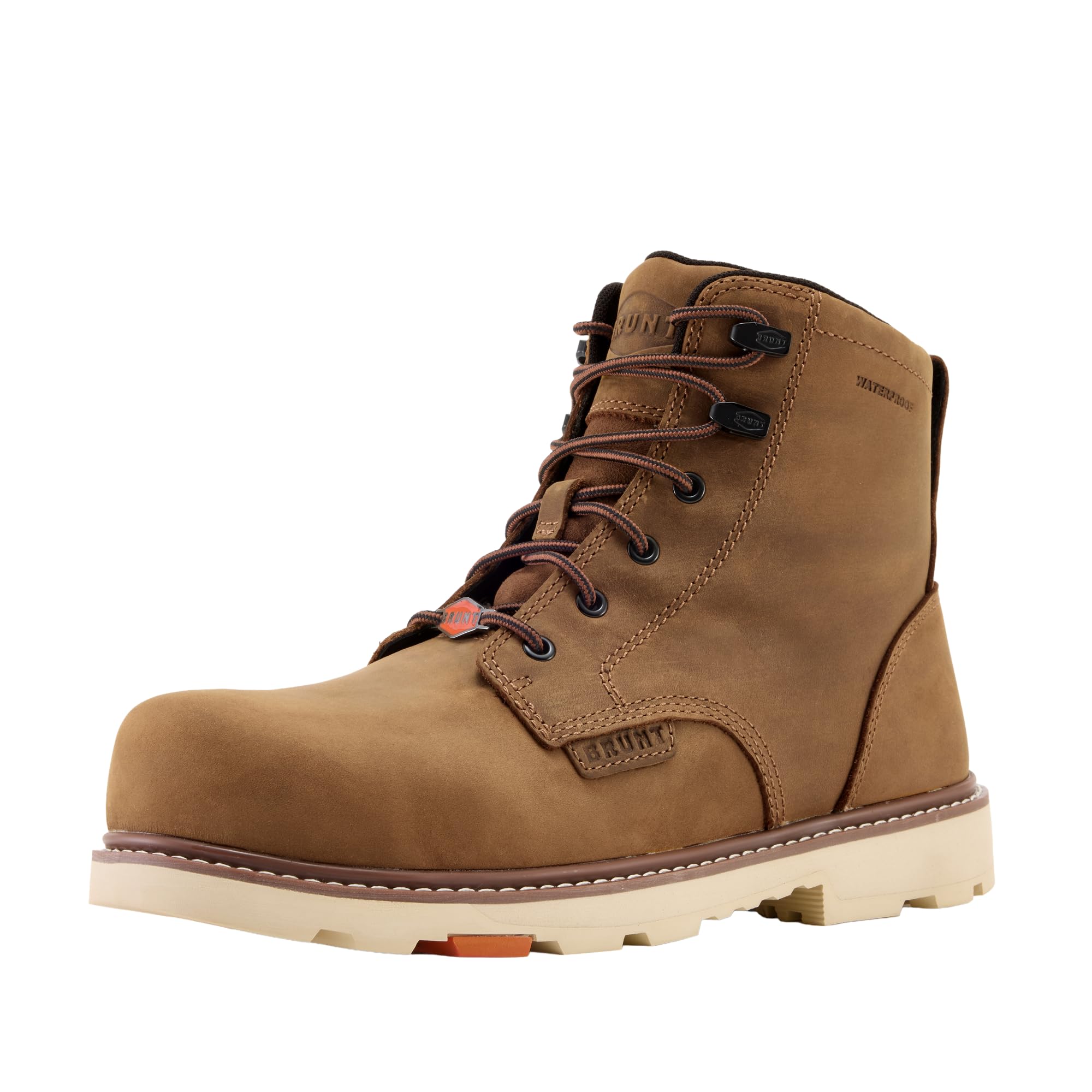
Who Should Buy Composite Boots by Budget
Your budget should follow your schedule, not the other way around. A boot worn twice a month for warehouse visits faces very different demands than one worn sixty hours a week on concrete. Think about hours standing, indoor or outdoor work, wet surfaces, and any safety rules your employer sets.
Occasional Wearers Who Need Solid Protection
If you visit job sites, loading areas, or workshops only now and then, a modest budget usually covers your needs. Look for a certified composite toe, a firm heel counter, and an outsole with deep lugs for grip on dusty or damp floors. You can accept a heavier boot and simpler cushioning at this level, since short wear times hide both flaws.
Daily Wearers Who Stand and Walk for Hours
Full time workers feel every shortcut in a boot by the middle of the afternoon. If that sounds like your week, plan on the middle price range and give cushioning and arch support the same weight as toe protection. Readers in this group often also browse our guide to the best composite work boots for job focused fit notes.
Crews in Harsh Weather and Rough Conditions
Outdoor crews, utility workers, and anyone crossing mud, gravel, and wet concrete should budget for the top range or close to it. You need stronger upper materials, sealed seams, and outsoles that keep grip when surfaces turn slick. Cold matters too, since a composite cap will not pull chill into your toes the way a steel cap can.
What Your Money Gets You at Each Price Tier
As you compare best composite boots across listings, use the product table above to line up price against materials, waterproofing, and weight. Tiers overlap, and sales move pairs between them, so treat the ranges below as guides rather than fixed rules.
Budget Tier: What to Expect
Budget pairs usually cost about $80 to $130. Expect synthetic or blended uppers, basic foam cushioning, and a composite toe that meets standard safety ratings without extra refinements. Waterproofing, when present, often relies on a simple membrane that works for splashes and light rain. They suit occasional wearers and anyone buying a backup pair, as long as the fit is right and the safety rating matches the job.
Midrange Tier: Where Most Buyers Land
Midrange pairs usually cost about $130 to $190, and this is where comfort per dollar peaks for most people. Uppers often mix leather with tougher synthetic panels, cushioning gets denser and more supportive, and fit options widen to include true wide sizes. Waterproof membranes seal more carefully, and outsoles use better rubber that grips wet floors with more confidence. If you wear boots daily but work mostly indoors or in mild weather, this tier usually covers everything you need without paying for extras you will never feel.
Premium Tier: When Spending More Pays Off
Premium pairs usually cost about $190 to $260. The money goes into full grain leather or advanced technical fabrics, refined toe cap shapes that add room without bulk, and midsoles built to stay supportive after months of use. This tier pays off for long shifts, rough outdoor work, and buyers whose employers demand specific ratings, like those comparing the best composite toe work boots for strict site rules.
Features Worth Paying For and Ones to Skip
Not every feature deserves your money. Pay for waterproofing only if you work in rain or standing water, and pay for insulation only if your winters demand it. Skip fashion stitching, decorative panels, and extra padding marketed with vague comfort claims but no clear purpose. The five factors below decide how a boot feels and lasts, so weigh them in this order and let the rest go.
Waterproofing With Gore Tex and Other Membranes
A waterproof boot uses a membrane lining, often Gore Tex or a similar material, plus sealed seams to keep water out while letting sweat vapor escape. This matters for rain, wet grass, wash down areas, and snow. The trade off is warmth and slower drying, since a lined boot holds heat and takes longer to air out after a soaking. If you work indoors on dry floors, a breathable unlined boot will feel better and cost less, so skip the membrane and spend the savings on fit.
Fit, Sizing, and Toe Box Room
Measure your feet late in the day, when they are at their largest, and try boots on with the socks you actually wear to work. Your toes should clear the cap without touching it, and the widest part of your foot should sit in the widest part of the boot. A roomy toe box helps because the rigid cap cannot stretch or give over time. For deeper notes on cap shapes and sizing, see our guide to the best composite toe boots and compare it with your measurements.
Cushioning and Support Underfoot
Cushioning softens each step, while stability keeps your foot from rolling inward or outward as you walk. A thicker midsole suits concrete and long standing hours, though it can feel clumsy on ladders or uneven ground. Heel to toe drop, the height difference between heel and forefoot, shapes how your stride rolls forward, and higher drops can ease tight calves. Neutral feet tolerate most designs, while feet that roll inward benefit from firmer support along the inner edge of the midsole.
Arch Support and Your Foot Type
Flat feet, high arches, and feet that overpronate each load a boot differently. Flat feet often need firmer arch support to reduce fatigue, while high arches usually want more cushioning under the midfoot, where contact with the insole is limited. Many boots ship with thin basic insoles, so check whether the insole can be removed and replaced with one that matches your arch. If foot pain, numbness, or swelling keeps returning despite good fit, talk with a clinician or a podiatrist about your personal needs rather than guessing with gear alone.
Upper Materials and Breathability
Leather uppers resist abrasion, mold to your foot over time, and handle sparks and rough edges well, but they weigh more and breathe less. Mesh and knit panels feel light and breathable in hot warehouses and summer heat, yet they tear sooner against sharp debris and offer little water resistance. Many midrange and premium boots blend both, placing leather where wear is worst and mesh where air flow helps most. Choose the blend by your biggest daily risk, heat or abrasion, instead of by looks.
Long Term Costs to Factor In
The purchase price is only part of what a pair costs you. Replacement insoles run about $20 to $50 and can refresh cushioning long before the boot itself wears out. Waterproof pairs may need surface treatments to keep water beading on the upper, and laces, hooks, and eyelets wear with daily use. Factor in a full replacement cycle too, since a daily wear pair often lasts about one to two years depending on surfaces and care.
Longer coverage on defects, and clear return windows for fit problems, lower your risk on a premium pair.
How to Make Your Composite Boots Last Longer
Clean your boots after muddy or dusty shifts by brushing off debris and wiping the uppers with a damp cloth. Let them air dry at room temperature away from direct heat, which can crack leather and weaken adhesives. If you own two pairs, rotating them gives each pair a full day to dry, and that single habit extends the life of cushioning and linings.
Inspect the toe area, seams, and outsole every few weeks. Look for deep cuts near the cap, loose stitching, smooth worn tread, and cracks where the upper bends. Condition leather uppers as the maker directs so the material stays supple, and replace worn laces before they snap mid shift. Store boots upright in a dry place with air flow, never sealed in a plastic bag while still damp.
Frequently Asked Questions
Can I wear composite boots all day?
Yes, you can wear composite boots all day when the fit, cushioning, and arch support match your feet. Most discomfort on long shifts comes from a toe box that crowds your toes or an insole that packs down by midday. One detail buyers overlook is sock thickness: a padded work sock changes the fit enough that you should test your size while wearing the exact socks you plan to use on the job.
Do I need waterproof composite boots?
You need waterproof composite boots only if your work regularly involves rain, standing water, wet ground, or wash down areas. Dry indoor jobs are usually more comfortable in breathable unlined boots. Keep in mind that once water enters over the collar of a waterproof boot, the lining slows drying for a day or more. A tall shaft or gaiters help in deep puddles, since most leaks start at the top opening rather than through the membrane.
How often should I replace my composite boots?
Replace your composite boots when the tread wears smooth, the midsole feels flat and unresponsive, or the upper cracks around the flex point. A hard impact on the toe cap is a separate case: replace the pair right away, even if the boot looks fine, because cap damage can hide inside the material. Boots worn only on weekends may stay serviceable for several years, so judge by condition and impact history rather than by the calendar alone.
How long is the break in period for composite boots?
The break in period for composite boots usually runs about one to two weeks of regular wear. Leather uppers soften and mold gradually, while synthetic uppers change very little after the first few outings. A smart approach is to wear new boots for short periods during the first days, then build up to full shifts. Sharp pain, hot spots, or toes pressing the cap are not break in symptoms, though, and those signal a fit problem that time will not fix.
Are expensive composite boots worth the extra cost?
Expensive composite boots are worth the cost when you work long shifts, face rough or wet conditions, or need specific safety ratings. For light occasional use, the premium upgrades may never show their value. One practical test is to list which upgrades you will actually feel each week, such as a better membrane or stronger leather. If your list has fewer than two items, a midrange pair and a spare set of quality insoles is usually the smarter spend.
How should composite boots fit when I try them on?
Composite boots should fit with about a thumb width of space ahead of your longest toe, a snug heel that does not lift with each step, and no pressure across the top of the foot. Walk on a hard floor and step up onto a stair edge if the store allows it, since heel slip shows up fastest on inclines. If you use custom orthotics, bring them along, because they take up room that changes which size fits best.
The Bottom Line
Start with fit and safety rating, then set your tier by hours worn and weather faced, and only then weigh extras like membranes and premium leather. Use the product table above to check your shortlist against those priorities before you order. Chosen that way, the best composite boots for you are simply the pair whose price buys upgrades you will feel every single shift.


