Best Completely Wireless Security Cameras: How to Choose by Budget and Features for 2026
Disclosure: We may earn a commission when you buy through links on this page, at no extra cost to you. As an Amazon Associate I earn from qualifying purchases. Learn more

Completely wireless security cameras compared by battery life, resolution, storage cost and weather rating for renters, yards and flexible coverage.
Prices for cameras with no power cord and no data cable stretch from under $100 for a single basic unit to several hundred dollars for a multi camera set with a hub. Paying more only helps when the extra money buys longer battery life, clearer video, or alerts you can trust. This guide to best completely wireless security cameras explains where each dollar actually matters.
Start with placement, battery access, and your WiFi strength, then match features to those needs. Use the comparison table below to line up resolution, storage, and weather ratings side by side before you decide how many cameras your home really needs.



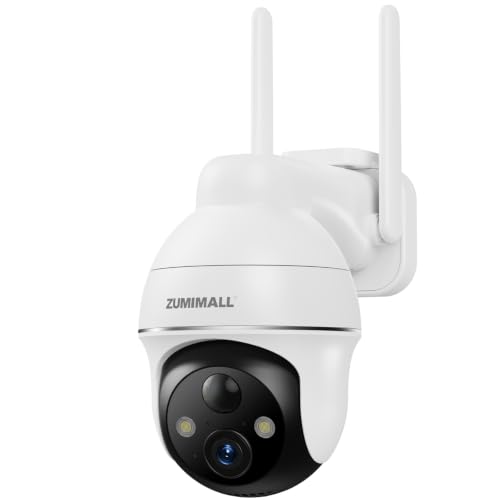


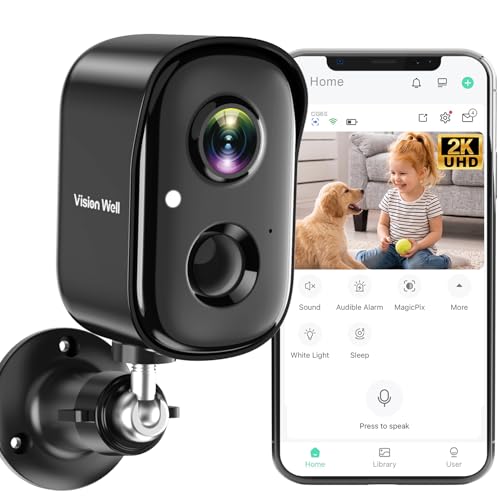
Who Should Buy a Completely Wireless Camera System?
The defining benefit is freedom of placement. With no outlet to reach and no cable to run through walls, you can mount a camera where the view is best and move it later when your needs change.
Renters and Apartment Dwellers Who Cannot Drill or Run Wires
If your lease limits drilling and permanent wiring, a battery camera mounted with a removable bracket or placed on a shelf solves the problem without altering the property. You take the cameras with you when you move, so the cost follows you to the next home.
Homeowners Covering Yards and Outbuildings Far From Outlets
Garages, sheds, gates, and barns often sit far from any outlet, and running cable to them costs far more than the camera itself. A battery model with a large cell, or one paired with a small solar panel, covers those spots without trenching or an electrician. If you are comparing options built mainly for exterior walls and yards, see our guide to the best outside security cameras wireless for placement ideas.
Families Who Want Flexible Coverage Without a Big Install
Households that want to watch a front door this month and a nursery or back door next month benefit from cameras that move in minutes. For whole home planning that mixes several rooms and entry points, see our guide to the best wireless home security cameras to map coverage first.
What Your Money Gets You at Each Price Level
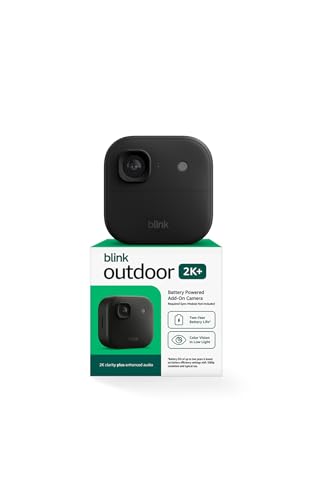
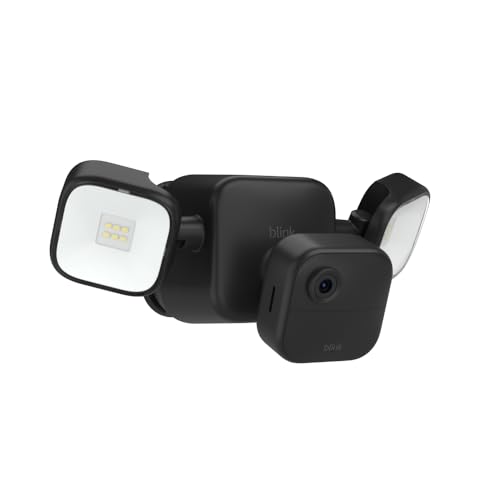
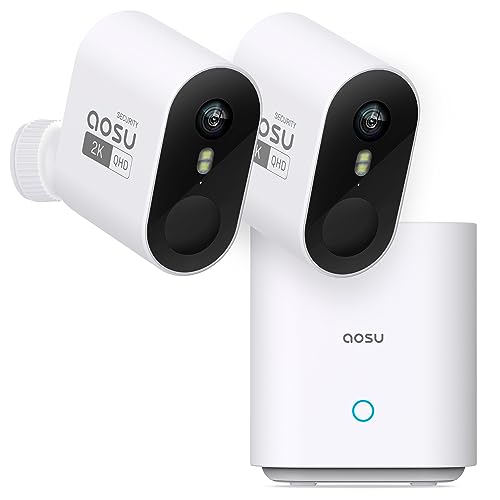
The product table above shows how quickly prices climb once you add cameras, a hub, or a solar panel. The tiers below explain the typical tradeoffs.
Budget Models: The Basics Done Well
Expect 1080p video, basic motion alerts, and battery life measured in weeks rather than months in busy spots. Night vision is usually black and white. These cameras suit a single quiet doorway where charging every few weeks is no hardship.
Midrange Models: Better Alerts and Longer Battery Life
This is where 2K resolution, wider views, and person detection become common, and batteries often last several months between charges. For most homes, this level balances clear detail with alerts that separate people from swaying branches.
Premium Models: Sharper Video and Smarter Detection
Higher prices buy 4K detail on some models, color night vision with a spotlight, and detection that can tell people, vehicles, animals, and packages apart. Pay this much only if you need detail at a long driveway or the fewest false alerts on a busy street.
Key Features to Compare
Specs only matter when they change what you can see, how often you climb a ladder to charge, or how much you pay each month. When you shop for best completely wireless security cameras, work through the factors below in that order, starting with picture clarity.
Video Resolution and Field of View
Resolution decides how much detail survives when you zoom into a face or a plate. 2K resolution is a practical middle ground, capturing more detail than 1080p without the storage and WiFi load of 4K. Field of view decides how much of a yard one camera covers, with about 130 to 160 degrees typical for outdoor models. A wider view reduces camera count but makes edge subjects smaller.
Battery Life and Solar Charging Options
Maker battery claims assume few daily motion events, mild temperatures, and short clips, so busy porches and cold winters shorten real life a lot. Look for removable batteries you can swap quickly if the mount sits high. Where sun reaches the mount for several hours a day, see our guide to the best solar wireless security cameras to judge whether solar powered cameras can keep a charge topped up.
Person Detection and Smart Alerts
Person detection filters your phone alerts so you hear about a visitor, not every shadow and headlight sweep. Some cameras do this processing on the device at no monthly cost, while others need a paid plan for the same filtering. Check which alerts are free before you buy, because a camera that sends fifty alerts a day soon gets muted.
Storage Choices: Cloud Storage and Local Storage
Cloud storage keeps clips safe if a camera is stolen and lets you review footage from anywhere, but it usually means a monthly fee per camera or per home. Local storage on a hub, base station, or memory card avoids that fee and keeps video inside your house, though you must protect the hub itself. Many buyers mix both, with local recording for everything and cloud backup for the front door.
Two Way Audio, Siren, and Spotlight
Two way audio lets you speak to a delivery driver or tell a visitor you are on your way, and its quality depends on speaker volume outdoors. A siren and a motion activated spotlight add deterrence, startling a prowler and adding color to night footage. These tools work best at doors and gates, where a voice or light reaches the person in view.
Weather Resistance and Temperature Range
An IP65 rating means the housing resists dust and water jets from any direction, which covers normal rain and sprinkler spray for outdoor mounting. IP66 adds protection against stronger water pressure. Also check the temperature range, because lithium batteries charge poorly below freezing.
Choosing Cameras for Your Situation
Match the model to the mounting spot, the distance to your router, and who will manage charging.
Best Completely Wireless Outdoor Security Cameras: Where Your Money Goes
For best completely wireless outdoor security cameras, spend first on weather sealing, battery size, and night vision range, because those decide whether the camera survives the season and sees the far edge of the yard. Shoppers focused on siding, eaves, and fence lines can also see our guide to the best wireless exterior security cameras for mount specific advice.
Indoor Placement and Privacy Needs
Indoors, you rarely need weather sealing or long night range, so put money toward a wide view, clear audio, and a physical privacy shutter you can close. Shelf placement suits bedrooms and living areas, and a pivoting camera can cover a whole room from a corner. If most of your cameras will live inside, see our guide to the best indoor security cameras wireless before mixing indoor units into an outdoor kit.
Homes With Weak WiFi or Large Properties
A camera is only as reliable as its signal, and exterior walls, brick, and metal siding weaken WiFi quickly. Systems with a hub near the cameras can help, because cameras then use a shorter wireless hop. Check your phone signal at each mount before ordering.
Long Term Costs to Factor In
The purchase price is only part of ownership. Cloud plans commonly run around $30 per year at the low end and can reach about $150 per year for multi camera homes, so a cheap camera with a required plan can cost more over three years than a pricier model with local recording. Add spare batteries or a solar panel, at around $50 each, plus replacement mounts and possibly a mesh WiFi node.
Warranty length and battery replacement policy also shape value. Some batteries are built in, so a worn cell means replacing the whole camera. Models with swappable packs and at least a one year warranty usually cost less to keep running. Video doorbells in the same app can share one plan, which is worth checking if you plan to add a doorbell later.
Common Mistakes to Avoid
- Mounting a camera too high to capture faces clearly, so footage shows the tops of heads and little useful detail.
- Buying on battery claims alone, so a busy front porch drains the cell in weeks and leaves gaps in coverage.
- Ignoring WiFi strength at the mount, so clips upload slowly, arrive late, or fail during the moments that matter.
- Skipping the storage plan check, so features shown in the listing turn out to need a paid plan you did not budget for.
- Pointing a camera straight at a busy street, so constant motion triggers drain the battery and bury real alerts in noise.
- Forgetting who will recharge the cameras, so units on high mounts sit dead for weeks because no one wants the ladder job.
How to Care for Your Cameras and Keep Them Running
Wipe each lens with a soft dry cloth every month or two, because dust, pollen, and spider webs near the lens cause blurry night images and false motion triggers. Check that the charging port cover and battery door seal sit fully closed after every charge, since a small gap lets moisture inside the housing.
Recharge batteries before they sit empty for long, and bring outdoor units indoors to charge during extreme cold so the cells accept a full charge. Update the app and camera firmware when prompted, inspect mounts twice a year for loosening, and clear leaves or snow that block the view or cover a connected solar panel.
Frequently Asked Questions
Are completely wireless security cameras more reliable than wired cameras?
Completely wireless security cameras are reliable for most homes, but wired cameras still win on nonstop power and connection stability. A wireless unit can miss moments if its battery runs low or its WiFi signal drops, while a wired unit records around the clock. The practical answer is to use wireless where running cable is costly, keep batteries charged, and confirm a strong signal at each mount during setup.
How much storage do completely wireless security cameras need?
Most homes need about seven to fourteen days of saved clips, which catches delayed reports of theft or damage without paying to keep months of routine footage. A useful extra is event based saving, where only motion clips are kept and empty hours are skipped, stretching a small memory card or cloud plan much further.
Are completely wireless security cameras easy to hack?
Completely wireless security cameras are not easy to hack when you use strong account protection, but weak passwords remain the biggest risk. Turn on two factor authentication, use a unique password for the camera account, and keep firmware updated so known flaws get patched. Use privacy shutters in bedrooms and other private rooms as one more safeguard.
Can completely wireless security cameras work without WiFi?
Some completely wireless security cameras can record to local storage without WiFi, but you lose live viewing, phone alerts, and cloud backup while the connection is down. If internet outages are common at your home, choose local recording first and treat the app features as a bonus rather than the only record.
Do completely wireless security cameras need a subscription?
No, completely wireless security cameras do not need a subscription for live viewing and basic motion alerts, but many brands reserve person detection, rich phone notifications, and longer clip history for paid plans. Read the plan page for the exact model before buying, because terms differ between product lines. Choosing local storage can remove the fee entirely while keeping your core recording intact.
Final Thoughts
Decide by placement first, then battery life, storage cost, and alert quality, in that order. Budget models cover a quiet single door well, midrange models suit most homes, and premium models earn their price at long driveways and busy street facing mounts. Compare your shortlist in the product table above, confirm WiFi strength at each mount, and you will end up with best completely wireless security cameras that fit your home and your budget. Prices and availability can change, so check the product page before ordering.