
Best CCTV Outdoor Security Cameras: Checklist for 2026
Disclosure: We may earn a commission when you buy through links on this page, at no extra cost to you. As an Amazon Associate I earn from qualifying purchases. Learn more

Choosing the best cctv outdoor security cameras: resolution, night vision, weather rating, power, storage and what each spending level buys.
Shopping for outdoor cameras can feel confusing because every listing promises sharp video and easy setup, yet the details that matter most are often buried in the specifications. A best cctv outdoor security cameras choice is not about the flashiest feature list. It is about the camera that fits your home, your wiring options and the areas you actually want to watch.
Use the comparison table below to narrow your options first, then work through the checklist in this guide to confirm the details. Think about where each camera will sit, how it will get power, how you will store video and whether you want alerts on your phone.
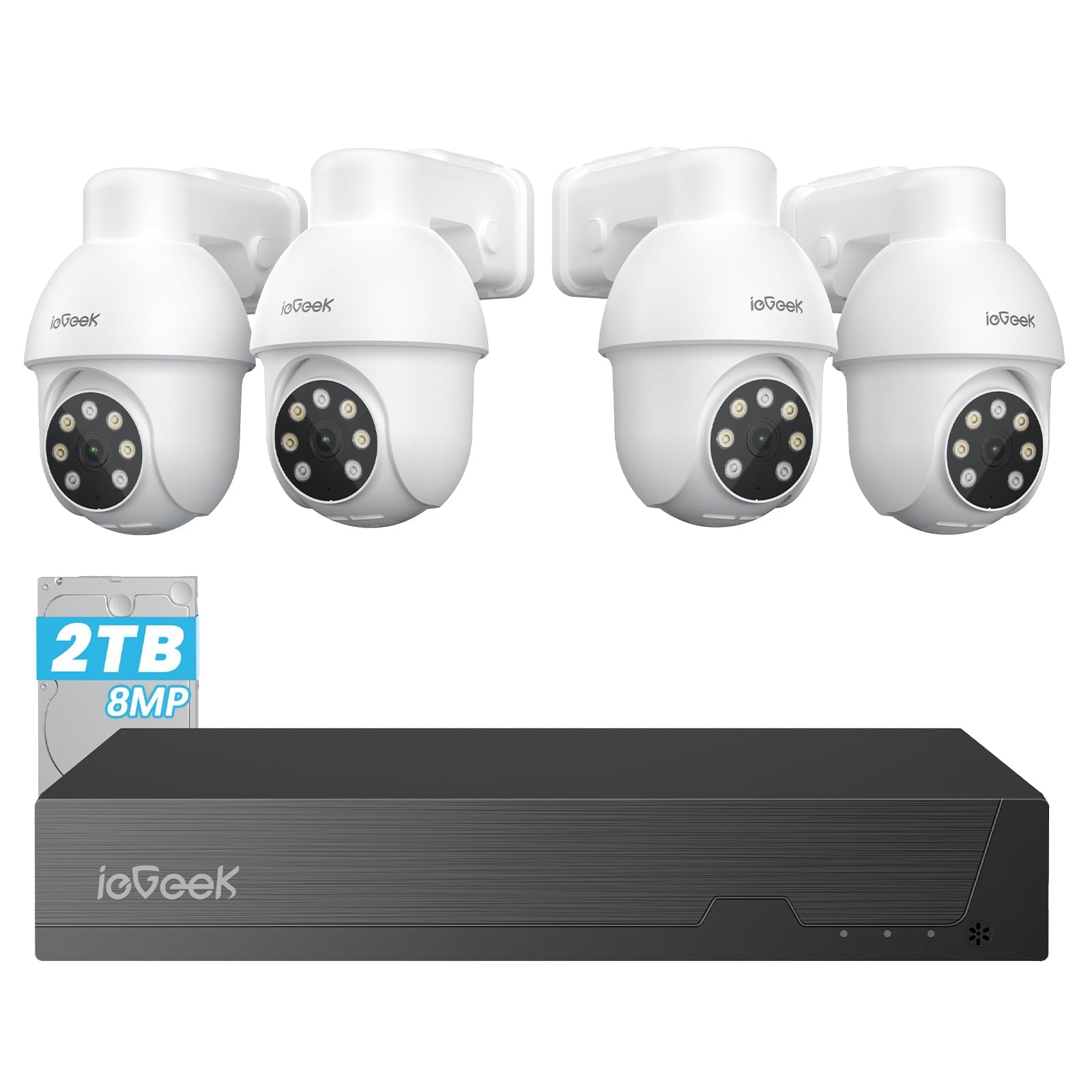
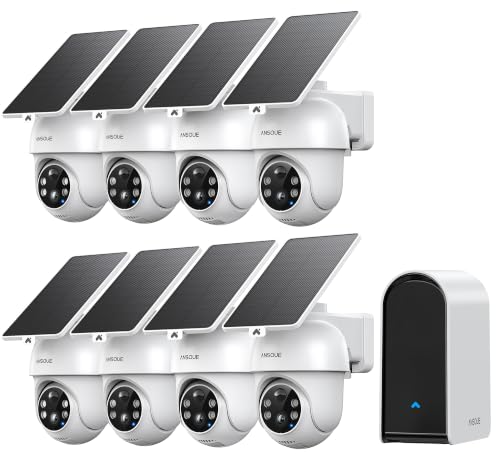
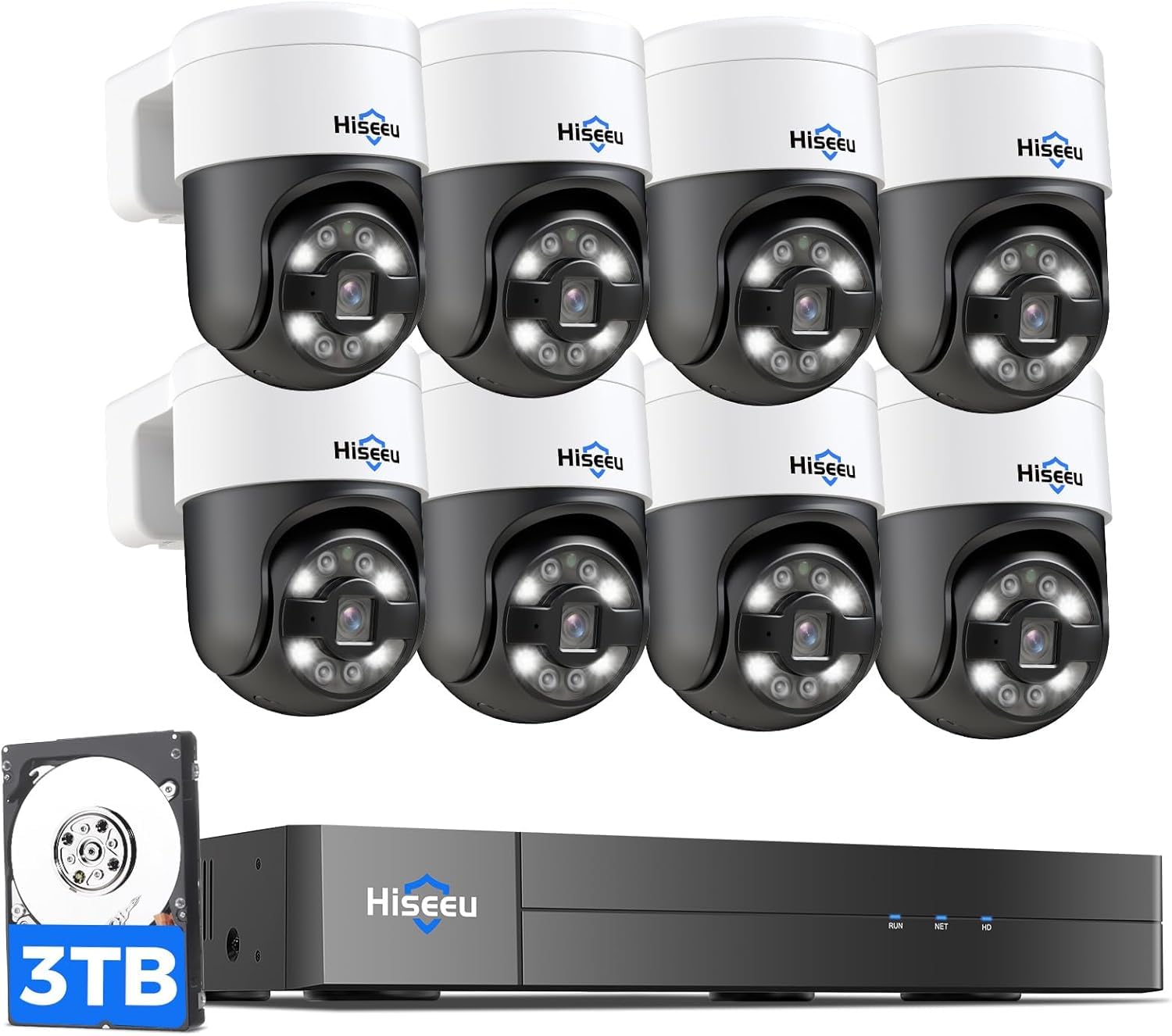

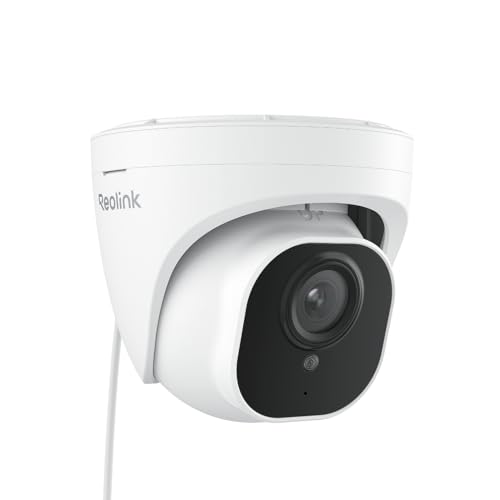


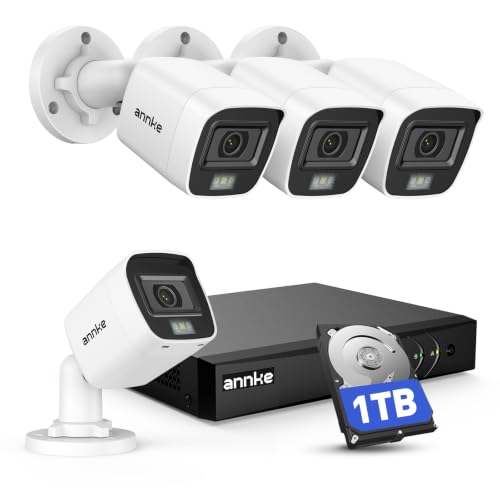


Key Features to Compare
Start with the basics that affect every recording. Resolution, field of view, night vision and weather protection decide whether footage is useful when you need it, while audio, storage and smart home links decide how the camera fits daily life. For a wider look at outdoor options, see our guide to best cameras for outdoor security.
Resolution and Field of View
Resolution decides how much detail you can see in a face or a package. A 2K picture usually gives a clear step up from basic high definition video, while 4K adds even more detail but also needs more storage and a stronger connection. Field of view matters just as much, because a wide view of about 130 to 160 degrees can cover a yard or driveway from one mount, while a narrower view may miss activity at the edges.
Night Vision in Color or Infrared
Night vision decides whether an outdoor camera is useful after dark, which is when many homeowners want it most. Infrared night vision shows a black and white image and works well in total darkness, while color night vision uses a built in spotlight or a sensitive sensor to keep some color in low light. A spotlight can help identify clothing colors, but it can also disturb neighbors if it turns on often.
Two Way Audio and Siren
Two way audio lets you speak through the camera app to a visitor or delivery driver when you are away from home. Sound quality varies a lot, so look for clear speech in both directions rather than just a microphone listed on the box. Think about whether you want audio recording at all, since local rules about recording sound can differ, and you should check the rules that apply where you live.
Weather Resistance and Build
An outdoor camera must handle rain, dust, heat and cold without fogging up or failing in the first storm. Ratings such as IP65 and IP66 describe protection against dust and water jets, with the higher number offering stronger water protection, but neither rating means a camera can sit underwater. Check the operating temperature range if you live somewhere with very hot summers or freezing winters.
Wired or Wireless Power and Connection
Power and connection choices shape installation more than almost any other feature. Wired cameras draw steady power and often give a more stable video feed, but they need cable runs and sometimes help from a qualified installer if wiring passes through walls. Wireless cameras run on batteries or solar panels and are easier to place, yet batteries need charging and weak WiFi can cause gaps in video.
If you prefer a wired setup, see our guide to best outdoor security cameras wired for what that choice involves. If you prefer wireless freedom, see our guide to best wifi security cameras outdoor and check signal strength at each planned mount point before you buy.
Smart Home Connections
Smart home links let a camera work with voice assistants and other devices you already own, such as a smart display or a lighting routine. Support for common platforms can make alerts easier to notice, but not every camera works with every platform, so confirm compatibility before you buy rather than assuming it. Also check whether automations need a subscription or a hub, since those extras change the total cost.
Storage Choices and Ongoing Cost
Storage decides how long you can look back at video and what you pay each month. Local storage on a memory card or a recorder keeps video at home and usually avoids a monthly fee, but cards can fill up and a recorder needs a safe, dry place indoors. Cloud storage keeps clips off site and often adds person detection or longer history, yet it usually requires a subscription per camera.
Spending Levels to Consider
Rather than ranking individual cameras, think in spending levels, because each level buys a different mix of video quality, durability and extras. A modest budget can still buy a solid camera for a single entry point, while a middle budget usually adds better night vision or local storage. A higher budget may buy 4K video and smarter alerts, but only spend more if those extras solve a real problem at your home.
Modest Spending for One Entry Point
At a modest level, expect basic high definition video, infrared night vision and a weather resistant housing, often for about $30 to $80 per camera. This level suits a single door or porch where the camera sits close to the subject and WiFi is strong. Watch for short warranties and subscription only storage, since those limits can matter more than a slightly sharper picture.
Middle Spending for Wider Coverage
In the middle range, often about $80 to $180 per camera, you can expect 2K video, better night vision, two way audio and a choice of local or cloud storage. This level suits driveways, yards and side gates where distance and darkness make detail harder to capture. Look for a sturdy mount, a clear app and honest storage terms, and test the view at night before you fix the mount permanently.
Higher Spending for Demanding Spots
At a higher level, often about $180 to $350 per camera, you may get 4K video, color night vision, stronger weather sealing and smarter detection that can tell people apart from passing cars or animals. This level suits large properties and poorly lit areas where footage may need fine detail. Even here, placement and connection quality matter more than resolution alone, so confirm power, signal and storage before you commit.
Quick Buyer Checklist
Run through these questions before you order, and only buy when you can answer yes to the ones that matter most for your home:
- Do you know exactly which doors, driveway and yard areas each camera must cover?
- Can each mount point provide power, or will you need batteries or solar charging?
- Is WiFi strong at every outdoor mount point, or will you need a wired connection?
- Do you want local storage, cloud storage or both, and have you added up the monthly cost?
- Does the camera handle your local weather, including rain, heat and freezing temperatures?
- Have you checked local rules about camera placement and audio recording where you live?
- Can you mount cameras high enough to avoid tampering while still showing faces clearly?
- Does the camera work with the phone app and smart home platform you already use?
Red Flags to Watch For
Be cautious when a listing gives vague specifications, such as promising crystal clear video without stating resolution or night range. Missing weather ratings, unclear storage terms and very short warranties are also warning signs, especially for cameras that will live outdoors year round. Avoid any camera that requires you to disable security settings or share your account password just to view your own video.
Care and Maintenance Tips
Mount cameras about 8 to 10 feet high so they are hard to reach but still low enough to show faces, and angle them away from direct sun glare that can wash out video. Clean lenses gently every few months, since dust, pollen and spider webs can blur night vision faster than you expect. Turn on two factor authentication for your camera account, keep firmware updated and use a strong, unique password.
Frequently Asked Questions
Wired or wireless outdoor cameras: which is more reliable?
Wired cameras are usually more reliable at home because they draw steady power and send video over a cable rather than relying on WiFi signal through walls and weather. Wireless cameras are easier to install and move, but batteries need charging and weak signal can cause delayed alerts or missing clips.
Are home cameras easy to hack?
Home cameras can be at risk if they use weak passwords, outdated firmware or shared login details, but basic security steps lower that risk a great deal. Use a strong, unique password, turn on two factor authentication where offered and keep the camera software updated. Avoid sharing your account with people who do not need access, and check privacy settings to control who can view live video.
Do I need a subscription for outdoor cameras?
You do not always need a subscription, since many cameras offer local storage on a memory card or a recorder with no monthly fee. Subscriptions usually add cloud clip history, smarter detection and longer storage, which some owners find worth paying for. Before you buy, check what works without a plan, such as live viewing and motion alerts, and add up the monthly cost for every camera.
How much storage do I need for outdoor video?
Storage needs depend on resolution, how often motion triggers recording and how many days of history you want to keep. Continuous 4K recording fills storage far faster than motion only clips at lower resolution, so a large card or recorder matters more for busy driveways than for a quiet side gate. As a rough guide, a 128 GB card can hold many days of motion clips for one camera, while a recorder suits several cameras or longer history.
Can outdoor cameras work without WiFi?
Some outdoor cameras can record to local storage without WiFi, but you usually lose live viewing, phone alerts and cloud clips until the camera reconnects. Wired systems with a local recorder can keep recording during an internet outage, which suits homes where constant recording matters more than remote alerts. If you need phone notifications, a stable connection matters, so consider a wired camera or stronger outdoor WiFi for that location.
Wrapping Up
Focus on three things: a clear view of the areas that matter, reliable night vision and storage you understand and can afford. The product table above can help you compare options side by side, but your checklist should make the final call. Choose the best cctv outdoor security cameras setup that fits your home, your budget and your comfort with ongoing costs, and you will get useful video when it counts.


