Best Company for Gaming Mouse for 2026: An Honest Comparison
Disclosure: We may earn a commission when you buy through links on this page, at no extra cost to you. As an Amazon Associate I earn from qualifying purchases. Learn more

Learn how to judge a gaming mouse maker by warranty, support, sensor quality, shape range, and materials, so you can pick a mouse that fits your hand.
Choosing a best company for gaming mouse can feel harder than choosing the mouse itself, because every maker claims better speed, comfort, and durability. The product table at the top of the page lists current mice from several makers, while the rest of this guide explains what actually matters when you judge a maker. Focus on the traits that affect daily use, not on slogans or packaging.
A good maker earns trust through consistent quality, clear warranty terms, helpful support, and shapes that fit different hands. A weak maker may disappoint you with short lived switches, poor software, or slow help when something breaks. Use this checklist to compare makers on equal terms.




What Makes the Best Company for Gaming Mouse?
Reliability starts with the basics. A strong maker uses consistent materials, tests its switches and cables, and keeps quality steady across price levels. Look for clear specifications, honest weight and size figures, and a warranty that is easy to understand.
Support matters just as much as the hardware. Check how long the warranty lasts, what it covers, and how you can reach help. A maker with a clear return process, spare feet and cables, and regular software updates is usually easier to live with.
If support pages are vague or hard to find, treat that as a warning sign. If you want a broader starting point, see our guide to the best mouse for gaming and compare its buying factors with the maker checklist here.
Features That Matter for Gaming Mice
Gaming mice need a sensor that tracks cleanly at the speeds you actually use, switches that feel consistent, and a shape that lets you aim without strain. Sensor resolution alone does not tell the whole story, so also check polling rate, lift off distance, and how the mouse behaves on your desk surface. A good maker explains these figures in plain language instead of hiding them behind marketing terms.
Shape range is another key test. Hands differ in length, width, and grip style, so a maker with only one narrow shape will suit fewer people. Look for small, medium, and large options, plus left hand friendly or ambidextrous shapes where possible. A matching surface also helps tracking feel consistent, and our guide to the best gaming mouse mat explains how size and surface texture affect glide.
Wired Versus Wireless
Wired mice avoid charging and usually cost less for the same sensor performance. Wireless mice remove cable drag and suit players who move the mouse in wide arcs, but they add battery weight and a receiver to manage. Modern wireless models can match wired response in everyday play, so the choice comes down to your desk setup and tolerance for charging.
When you compare makers, check how they handle wireless details. Look for a stable wireless connection, a clear low battery warning, and a receiver that stores safely inside the mouse or on a dock.
Bluetooth can be handy for travel or office use, but it is usually less responsive than a dedicated wireless link for fast games. A maker that states these differences clearly is easier to trust.
Battery Life and Charging
Battery life varies with polling rate, lighting, and use. A maker should state battery life at a realistic polling rate, not only at the lowest setting with lighting off. USB C charging is convenient, because the same cable often works with phones and headsets. Check whether the cable is long enough to play while charging.
Also consider weight and balance. A larger battery can add weight that changes aim feel, especially for players who lift the mouse often. Read the stated weight carefully, because a few grams can feel larger during long sessions.
Top Gaming Mouse Companies at a Glance
Five makers cover most of what players buy. Each profile lists a strength, a weakness, and the player it suits, and the product table at the top of the page shows current models from all of them.
Logitech G
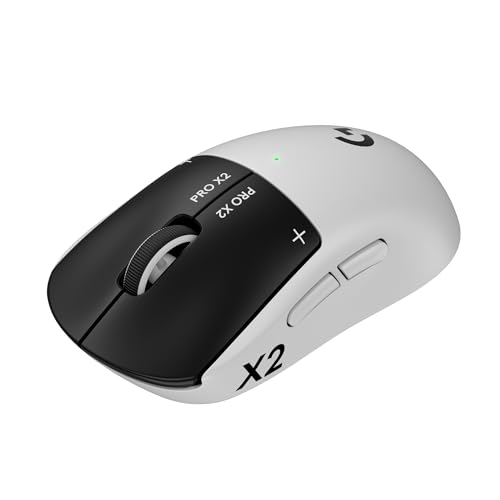
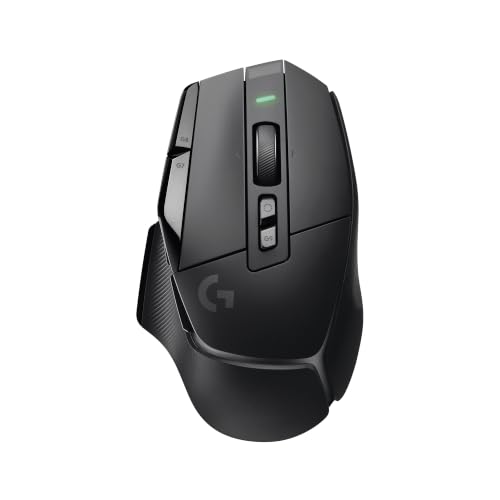
Logitech G has the longest track record in gaming mice, with shapes that range from the classic multi button G502 family to light wireless esports models. Sensors are accurate, wireless links are stable, and software is mature. Premium wireless models cost a lot, and some shapes favor right handed grips. Logitech G suits players who want a proven shape, strong support, and a mouse that works on most surfaces.
Razer
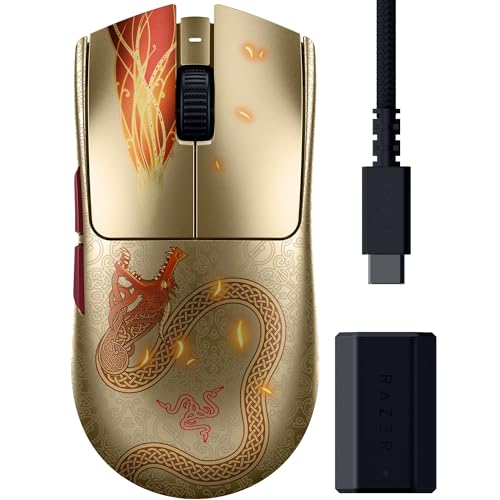
Razer builds fast, well finished mice for shooter and MMO players, including the light Viper line and the DeathAdder ergonomic shape. Wireless performance and polling options are among the best available. Prices sit high, and the software can feel heavy. Razer suits competitive players who want the latest sensor features and a shape that has a loyal following.
SteelSeries
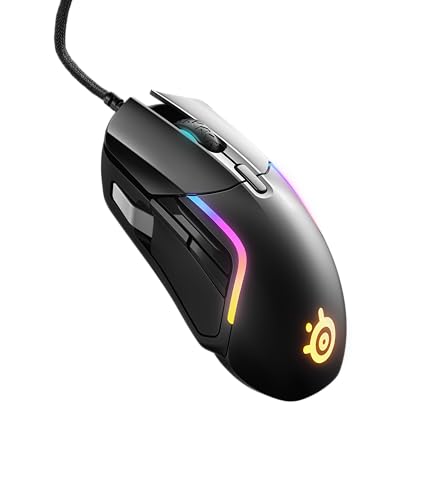
SteelSeries focuses on light, durable mice, including the perforated shell Aerox line and the simple Rival series. Build quality is good, and prices at the entry end are friendly. Fewer large shapes are offered, and wireless battery life varies by model. SteelSeries suits players who want a light mouse without paying flagship money.
Corsair
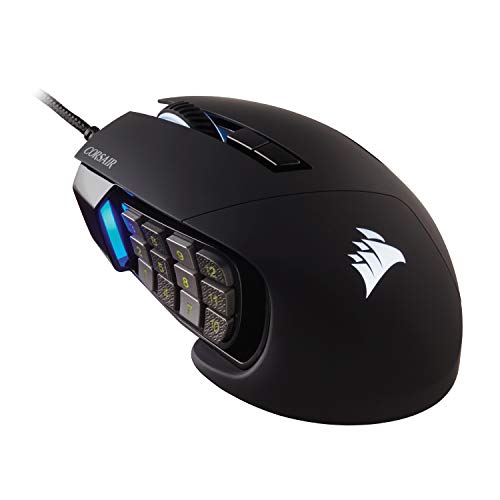
Corsair covers gaming mice for shooters and MMO players, with a strong set of side buttons on its Scimitar line. Software links well with Corsair keyboards and headsets. Some models are heavier than esports rivals. Corsair suits players who want many programmable buttons and a matching desk setup.
Glorious
Glorious became popular by selling very light honeycomb shell mice at fair prices, and its Model O and Model D lines cover several hand sizes. Value is the main strength. Support and software are simpler than larger makers, and long term durability reports vary by model. Glorious suits budget minded players who want a light mouse and easy shapes.
Maker Traits at a Glance
The table below turns maker claims into checks you can use. Work through each row before you buy. A maker should not fail on warranty, support, or basic build quality.
| Maker trait | What to check | Why it matters |
|---|---|---|
| Warranty | Length, coverage, and claim steps | Protects you if switches or sensors fail early |
| Product range | Shapes, sizes, and grip options | A wider range raises your chance of a good fit |
| Materials | Shell, coating, cable, and feet | Affects grip, durability, and glide |
| Support | Help channels and spare parts | Speeds up fixes and replacement parts |
| Software | Updates, profiles, and ease of use | Controls sensitivity, buttons, and lighting |
Warranty terms deserve a close read. A longer warranty means little if it excludes switches, the cable, or normal wear, so check the fine print. Also check whether the maker sells replacement feet, cables, and receivers, because small parts wear out first.
Materials tell you how a mouse will age. A textured coating can improve grip but may wear smooth with heavy use, while a smooth shell is easier to clean but can feel slippery. Braided cables resist tangling, while light flexible cables reduce drag.
Skates made from a low friction material help the mouse glide evenly, and worn skates should be easy to replace. If you plan a full desk setup, our guide to the best gaming keyboard and mouse company can help you judge whether one maker suits both your mouse and keyboard needs.
How to Choose Between Makers
Start with fit, then narrow by sensor and connection type, and only then compare makers. Measure your hand from wrist to middle fingertip and note whether you palm, claw, or fingertip grip. A mouse that is too long or too flat can cause wrist strain, even if its sensor is excellent.
Next, compare the specific model, not only the maker name. One maker can sell both excellent and ordinary mice, and a strong name does not guarantee that every shape suits you. Read the full specification list, check the warranty for that exact model, and confirm that the software works with your system.
Finally, weigh price against support and spare parts. A lower price can be good value if the warranty is clear and the build is solid, while a higher price should buy better materials or longer support. Spend where it improves aim, comfort, or durability, and keep the receipt and warranty details safe.
Common Mistakes to Avoid
- Choosing by brand name alone, without checking whether that maker offers a shape that fits your hand.
- Chasing the highest sensor number, even though most players cannot use the top setting in real games.
- Ignoring warranty terms, which can leave you without help if a switch starts to double click.
- Buying a wireless mouse without checking battery life at your normal polling rate and lighting level.
- Forgetting cable and receiver storage, which matters if you travel or share a desk.
- Skipping software checks, so button remapping or profiles do not work on your system.
Care and Safety Tips
Keep the mouse clean and dry, and wipe the shell and sensor area with a soft cloth when dust builds up. Avoid pulling the cable at sharp angles, and store a wireless receiver in its slot when you travel. Replace worn feet promptly, because uneven feet can make aiming feel rough.
For electrical safety, use only the cable and charger type the maker recommends, and stop using a mouse with a damaged cable or swollen battery. Keep small parts and receivers away from children. If a mouse gets hot or stops charging normally, unplug it and contact the maker.
Frequently Asked Questions About Gaming Mouse Makers
What DPI Do I Need for a Gaming Mouse?
You need a sensor that tracks cleanly at your chosen sensitivity, not the highest number on the box. Most players do well with about 400 to 3200 DPI, because higher settings can make small aim changes harder to control. A maker should let you adjust DPI in small steps and store your setting in onboard memory.
Is Wired or Wireless Better for Gaming?
Wired is better if you want the lowest cost, no charging, and the simplest setup. Wireless is better if cable drag bothers you or you move the mouse in wide arcs. Modern wireless mice can match wired response for most players, but you must charge them and manage a receiver. Choose wired for a fixed desk and wireless for travel.
Does a Gaming Mouse Work With Mac and Console?
Basic pointing and clicking usually work on Mac and console systems, but advanced features may not. Button remapping, macros, and profile software often need a Windows program, so check maker support pages before you buy. Some mice store profiles onboard, which lets you set them on one computer and use them elsewhere.
What Should I Check Before a Warranty Claim?
Check the warranty length, what parts it covers, and whether you need proof of purchase. Photograph the fault, note when it started, and keep the original packaging if you can. Contact support through the maker channel for your region, describe the fault in plain terms, and keep a copy of every message you send.
When Should I Replace a Gaming Mouse?
Replace a gaming mouse when switches double click often, the sensor skips, the cable frays, or the shape causes pain despite a good setup. Worn feet alone do not mean replacement, because many makers sell spares that restore smooth glide. Keep your old settings noted, so a new mouse is faster to set up.
Wrapping Up
The right maker is the one that offers a shape that fits you, a sensor that tracks cleanly, clear warranty terms, and support you can reach when needed. Compare makers with the checklist here, and let the specific model matter more than the name on the box.
Use the product table above to shortlist types, then check size, connection, battery, and warranty for your final pick. When you find a best company for gaming mouse that meets those tests at a price you accept, you have a solid basis for a lasting purchase.