Best Compact Speakers for PC: Budget, Midrange, and Premium Guide for 2026
Disclosure: We may earn a commission when you buy through links on this page, at no extra cost to you. As an Amazon Associate I earn from qualifying purchases. Learn more

Compare the best compact speakers for pc at every price point. Learn what you get at budget, midrange, and premium levels and where spending more pays off.
Desk speakers range from under $30 to several hundred dollars, and the price gap is not obvious from photos alone. This guide explains what each price tier actually delivers for sound, connections, and build, so you can spend where it improves your daily work, music, and video calls.
You will learn how to judge best compact speakers for pc by the things that matter at a desk: clarity at low volume, a footprint that fits beside a monitor, and controls you can reach without opening software. Use the comparison table below as a price map, then read the tiers to see which level fits your setup.
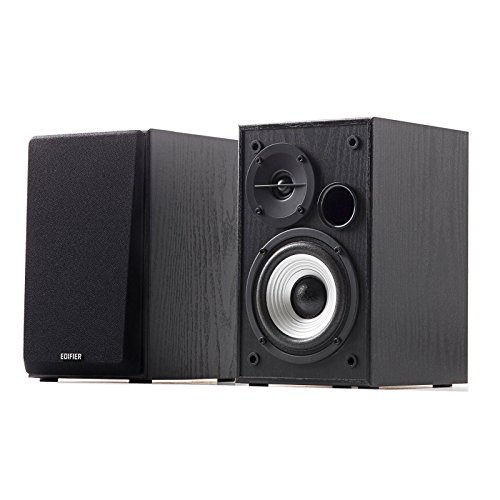
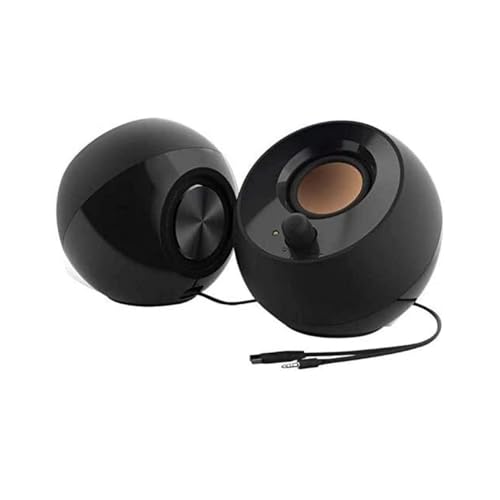
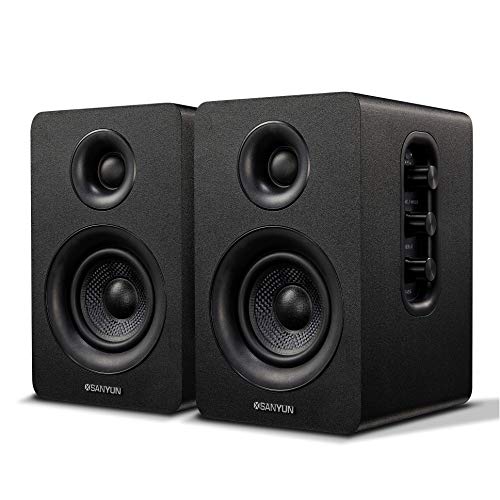

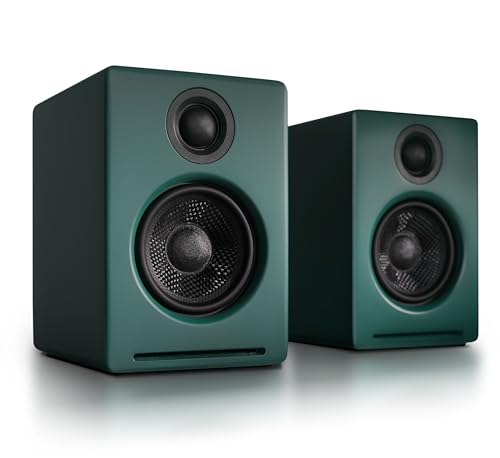


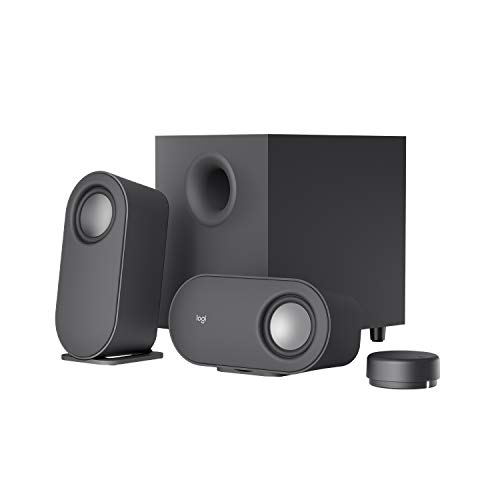
Price Tier Guidance by Budget
Budget Tier: What a Sensible Choice Looks Like
A good budget choice covers clear voices for calls and videos, simple USB or aux connection, and a volume knob on the speaker itself. Expect a plastic cabinet, modest bass, and one input. For a dorm desk, a shared home office, or a second computer, that is often enough. The sensible move at this level is choosing a tidy design with front controls rather than chasing extra lights or wireless features that eat the budget without helping sound.
Midrange Tier: What a Sensible Choice Looks Like
Midrange models should add fuller sound, a second input such as Bluetooth, and better stereo separation from a true pair of speakers. Cabinets feel denser, buttons feel firmer, and a headphone jack on the front becomes common. This is the level where music at your desk starts to sound genuinely enjoyable rather than merely loud enough, and where a subwoofer output sometimes appears for later expansion.
Premium Tier: What a Sensible Choice Looks Like
Premium compact models earn their price with accurate tuning, digital inputs such as USB audio and optical, and low noise electronics that stay silent during quiet work. You may also get remote control, app based tone adjustment, and finishes that match a careful desk setup. The gain is refinement rather than raw volume. If you edit audio, listen critically for hours, or keep gear for many years, that refinement is the reason to pay more.
What Your Money Gets You at Each Price Tier
Budget Tier: What to Expect
Budget models, usually under about $60, focus on being louder and clearer than laptop speakers. Drivers are small, bass is limited, and Bluetooth is often absent or basic. Power usually comes from USB, which is convenient but caps total volume. These speakers suit calls, tutorials, and casual video in a small room. The main trade off is thin sound with complex music and a fixed cable length that limits placement on wider desks.
Midrange Tier: The Sweet Spot for Most Buyers
Midrange models around $60 to $150 add wall power for stronger output, larger drivers, and cleaner sound at both low and high volume. Many include Bluetooth for phone playback, an aux input, and tone knobs for bass and treble. For most desks this tier balances price, sound, and features best. If you want a quality benchmark before choosing, our guide to the best sounding pc speakers shows what good tuning sounds like at larger sizes too.
Premium Tier: When Spending More Pays Off
Premium models above about $150 bring better amplifiers, digital connections that bypass a noisy computer headphone jack, and more accurate frequency response for music and editing. Build quality improves, with heavier cabinets that resist vibration and controls that feel precise. Spending more pays off if your desk is your main listening place. It pays off less if you mostly join calls, where even a budget pair already makes voices clear and a microphone matters more than speakers.
Features Worth Paying For (and Ones to Skip)
Features That Matter for PC
Desk listening is near field listening, meaning you sit about 2 to 3 feet from the speakers. Clarity at low volume matters more than maximum loudness, because you rarely need high volume that close. Look for front volume control, a headphone jack for quick private listening, and USB audio if your computer jack hisses. A compact pair should also leave room for your monitor stand, keyboard, and notebook without crowding your mouse path.
Measuring for Size and Portability
Measure the free width on each side of your monitor and the depth from the screen to the desk edge. Many buyers forget the space cables need behind the speaker, plus room to reach rear switches. Angled designs that point sound up toward your ears suit low desks, while straight designs work when speakers sit on stands or a shelf at ear height.
Portability rarely matters for PC speakers, but weight and a single power brick help if you move between home and office. Battery models trade sound and volume for freedom from cables, which is seldom the right trade at a fixed desk. If you also game at the same desk, our guide to the best pc speakers for gaming covers low delay needs and game specific features.
Comfort, Fit, and Weight
Comfort at a desk means controls that are easy to reach and sound that does not fatigue your ears during long sessions. A large front volume knob beats a tiny rear dial or phone app for quick changes during calls. Bright status lights can distract in a dim room, so models with dim or front facing subtle lights are easier to live with.
Weight signals cabinet density more than convenience here. Heavier small speakers usually vibrate less and sound cleaner at higher volume. Rubber feet or pads keep them from creeping across the desk when bass plays. Check that the connecting cable between the pair is long enough for your monitor width, because a short tether forces awkward placement.
Sound Quality and Tuning
For PC use, aim for balanced tuning with clear dialogue. A frequency response reaching about 70 to 90 Hz gives music and game effects enough body without a subwoofer in a near field setup. Oversized bass boost sounds impressive for a minute, then muddies voices on calls and videos, which are the core desk tasks for many buyers.
Driver quality and amplifier noise matter at low volume. A faint hiss from cheap electronics is obvious when speakers sit two feet from your ears in a quiet room. Premium models advertise low noise digital inputs for this reason. If you can, test with spoken word first: clear, natural voices at low volume predict satisfaction better than a loud bass demo.
Durability and Water Resistance (IP Rating)
Desk speakers live a sheltered life, so water resistance is a low priority and rarely worth paying for in this category. An IP rating such as IPX4 or IP67 matters for portable outdoor speakers, not for a powered pair beside a monitor. Spend instead on sturdy jacks, a replaceable cable where possible, and a power supply that does not run hot.
Durability at a desk mostly means surviving drink spills, dust, and daily knob use. Keep liquids behind the speakers rather than beside them, and dust the cones gently with a dry cloth. If you truly need one speaker to move between desk and patio, the portable models in our guide to the best compact bluetooth speakers handle that double duty better than desk pairs do.
Long Term Costs to Factor In
The purchase price is most of the cost, but a few extras appear over time. Stands or foam pads cost a little and improve sound more than many upgrades. A longer USB or audio cable may be needed for wide desks. Powered speakers use a small amount of standby electricity, so a switched power strip helps if you prefer everything fully off at night.
Warranty length grows with price tier, from about one year at budget level to two or three years at premium level. Keep your receipt and register the product if the maker offers it. The cheapest long term protection is placement: speakers kept away from drink spills, direct sun, and desk edges knocked by chairs rarely need repair at all. Readers downsizing from larger setups may also compare our guide to the best compact speakers for non PC uses.
Compact Speakers: Your Questions Answered
What features matter most in compact speakers for pc?
Front volume control, clear low volume sound, and the right input for your computer matter most. USB audio avoids hiss from weak headphone jacks, and a headphone pass through saves unplugging. Stereo separation from a true pair improves music and games far more than a single bar of similar price. Check footprint against your desk before paying for extras such as lighting, which adds cost and can distract during work.
How long does the battery last on compact PC speakers?
Most compact PC speakers have no battery at all, because they draw power from USB or a wall adapter for consistent volume. That is a benefit at a desk, since you never face a flat battery before a call. The few battery models in this category last about 8 to 15 hours, but they suit travel more than a fixed setup. If your desk has power, choose a powered model and skip battery concerns entirely.
What IP rating do I need for compact PC speakers used outdoors?
You do not need any IP rating for normal desk use, and most PC speakers carry none. If you plan to move a speaker outdoors often, IPX4 covers splashes and light rain, while IP67 covers brief submersion and dust. A speaker with an outdoor rating is a portable Bluetooth model rather than a desk pair, so decide which role comes first. Never use a non rated powered desk speaker outside near water.
Do I need a special codec for compact PC speakers?
No special codec is needed for PC speakers, especially for wired USB or aux connections, which do not use Bluetooth codecs at all. If you connect by Bluetooth, the standard codec is fine for calls and casual music. Gamers should prefer a wired link or a low latency mode, because normal Bluetooth delay can separate game sound from on screen action. Codec support matters far less than connection type and placement in this category.
Is ANC worth the extra cost on compact PC speakers?
No, active noise cancellation is not a speaker feature that helps at your ears, and it is not worth paying for on PC speakers. Cancellation works inside sealed headphones, not across a room from a desk speaker. If office noise bothers you, headphones solve it, while speakers serve shared listening and calls. Put the money toward better tuning or a microphone instead. Models marketing speaker ANC are usually describing a mic feature for clearer calls, which is different and can be useful.
Wired or wireless: which sounds better for compact PC speakers?
Wired sounds better and more reliable for a fixed desk, with no delay, no pairing issues, and no compression. USB audio also gives clean digital sound from most computers. Wireless is convenient for playing music from your phone at the same desk and for reducing cable clutter. The practical answer for most buyers is a wired primary connection plus Bluetooth as a bonus, which midrange and premium tiers commonly provide together.
Final Thoughts
Choose your tier by your main task: budget for calls and video, midrange for enjoyable everyday music at your desk, and premium for accurate sound and digital inputs you will keep for years. In every tier, front controls, a footprint that fits, and low noise at close range matter more than headline watt numbers.
Check the product table above against your desk measurements and connection needs, then pick the tier that matches your listening habits. Done that way, best compact speakers for pc become an easy purchase that improves every workday, call, and song at your desk.