Best Company for Gaming Monitors for 2026: Who Makes the Most Reliable Models?
Disclosure: We may earn a commission when you buy through links on this page, at no extra cost to you. As an Amazon Associate I earn from qualifying purchases. Learn more

Which names can you trust? We compare the best company for gaming monitors on reliability, features, support, and value so you can shop with confidence.
Walk into any monitor aisle and you will see a dozen logos, all promising speed, color, and glory. Knowing which company actually stands behind its screens is harder than reading a spec sheet. This guide judges the best company for gaming monitors on clear criteria: reliability, warranty terms, support quality, panel quality, and range.
Instead of chasing one magic logo, you will learn how to weigh a brand against the games you play and the desk you own. Start with the product table at the top of the page, then use the brand notes here to narrow your shortlist with confidence.




What Makes a Great Gaming Monitor Brand?
A monitor brand earns trust slowly. Look first at reliability history: consistent quality control, few dead pixel complaints, and firmware that gets fixed when problems appear. A company that publishes clear dead pixel policies and honors them is telling you a lot about how it treats buyers after checkout.
Warranty and support come next. Three years of coverage is a good baseline for a gaming display, and some companies add protection against burn in on OLED models. Check whether support is handled in your country, how shipping for a repair works, and whether spare parts and stands stay available for older models.
Range matters too. A strong brand offers sensible choices at several budgets rather than one halo product and a pile of compromises. If a company sells a good budget screen, a strong mid range screen, and a serious flagship, you can grow within the lineup as your PC or console improves.
Features That Matter for Gaming Monitors
Gaming displays need more than a pretty picture. You want a high refresh rate, fast response time, and adaptive sync that works with your graphics card or console. HDR support, a sturdy stand with height adjustment, and at least two modern HDMI ports round out a sensible target list. Brands that publish full spec sheets, including brightness and color coverage, make your job much easier.
Panel Technology (IPS, VA, OLED, Mini LED)
IPS panels give wide viewing angles and accurate color, which suits most desks. VA panels deliver deeper contrast for dark rooms but can smear in fast motion. OLED gives near instant response and true blacks, with a small risk of burn in from static elements. Mini LED boosts HDR brightness on LCD panels. Good brands state panel type clearly and tune each one well.
Refresh Rate and Response Time
Refresh rate tells you how many frames the screen can show each second. For PC gaming, 144 Hz is a sweet spot, 240 Hz suits competitive players, and current consoles top out at 120 Hz. Response time affects motion clarity, so look for low figures measured honestly. If you are comparing the best computer monitors for gaming, match the refresh rate to the frame rates your system can actually hold.
Top Brands at a Glance
The companies below sell widely in the US and cover most budgets. Treat this as a map of strengths, not a ranking. A brand that leads on OLED may lag on budget value, while a value brand may surprise you with support. For model level detail, browse our guide to the best gaming monitors after you settle on a company.
LG
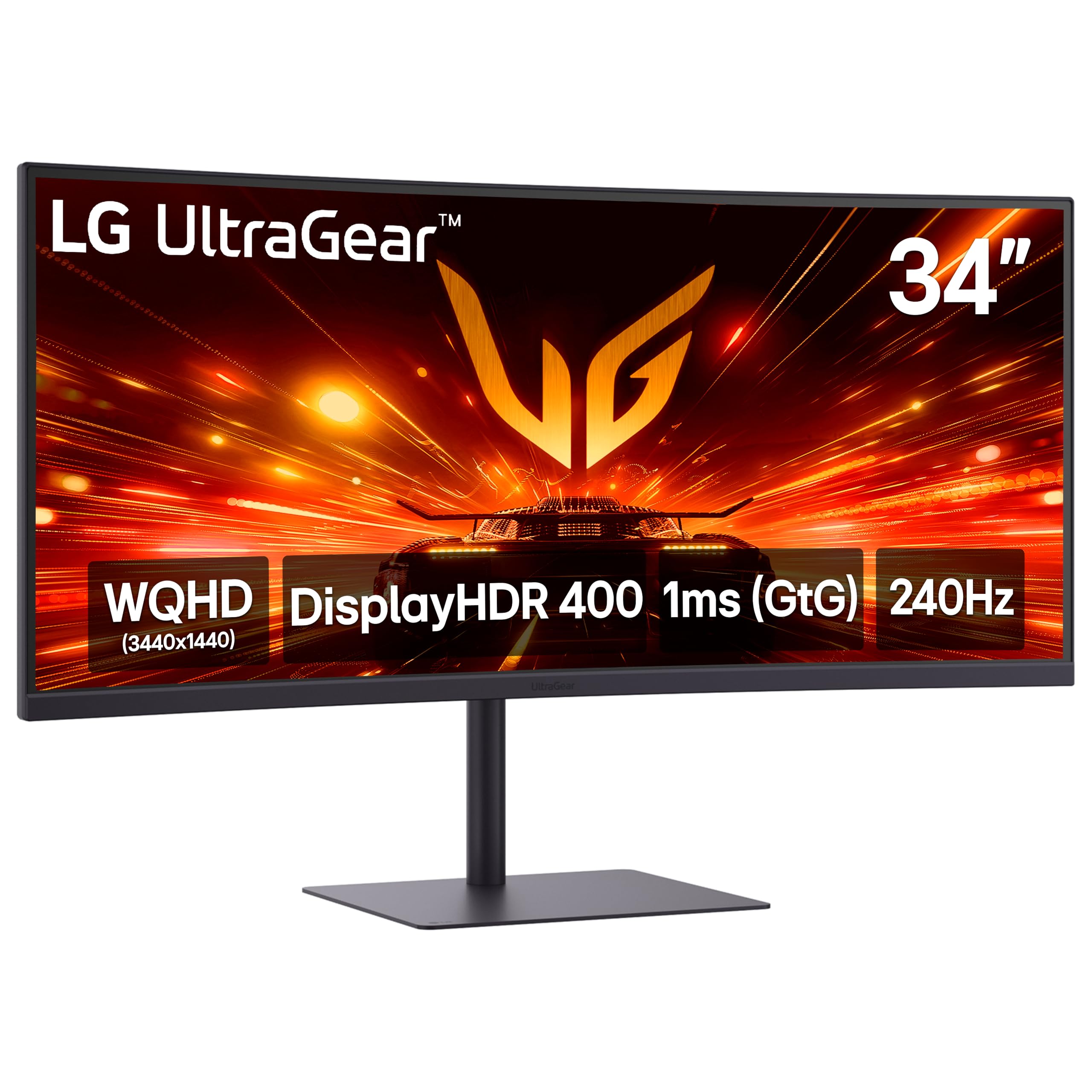
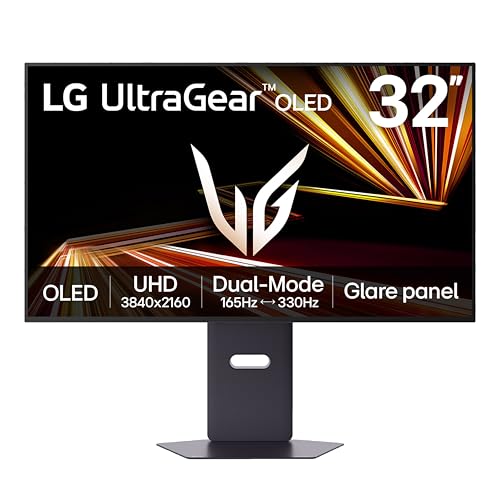
LG builds its own panels, and that control shows in consistent color and strong quality control across its gaming lines. Its OLED models are a benchmark for response time and contrast, and its IPS range covers affordable 1440p screens through to premium ultrawide displays. Warranty terms are generally fair, and firmware updates arrive regularly. The trade off is price: LG rarely wins on cost alone, and some models skimp on stand quality at the lower end.
Samsung
Samsung leans into bold ideas, from very curved ultrawide screens to bright Mini LED panels with strong HDR. If you want a big, immersive display for story driven games, this company is hard to ignore. Its panel technology is excellent, and availability is wide. Downsides include menus that can feel cluttered and quality that varies more between series, so read the details of the exact model. Support is large and established, though repair experiences differ by region.
ASUS
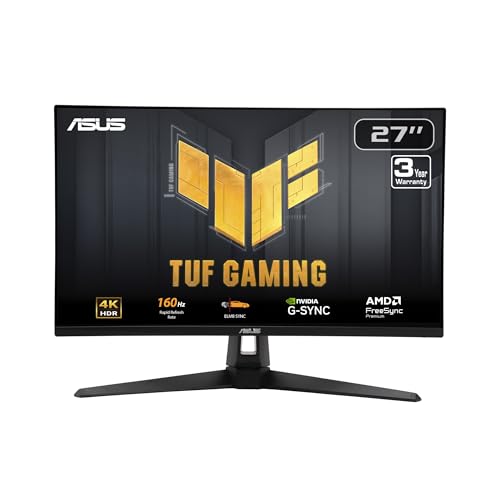
ASUS targets serious players with high refresh rates, esports focused features, and some of the fastest panels you can buy. Its range is deep, covering small competitive screens and large 4K displays. Build quality is usually strong, and gaming features like crosshair overlays and shadow boosting are well developed. Prices sit at the premium end, and the sheer number of similar models can confuse first time buyers. Warranty coverage is competitive, with responsive support in the US.
MSI
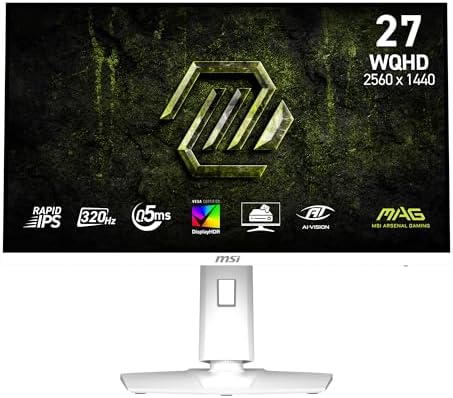
MSI built its name with PC components and brings that audience a monitor range strong on value. You often get higher refresh rates and better panels per dollar than from the biggest names, especially in 1440p. Recent OLED models have raised its profile further. The compromises tend to be cosmetic: plainer designs, simpler stands, and software that feels less polished. For budget minded shoppers comparing the best affordable gaming monitors, MSI is a company worth a close look.
Acer
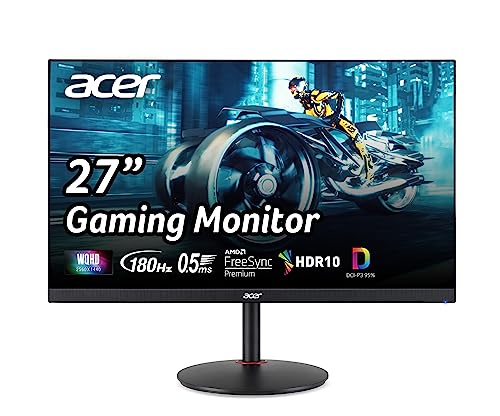
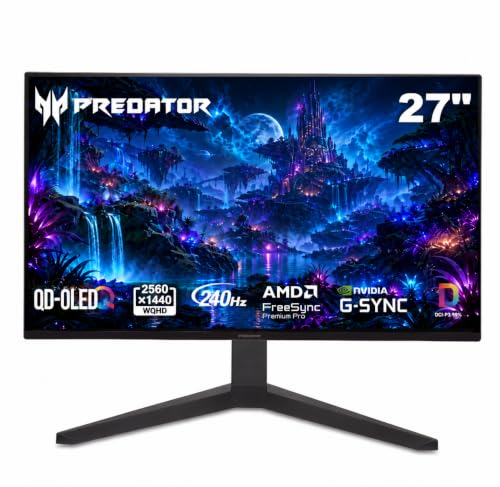
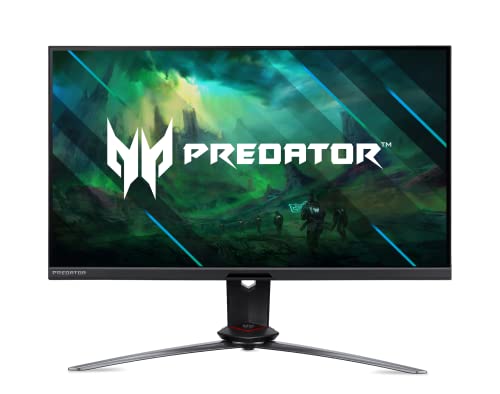
Acer offers one of the broadest ranges in gaming displays, from low cost 1080p screens to high end Predator models with fast refresh and strong HDR. That spread makes it easy to find a screen that fits a tight budget or a new build. Quality is generally solid for the price, and US support is well established. The naming scheme is confusing, and feature sets vary a lot between series, so check each spec sheet carefully before you buy.
How to Choose Between Brands
Here is the honest rule: the exact model matters more than the logo on the bezel. Every company on this page has released a great screen and a mediocre one. Use brand reputation to build a shortlist, then judge each model on panel type, refresh rate, ports, and the warranty written in its own listing.
One more practical check: visit the support page for the exact model before you buy. A company that posts current firmware, a clear manual, and a stated dead pixel policy is easier to deal with later. If that page is empty or the model is hard to find, treat it as a warning sign and favor a rival with better documentation.
Read owner feedback for patterns rather than single complaints, especially around dead pixels, coil whine, and firmware bugs. Check return terms before you order, since returning a large screen is a hassle. If you also need a display for work, our guide to the best company for monitors covers general use brands in more depth.
Frequently Asked Questions
What size should I get for my room or desk?
Most players are happiest with 27 inches at 1440p, because it looks sharp at a normal desk distance and leaves room for speakers or a second screen. Go 32 inches if you sit farther back or play on console from a chair. Measure your desk depth first: a screen you sit too close to will strain your neck during long sessions.
Is 4K worth it?
4K is worth it if your graphics card can hold smooth frame rates at that resolution or you also watch a lot of 4K video. On consoles, 4K at 120 Hz gives a sharp, fluid picture for supported games. If your hardware is mid range, 1440p usually delivers better frame rates for less money. Shoppers set on resolution can explore the best 4k monitors gaming guide for model level advice.
How long do gaming monitors last?
A quality gaming monitor typically lasts five to eight years. The panel itself rarely fails first; backlights dim slowly and ports age as standards change. OLED owners should use pixel refresh tools and vary content to limit burn in risk. Buying from a company with a three year warranty and available parts gives your screen the best chance of a long life.
Which refresh rate should I choose?
Pick the rate your graphics card or console can actually hold. A 144 Hz screen suits most PC players, 240 Hz or more only pays off in fast competitive games with a strong system, and 120 Hz is the ceiling for current consoles. A modest step up from 60 Hz is one of the most noticeable upgrades, even for desktop use.
IPS vs OLED: which is better?
OLED wins on contrast, response time, and HDR impact, so games look stunning in a dim room. IPS wins on price, brightness in sunny rooms, and freedom from burn in worries when static toolbars sit on screen all day. Choose OLED for pure gaming sessions and IPS for a mixed work and play desk. Both are mature, proven technologies from major brands.
Final Thoughts
There is no single winner for every desk. LG and Samsung lead on panel innovation, ASUS pushes speed, and MSI and Acer fight hard on value. Decide your resolution and refresh rate first, then pick the company whose warranty and support you trust. The best company for gaming monitors for you is the one whose exact model fits your games, your room, and your budget, so compare the product table at the top of the page before you order.