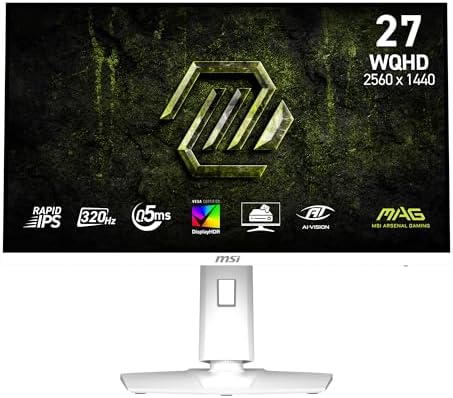
Best Company for Computer Monitors for 2026: An Honest Comparison
Disclosure: We may earn a commission when you buy through links on this page, at no extra cost to you. As an Amazon Associate I earn from qualifying purchases. Learn more
Compare the best company for computer monitors side by side: who leads on quality, who offers the best value, and which brand fits your needs and budget.
Monitor brands quote similar numbers for size, resolution, and refresh rate, yet panel quality, warranty handling, and stand design separate a satisfying desk from a frustrating one. Choosing the right company matters because you will look at this screen for years. This guide compares the best company for computer monitors by use case, so you can match a brand to office work, creative tasks, or gaming before you pick a size.
Start with your main workload. Text and spreadsheets reward sharp resolution and good ergonomics, video work rewards color accuracy, and gaming rewards refresh rate and adaptive sync. The product table at the top of the page shows current models side by side, and the brand profiles after it explain which companies serve each need well and where each one cuts corners to reach its price.


What Makes a Great Monitor Brand?
A great monitor brand starts with panel consistency. Screens from one model line should show even brightness, minimal backlight bleed, and accurate color out of the box, not just in a showroom sample. Next comes warranty quality. Look for at least three years of coverage, a clear dead pixel policy, and advance replacement or easy shipping in the United States. A cheap monitor with a poor warranty can cost more than a better brand after one failure.
Support and design complete the picture. Strong brands publish full specifications, including brightness, contrast, color gamut, and port versions, and they supply sturdy stands plus standard VESA mounts. Firmware updates and clear manuals matter for USB C docking models. Also check how the brand handles its range, because a company with focused office, creator, and gaming lines usually tunes each line better than one selling the same panel under many names.
Connectivity and Ports
Ports decide how clean your desk stays. DisplayPort suits high refresh gaming, HDMI serves consoles and laptops, and USB C with power delivery lets one cable carry video and charge a laptop at once. A built in USB hub helps keyboards and webcams stay connected when you swap computers. Before buying, count your devices and confirm the port versions, because older HDMI limits can cap refresh rate at higher resolutions even when the panel itself can go faster.
Panel Technology (IPS, VA, OLED, Mini LED)
IPS panels offer wide viewing angles and reliable color, which suits office and creative work. VA panels deliver deeper contrast for movies and dark games but can smear fast motion. OLED gives perfect blacks and instant response, with a risk of burn in from static toolbars over long years. Mini LED backlights raise brightness and HDR impact on LCD panels. Match the panel to your room light and content, not just to the most impressive specification.
Stand, Mounting, and Ergonomics
A good stand adjusts for height, tilt, swivel, and pivot, so the top of the screen sits near eye level and you avoid neck strain during long sessions. If the stand feels limited, confirm the VESA pattern, usually 100 by 100 mm, so a monitor arm can replace it. Weight capacity matters for large screens. Small desks benefit from shallow stand feet or an arm, while shared desks benefit from quick height adjustment that family members can change without tools.
Top Brands at a Glance
The product table above sets out current prices and headline specifications. The profiles below explain ownership strengths and weaknesses behind those numbers. Prices range from under $150 for basic office screens to over $1000 for large OLED and creator models. Gamers comparing brands should also read our guide to the best computer monitors for gaming for refresh rate and response details that brand summaries cannot cover.
Dell
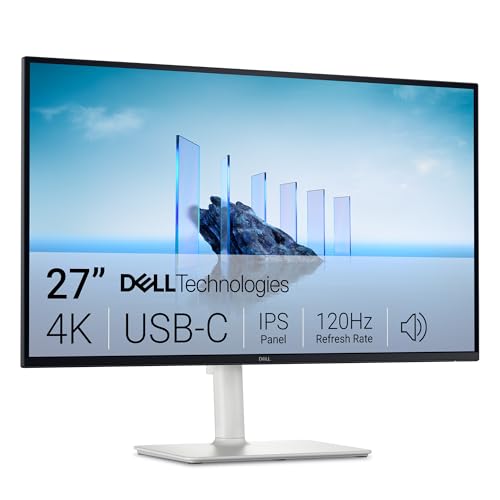
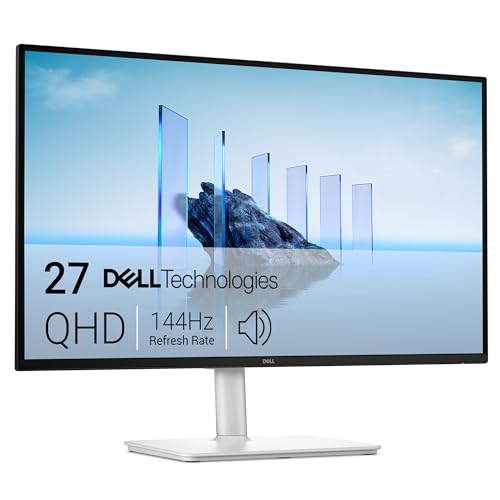
Dell is the safe office and all purpose choice, with consistent panels, excellent stands, strong warranties, and business support that home buyers also benefit from. Its creator lines offer accurate color and USB C docking that simplifies laptop desks. The weakness is plain styling and prices that sit above no name rivals for similar headline specifications. Dell suits professionals, students, and home offices that value reliability and ergonomics over flash. Its premium panel guarantee on many models reduces worry about bright or dead pixels.
LG
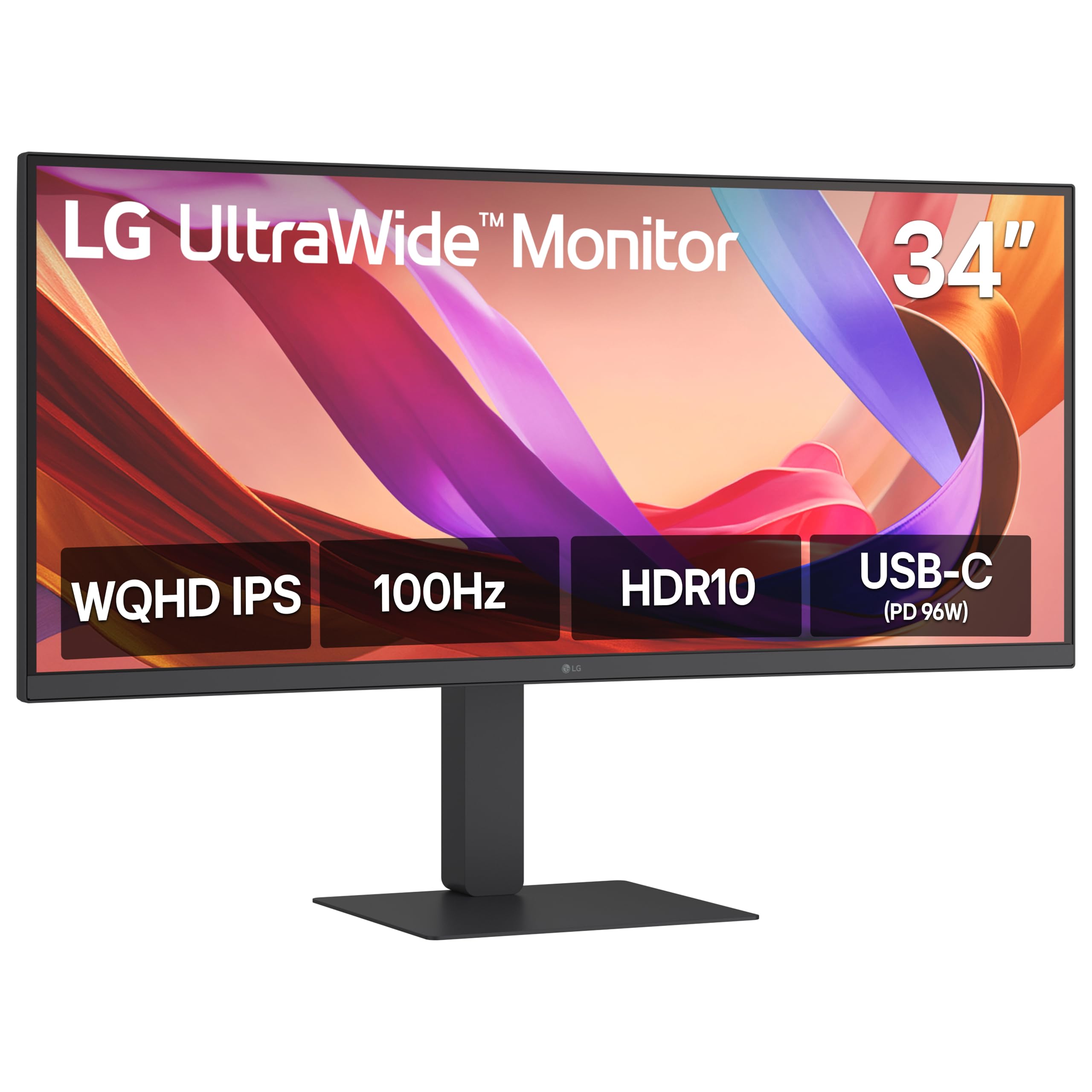
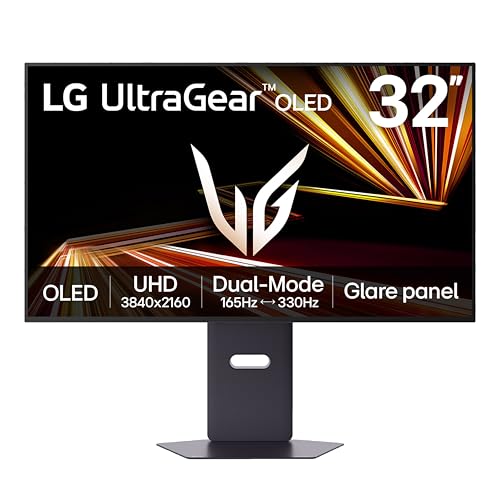
LG leads on panel innovation, supplying strong IPS displays, popular ultrawide formats, and early OLED gaming models with fast response. Color quality and viewing angles stay high across its range. Some models ship with basic stands that push you toward a monitor arm, and menus can feel fussy. LG fits creators who need wide screens, gamers who want OLED contrast, and laptop users who like USB C connectivity. If appearance matters as much as performance, our guide to the best looking computer monitors covers slim bezel and desk friendly designs.
Samsung
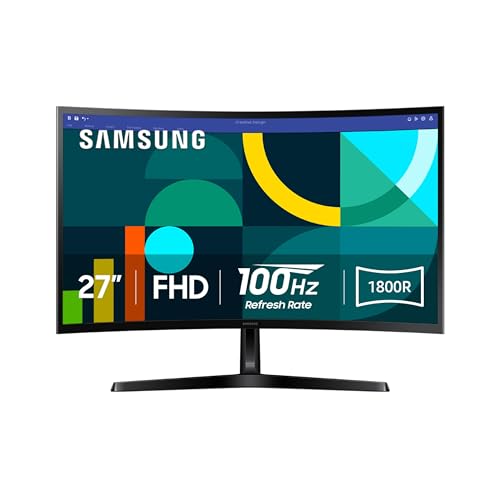
Samsung stands out for curved VA panels, striking contrast, and bold designs that suit movies and immersive games. Its smart monitor lines add streaming apps and remote work tools without a computer attached. The trade offs are viewing angles that shift off center and text clarity that some curved models handle less well for office work. Samsung suits entertainment focused desks and console players. Shoppers who also care about TV style screens can see our overview of the best company for monitors across TV and desk displays.
ASUS
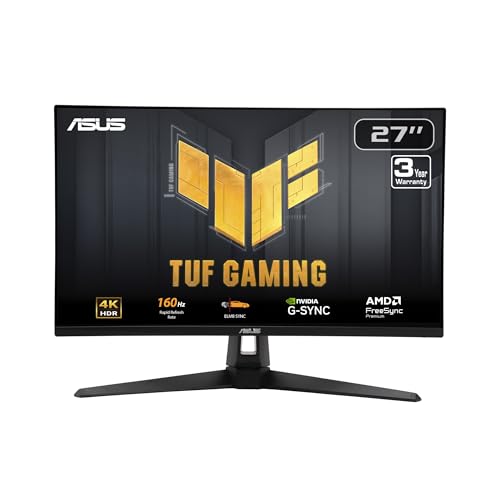
ASUS serves gamers and creators with high refresh models, strong adaptive sync support, and pro oriented lines with factory calibration. Features such as multiple HDMI 2.1 ports help console and PC players share one screen. Prices rise quickly on flagship models, and the sheer number of similar models can confuse first time buyers. ASUS fits players who chase fast panels and users who need specific ports. Travelers and second screen shoppers may instead want our guide to the best portable computer monitors for light USB C options.
BenQ
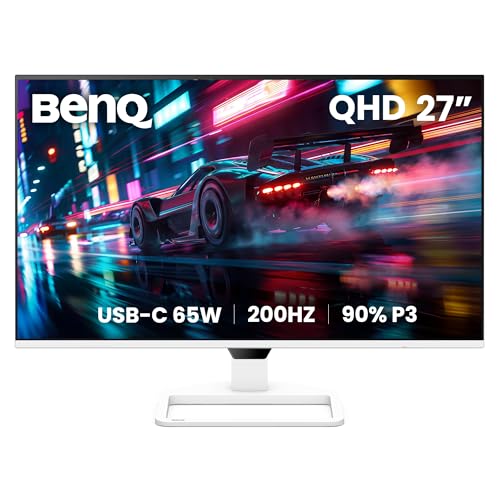
BenQ focuses on eye comfort, color accuracy, and thoughtful tools for photographers, designers, and readers. Features like low blue light modes, brightness sensors, and matte coatings reduce strain during long editing or study sessions. Gaming specifications on most lines stay moderate, so fast paced players should look at gaming brands first. BenQ suits creative professionals and office workers who sit before a screen all day and notice glare and flicker. Its monitor lights and accessories also integrate neatly with its displays.
How to Choose Between Brands
The exact model matters more than the logo. Two monitors from one brand can use different panels with very different contrast and color results. Read the panel type, brightness, and warranty for the specific size in your cart, and check the return policy so you can inspect backlight uniformity in your own room light. Keep the box until you finish that check, since panel variation is the most common reason for returns.
Then match brand strengths to your day. Choose Dell or BenQ for long office hours, LG or ASUS for gaming speed and modern panels, and Samsung for curved entertainment. Competitive players comparing across brands should finish with our guide to the best gaming monitors for input lag and sync guidance. Set your size and resolution first, then let brand decide warranty and ergonomics rather than chasing the longest feature list.
Frequently Asked Questions
Is 4K worth it?
On screens of 27 inches and larger, 4K makes text crisp and gives photo and video editors room to work, provided your computer can drive it smoothly. At 24 inches the gain shrinks, and a good 1440p screen may serve you better for the money. Remember that gaming at 4K demands a strong graphics card. A practical point is scaling, since you will likely enlarge text in your system settings to keep it comfortable.
Does refresh rate matter for non gamers?
Yes, though the benefit is comfort rather than competition. A 100 to 144 Hz screen makes scrolling, window dragging, and cursor movement feel smoother, which many office users appreciate during long days. It will not fix slow software or a weak computer. If your budget is tight, spend first on resolution, panel quality, and a height adjustable stand. Those upgrades help every task, while very high refresh rates mainly reward fast games.
IPS vs OLED: which is better?
IPS is better for bright rooms, static office content, and lower cost at larger sizes, with no burn in worry. OLED is better for movies and games in controlled light, thanks to perfect blacks and near instant response. Hybrid routines can enjoy OLED if you hide taskbars, vary content, and use screen savers. For a shared family or office screen that shows the same spreadsheet all day, IPS remains the safer long term choice.
How long do computer monitors last?
Most quality monitors last five to eight years, with backlight dimming arriving gradually rather than as a sudden failure. OLED models may show uneven wear sooner if static elements stay on screen for many hours daily. You can extend life by running moderate brightness, enabling sleep timers, and keeping vents clear of dust. When a monitor still works but feels dim, a bias light behind the screen can improve perceived contrast for evening use.
What size should I get for my room or desk?
A 24 inch screen suits small desks and close seating, 27 inches is the versatile middle for most home offices, and 32 inches or an ultrawide suits multitasking and entertainment when you sit farther back. Measure desk depth first, because a large screen placed too close forces constant head turning. Leave room for speakers and a keyboard tray. If two windows side by side define your work, one ultrawide can replace dual monitors and reduce cable clutter.
Final Thoughts
Choose by workload first and brand second. Dell and BenQ reward long workdays, LG and ASUS push panel performance, and Samsung owns curved entertainment. The best company for computer monitors for you is the one whose warranty, stand, and panel type fit your desk and your eyes. Compare your finalists in the product table above, verify the ports against your computer, and order from a seller with a fair panel return policy.