
Best Compact Digital Cameras for Travel in 2026: Buying Guide
Disclosure: We may earn a commission when you buy through links on this page, at no extra cost to you. As an Amazon Associate I earn from qualifying purchases. Learn more

Sensor first, zoom second, weight always: how to choose the best compact digital cameras for travel.
A travel camera earns its place in your bag only if you actually carry it, so the right choice starts with your trip, not with a spec sheet. Choosing among the best compact digital cameras for travel means weighing sensor size, zoom reach, weight and battery life against the way you move through a place. This guide walks through each of those factors in plain language, with no product reviews and no model names.
The comparison table below gives you a quick side by side view of the main classes. The sections after it explain what each figure means on the road, so you can match a camera class to your routes, your light and your luggage before you spend anything.

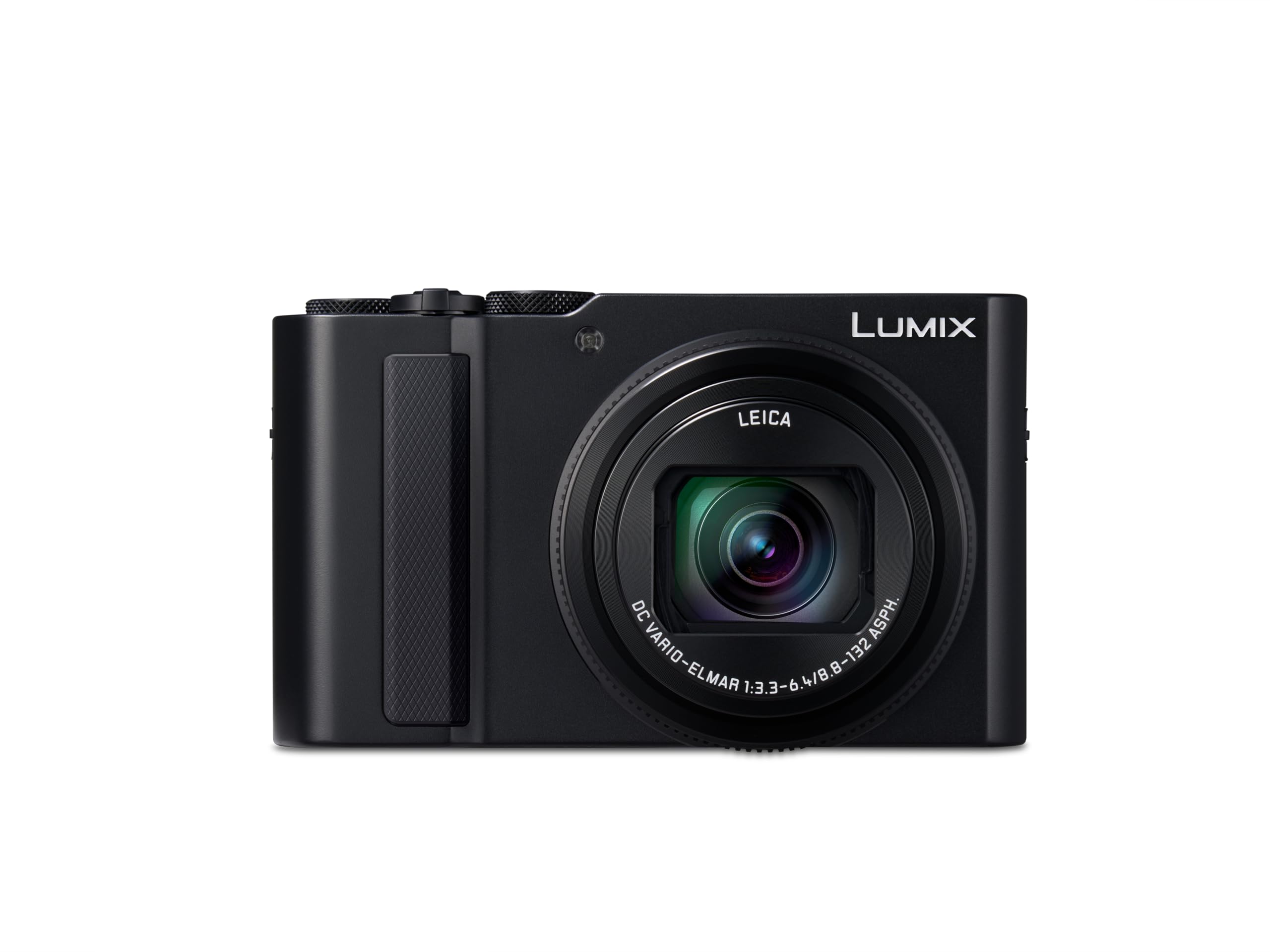


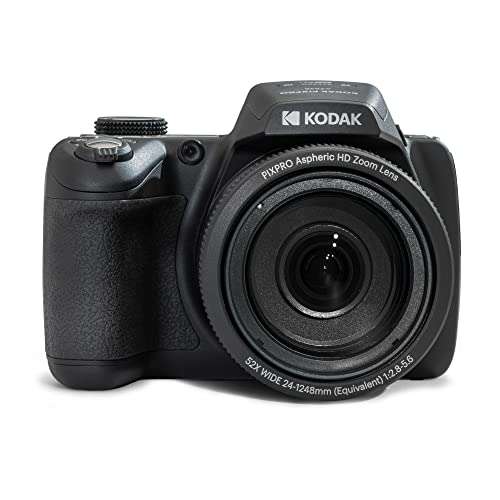

Which Traveler Is Buying the Camera?
City Break Walkers Who Shoot All Day
You cover museums, markets and old town streets on foot, and the camera lives in a jacket pocket or a small shoulder bag. Reach matters less than readiness, so a moderate zoom, fast startup and simple controls suit you best. You also shoot indoors often, where light is low and flash is unwelcome. A larger sensor class and a bright lens at the wide end will help you more than a long zoom range you rarely use.
Road Trippers Who Need Reach
Your trips mix viewpoints, wildlife at the edge of a park and details on far buildings. A longer optical zoom is your main tool, and you accept a slightly bigger body to get it. Battery life matters because you may go a full day between outlets. Look for a grip you can hold steady at full zoom, plus image stabilization, since camera shake grows with reach and quietly ruins distant shots.
Light Packers Who Count Every Gram
You travel with a cabin bag and a daypack, so the camera competes with clothing for space. The smallest class that still gives you a real zoom and a decent sensor is your target. You will charge from a power bank on trains and buses, so USB charging is worth more to you than a second card slot. A simple strap, a slim case and a spare battery complete the kit.
How to Choose: The Buying Guide
Sensor Size Decides Low Light Results
Start with the sensor, because it sets the ceiling for everything else. A bigger sensor collects more light per shot, so pictures taken at dawn, in a dim cafe or inside a station stay cleaner, with less grain and softer shadows. As a plain rule, the sensor class decides low light results more than the pixel count does. A modest pixel count on a larger sensor usually beats a huge pixel count squeezed onto a tiny one.
Makers quote resolution as a headline figure, but that number is measured under ideal conditions and says little about evening streets. Treat both the zoom figure and the resolution figure as ideal condition figures, useful for comparing classes and useless as promises. When two cameras cost about the same, put your money into the larger sensor first. You can crop a clean file a little, but you cannot add light that the sensor never gathered.
Zoom Reach, Read Honestly
Optical zoom is the lens moving, and it keeps full detail at every step. Digital zoom is cropping done inside the camera, and it throws detail away, so compare cameras on optical reach only. A range around 24 mm to 100 mm in equivalent terms covers streets, portraits and most sights. Longer ranges, up to about 200 mm or beyond, help with wildlife and far landmarks but add size and make steady holding harder.
If your trips lean toward scenery and people nearby, the wider family of best digital cameras for travel shows how travel shapes these choices across classes. Whatever range you pick, check the lens brightness at the long end, because many zoom lenses gather much less light when fully extended. A camera that is bright at wide angle can turn slow and grainy at full zoom on the same evening walk.
Weight, Packing and the Spare Battery
A travel camera is carried all day, so weight is not a footnote, it is a daily fact. A body around 200 to 300 grams disappears into a daypack, while one near 500 grams needs a deliberate decision every morning. Add the case, the charger and a spare battery to the scale before you judge, because the kit weight is what your shoulder feels by the third day of walking.
Pack a spare battery as a standard part of the purchase, not an extra. Cold mornings, long video clips and heavy screen use all drain a cell faster than the maker figure suggests, and that figure is also an ideal condition figure. If you are comparing the broader class of best compact cameras for travel, note that some drop the word digital but share the same packing logic. A camera that charges over USB can refill from the same power bank as your phone, which saves a second charger in the bag.
Handling, Controls and Photo Transfer
You will miss shots while you hunt through menus, so handling is a picture quality feature in practice. A clear auto mode, a control ring or dial you can turn by feel, and a screen you can read in bright sun all matter on the street. Beginners who want the camera to handle settings while they learn composition can look at the best compact digital cameras for beginners for that simpler control class.
Transfer is the other half of handling. Most travelers move pictures to a phone for sharing and backup, so check that the wireless transfer is simple and that the app does not demand a subscription for basic use. A cable in the bag is a fine backup plan. Backing up each evening to a phone or a small drive protects the trip better than any camera feature does.
Build, Weather and Real Battery Life
Travel is hard on small cameras: dust at a roadside stop, drizzle on a coastal path, a knock against a train door. A metal body and a lens that closes behind a cover survive trips better than a fragile extending design with no protection. Weather sealing is a class worth paying for if your trips run wet, but it is protection against splashes, not a licence to shoot in a downpour.
Quoted battery life counts shots under test conditions with the screen used sparingly. Real days with maps, playback and video land well below it. Read the product table above alongside this section: the class with the larger battery and USB charging usually serves a traveler better than the class with one more megapixel. Buy the spare battery with the camera, while you are thinking about it.
The Main Classes, Side by Side
The parent family of best compact digital cameras covers fixed lens cameras of every size, and travel picks a subset of them. The wider umbrella of best digital cameras also includes interchangeable lens bodies, which are a different purchase with lenses to carry. Within the travel subset, four classes cover most trips.
| Class | Sensor | Zoom reach | Best for | Typical price |
|---|---|---|---|---|
| Slim everyday compact | Small | Moderate | Pocket carry, city days | about $200 to $400 |
| Large sensor compact | Large | Short | Evenings, food, portraits | about $600 to $1,000 |
| Travel superzoom | Small | Long | Viewpoints, distant detail | about $300 to $600 |
| Tough travel compact | Small | Short | Beaches, rain, rough bags | about $300 to $500 |
Slim compacts win on carry and price and lose on evening light. Large sensor compacts trade zoom for clean files after dark. Superzooms trade sensor size for reach, and tough compacts trade both for sealing and shock resistance. None of these trades is a flaw; the mistake is buying the trade that does not match your trips.
What Your Money Buys at Each Level
Entry Level: Simple and Light
At about $200 to $350 you get a small sensor, a useful zoom and full auto shooting. These cameras beat a phone mainly on optical zoom and on having a battery of their own. They suit bright destinations and simple records of a trip. Expect slower focus in dim rooms and a screen that is hard to read at noon.
Middle Level: The Travel Sweet Spot
At about $350 to $700 the sensor grows, the lens brightens and stabilization improves. This is where most travelers should shop, because the gains are in the pictures you take most: evenings, interiors and moving subjects. USB charging and better screens appear here too. The step up from the entry level is visible in almost every frame.
Upper Level: Light Over Reach
At about $700 to $1,100 you are paying for the largest sensors in fixed lens bodies and for lenses that stay bright. Zoom ranges shrink at this level, which surprises many buyers. You are trading reach for file quality, and for travelers who print or crop, that trade can be right. If you need both reach and light, no compact gives you both, and that honesty should shape the budget.
Care Habits That Keep a Travel Camera Working
- Clean the lens with a soft cloth, not a shirt, because grit on fabric scratches coatings.
- Carry the spare battery in a small case so its contacts stay clean and dry.
- Store the camera in a padded pouch inside the bag, away from water bottles.
- Copy your pictures to a second place each evening, so a lost card is not a lost trip.
- Wipe the body after beach days, since salt and sand work into dials and seams.
Compact Digital Cameras for Travel: Questions Answered
Is a compact travel camera still worth it if a phone has a good camera?
Yes, when your trips ask for things a phone does poorly. A compact gives you true optical zoom, a grip shaped for shooting, and a battery that is not shared with maps and messages. It also keeps shooting when the phone battery is being saved for the way back. If your travel pictures are mostly daylight scenes near you, a phone may honestly be enough, and the money is better spent on the trip itself.
How much zoom does a travel camera really need?
Most travelers use the wide half of the zoom far more than the long end. Streets, rooms, markets and people all sit close, so a moderate range with a bright lens serves better than an extreme range with a dim one. Choose long reach only if your trips regularly include wildlife, sports or far landmarks. A useful test is to review your last trip on a phone and count how often you wished for more reach.
Does a compact travel camera need weather sealing?
Weather sealing is worth it if your trips run wet, dusty or cold, because those are the days when unsealed cameras stay in the bag. Sealing protects against splashes and dust, not immersion, so a sealed camera still needs a dry pouch in heavy rain. Travelers who shoot mostly in cities and dry seasons can skip the feature and put the money toward the sensor instead. Either way, a simple rain cover costs little and weighs almost nothing.
How many batteries should a traveler carry?
Two is the right number for most trips: one in the camera and one charged in the bag. A third makes sense for cold weather, long video days or multi day treks without outlets, since cold and video drain cells fastest. Rotate the batteries so both stay in regular use, and charge both the night before a travel day. Marking each battery with a small dot helps you track which one is spent.
Can a compact travel camera shoot good video?
Yes, for the short clips most travelers actually keep. The limits are heat on long recordings, wind noise on the built in microphone and shaky footage at full zoom. Short clips with the zoom set before you start recording look far better than long clips with constant zooming. If video is the main point of the trip, a compact still works, but plan around those limits instead of expecting a cinema tool.
The Bottom Line
Pick the sensor first, the zoom second and the weight always, and the rest of the decision gets simple. The best compact digital cameras for travel for you are the ones whose trade between light, reach and size matches your routes. Check your shortlist against the product table above, budget for the spare battery, and buy the class you will carry every day rather than the one with the longest spec sheet.

