Best Compact Snow Blowers in 2026: Types Compared and Buying Guide
Disclosure: We may earn a commission when you buy through links on this page, at no extra cost to you. As an Amazon Associate I earn from qualifying purchases. Learn more
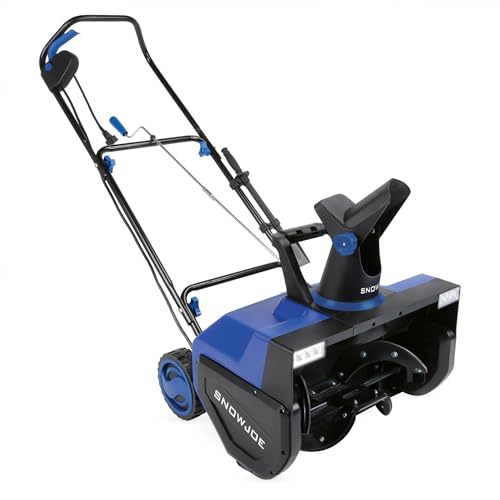
Best compact snow blower guide: compare corded, cordless and small gas types by clearing width, intake height, weight and storage.
A compact snow blower earns its place when your driveway is short, your garage is tight, and you still want clearing done before work. The best compact snow blower for your home matches your snowfall, your surface, and the storage space you can give up all winter. This guide compares types by clearing width, power source, and build materials, and the comparison table below sums up the main differences.
Instead of reviewing named models, this article compares the three compact types you will shop among, then walks through sizing, features, care, and budgets. You will also see where a compact machine stops being enough, so you can size up rather than buying twice.

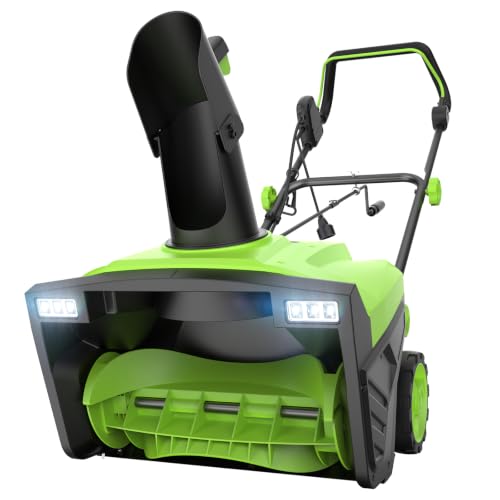
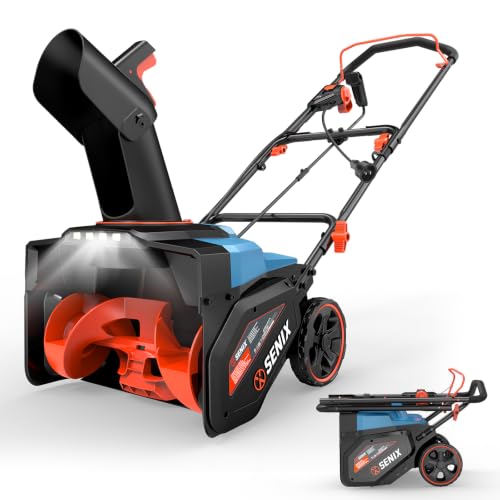
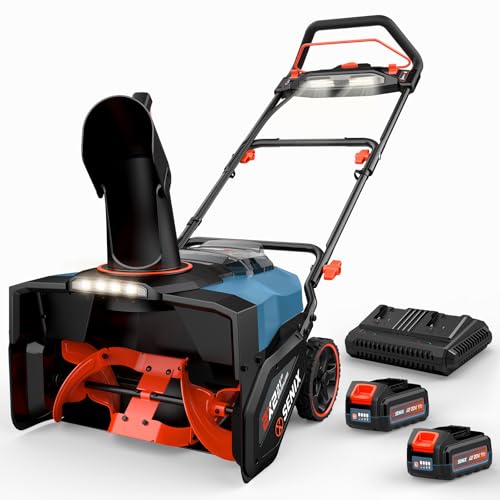
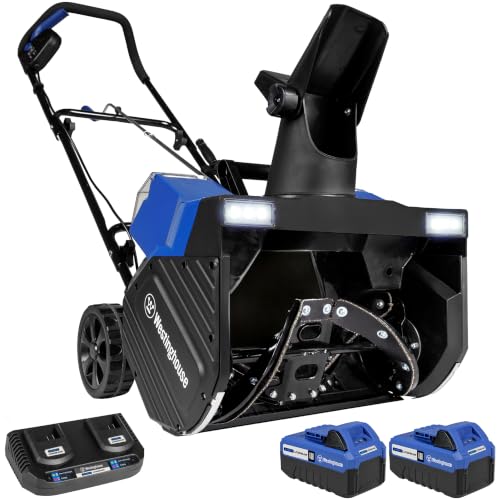
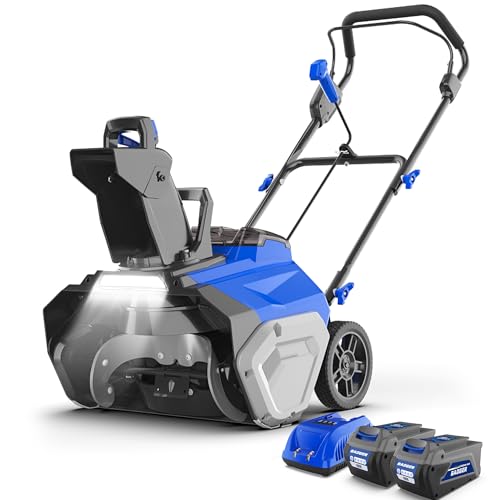
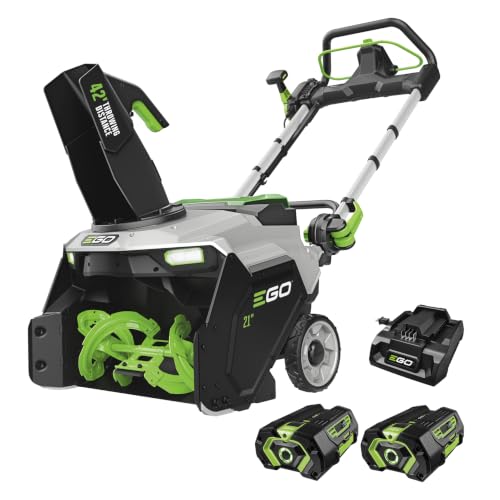

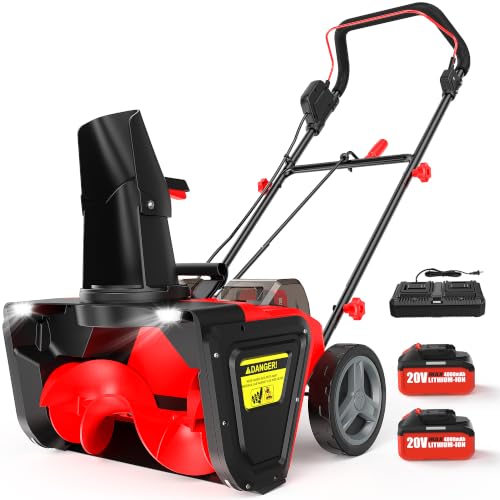
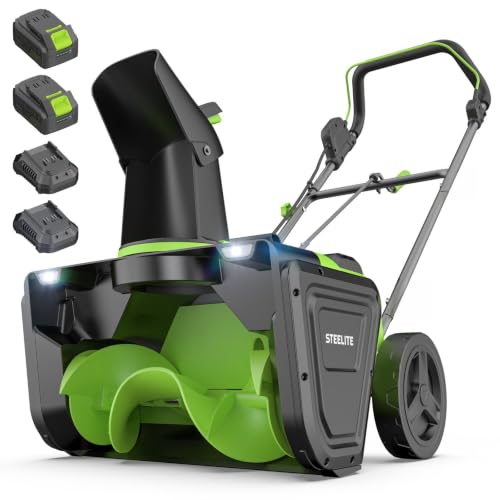
Compact Types at a Glance
Compact machines come in three broad types. Corded electric models are the lightest and cheapest, and they clear well as long as an outdoor outlet sits within cord reach. Battery powered single stage models cut the cord and store easily, and their clearing power depends on battery size. Small gas single stage models run without limits on time, but they ask for fuel care.
All three types share the compact promise. They clear a path about 18 to 24 inches wide, weigh far less than full size two stage machines, and most have handles that fold so the unit can stand in a garage corner.
Compact Types Compared
Corded electric models
A corded electric compact snow thrower starts the moment you press the switch, and it needs almost no upkeep beyond cleaning and dry storage. It suits short driveways, walkways, and decks where an outlet is close and the cord can stay clear of the clearing path. Deep or wet snow slows the pace and asks for narrower passes. If a cord suits your layout, see our guide to the best electric snow blower for a fuller look at this class.
Battery powered single stage models
Battery models give you cord free movement and quick starts, and they store without fuel smells in a small garage or closet. A larger battery clears more area per charge and holds power better in wet snow, while a small battery suits short sessions. Many share batteries with other yard tools from the same platform, which lowers total cost if you already own that platform. To compare kits, see our guide to the best battery snow blower.
Small gas single stage models
A small gas single stage unit brings steady power for longer driveways and heavier snow, and it refuels in minutes when a storm runs long. The trade off is upkeep. You manage fuel, oil, and a spark plug, and it is the loudest and heaviest of the three types. Its paddles pull the machine forward as they clear. Choose it when storms often drop deep snow and outlets or batteries feel limiting.
How to Evaluate Compact Snow Blowers
Judge each candidate on the same short list. Look at build materials and weather resistance first, then clearing size and capacity, then how much assembly the unit needs out of the box. After that, weigh durability signs such as paddle and scraper quality, and read the warranty terms. Spec sheets and verified buyer reports tell you more about these points than award labels ever will.
Who Should Buy a Compact Model
The best compact snow blower fits when space, surface size, and snow depth all stay modest. Three groups get the most from this class.
Owners of short driveways with tight storage
If your driveway holds one or two cars and your garage already stores bikes, bins, and tools, a compact unit clears your space without taking a full parking spot of its own. A folding handle and a light frame let you roll it into a corner or lift it onto a low shelf. Battery and corded types fit this group best, since they start fast and store clean indoors.
Townhouse and condo owners
Shared walls and small patios leave little room for a wide machine, and many associations limit where you can store fuel. A compact battery or corded model clears your walk, your parking pad, and the sidewalk by your door, then goes back into a closet or a small deck box. Quiet running also matters early in the morning when neighbors sleep close by.
Deck and walkway focused users
Some homes need decks, steps, and paths cleared more than the driveway itself. A light compact model is easier to carry up a few steps and guide along narrow boards than a heavy two stage unit. Electric types shine here, since they start at once and stop when you release the handle. Check that the paddle housing will not scratch your deck surface.
How to Choose the Right Snow Blower
Clearing width and intake height
Clearing width decides how many passes your driveway takes, while intake height decides how deep a snowfall you can clear in one pass. Compact single stage models most often clear 18 to 21 inches wide with an intake about 10 to 13 inches tall, and wider compact units reach about 24 inches. Match the intake to your typical storm, not your record storm. Deeper snow still clears, but you will knock down the top layer first and take a second pass.
Power source and stage type
Stage type describes how snow moves through the machine. A single stage auger collects snow and throws it in one motion, and the paddles touch the ground, so the path clears down close to the pavement. A two stage design adds an impeller for longer throws and works better in deep snow, but it is larger and heavier. Our breakdown of single stage vs two stage snow blower designs explains the trade offs in depth.
Features worth paying for
A few features repay their cost on a compact machine. A chute that rotates from the handle saves trips around the unit in wind. A headlight helps on dark mornings before work. Push button electric start matters on gas models in deep cold, when a pull cord gets stiff. Heated grips and power steering belong mostly to larger machines, so spend first on chute control, a solid light, and an easy start.
Weather resistant materials
A compact blower lives in cold, wet work, so materials matter. Steel chutes shrug off ice chunks but weigh more, while polymer chutes resist rust and stay light, though they can crack if the machine falls on concrete. Sealed switches and covered battery ports keep melt water out of the electrics. Look for rubber paddles with clear wear edges and a housing finish that resists road salt.
Size for your space
Measure two things before you buy. First, measure the narrowest gate, door, and path the machine must pass through, and compare that with the clearing width plus the handle width. Second, measure the floor space you can give the machine all year, and check the folded size in the spec sheet against it. Weight matters too if steps sit between storage and the driveway.
Assembly and setup
Most compact models arrive partly assembled. Expect to unfold or attach the handle, fit the chute and its control rod or cable, and add oil on gas models before the first start. Plan about 20 to 40 minutes and keep the manual nearby for routing details. Do a dry run before the first storm, and practice chute turns while the ground is bare, so the first real clearing feels routine.
How much should you spend?
Budgets sort neatly by power source. Under about $300 you find corded models and battery models sold without a battery, both aimed at light snow and small areas. From about $300 to $500, full battery kits and stronger corded units add clearing width and comfort features. From about $500 to $1000, premium battery models and small gas units bring more power and longer run time. Spending over $1000 usually moves you out of the compact class.
Compact vs Other Snow Blowers: Pros and Cons
The gains are clear. A compact machine costs less, stores in a fraction of the space, starts with less fuss, and is light enough for most adults to guide and lift. For homes with modest snowfall and short paved surfaces, it clears everything a bigger unit would, only a bit more slowly.
The limits are just as clear. Intake height caps how deep a storm you can clear in one pass, throw distance falls short of large two stage machines, and ground touching paddles can pick up loose gravel. If your driveway is long, steep, or gravel, or your area often sees snow well over a foot, step up in size. For a broader look at every size class, start with our guide to the best snow blower.
Care and Off Season Storage
After each use, run the machine briefly to clear packed snow from the housing, then brush off the chute, paddles, and controls before you store it. Keep the unit under cover and off damp concrete, on a mat or a low shelf. Battery models store best with the battery indoors and partly charged, away from deep cold.
At the end of the season, clean the scraper bar and paddles, check them for wear, and touch up chipped paint on steel parts so rust cannot start. Gas models need fuel care before storage, as the manual directs. The full routine in our guide on how to winterize a snow blower walks through fuel, oil, and cover choices step by step.
Common Mistakes to Avoid
- Buying by clearing width alone, then finding the intake too short for your usual storm depth.
- Running a paddle model fast over loose gravel, which throws stones and wears the paddles.
- Letting a cord trail through the clearing path, where the auger can reach it.
- Storing a battery model all summer with a fully drained battery, which shortens battery life.
- Skipping the practice run, so chute controls feel new during the first storm.
- Forcing deep wet snow at full width, which clogs the chute, instead of taking half width passes.
FAQ
What is the best compact snow blower?
There is no single winner for every home. The strongest choice matches your power source to your area size, your intake height to your usual storm depth, and the folded size to your storage spot. Corded models win on price and weight, battery models win on freedom of movement, and small gas models win on run time.
Are compact snow blowers worth it?
Yes, when your clearing area is small and your snowfall is mostly light to moderate. A compact unit replaces shoveling strain on your back and shoulders, and it clears a short driveway in a fraction of the time. It is not worth it if most of your snow falls in deep storms or your driveway is long and steep.
How long does a compact snow blower last?
With basic care, many compact models serve about 8 to 12 winters of home use. Paddles and scraper bars are wear parts and may need replacing a few times in that span, and batteries lose capacity slowly year by year. Brushing off road salt after storms near the curb does more for lifespan than any cover or additive.
How do you clean a compact snow blower?
Always stop the machine and remove the battery, cord, or spark plug wire before cleaning, so the auger cannot start. Use a wooden stick or the clean out tool, never your hand, to clear a clogged chute. Brush snow off the housing and controls, wipe the unit dry, and check the paddle edges for packed ice.
What is the most reliable snow blower brand?
No single brand earns that title for every buyer, because reliability tracks more with upkeep, parts access, and local service than with the badge alone. Brands with wide dealer networks make worn paddles, belts, and shear pins easy to replace. Our toro vs ariens snow blower comparison shows how two large makers differ on build and support.
Final Thoughts
A compact machine is the right tool when your space is tight, your driveway is short, and your storms are mostly moderate. Choose the power source first, size the intake to your usual snowfall, and confirm the folded unit fits your storage spot. The product table above pulls the key specs together. When you settle on the best compact snow blower for your home, you trade winter shoveling for a quick, calm routine before the day starts.