
Best Compact Generators Buying Guide 2026
Disclosure: We may earn a commission when you buy through links on this page, at no extra cost to you. As an Amazon Associate I earn from qualifying purchases. Learn more
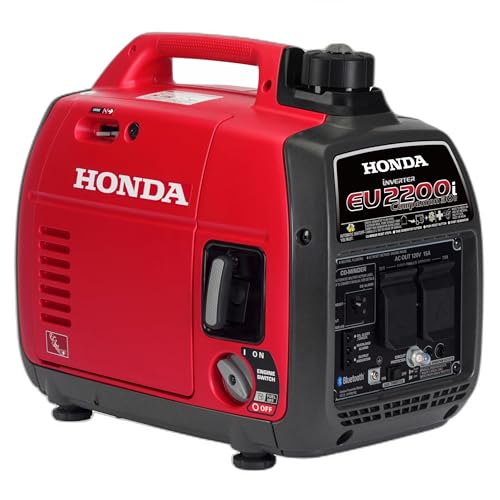
The best compact generators match your real power needs with low noise and light weight; here is how to size, compare and run one safely.
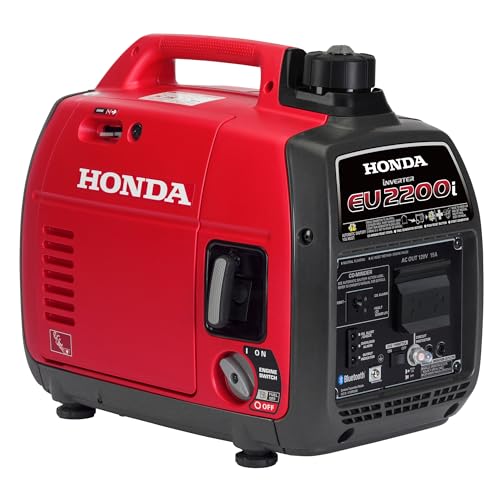
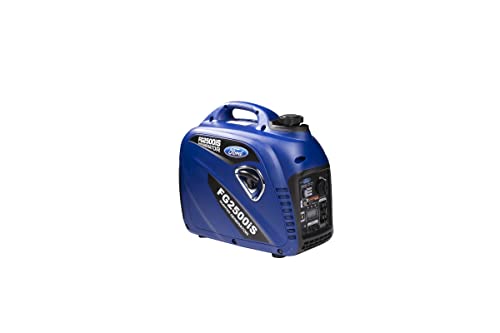
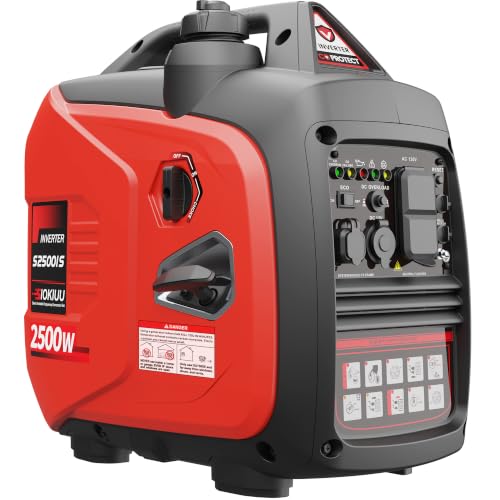
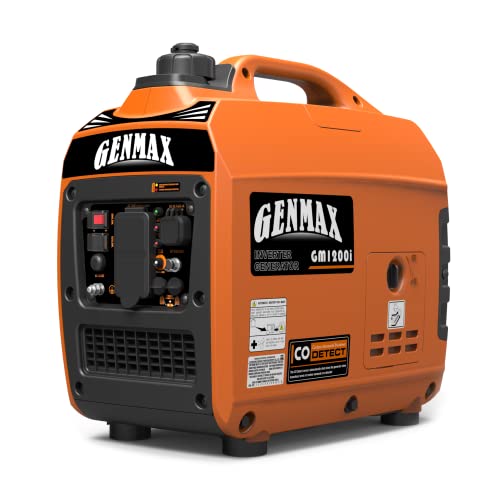
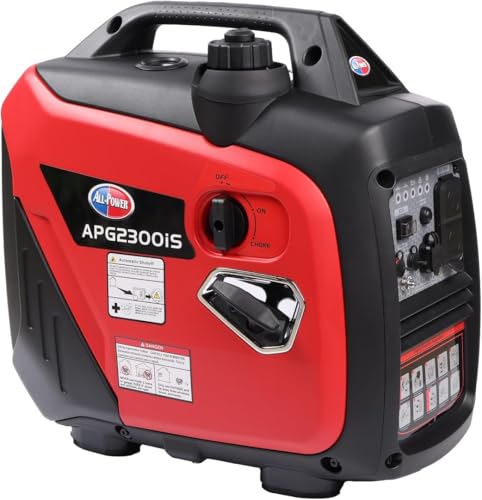
A compact generator should be light enough to carry, quiet enough for a campsite or backyard, and strong enough to keep the essentials running when the grid goes down. The best compact generators cover that middle ground: roughly the size of a small suitcase, with enough output for a refrigerator, phone chargers, lights, and a few small tools. The product table lists current models to compare, and this guide explains how to judge them for your own needs.
Two decisions shape everything else. First, decide whether you need an inverter generator, which produces cleaner power for electronics and runs more quietly, or a simpler conventional unit. Second, add up what you actually need to power. A generator that is too small will trip or stall, and one that is far too large wastes fuel and weight.




Who Needs a Compact Generator
Home Backup for Short Outages
A compact unit can keep a refrigerator, a few lights, a router, and phone chargers running through a storm outage. It will not run a whole house or central air conditioning, so list the handful of items that matter most and size around those.
Camping, RVs, and Tailgating
For recreation, low weight, low noise, and easy starting matter most. Quiet running keeps you on good terms with neighbors at the campground, and a handle you can carry with one hand makes loading simple.
Job Sites and Small Tools
Contractors and hobbyists use compact generators for corded drills, saws, and work lights where there is no outlet. Check the starting watts of motor driven tools, because they draw a surge when they start.
Features That Matter Most
Running Watts and Starting Watts
Every generator lists a continuous running output and a higher short term starting output. Add up the running watts of everything you want to power at once, then check the starting surge of motors such as refrigerators and power tools. Leave a margin so the generator is not running at its limit all day.
Inverter or Conventional
Inverter generators produce stable power that is safe for laptops, phones, and sensitive electronics, and they usually run quieter and burn less fuel at light loads because the engine speed adjusts. Conventional models cost less per watt but run louder and produce less refined power. For a compact unit that will charge electronics, an inverter model is the better choice.
Fuel Type and Run Time
Most compact generators run on gasoline, and some accept propane as well. Gasoline is easy to find but degrades in storage, so use a stabilizer if the unit sits unused. Compare the rated run time at a given load, and remember that real run time falls as the load rises.
Noise and Weight
Compare the stated noise level in decibels, and remember that every few decibels is a noticeable change. Weight decides whether one person can lift the unit into a trunk, so check the figure on the listing rather than guessing from the size.
Outlets, Parallel Capability, and Safety Features
Look for covered outlets, overload protection, and a low oil shutoff that protects the engine. Some compact inverter models can link to a second unit for more output, which gives you the option to start small and add later.
Safety Rules That Apply to Every Generator
- Run a generator outdoors only, on level ground, well away from doors, windows, and vents, because exhaust contains carbon monoxide.
- Never run one in a garage, basement, or enclosed porch, even with the door open.
- Use a battery powered carbon monoxide alarm inside your home during an outage.
- Let the engine cool before refueling, and store fuel in approved containers away from living spaces.
- Never plug a generator into a wall outlet. For home hookups, have a qualified electrician install a proper transfer switch or interlock.
Care and Storage
Change the oil on the schedule in the manual, keep the air filter clean, and run the unit under a light load for a few minutes every month so the fuel system stays healthy. For long storage, follow the maker's instructions for fuel stabilizer or draining the carburetor. Keep the generator covered and dry, and keep the vents clear of dust and debris.
Budget and Value
Compact generators range from affordable no frills inverter models to premium brand units that cost several times more. The higher priced models typically offer quieter running, longer service life, and stronger support, while budget units cover the basics for occasional use. If you will rely on the unit for regular outages or frequent camping, spend toward the middle or upper range. For occasional use, a simpler model is usually enough.
Related reading: our guides to the best backup generators and the best emergency generator cover larger units for home use, and the best automatic generators guide explains standby systems that start on their own.
Frequently Asked Questions
What size compact generator do I need?
Add up the running watts of the devices you want to power at once and check the starting watts of any motors. Choose a generator whose running output covers that total with some margin. A refrigerator, a few lights, and phone chargers need far less than a window air conditioner.
Are inverter generators worth the extra cost?
For electronics and quiet operation, yes. Inverter generators produce cleaner power and tend to run quieter and use less fuel at light loads. If you only need to run a basic work light or a simple tool, a conventional model can be enough.
Can I run a compact generator indoors if I open a window?
No. Generators produce carbon monoxide, which can build up quickly even in ventilated spaces. Always run them outside, well away from your home, and use a battery powered carbon monoxide alarm indoors.
How often should I run a generator that is stored?
Many makers suggest starting it and running it under a light load briefly every month or so, and following the manual's advice on fuel stabilizer for long storage. Regular exercise helps keep the fuel system from gumming up.
What is the difference between running watts and starting watts?
Running watts are the continuous power the generator can supply, and starting watts are the brief extra surge it can provide for motors starting up. Appliances with motors, such as refrigerators and power tools, need that surge when they turn on.
Final Thoughts
Size the generator to your real loads, favor an inverter model if you will power electronics, and respect the outdoor only safety rules every time you run it. Compare the product table with your wattage list in hand. The best compact generators are the ones that fit your outage needs or camping plans without being heavier, louder, or thirstier than necessary.


