
Best Battery Snow Blower for 2026: A Complete Buying Guide
Disclosure: We may earn a commission when you buy through links on this page, at no extra cost to you. As an Amazon Associate I earn from qualifying purchases. Learn more
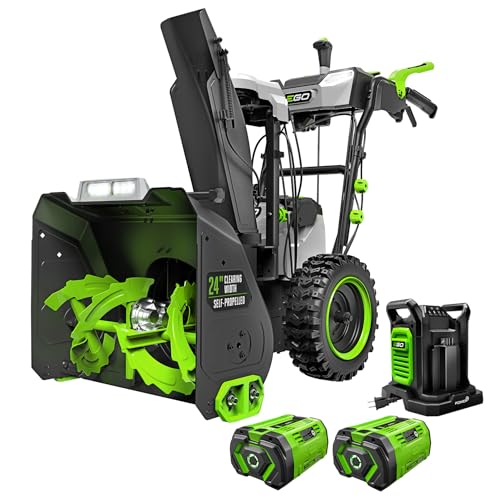
Match width, stage type and battery capacity to your driveway and snowfall to choose the best battery snow blower for your home.
Choosing a battery model sounds simple until you compare clearing width, battery voltage, and how each machine handles wet snow at the end of a driveway. A unit that feels perfect on a short paved drive can run out of charge or power on a longer one. This guide helps you find the best battery snow blower for your home by matching size, stage type, and battery capacity to your actual snowfall and space.
You will learn how materials and weather resistance affect durability, what assembly really involves, and which extra features are worth paying for. Start with the three buying profiles below, then use the product table to check clearing width, intake height, and battery details side by side before you decide.
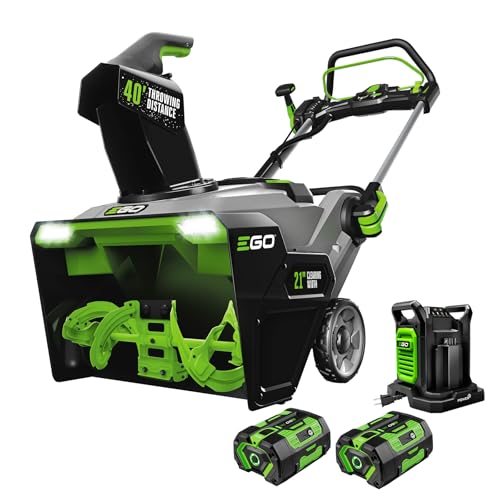
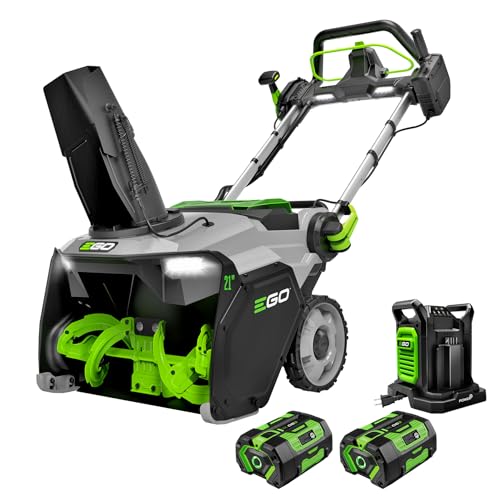
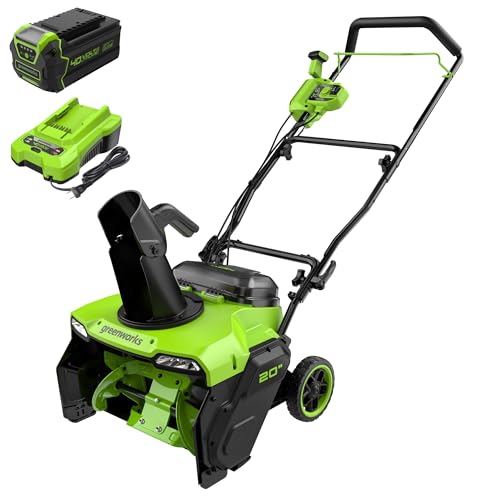

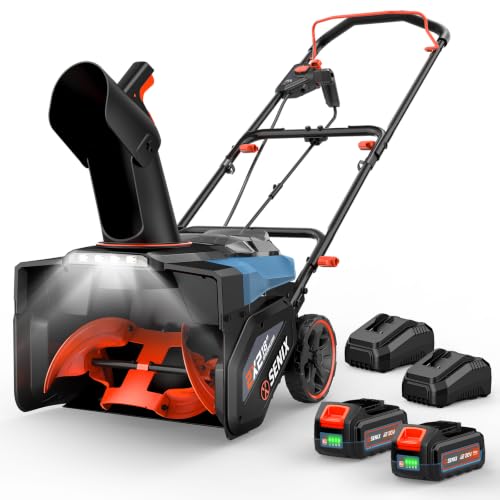
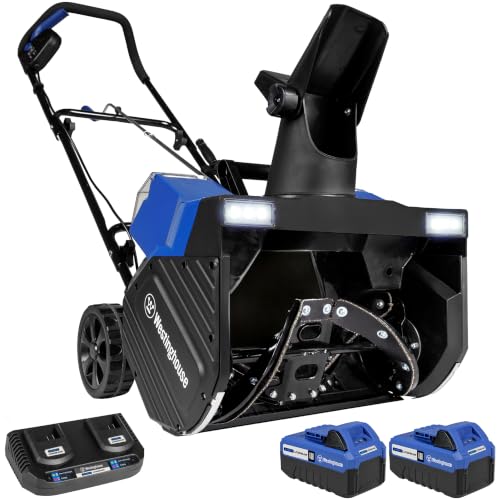

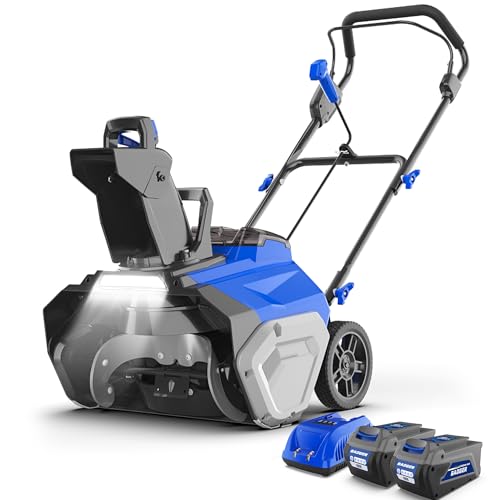
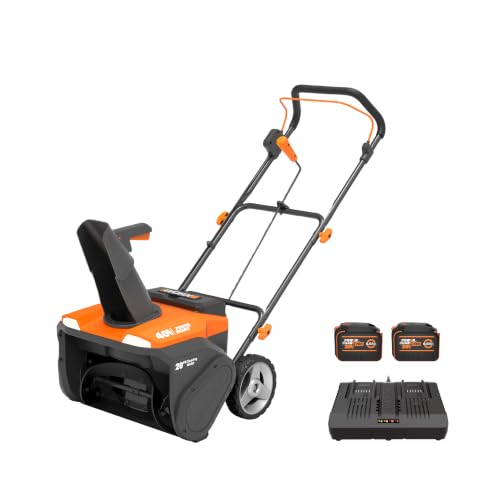
Three Buying Profiles and What to Prioritize
Most shoppers fall into one of three groups, and each group should rank the specs in a different order. If you clear a small paved area after light storms, runtime matters less than weight and storage. If you clear a long drive in a snowy region, battery capacity and intake height move to the top of your list.
Small paved drives and walkways
Choose a compact single stage model with a clearing width of about 18 to 21 inches and a light frame you can lift over a step or hang in a garage. Prioritize a battery platform you may already own, because sharing batteries and a charger lowers total cost and storage needs. Rubber edged augers suit paved surfaces and clear close to the ground. Throw distance of about 20 to 30 feet is usually enough when you can aim snow to either side.
Standard suburban driveways
Look for a wider single stage model or a compact two stage model with a clearing width of about 21 to 24 inches and an intake height that handles a typical storm plus the pile left by a street plow. Prioritize at least two batteries in the kit or a fast charger, because one charge should finish the whole job without a long pause. Steel augers, a chute you can aim from the operator position, and headlights for early morning clearing add real value here.
Long drives and heavy snowfall areas
Choose a two stage model with a clearing width of about 24 to 28 inches, self propelled drive, and the largest battery capacity you can afford. Prioritize torque for dense snow, larger wheels or tracks for grip, and a metal chute that resists clogging in wet snow. Plan on a second set of batteries if your drive takes more than about 30 to 40 minutes to clear, because cold weather shortens runtime and deep snow drains charge faster than light snow does.
How to Evaluate Battery Snow Blowers
Judge every model on the same five criteria so price alone does not drive your choice. Start with build materials and weather resistance, then check size and capacity against your driveway, then look at assembly, durability, and warranty. A model with a strong steel auger housing, sealed controls, and a clear warranty on both the machine and the batteries will usually serve you longer than a cheaper model with thin plastic in high stress areas.
Use maker specifications and verified buyer comments about runtime and clogging as your main sources. Battery claims deserve special care, because a runtime figure measured in light powder will not match what you get in wet snow. Look for claims that state snow depth and conditions.
How to Choose the Right Snow Blower
Size and form factor
Clearing width sets how many passes you need, while intake height sets how deep a layer the machine can take in one pass. Widths run from about 18 inches for compact models to about 30 inches for large two stage machines. A wider machine clears a broad drive faster but needs more storage room and feels harder to turn in tight spots. Measure your narrowest gate, path, and garage doorway first, then pick the widest model that still fits through and stores well.
Single stage, two stage, and three stage types
A single stage model uses one auger that scoops snow and throws it in a single motion, and it works best on paved surfaces with light to moderate snow. A two stage model adds an impeller that throws snow farther and uses an auger that does not need to touch the ground, so it suits gravel and deeper snow. A three stage model adds an accelerator for very heavy volumes, but that size and cost rarely suit a typical home. Our guide to single stage vs two stage snow blower explains the trade offs in more depth.
Battery voltage, capacity, and runtime
Voltage hints at power, while amp hours describe how much energy a battery holds, and you need both numbers to judge a kit. Higher voltage platforms tend to drive larger two stage machines, while lower voltage platforms suit compact single stage models. Runtime depends on snow depth, density, and temperature, so a battery that lasts 45 minutes in light snow may last far less in a wet storm. Check whether the price includes batteries and a charger, because a bare tool price can look low until you add the power kit.
Features worth paying for
Push button starting is standard on battery models, so focus your budget on features that change the work itself. A chute control you can use without walking around the machine saves time on every pass. Headlights help when you clear before work or after dark in midwinter. Heated grips add comfort during long jobs, and power steering helps on larger two stage models. Skip extras that add weight without improving clearing.
Weather resistant materials
Snow clearing is wet, cold, and abrasive work, so materials matter for service life. Steel auger housings and metal chutes resist impacts from hidden ice and gravel better than thin plastic, while quality plastic housings can still perform well and keep weight down. Look for sealed switches, covered battery ports, and fasteners that resist rust.
Size for your space
Match the machine to both the area you clear and the space where it will live for nine months of the year. A drive that holds four cars can often be done with a 21 to 24 inch model, while rural drives may need a larger unit. Folding handles, upright storage, and removable batteries make a compact footprint possible in a tight garage.
Assembly and setup
Most battery models need modest assembly, often the handle, chute, and control rods, plus a full battery charge before first use. Set aside about 30 to 60 minutes and tighten fasteners in the order the manual gives so the chute rotates freely. Charge batteries indoors at room temperature, because cold batteries charge slowly. Check the auger, drive, and chute controls before the first storm arrives.
If you are still weighing the wider category, see our guide to the best snow blower for gas and corded options alongside battery models.
Care and off season storage
Care for a battery model is simpler than care for a gas model, but it is not zero. After each use, remove the batteries, brush snow and slush from the auger housing and chute, and check for stones packed around the auger. Store batteries indoors with a partial charge, and follow the maker guidance for your platform. In spring, clean the machine, inspect scraper bars and auger edges for wear, and store it dry.
Readers who want a longer service life should also read how long does a snow blower last for signs that wear parts need attention.
How much should you spend?
Expect compact single stage kits at about $300 to $500, fuller kits for standard driveways at about $500 to $1000, and large two stage battery kits at about $1000 to $2000 once batteries and chargers are included. Spending more should buy you capacity you will actually use, such as a second battery, a steel auger, or self propelled drive. If a price looks unusually low, check whether batteries are included, because the power kit can add a large share of the total cost.
Battery vs Other Snow Blowers: Pros and Cons
Battery models start instantly, run quietly, and need no fuel, oil, or pull cord, which makes them appealing for early morning clearing in close neighborhoods. You can store one indoors without fuel smells, and routine care is mostly cleaning, wear part checks, and battery care. For many suburban homes, that ease of use is the main reason to choose battery power over gas.
The trade offs are runtime and refueling speed. A gas model can run as long as you add fuel, while a battery model stops when the charge runs out unless you own a second set. Battery models also cost more up front for the same clearing width, and very deep or wet snow can strain smaller single stage units. The comparison in electric vs gas snow blower lays out running costs and power differences in detail.
Corded electric models remove the runtime limit but tie you to an outlet and a cord you must manage in the snow. If you are comparing powered types more broadly, our guide to the best electric snow blower covers corded and cordless choices together.
Common Mistakes to Avoid
- Buying on voltage alone, because amp hours and snow conditions decide how long the machine actually runs.
- Choosing a single stage model for a gravel drive, because the auger contacts the ground and can throw stones.
- Ignoring the plow pile at the end of the drive, because that dense bank needs more torque than fresh snow does.
- Storing batteries in a freezing garage all winter, because extreme cold reduces performance and can shorten battery life.
- Forgetting to check kit contents, because a low priced bare tool still needs batteries and a charger to work.
- Clearing snow that is far deeper than the intake height in one pass, because repeated clogging slows you more than taking partial width passes.
FAQ
What is the best battery snow blower for a typical driveway?
For a typical paved suburban driveway, the best choice is a 21 to 24 inch model with two batteries and a chute you can aim from behind the handles. That size balances clearing speed, storage, and cost for most homes. If your area gets frequent storms above about 8 inches, step up to a two stage design for extra throwing power and better handling of the dense pile at the street.
Are battery snow blowers worth it?
Battery snow blowers are worth it when your clearing area fits within one or two battery sets and you value quiet, instant starting. They remove fuel storage, oil changes, and most engine care from your routine. They are less worthwhile for very long rural drives with heavy snowfall, where refueling a gas model mid job is faster than swapping and recharging batteries. Consider your longest storm, not your average one, when you decide.
How long does a battery snow blower run on one charge?
Runtime on one charge ranges from about 20 minutes in deep wet snow to about 60 minutes in light powder, depending on battery size and machine width. Cold temperatures reduce that figure, so warming batteries indoors before a job helps you get the rated performance. A useful extra step is clearing in two shorter sessions during a long storm, which keeps depth down and lets a battery recharge between sessions.
Can a battery snow blower handle wet heavy snow?
A battery snow blower can handle wet heavy snow if it has enough torque, a steel auger, and a clearing width you do not force through a full deep pass. Take narrower passes, slow your walking pace, and keep the chute clear so wet snow does not pack and clog. Spraying the chute interior with a silicone based product before a storm, where the maker allows it, can also reduce sticking in borderline conditions.
Can you use a battery snow blower on a gravel driveway?
You can use a two stage battery snow blower on gravel if you set the skid shoes to keep the auger slightly above the surface. That small gap leaves a thin layer of snow but stops the machine from picking up and throwing stones. Avoid single stage models on gravel, because their auger is designed to contact a paved surface. Recheck shoe height after the first few uses, since settling ground can change the clearance.
How do you clean and store a battery snow blower after use?
Clean a battery snow blower by removing the batteries first, then brushing snow and slush from the auger, housing, and chute before it refreezes. Wipe metal edges dry, check for trapped stones, and let the machine air dry in a sheltered spot. Store batteries indoors at a partial charge and keep the charger unplugged between uses. This routine also gives you a quick chance to spot a worn scraper bar before the next storm.
Final Thoughts
The right choice comes down to your driveway length, your typical storm depth, and the storage space you can give the machine all year. Match stage type to your surface, size the battery kit for your worst storm, and favor solid materials and a clear warranty over extras you will rarely use. Use the product table to compare the best battery snow blower options on width, intake height, and battery kit contents.
Prices and availability can change, so check the product page before ordering.


