Best Electric Snow Blower: A Complete Buying Guide
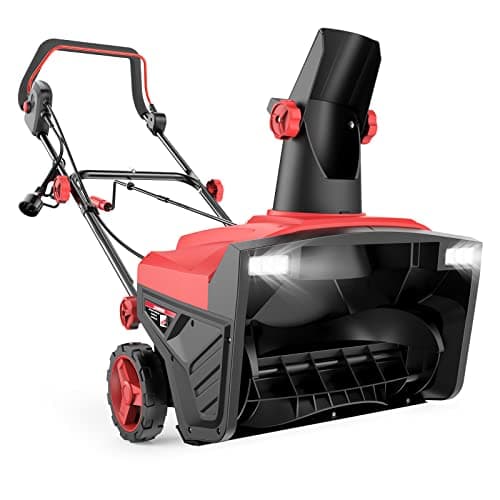
Shopping for the best electric snow blower means balancing power, portability, and how much snow your property actually sees each winter. Unlike gas machines, electric models trade raw torque for cleaner starts, quieter running, and far less maintenance, which makes them a strong pick for anyone who would rather not wrestle with a fuel can before dawn. The catch is that electric power comes in two very different forms: a cord that ties you to an outlet, or a battery that frees you to roam but slowly runs down. Add in variables like clearing width, snow depth, and winter temperatures, and picking the right machine takes a bit more thought than skimming a spec sheet. This guide walks through what actually matters before you buy.
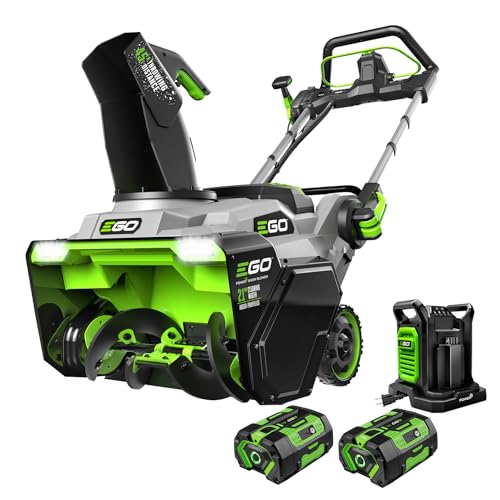
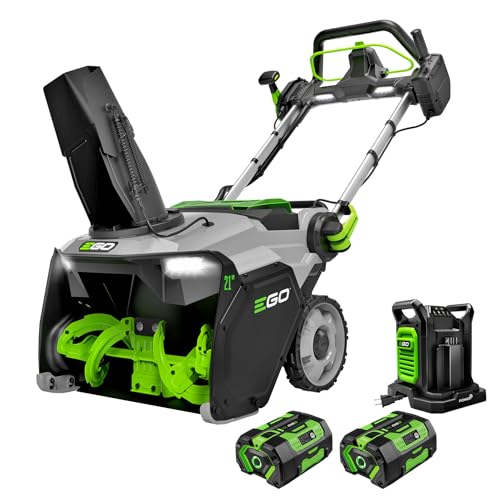
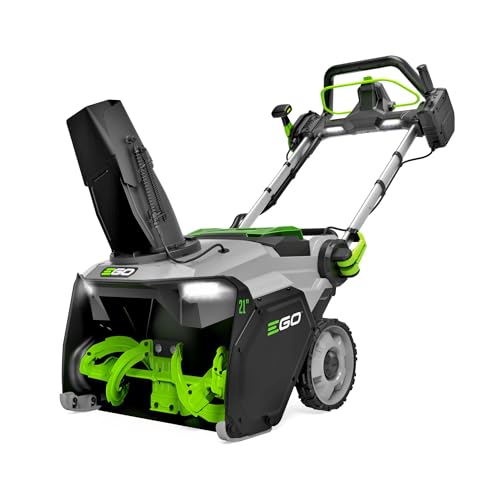
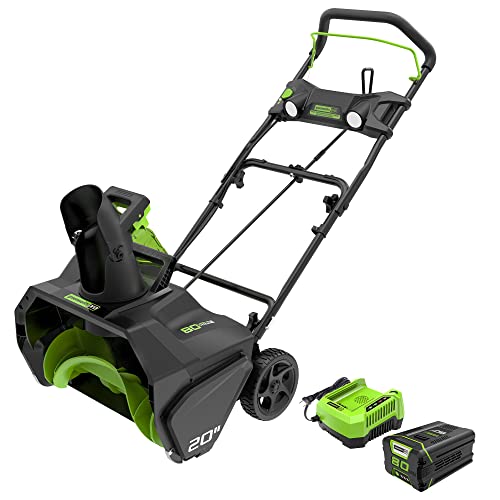
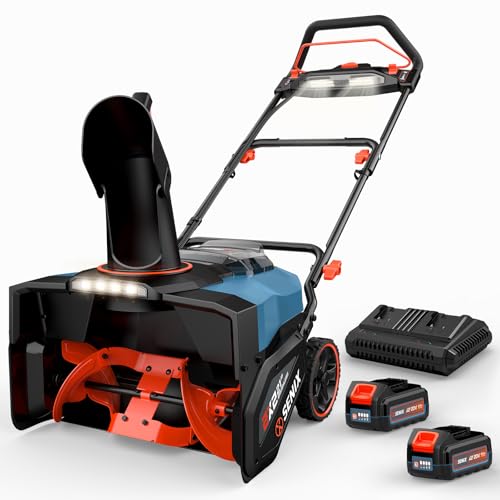
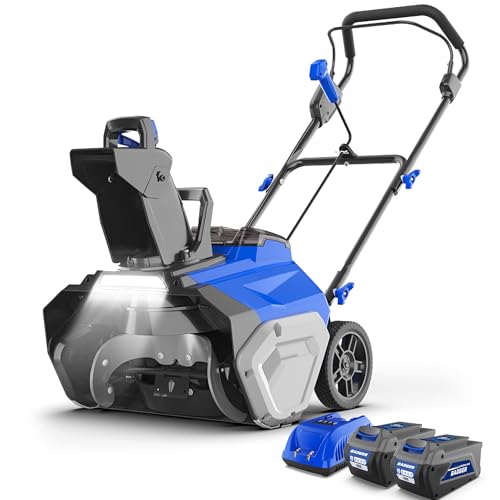
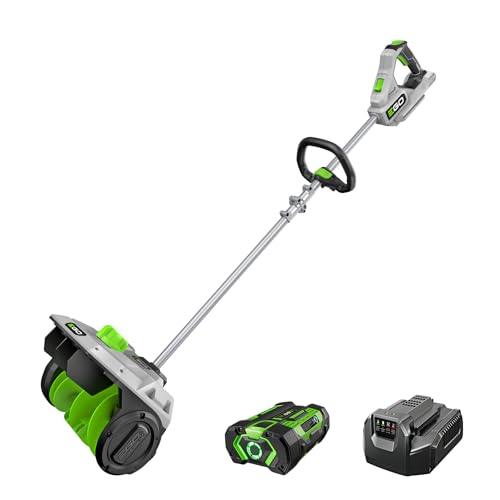
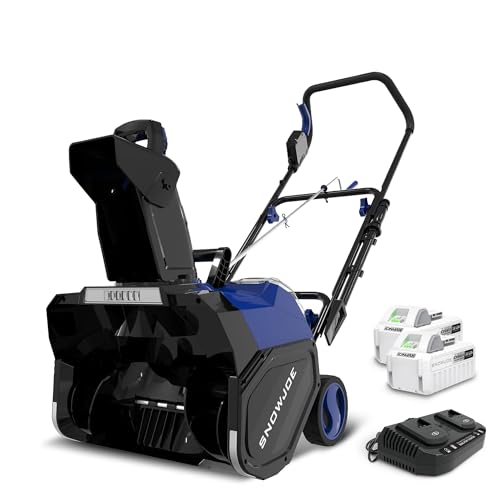
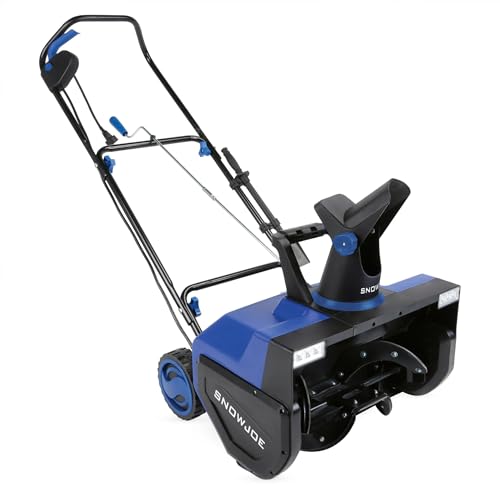
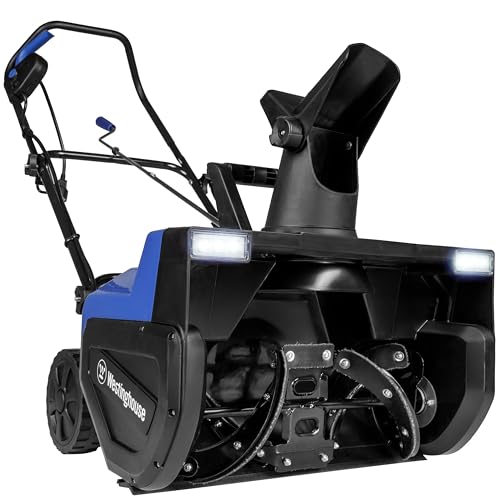
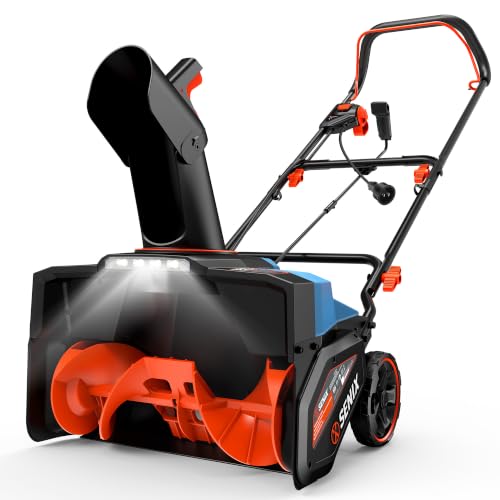
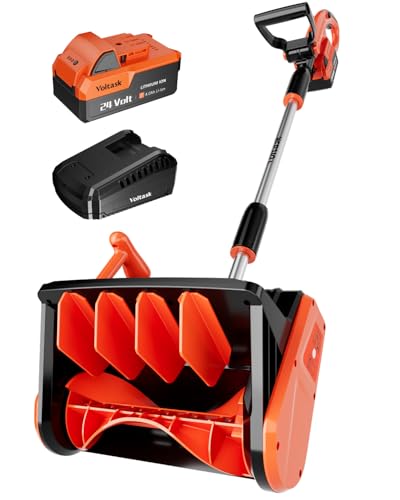
Corded or Cordless: Picking the Right Power Source
A corded electric snow blower plugs into an outdoor-rated extension cord and draws steady power for as long as you run it. There is no battery to watch and no runtime clock ticking down, so you can clear snow for as long as you need in one session. The tradeoff is reach. You are limited by cord length and outlet placement, which makes corded units a better match for a driveway and walkway close to the house rather than a sprawling lot.
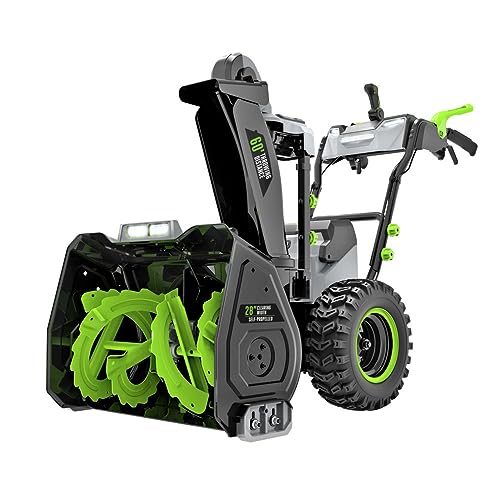
Battery cordless models flip that equation. You get freedom to roam anywhere on the property with nothing dragging behind you, but you are working against a charge that eventually runs out. Once the pack drains, you either swap in a spare or wait for it to recharge before finishing the job. Neither format is universally better, and the best electric snow blower for your situation really comes down to how far you need to travel from a power source and whether you are willing to plan around a charge cycle. Think about where your outlets sit relative to the driveway and how often you would realistically remember to charge a battery pack overnight before deciding which format fits your routine better.
Clearing Width, Intake Height, and Single-Stage vs Two-Stage Design
Clearing width decides how many passes a job takes. A wider path means fewer trips up and down the driveway, but it also usually means a heavier, pricier machine to push or steer. Intake height matters just as much, since it caps how deep a layer of snow the machine can bite into on a single pass without clogging or stalling.
Most electric models use a single-stage design, where the auger itself touches the pavement and both digs and throws the snow in one motion. That setup works well on paved surfaces with light to moderate accumulation, and it tends to be lighter and easier to maneuver around parked cars or garden beds. Two-stage machines add a separate impeller that flings snow farther and handle uneven or gravel surfaces more gracefully, though electric two-stage machines built for heavier accumulation tend to cost more and are less common than their single-stage counterparts. If your driveway slopes, has loose gravel, or regularly sees drifted snow piling up near the garage door, the extra throwing power of a two-stage design is usually worth the added weight and price.
Matching the Blower to Your Snowfall and Driveway Size
Light, fluffy powder is where electric motors shine. They move through it quickly with minimal strain on the motor or battery. Wet, heavy snow is a different story. It taxes smaller motors, and single-stage augers in particular can bog down in the dense, compacted ridge a plow leaves at the end of a driveway. As a general rule, electric machines handle roughly six to twelve inches of snow comfortably; beyond that, plan on multiple passes or clearing in stages.
Property size matters too. Electric units are best suited to small and medium driveways, walkways, and patios rather than long rural lanes. A single-car driveway and a stretch of front walkway is a comfortable job for most electric models, and a two-car driveway is still manageable if you are not fighting deep drifts. If you are regularly clearing a large lot or a gravel driveway several hundred feet long, a gas-powered alternative still holds an edge in raw power and continuous runtime, since it never has to pause for a recharge or worry about cord reach.
Battery Performance When Temperatures Drop
Lithium-ion batteries lose capacity as the mercury falls, and the effect is noticeable once temperatures dip toward the low twenties or below. You can expect a meaningful drop in runtime on the coldest mornings compared with what the same pack delivers at forty degrees. Cold slows the chemical reactions inside the cells, and the motor has to work harder against dense, wet snow at the same time the battery is least able to supply peak power.
The fix is mostly about habits rather than hardware. Store batteries indoors between uses instead of leaving them in a cold garage or on the porch overnight, and bring the pack inside promptly after you finish clearing. Corded models sidestep this issue entirely since they draw straight from household current no matter how cold it gets outside.
Frequently Asked Questions
How deep of snow can an electric snow blower clear?
Most electric models handle roughly six to twelve inches comfortably. Beyond that depth, plan on clearing in layers or making a second pass, since deeper snow can overwhelm the intake and stall a single-stage auger.
Do electric snow blowers work as well as gas models on a large driveway?
They handle small to medium areas well, but gas machines still offer more sustained power and unlimited runtime. For long driveways or frequent heavy snowfall, gas remains the more capable option.
How long does a battery-powered snow blower run before needing a charge?
Runtime varies by battery capacity and snow density, but most single packs last well under an hour of continuous clearing. A spare battery is worth having if your driveway takes longer than that to finish.
Can I use a corded snow blower on a long driveway?
Only if you can safely reach the whole area with an outdoor-rated extension cord. For most homes that means corded units work best on driveways and walkways within a hundred feet or so of an outlet.
Is a single-stage or two-stage electric model better for my yard?
Single-stage suits paved, mostly flat surfaces with light to moderate snow. Two-stage models handle uneven ground and heavier accumulation better, though they are pricier and less common in electric form.
Do electric snow blowers need any yearly maintenance?
Far less than gas machines. There is no fuel to drain or spark plug to replace; occasional checks of the auger blade, cord condition, or battery contacts are usually all that is needed.
Choosing the Setup That Fits Your Winter
The right best electric snow blower pick depends less on any single spec and more on how your driveway, climate, and daily routine line up. Weigh cord reach against battery freedom, match the clearing width to your typical snowfall, and factor in how cold your mornings usually get before deciding. Getting those basics right matters far more than any single feature on the box.