Best Compact Pressure Washers: Types Compared and Buying Guide 2026
Disclosure: We may earn a commission when you buy through links on this page, at no extra cost to you. As an Amazon Associate I earn from qualifying purchases. Learn more

Best compact pressure washer guide: compare corded, cordless and small gas types by pressure, flow, weight and storage space.
A full size pressure washer cleans fast, but it also eats closet space, rolls awkwardly through a garage, and feels like overkill for a small patio or a single car. A best compact pressure washer solves that trade off by shrinking the frame, the hose storage, and the weight while keeping enough pressure for everyday outdoor cleaning. The catch is that compact models vary a lot in power, pump build, and how much water they move.
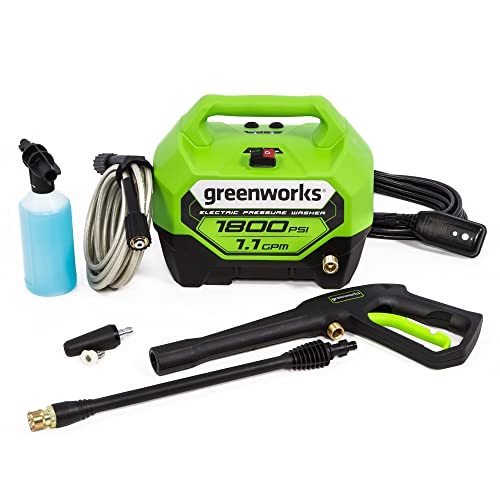
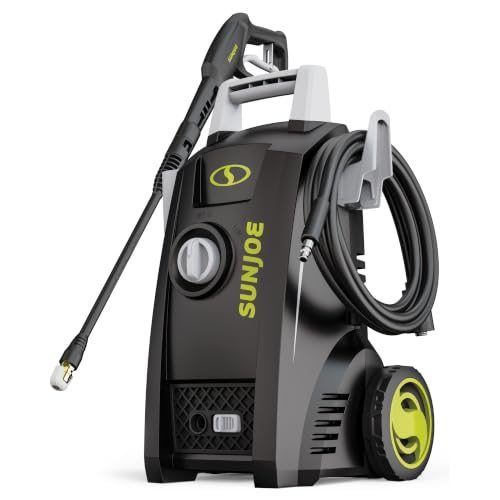
This guide compares the main compact types by build materials and weather resistance, size and capacity, and how simple each one is to assemble and store. Use the comparison table below to see the types side by side, then read on for the details that decide which one fits your space and your cleaning list.




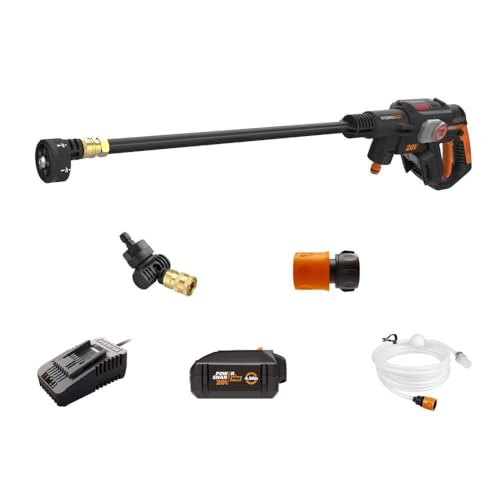

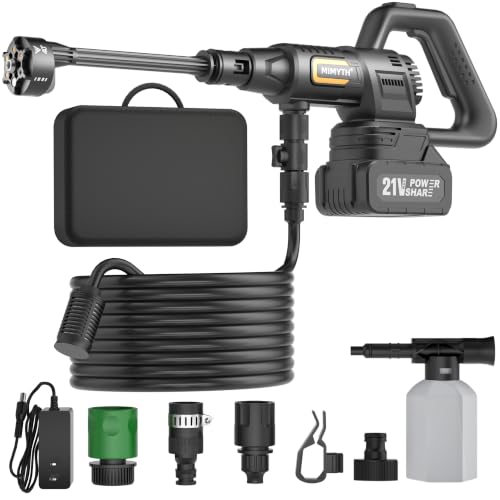

Compact Types at a Glance
Compact pressure washers fall into three broad groups. Corded electric models are the most common, and they pair a small motor with a short frame that often stands upright or carries by a top handle. Cordless models run on a battery and trade raw pressure for total freedom from outlets and hoses in tight spots. Small gas models keep a compact footprint but add engine power for longer jobs away from the house. All three store in far less room than a standard frame machine.
Three Compact Types Compared
Instead of ranking individual models, this section compares the three types on the factors that matter most in a small home. Your storage space, your water access, and the surfaces you clean most often will point you to one type quickly.
Corded Electric Compact Models
A corded electric compact washer suits most apartments, condos, and small houses because it starts with a button, runs quietly, and needs no fuel or battery charging. Typical output runs about 1500 to 2000 PSI with flow near 1.2 to 1.6 GPM, which handles siding, fences, patio furniture, and car washing well. The limits are reach and outlets. Your working radius is set by the power cord plus the hose, and you need a ground fault protected outlet within that range for safe use outdoors.
Cordless Compact Models
A cordless compact washer draws water from a bucket, a tank, or a hose, so you can rinse a bike, a boat deck, or a muddy dog at a trailhead with no outlet nearby. Pressure is lower, often about 300 to 800 PSI, and runtime on one battery usually covers a few short tasks rather than a whole driveway. If portability matters more than deep cleaning, look at our guide to the best cordless pressure washer for a closer look at battery options and water source setups.
Small Gas Compact Models
A small gas compact washer keeps the frame modest but raises output, often about 2200 to 2800 PSI, which strips grime from concrete and stone faster than most electric units. It fits owners who clean long driveways, farm equipment, or rural property where outlets are scarce. You accept more noise, exhaust, and engine upkeep in exchange for that power and unlimited runtime while fuel lasts. The frame still stores in a corner, but the engine makes it the heaviest of the three types to lift into a vehicle.
How We Chose the Best Compact Pressure Washers
We compared compact models using manufacturer specifications, verified buyer feedback, and published warranty terms rather than hands on testing claims. The criteria were build materials and weather resistance, size and capacity, assembly steps, durability signals such as pump construction, and warranty length. Models that hid basic specs like flow rate or total weight scored lower, because you cannot judge fit for a small space without those numbers. If you want the wider category view first, our overview of the best pressure washer covers every size class.
How to Choose the Right Pressure Washer
Type
Start with power source, because it shapes everything else. Corded electric models need an outdoor outlet but run as long as you need with almost no upkeep. Gas models free you from cords and deliver the most pressure in a compact frame, yet they need fuel, oil, and seasonal engine care. Cordless models sit at the other end, giving modest pressure and short sessions in exchange for the smallest storage footprint. Our breakdown of electric vs gas pressure washer costs and upkeep can help if you are torn between the two plug and fuel options.
Features Worth Paying For
A few attachments earn their cost on a compact machine. A turbo nozzle concentrates the spray into a rotating jet that lifts stubborn dirt from concrete in less time. A foam cannon lays thick soap on a car before you rinse, which reduces scrubbing and swirl marks. A surface cleaner attachment keeps spray contained on flat patios and paths, so you finish with fewer streaks and less splash back onto walls. An onboard soap tank is convenient, though a separate foam cannon usually mixes more evenly.
Weather Resistant Materials
Compact washers live in garages, sheds, and sometimes on covered porches, so housing material matters. A molded plastic housing resists rust and shrugs off splashes, but thin plastic can crack if the unit falls from a shelf. Metal pump housings, commonly aluminum, hold up better to heat and repeated use than plastic pumps. Look for sealed switches and covered outlets on the unit, and check the stated protection rating if you plan to store the washer in a damp shed where condensation forms overnight.
Size for Your Space
Measure the spot where the washer will live before you buy, then compare it with the listed footprint and height. Many compact models stand about 12 to 20 inches tall and weigh about 15 to 30 pounds, light enough to carry up basement stairs or lift onto a shelf. Hose and cord storage decide how tidy that space stays. Wrap posts, hooks, or a small reel keep the high pressure hose from becoming a tangled pile that you fight before every job.
Assembly and Anchoring
Most compact electric models assemble in minutes. You attach the handle, click in the hose, and fit the spray wand with no tools or with a single screwdriver. Gas models add a few steps for the handle frame and oil fill. Anchoring sounds minor until the unit tips. A low center of gravity, wide feet, and a hose that exits at a sensible angle keep a light machine upright when you tug the wand across a patio. Check stability on your own surface during the first use, before you work at full reach.
Care and Off Season Storage
Rinse the system with clean water after using soap, then run the pump for a few seconds with the trigger open to clear leftover water from the lines. Wipe the housing, coil the hose without sharp bends, and store the unit indoors where temperatures stay above freezing. Cold garages are the main risk for compact pumps, so read our steps on how to winterize a pressure washer before the first hard frost if your storage space is unheated.
How Much Should You Spend?
Basic compact electric models sell for under $100 and suit light tasks like rinsing furniture and washing bikes. The middle band, about $100 to $200, buys stronger pumps, longer hoses, and better accessory bundles, and it is where most small homes get the best value. Spending about $200 to $300 adds metal pumps, hose reels, and longer warranties. Above about $300 you are mostly paying for gas power or premium cordless kits with extra batteries, so buy at that level only when your jobs truly need it.
Compact vs Other Pressure Washers: Pros and Cons
A compact washer trades peak power for storage and handling, and that trade suits many homes. Owners focused on routine upkeep often find a compact unit covers nearly every task, and our guide to the best pressure washer for home use shows how much cleaning a modest machine can handle around a typical house.
- Pro, storage: a compact unit fits on a shelf, in a closet, or in a car trunk, where a standard frame model needs floor space.
- Pro, handling: lower weight means one person can carry it up stairs and move it around a yard without wheels binding on grass.
- Pro, setup speed: fewer parts and shorter hoses mean you can start a quick rinse in a couple of minutes.
- Con, cleaning speed: lower flow rates cover a wide driveway or a large deck more slowly than a full size machine.
- Con, reach: shorter hoses and cords may force you to move the unit or add an extension hose on bigger properties.
- Con, heavy grime: thick mold on concrete or peeling paint prep can exceed what a small pump handles comfortably.
FAQs
What is the best compact pressure washer?
There is no single answer, because the right choice depends on your space and your surfaces. For most small homes, a corded electric model with about 1800 to 2000 PSI, a metal pump, and a weight you can carry comfortably up stairs covers the widest range of jobs. Check that your outdoor outlet is ground fault protected and rated for the draw listed on the label, since older exterior circuits sometimes trip under a sustained motor load.
Are compact pressure washers worth it?
Yes, if your cleaning list is mostly cars, siding, fences, and small patios, and your storage is tight. You give up some speed on large flat areas, but you gain a machine you will actually pull out for small jobs instead of postponing them. Owners who wash a car every week, for example, often save the cost of paid washes within a season, and the unit is already in the closet when a storm leaves mud across the front steps.
How long does a pressure washer last?
A compact electric washer used a few times a month often lasts about five to eight years, while gas models can run longer when the engine gets fresh oil and clean fuel. The pump usually sets the limit, not the motor. Running the pump dry, leaving water to freeze inside, or storing the unit with soap residue in the lines shortens that life in ways that build up quietly, so small care habits matter more than brand labels.
Is a pressure washer worth it?
Owning one makes sense when you clean outdoor surfaces at least three or four times a year. Renting for a single fence or deck project can cost a large share of a compact purchase price in one weekend, and you still face pickup, return, and deposit errands. If your only job is an annual driveway scrub and storage is truly zero, renting stays reasonable. Otherwise, ownership pays back through convenience as much as through money saved.
How do you clean a pressure washer?
Clean the machine itself, not just with it. Rinse the inlet filter under a tap to clear grit before it reaches the pump, and soak clogged nozzle tips in warm water, then clear the opening with the pin many makers include. Wipe detergent residue from the soap tank and run plain water through the pickup tube. Doing this after messy jobs prevents the slow pressure loss that owners often blame on the pump.
What is the most reliable pressure washer brand?
No single brand wins on reliability across every compact type, and chasing a label can mislead you. Pump construction, spare parts availability, and warranty support in your region predict ownership experience better than a name. A metal pump with a warranty of two years or more, plus easy access to replacement hoses and seals, usually outlasts a cheaper sealed unit. Read recent owner reports on the exact type you plan to buy rather than general brand rankings.
Final Thoughts
Match the type to your space first, then check pump build, hose length, and warranty before you compare prices. Corded electric models fit most small homes, cordless models win when outlets and taps are far away, and small gas models earn their upkeep when concrete and distance demand more power. Car owners comparing gentler spray options can also see our guide to the best pressure washer for cars. The product table above pulls the key specs together, and the best compact pressure washer for you is the one you can store easily, carry without strain, and still reach every surface on your list.