
Best Single Stage Snow Blower: What to Know Before You Buy
Disclosure: We may earn a commission when you buy through links on this page, at no extra cost to you. As an Amazon Associate I earn from qualifying purchases. Learn more

A few inches of fresh snow on a short driveway shouldn't require dragging out a machine the size of a lawn tractor. If you have ever wrestled a bulky two-stage unit out of the shed just to clear a walkway, you already understand the appeal of something smaller. Finding the best single stage snow blower for your property comes down to matching a lighter, simpler machine to the kind of snow you actually get, not the snow you might get once every few winters. In this guide, you will learn how much snow and driveway a single-stage machine can realistically handle, which surfaces it works best on, how gas and electric versions compare, and when it makes more sense to size up instead.
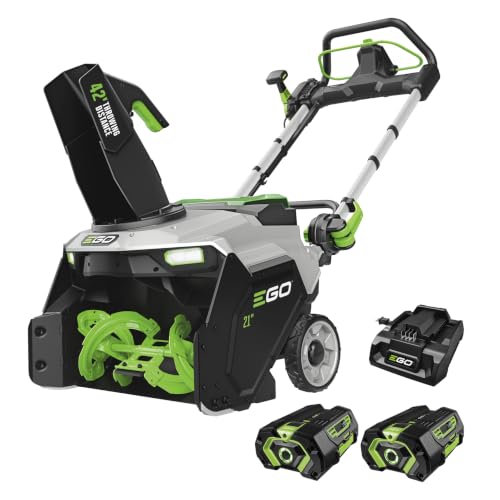
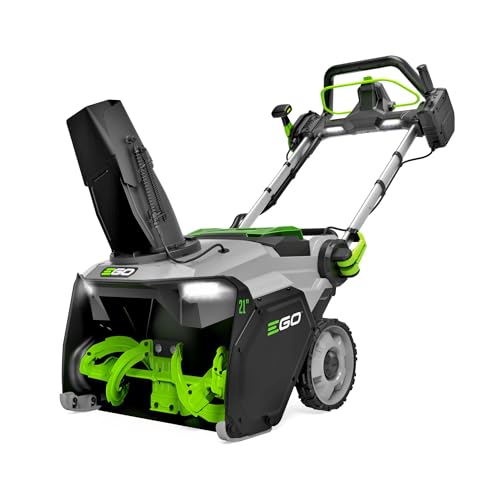
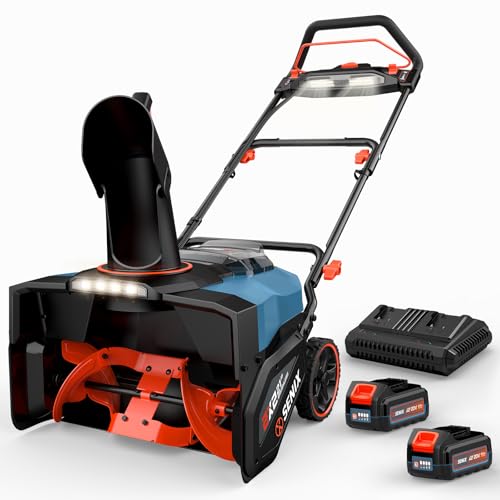
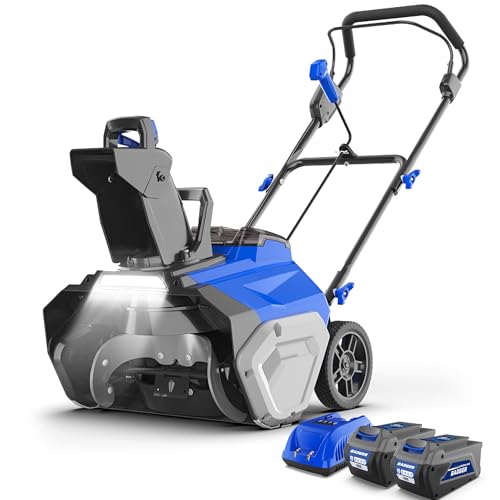
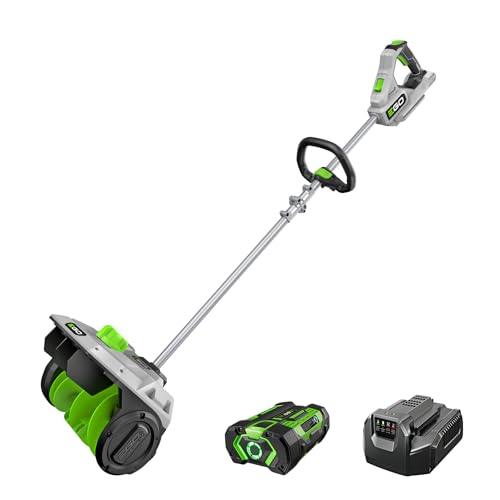
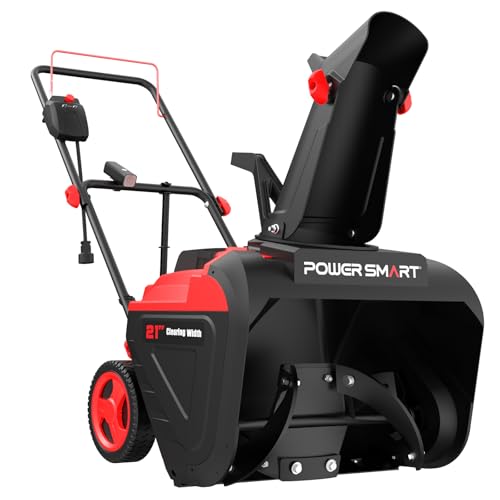
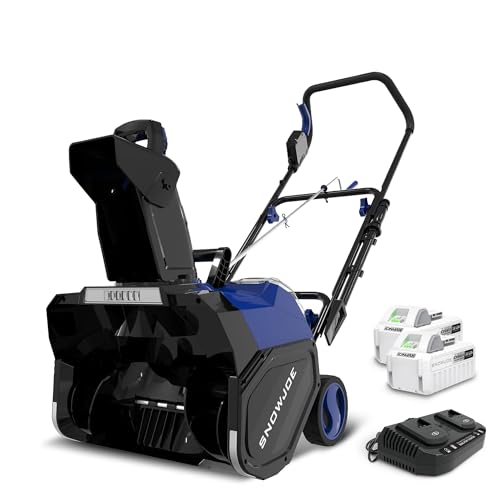
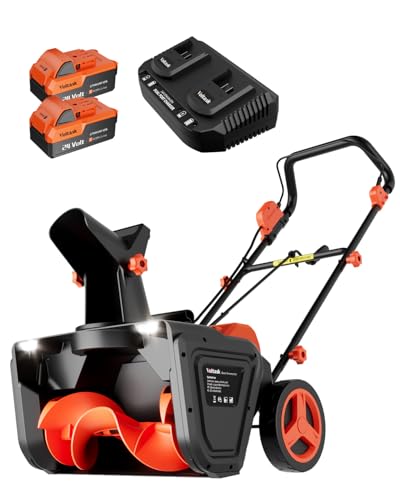
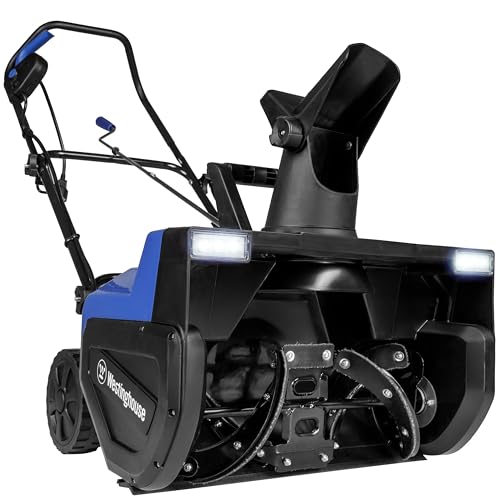
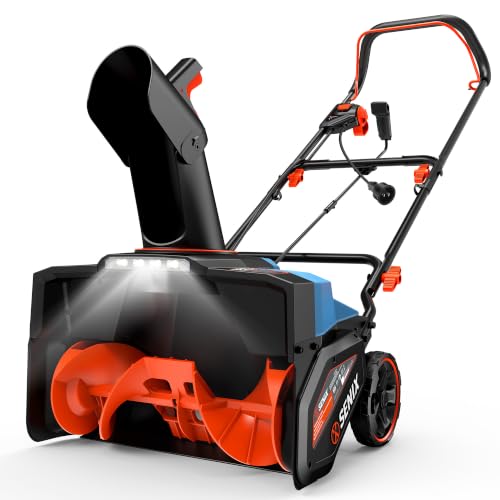
Snow Depth and Driveway Size a Single-Stage Machine Can Realistically Handle
A single stage snow blower uses one rubber-edged auger to both scoop up snow and throw it out the chute in a single motion. That simplicity is exactly why the machine stays light and affordable, but it also puts a real ceiling on how much snow it can move before it starts to bog down or clog.
The Real-World Depth Limit
Most single-stage models are comfortable in snow up to around 6 to 8 inches deep, and that number drops if the snow is wet or has been packed down by foot or car traffic. A handful of higher-powered gas models can push closer to 12 inches, but that is the exception rather than the rule. If your area regularly sees storms heavier than that, a single-stage machine will leave you making extra passes just to keep up.
Driveway Length and Number of Areas to Clear
Depth is only half the equation. A short driveway, a single walkway, or a deck that needs occasional clearing all suit a single-stage unit well, since the job is done in a few minutes without much strain. Longer driveways, multiple parking spots, or properties where you are clearing snow several times a week are a better fit for a machine with more sustained power, simply because the time savings add up over an entire season.
Where a Single-Stage Auger Works Best (and Where It Struggles)
The ground underneath the snow matters just as much as the snow itself. Because the auger on a single-stage machine spins low enough to scrape the surface clean, the type of surface you run it over changes both performance and safety.
Smooth Pavement, Walkways, and Decks
On concrete, asphalt, or a sealed deck, a single-stage machine clears right down to the surface in one pass, which is exactly the clean finish most owners want on a paved driveway or front walk. This is the surface type these machines were designed for, and it is where they perform closest to their advertised specs.
Gravel and Loose-Surface Driveways
Gravel, crushed stone, and unsealed dirt are a different story. Because the auger makes direct contact with the ground rather than floating above it, it will pick up loose stones along with the snow and fling them out the chute at speed, which is both a safety hazard and hard on the machine itself. If your driveway is gravel, look instead toward a machine whose auger housing rides on adjustable skid plates so it never actually touches the ground.
Gas, Corded Electric, or Battery: Matching Power Source to How Often You Clear Snow
Once you know a single-stage machine fits your snow depth and surface, the next decision is power source, and it mostly comes down to how often you expect to use it each winter.
Gas Single-Stage Models
Gas engines give you unlimited run time and tend to handle the upper end of the depth range better, which suits homeowners who see frequent storms or want one machine that never needs to be plugged in or recharged. The trade-off is engine maintenance, fresh fuel each season, and more noise and weight than an electric equivalent.
Corded and Battery Electric Single-Stage Models
Electric versions start instantly, need no engine upkeep, and are noticeably quieter, which makes them a strong match for light, occasional snowfall. A corded electric model works well if your driveway or walkway stays within extension cord range and you clear snow right after it falls. If you need to roam farther from an outlet, a battery-powered electric snow blower trades a bit of run time for the freedom to move around the whole property.
Why Single-Stage Machines Cost Less, and What You're Giving Up
Single-stage snow blowers sit at the affordable end of the snow removal lineup, and that lower price reflects a genuinely simpler machine, one auger instead of an auger paired with a separate impeller, a lighter frame, and a smaller engine or motor. For anyone with a short driveway and light snow, that simplicity is a feature, not a shortcoming, since you are not paying for capacity you would rarely use.
What you give up as the snow gets deeper or wetter is throwing distance and clogging resistance. A single-stage machine relies entirely on that one auger to both cut and throw snow, so once the snow gets heavy enough to slow the auger down, performance drops off quickly. That trade-off is worth keeping in mind if your winters are unpredictable from year to year.
When a Single-Stage Isn't Enough
Some of the most common frustration with single-stage machines comes from asking them to do a job they were never built for. If you regularly see snowfalls past 8 inches, deal with wet, heavy snow that clogs the chute, or have a gravel driveway, you are pushing past what this category of machine handles well. In that case, a machine built around an auger and a separate impeller, like the options covered in our two-stage snow blower guide, will clear more per pass with far less strain.
Frequently Asked Questions
What is a single-stage snow blower good for?
It is built for light to moderate snow on paved driveways, walkways, decks, and short paths, clearing the surface down to the pavement in one motion. It is not designed for deep, heavy snow or loose surfaces like gravel.
How much snow can a single-stage snow blower handle?
Most models handle up to 6 to 8 inches comfortably, with a few higher-powered gas versions stretching closer to 12 inches. Wet or compacted snow reduces that effective capacity compared to dry, fresh powder.
Can you use a single-stage snow blower on a gravel driveway?
It is not recommended, since the auger contacts the ground directly and will pick up and throw loose stones along with the snow. A machine with an auger that floats above the surface on skid plates is a safer choice for gravel.
Is a single-stage snow blower self-propelled?
Most single-stage models are not self-propelled in the traditional sense, though the spinning auger does provide some forward pull as it digs into snow. You will still need to push and guide the machine yourself, unlike larger two-stage units with dedicated drive wheels.
What is the difference between a single-stage and a two-stage snow blower?
A single-stage machine uses one auger to both collect and throw snow, while a two-stage machine adds a separate impeller that pushes snow out after the auger breaks it up. That extra stage lets a two-stage machine handle deeper, heavier snow with less strain.
How heavy is a single-stage snow blower?
Single-stage machines are among the lightest snow blowers on the market, generally light enough for one person to lift into a car trunk or carry down basement stairs for storage. That portability is one of the main reasons people choose this category over a bulkier two-stage machine.
Is a gas or electric single-stage snow blower better?
Gas models offer unlimited run time and slightly more power for frequent, heavier use, while electric and battery versions are quieter, need no engine maintenance, and suit light, occasional snowfall well. The right choice depends more on how often you expect to use it than on raw power alone.
Making Your Decision
A single-stage snow blower earns its keep on short driveways, walkways, and decks where snow rarely piles past 8 inches on a paved surface. Match the depth capacity and power source to your actual winters rather than the worst storm you can imagine, and it will save you real time without the bulk or cost of a larger machine.