Best Compact Passive Speakers: Which One Fits the Way You Use It
Disclosure: We may earn a commission when you buy through links on this page, at no extra cost to you. As an Amazon Associate I earn from qualifying purchases. Learn more
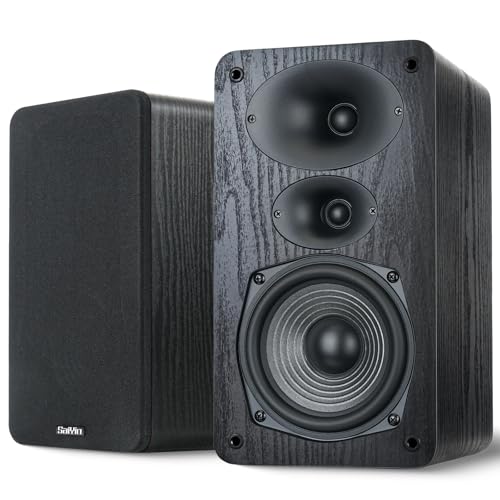
Best compact passive speakers for small rooms, desks, vinyl setups and home theater: compare impedance, sensitivity, size and placement.
Passive speakers are the simple, durable half of a stereo system: no batteries, no apps, no built in amplifier, just drivers in a cabinet that your amplifier or receiver powers through speaker wire. That simplicity is exactly why choosing the best compact passive speakers depends on how you listen and what you already own. A pair that sings on a desktop may sound thin across a living room, and a pair voiced for music may not suit dialogue heavy TV. This guide matches speaker types to real setups, explains the specifications that matter, and the comparison table below gathers the essentials side by side.


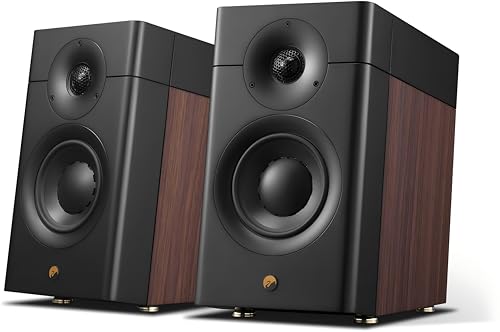
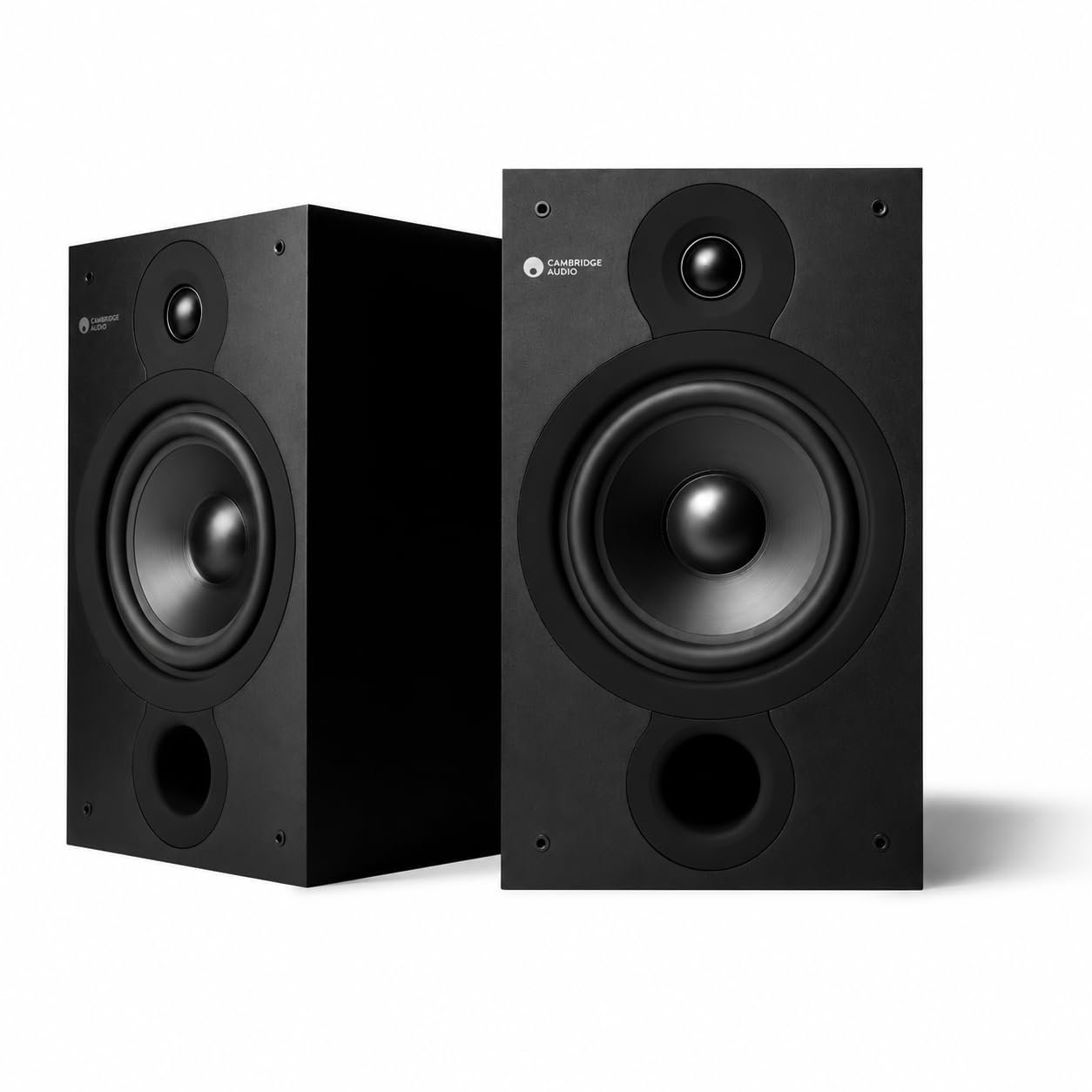

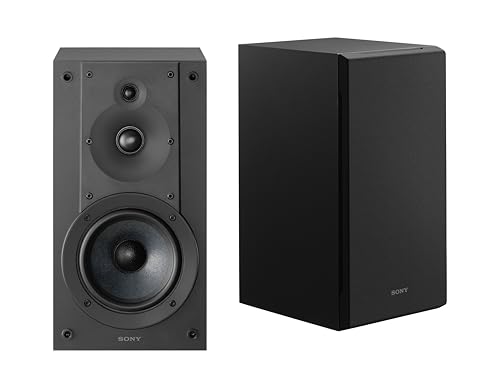

Who Should Buy Which Compact Passive Speakers?
Because a passive speaker is one part of a system, the right choice starts with your room, your amplifier, and your main source. Find your setup below before you look at any specification.
For Small Room Music Listeners
You want a pair for a bedroom, study, or small living room, driven by a modest stereo amplifier. Prioritize a balanced tuning, a front or sealed design if the speakers must sit close to a wall, and sensitivity that lets a small amp reach comfortable volume without strain. A woofer around 4 to 5 inches is usually enough at these distances, and it keeps the cabinet genuinely compact. Spend on smooth treble you can enjoy for hours rather than on exaggerated bass that a small room will boom and blur.
For Desktop and Gaming Setups
At a desk you listen in the near field, about an arm length away, so clarity at low volume and a stable stereo image matter more than maximum loudness. Compact cabinets free desk space for monitors and gear, and magnetically shielded or well behaved drivers avoid interference worries with modern displays. If you are comparing this route with powered desk options, our guide to the best compact pc speakers shows what built in amplification adds and what it removes. Passive pairs reward you with an upgrade path: a better amp later improves the same speakers.
For Turntable Owners
Vinyl setups pair naturally with passive speakers, because most turntable systems already include or require a separate amplifier or a receiver with a phono stage. Look for a warm, forgiving tuning that flatters older recordings, and place the speakers on stands or isolation pads rather than on the same surface as the turntable, since vibration feeds back into the stylus. Our dedicated guide to the best passive speakers for turntable covers phono pairing and placement in more depth.
For Home Theater Builders
If your compact pair will serve as front or surround speakers in a home theater, consistency matters most: the same driver family across channels keeps voices and effects sounding uniform as they move around the room. Check that your receiver can drive the impedance comfortably and that the speakers handle dynamic peaks without strain at your seating distance. Compact models also work well as surrounds because their small cabinets mount or shelve easily. Add a subwoofer later if film bass feels light, rather than forcing a tiny cabinet to do everything.
Key Features to Compare
Passive speaker specifications are refreshingly honest once you know how to read them. These four checks will tell you more than any marketing line, and they are the same checks behind the best compact passive speakers shortlists everywhere.
Measuring for Size and Portability
Measure your shelf or desk space and compare it with cabinet height, width, and especially depth, because ports, connectors, and speaker wire need a few extra inches behind the cabinet. Rear ported designs need breathing room from the wall, often 6 inches or more, while front ported and sealed designs tolerate tight placement. Weight matters if the speakers will sit on wall brackets or light shelves, so check the rating of the mount, not just the speaker. Leave room in your plan for stands if the tweeters will otherwise sit far below ear level.
Placement and Room Fit
Where a compact speaker sits changes its sound as much as its design does. Tweeters should aim roughly at ear height at your main seat, and a small amount of toe in, angling the cabinets toward you, sharpens the stereo image. Pulling speakers away from corners reduces boomy bass, while soft furnishings calm harsh reflections in bare rooms. If your wider research is still at the category level, our overview of the best passive speakers explains how compact models compare with larger bookshelf and floor designs.
Sound Quality and Tuning
Read the frequency response range as a rough map, not a promise: a small cabinet that reaches down to around 60 Hz will still benefit from a subwoofer for film effects and deep bass notes. Driver materials and crossover design shape the midrange, where voices and most instruments live, so favor speakers praised for clarity rather than for sheer bass weight. Two way designs, with a woofer and a tweeter, dominate this size class and work well. If you mostly listen at low volume, a slightly lively treble helps detail stay present without turning the volume up.
Amplifier Power and Impedance
Passive speakers need an amplifier, so matching is part of the purchase. Impedance, measured in ohms, is commonly 6 or 8 in this class, and most amplifiers handle both easily; lower impedance designs ask more of the amp. Sensitivity, written in decibels, tells you how loud the speaker plays with little power, and higher sensitivity suits small amplifiers. Use the maker recommended power range as a guide, and remember that clean power at sensible volume protects speakers better than an underpowered amp driven into distortion. Check the terminals too: binding posts accept bare wire and banana plugs and give the most secure connection.
Common Mistakes to Avoid When Buying Compact Passive Speakers
Most disappointments with passive speakers come from the system around them, not from the cabinets themselves. Avoid these errors:
- Buying speakers before confirming your amplifier can drive their impedance and power needs comfortably.
- Judging size by the woofer alone and forgetting cabinet depth, rear ports, and the space speaker wire needs behind the unit.
- Placing a rear ported speaker flat against a wall, then blaming the speaker for the boomy, muddy bass that placement causes.
- Mixing unrelated models across a home theater front stage, which makes voices change character as sound moves across the screen.
- Spending the whole budget on speakers and nothing on wire, stands, or pads, even though placement decides much of the final sound.
Tips to Get the Most From Your Compact Passive Speaker
Good habits start on day one. Connect the wire with matching polarity on both channels, positive to positive and negative to negative, because one reversed speaker quietly cancels bass and smears the stereo image. Keep the wire runs for left and right roughly equal in length for a balanced result. Dust the cabinets and drivers gently with a dry cloth, and keep the speakers out of long direct sunlight, which ages finishes and driver surrounds. Store the original packaging if you can, since it protects the drivers best during a move. Finally, revisit placement after a week of listening; small moves of an inch or two often fix problems that no setting can.
Frequently Asked Questions
Do compact passive speakers need an amplifier?
Yes, always, because passive speakers contain no amplification of their own. You need a stereo amplifier, an AV receiver, or a powered source with speaker level outputs, connected with speaker wire. This is the core difference from powered and Bluetooth models, which amplify the signal themselves. If wiring and a separate amp sound like too much, our guide to the best compact bluetooth speakers covers the self contained alternative, and our overview of the best compact speakers compares both approaches side by side.
How much amplifier power do compact passive speakers need?
Most compact models sound their best with an amplifier delivering roughly 20 to 75 watts per channel into their rated impedance, which covers normal listening in small and medium rooms with ease. More power mainly buys headroom for peaks, not louder everyday volume. Sensitivity matters just as much: a sensitive speaker on a modest amp can play louder than an insensitive one on a stronger amp. Check the speaker maker recommended range and choose an amp that sits comfortably inside it.
What does impedance mean for compact passive speakers?
Impedance describes how much electrical load the speaker presents to the amplifier, and it is measured in ohms. Common ratings of 6 or 8 ohms are safe with almost any amplifier. A 4 ohm rating is not dangerous, but it draws more current, so confirm your amp is rated for it. Impedance varies with frequency, so treat the printed figure as a guide rather than a fixed value. When in doubt, the amplifier manual lists the speaker impedances it supports.
Can compact passive speakers be used outdoors?
Standard indoor models should not live outdoors, because moisture, temperature swings, and sunlight damage drivers, terminals, and cabinet finishes. A covered patio for a single afternoon is fine if the speakers come back inside afterwards. For permanent outdoor sound, choose speakers designed and rated for outdoor use instead. Also keep indoor speakers away from steamy bathrooms and kitchen grease, which attack the same vulnerable parts more slowly but just as surely.
How should compact passive speakers be placed for the best sound?
Start with the tweeters near ear height, the speakers forming a rough triangle with your seat, and a little space behind rear ported cabinets. Angle them slightly toward you and listen, then adjust in small steps. One point many guides skip is symmetry: keep distances to side walls similar for both speakers, because uneven reflections make one channel sound brighter than the other. A rug and curtains between you and the speakers tame echo in hard surfaced rooms.
Wrapping Up
Match the speaker to your amplifier, your room, and your main listening seat, in that order. Check sensitivity and impedance for compatibility, choose a tuning that suits your music and films, and leave budget for stands and wire. With those pieces in place, the best compact passive speakers will serve for many years, because a passive design never goes obsolete the way built in electronics do. Compare the models in the product table above on size, impedance, and sensitivity, and let your room have the final say.