Best Compact Optical Zoom Digital Cameras: Checklist and Buying Guide 2026
Disclosure: We may earn a commission when you buy through links on this page, at no extra cost to you. As an Amazon Associate I earn from qualifying purchases. Learn more

Best compact optical zoom digital cameras: weigh sensor size, zoom range, stabilization and battery life before you choose a pocket zoom.
A phone is fine for snapshots, but it struggles when your subject sits across a stadium, down a trail, or on the far side of a harbor. A compact camera with a zoom lens closes that distance without the bulk of a full camera kit. Choosing among the best compact optical zoom digital cameras comes down to a short checklist of sensor, lens, and handling traits, and this guide walks through each one in plain language.
Instead of chasing headline numbers, you will learn how to weigh zoom reach against sensor size, how to judge video and battery claims, and which shortcuts in a spec sheet should make you pause. Keep your shooting habits in mind as you read, then use the comparison table below to see how the models you are considering stack up on the points that matter most.

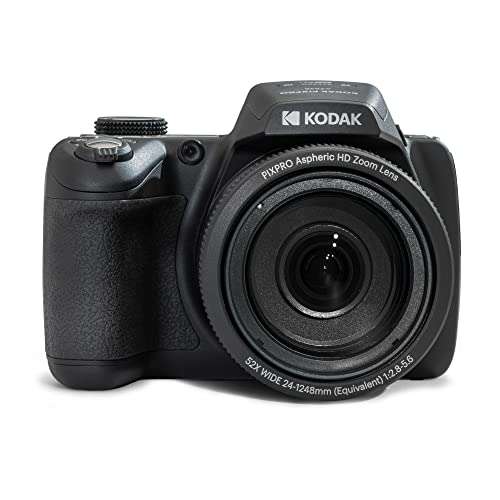

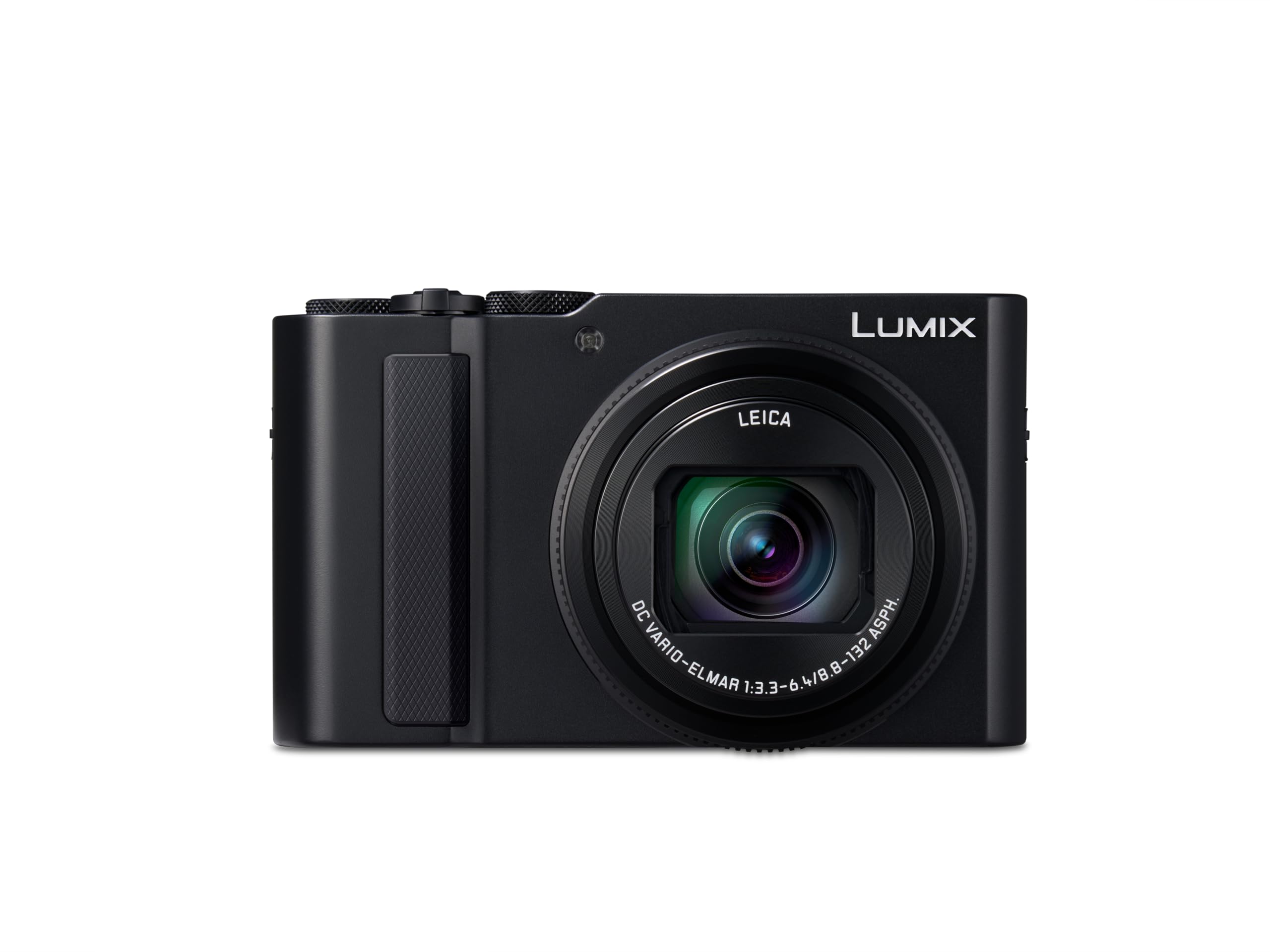


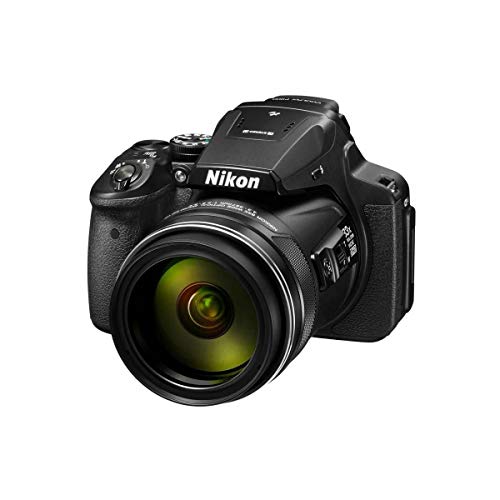


How We Evaluate Compact Optical Zoom Cameras
A useful checklist gives every camera the same set of questions, so a flashy zoom number cannot hide a weak sensor or a tiny battery. The six criteria below are the ones that decide how a compact zoom camera feels on a trip, at a school concert, or on a daily walk. As you scan the product table above, check each model against these thresholds before you look at price.
Measuring for Size and Portability
Most travel friendly compacts weigh about 7 to 14 ounces with the battery and card installed, and the listed weight often excludes both, so add a little when you compare. A body that slips into a jacket pocket gets carried daily, while a deeper grip and a chunkier lens usually mean a small bag. Picture the pockets and bag you actually use, not the smallest case you own.
Sensor Size and Image Quality
Sensor size shapes image quality more than any other single spec. A one inch type sensor collects far more light than the small 1/2.3 inch sensors in budget compacts, so it holds detail better at dusk and keeps noise lower indoors. Larger APS C and full frame sensors exist in a few fixed lens models, but zoom compacts almost always use the one inch format or smaller. Megapixels matter less than makers suggest, since about 20 megapixels is plenty for large prints, and cramming in more pixels on a tiny sensor can hurt low light results.
Video Capabilities
If you record family events or travel clips, look for 4K video at 30 frames per second as a sensible baseline, with 60 frames per second useful for smooth motion and gentle slow motion playback. A screen that flips forward helps vloggers frame themselves, and a microphone input, rare on small bodies, greatly improves voices in wind. Ask also how long the camera records before stopping, because some compacts cap clips at short lengths.
Battery Life and Charging
Compact zoom cameras commonly manage about 250 to 400 shots per charge under standard rating conditions, and heavy zooming, flash use, and video all shorten that figure. Treat the rating as a ceiling rather than a promise. USB C charging is a genuine convenience, since you can top up from a power bank in a car or cafe without packing a separate charger.
Ease of Use for Your Skill Level
Good auto modes matter, because a camera you trust on auto actually gets used. Look for a reliable full auto setting, scene modes that handle portraits and landscapes sensibly, and a touchscreen that lets you tap to focus. WiFi and Bluetooth transfers to a phone app should feel simple and quick. If you hope to grow, check for an aperture priority or manual mode and a control ring around the lens, which make learning exposure far easier.
Lens and Zoom Range
Optical zoom moves glass inside the objective lens to magnify the scene, so detail stays sharp, while digital zoom only crops the image and discards pixels. Judge a lens by its full range in 35 mm equivalent terms, such as 24 to 360 mm, rather than by the magnification figure alone. Notice the aperture too, since most long zooms narrow from about f/2.8 at the wide end to about f/6.9 at full reach, limiting light exactly when you zoom in. Image stabilization earns its keep here, steadying the small shakes that long focal lengths exaggerate. For a deeper look at reach across body styles, see our guide to the best optical zoom digital cameras.
Matching Zoom, Size, and Budget to Your Shooting
For travel and family days, a moderate zoom of about 10x to 16x paired with a one inch sensor is the sweet spot for most people. You get real reach for parades and viewpoints, clean files in restaurants and museums, and a body that still rides in a coat pocket. If that balance sounds right, see our guide to the best compact zoom digital cameras for models built around everyday carry.
For sports, birds, and distant wildlife, reach becomes the priority, and zooms of 30x or more earn their larger bodies. An electronic viewfinder helps in bright sun, where a rear screen washes out, and strong stabilization keeps far subjects steady enough to frame. If you are open to bigger bridge style bodies with even longer lenses, see our guide to the best optical zoom cameras.
It also helps to know what a compact zoom is not. Mirrorless cameras with interchangeable lenses deliver larger sensors and faster glass, but the kit grows quickly and costs more once you add a telephoto lens. A broad overview in our guide to the best digital cameras shows how each format fits different budgets and bags. Choose the compact when one small body that does everything matters more than swapping lenses.
Some buyers barely zoom at all and mainly want better files than a phone gives. For them, a fixed lens compact with a bright aperture and a larger sensor can be the smarter buy, even without a long lens. You can compare that route in our guide to the best compact digital cameras. On price, capable travel zooms generally cost about $400 to $800, simpler small sensor models cost under $300, and premium one inch models cost more.
Quick Buyer Checklist
Run through these questions before you order, and apply them to any of the best compact optical zoom digital cameras on your shortlist. A model that earns a yes on the points tied to your shooting is a sound choice, even if it skips a feature you will never use.
- Does the camera fit the pocket or bag you carry on a normal day out?
- Is the sensor a one inch type if you often shoot indoors or at dusk?
- Does the optical zoom range cover both wide scenes and your typical distant subjects?
- Does image stabilization work across the full zoom range, not only at wide angles?
- Is the shot rating per charge enough for your longest typical day, with margin to spare?
- Can you charge the battery over USB C while traveling?
- Does the camera shoot 4K video if you plan to record clips regularly?
- Do the controls and menus feel clear enough that you will learn them quickly?
Red Flags to Watch For
A polished listing can hide weak hardware. Watch for these warning signs, each of which points to a camera that may disappoint once the return window closes.
- The headline zoom figure combines optical and digital zoom, which inflates reach while hiding how much of it simply crops the photo.
- The sensor is described only in megapixels, with no sensor size stated, which usually means a small sensor the maker would rather not highlight.
- There is no image stabilization on a long zoom model, so handheld shots at full reach come out blurred in ordinary light.
- The battery rating is unusually low and no spare battery is sold, which leaves you stuck when the camera fades midday.
- The warranty terms are vague or unusually short, and written reviews repeat the same phrases, which suggests thin support and padded praise.
Setup and Care Tips
On day one, charge the battery fully, set the date and time so your files sort correctly, and format the memory card inside the camera rather than on a computer. Take a few sample shots at the wide end and at full zoom, then view them at full size to confirm focus looks sharp. Set the camera to save its highest quality files before a big trip, not during it.
For care, wipe the objective lens with a clean lens cloth, never your shirt, because gritty fabric can scratch the coating. Blow dust off first with a small blower so you are not grinding particles across the glass. Carry a spare battery on long days, store the camera in a dry padded bag away from beach sand, and keep it out of a hot parked car. If the lens barrel ever feels gritty as it extends, stop using the zoom and have it serviced rather than forcing it.
Frequently Asked Questions
Which compact optical zoom digital camera features help most in low light?
A one inch type sensor and a wide maximum aperture at the focal length you use most help more than any other features. Optical stabilization also lets the camera use slower shutter speeds for still subjects, which keeps ISO lower and files cleaner. One point listings rarely stress is flash range, since the small built in flash on most compacts only reaches about 10 to 15 feet, so it will not rescue a dark hall from the back row.
Can a smartphone replace a compact optical zoom digital camera for travel?
A smartphone covers wide scenes well, but its long range shots rely on cropping and software sharpening, so fine detail in faces, signs, and feathers breaks down quickly. A compact zoom uses real glass to magnify the scene before the sensor records it. For casual snaps a phone suffices, but for deliberate travel photos the camera still wins.
What does the magnification number mean on a compact optical zoom digital camera?
The magnification number, such as 10x or 30x, is simply the longest focal length divided by the shortest, so it describes the span of the zoom rather than how close subjects will appear. Two 10x lenses can start at different wide angles and end at very different reaches. A useful extra check is the close focusing distance at full zoom, because some long zooms cannot focus on near subjects when fully extended, which surprises macro fans.
What specs matter most for beginners buying a compact optical zoom digital camera?
Beginners should rank a trustworthy auto mode, a one inch sensor if the budget allows, and stabilization above exotic extras like log video profiles. A tilting touchscreen also speeds up learning, since you can tap a subject and watch focus follow it. One beginner friendly trait worth seeking is a helpful built in guide mode, which explains settings in plain words on screen. Skip models that bury basic controls deep in menus, because friction early on is what sends a camera to a drawer.
How much should you spend on your first compact optical zoom digital camera?
Most first time buyers land well at about $350 to $700, a range that covers one inch sensor travel zooms with good stabilization and 4K video. Spending less usually means a much smaller sensor, while spending more buys faster lenses and better viewfinders rather than a different class of photo. Keep a little budget aside for a memory card, a spare battery, and a small case. Those basics, often under $75 combined, protect the purchase better than a small step up in model tier.
Wrapping Up
Three criteria do most of the work: sensor size for clean files, an honest optical zoom range with an aperture you understand, and stabilization that holds up at full reach. Size, battery life, and simple controls then decide which camera you actually carry. When you find best compact optical zoom digital cameras that match your habits on those points, compare your shortlist in the product table above and choose the body that fits your bag and budget.