Best Compact Megazoom Cameras at Every Price: What Your Money Gets You
Disclosure: We may earn a commission when you buy through links on this page, at no extra cost to you. As an Amazon Associate I earn from qualifying purchases. Learn more
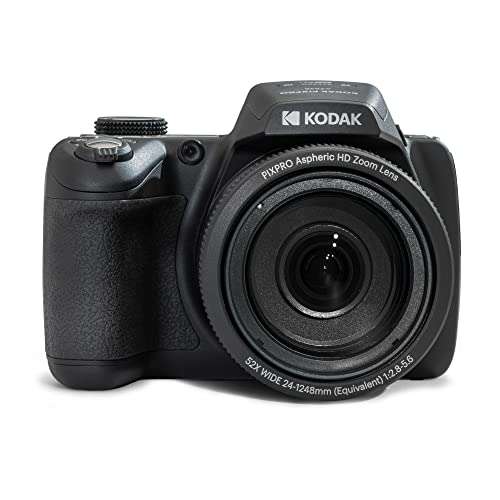
Best compact megazoom cameras at every price: what each tier adds in sensor size, lens reach, autofocus and stabilization.
Megazoom compacts span a wide price range, from simple models under $300 to premium bodies that cost more than some interchangeable lens kits. The zoom numbers on the box look similar across that whole range, so it is easy to overpay for reach you do not need or underpay and end up with soft photos. This guide to the best compact megazoom cameras explains what each price tier actually buys you in sensor size, lens quality, autofocus, and handling, so you can match your budget to the way you shoot. Start with the comparison table below, then read on for the trade offs behind the prices.
If maximum reach in a small body is your priority, you are in the right category. Readers who want a smaller body with a shorter lens can see our guide to the best compact digital cameras for simpler everyday options instead.
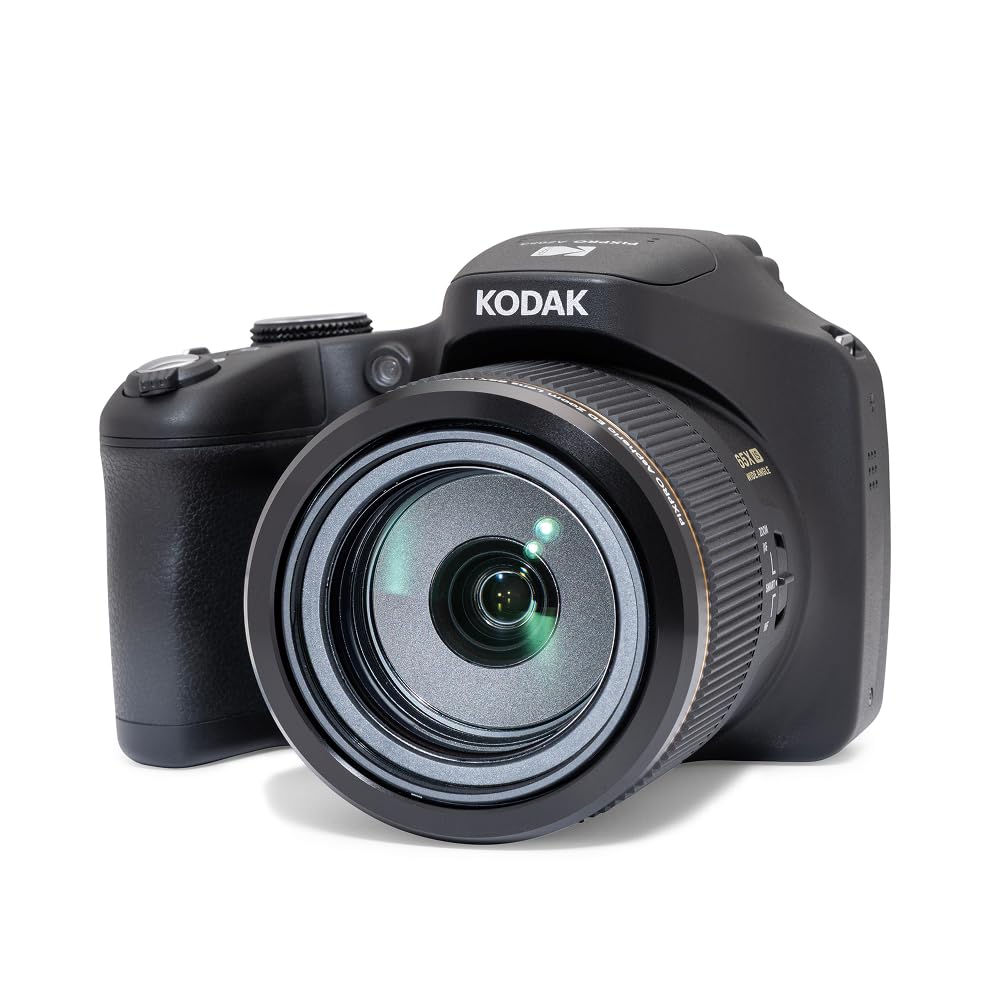


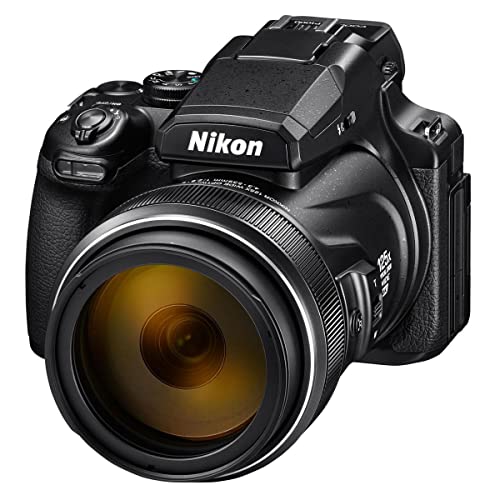


Choosing by Budget: Three Buyer Groups
Price is the fastest way to narrow this category, because each tier serves a different kind of shooter. The groups below describe who each budget fits best, based on the product table above and the tier details that follow.
Budget Buyers Who Want Simple Long Reach
You want to photograph school sports, backyard birds, or a stage from the back row without learning manual controls. Budget models give you a long optical zoom, a fully automatic mode that handles exposure for you, and a body light enough for a jacket pocket. Expect to shoot mostly in daylight, accept slower focusing on moving subjects, and rely on the screen rather than a viewfinder. If your photos live on a phone screen or in small prints, this tier covers your needs without stretching your budget.
Midrange Buyers Who Travel and Shoot Often
You shoot several times a month, travel with your camera, and want 4K video plus reliable autofocus for kids, pets, and street scenes. Midrange models add faster focus tracking, better image stabilization for handheld zoom shots, and WiFi transfer to your phone. If trip photography is your main use, see our guide to the best compact cameras for travel for packing and carry advice that pairs well with the models here. This group gets the most capability per dollar in the whole category.
Premium Buyers Who Want Better Image Quality
You care about clean images in dim light, detailed prints, and a viewfinder you can trust in bright sun. Premium models use a larger one inch type sensor, a brighter lens at full zoom, and faster burst shooting for wildlife and sports. You also get manual controls, raw file capture, and stronger build quality. If you regularly shoot concerts, indoor events, or birds at dawn, the image quality gap over cheaper tiers is the reason this group exists.
What Your Money Gets You at Each Price Tier
The tiers below use typical street prices on Amazon US. Features overlap at the edges, so treat the boundaries as guides rather than hard rules.
Budget Tier: The Basics Done Simply, Under $300
Budget models, usually priced under $300, pair a small sensor with a very long zoom, often 30x to 40x magnification. Image quality is fine in bright daylight, but fine detail softens at full zoom and indoor shots show visible grain. Autofocus is single point and can hunt in low light, and video usually stops at full HD. You also get basic plastic construction with no weather sealing. For casual family use and occasional travel snapshots, these limits rarely matter, which is why this tier sells so well.
Midrange Tier: Where Extra Money Starts to Show, About $300 to $700
Models at about $300 to $700 keep the long zoom but improve almost everything around it. Autofocus gains subject tracking that holds focus on moving kids and animals, stabilization gets stronger so full zoom shots stay sharp handheld, and 4K video becomes standard. Many models add a tilting touchscreen, an electronic viewfinder, and faster continuous shooting. The sensor is still small on most models, so low light quality improves only modestly. This is the tier where your money buys speed and reliability rather than a dramatic jump in image quality.
Premium Tier: Paying for Sensor and Speed, About $700 to $1,200
At about $700 to $1,200, the defining upgrade is a one inch type sensor with roughly four times the surface area of the small sensors below it. That larger sensor delivers cleaner high ISO images, wider dynamic range, and shallower depth of field. Zoom range usually shrinks to about 10x to 24x because a bigger sensor needs a bigger lens, and the body grows accordingly. Shoppers who outgrow this category entirely can see our guide to the best digital cameras for larger sensor systems with interchangeable lenses.
Features Worth Paying For in the Best Compact Megazoom Cameras
Spec sheets push big zoom numbers, but only a few features change your results every day. Here is where extra money earns its keep and where it does not.
Sensor Size and Image Quality
Sensor size is the single strongest predictor of image quality in this category. Most megazoom compacts use a small 1/2.3 inch sensor, which keeps the body tiny and the zoom long but limits low light performance and fine detail. Premium models use a one inch type sensor that gathers far more light per pixel. Megapixel counts matter much less than sensor area, so a 20 megapixel one inch sensor will outshoot a 20 megapixel small sensor in shade, indoors, and at dusk. Pay for sensor size before you pay for any other upgrade.
Size and Portability: How to Judge the Fit
Compact only counts if the camera actually goes with you. Check the weight with the battery and card installed, since makers sometimes quote the body alone, and compare the depth with the lens retracted against your pocket, purse, or belt pouch. A larger grip and a slightly heavier body, around 10 to 14 ounces, often handle better at full zoom than an ultralight model that is hard to hold steady. For a broader look at small bodies and carry styles, see our guide to the best cameras compact shoppers compare before choosing a size class.
Lens and Zoom Range
Optical zoom is the number that matters, because it uses the full sensor and keeps detail intact. Digital zoom simply crops the image, so ignore the huge combined figures in marketing copy. A 24x to 30x optical range covers wide group shots at 24 mm equivalent through distant wildlife at the long end for most people. Also check the maximum aperture at full zoom, since a lens that stays near f/4 gathers far more light than one that drops to f/6.5, and a wider objective lens front element supports that brightness. For a deeper look at reach, see our guide to the best compact cameras with zoom models and how their ranges compare.
Image Stabilization and Autofocus
At 600 mm equivalent or beyond, tiny hand movements become big frame movements, so optical image stabilization is not optional at long zoom. Good systems let you shoot handheld at shutter speeds several stops slower than you could manage unaided. Autofocus quality separates the tiers just as clearly. Look for continuous tracking that follows a subject across the frame, face and eye detection for people and animals, and a burst mode of at least 7 frames per second if you shoot sports or birds in flight. Slow single point focus is the most common frustration owners report with cheap megazooms.
Ease of Use for Your Skill Level
Strong automatic modes matter more than deep menus for most buyers. Scene recognition that picks settings for portraits, landscapes, and action saves missed shots while you learn. A touchscreen you can tap to focus speeds up everyday shooting, and a companion app that moves photos to your phone over WiFi keeps you from wrestling with cables and card readers. Manual exposure controls and raw capture are worth paying for only if you already edit photos or plan to learn. Everyone else can skip the most complex control layouts and save money.
Long Term Costs to Factor In
The camera price is only part of what you will spend. Budget for a fast memory card, because 4K video and burst shooting need high write speeds, plus a spare battery since long zoom and stabilization drain power quickly on a full day out. A padded case protects the extending lens mechanism, which is the most fragile part of any megazoom. Extended warranties rarely pay off on budget models but can make sense on premium bodies you travel with. Filters and add on lenses marketed for compacts usually disappoint, so put that money toward the spare battery instead.
Common Mistakes to Avoid
- Choosing by the biggest digital zoom number, which only crops the image and throws away detail you can never recover.
- Buying the longest zoom for indoor sports, where a small sensor and a dim lens produce grainy, blurred photos.
- Ignoring weight and depth, so the camera stays home because it does not fit the bag you actually carry.
- Skipping the memory card speed rating, which makes 4K video stop mid clip and bursts stall after a few frames.
- Paying for premium manual controls you never use, when a midrange automatic model would have taken the same photos.
Frequently Asked Questions
Is a smartphone enough instead of a compact megazoom camera?
For wide and medium shots, a modern smartphone is enough for most people. The gap appears at long range, where phones crop or simulate zoom and lose detail, while an optical megazoom lens keeps full resolution at 20x, 30x, and beyond. A dedicated camera also gives you a real grip, a viewfinder option, and far longer battery life per charge. If you photograph distant subjects more than a few times a month, the camera earns its place beside your phone.
How much should you spend on your first compact megazoom camera?
Most first time buyers land happily at about $300 to $500. That range buys dependable autofocus tracking, strong stabilization, and 4K video, which are the features beginners actually feel. Spending less works for daylight only shooting, while spending more mainly improves low light quality that new photographers rarely test. Put any leftover budget toward a spare battery and a fast card rather than a higher tier, because those accessories improve every shooting day.
What does 30x zoom mean on a compact megazoom camera?
The x number compares the longest focal length to the widest one, so a lens that starts at 24 mm equivalent and reaches 720 mm is a 30x zoom. It describes magnification range, not image quality, and two cameras with the same 30x rating can differ sharply in sharpness at full zoom. A useful extra check is the physical size of the scene you can fill. At 720 mm, a songbird can fill the frame from about 30 feet away, which is why birders favor these cameras.
Which sensor size is better for low light in a compact megazoom camera?
A one inch type sensor is clearly better for low light in this category. Its larger pixels gather more light, so photos at ISO 1600 and above stay cleaner and colors hold up better at indoor events and evening games. Lens brightness matters too, since each f stop step doubles or halves the light reaching the sensor. Small sensor models remain usable in low light for screen sized sharing, but expect grain and softer detail in prints.
What specs matter most for beginners choosing a megazoom camera?
Start with optical zoom range, optical stabilization, and autofocus tracking, because those three decide whether distant subjects come out sharp at all. After that, check screen and viewfinder comfort, battery life per charge, and how quickly photos move to your phone. Beginners comparing the best megazoom cameras often fixate on megapixels, yet pixel count ranks near the bottom of what affects everyday results. A simple automatic mode you trust will teach you more in the first month than any spec sheet.
Final Thoughts
Match the tier to your light and your subjects first. Daylight shooters who want reach on a budget are well served under $300, frequent travelers gain the most from the midrange, and low light shooters should save for a one inch sensor model. Use the product table above to compare the best compact megazoom cameras side by side on zoom range, sensor size, and weight, then choose the tier that fits how often you shoot rather than the biggest number on the box.